Melbourne Family’s Beach Photo Sparks Debate After Unidentified Figure Appears in Background
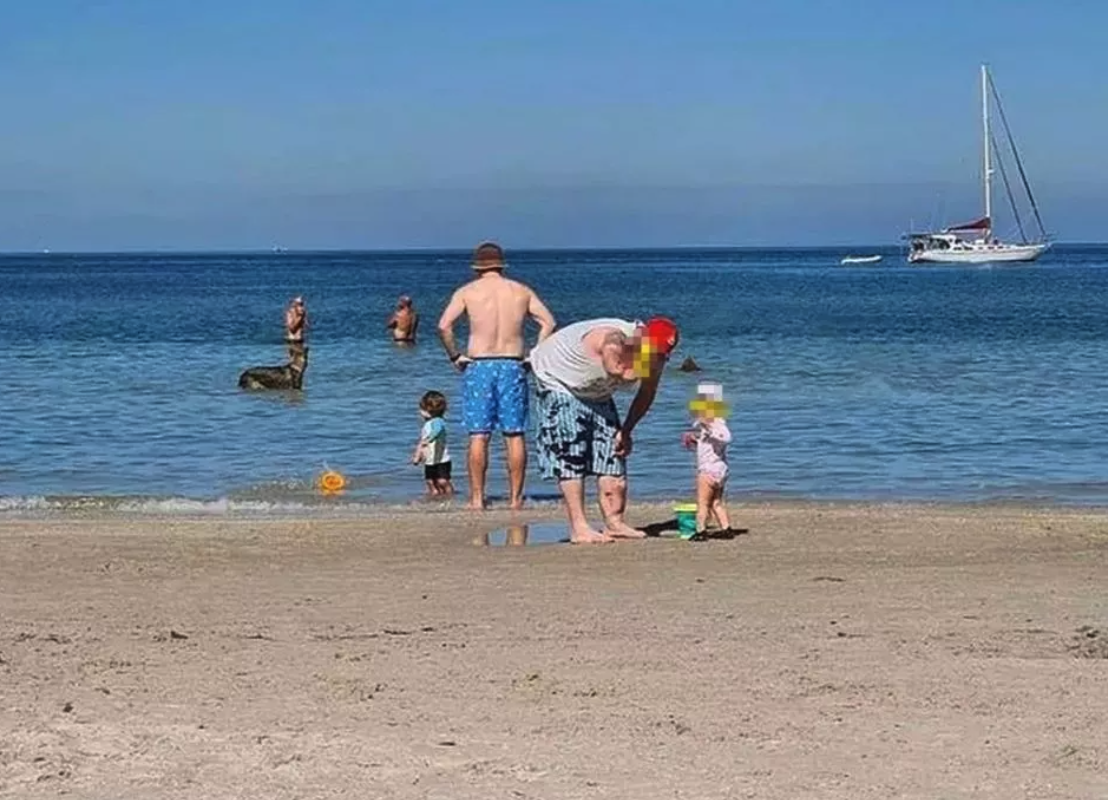
What began as an enjoyable family outing at Carrum Beach in Melbourne quickly turned enigmatic when an unexpected detail in a family photo caught national attention. A father and his young daughter, smiling and waving at the camera, were blissfully unaware that sharing their special day would inadvertently ignite weeks — and later years — of online speculation and debate.
Discovery of the Mystery Figure
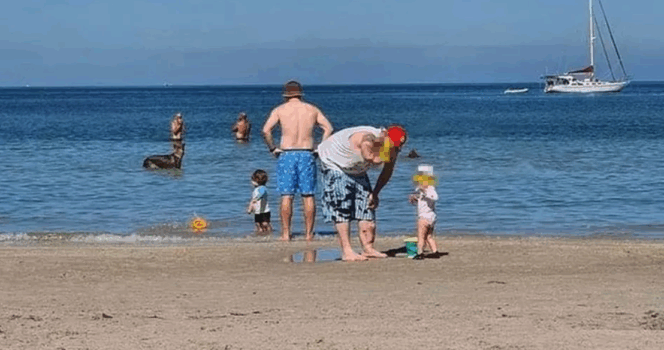
After returning home from the beach, the family decided to look through the photographs they had captured during their visit. It was during this routine review that a strange, ambiguous shape in the water only a few meters behind the family became apparent. The image, ordinary at first glance, took on a new, unnerving dimension — leading the family and countless internet users to question what exactly was lurking just beyond the shoreline.
Upon closer inspection, the form appeared to be rising out of the shallows, close to where the family had been standing. Was it an unsuspected encounter with marine life, a large fish, or simply a trick of the waves and light?
Viral Reaction and Social Media Frenzy
Once uploaded to social media, the family’s photo quickly garnered widespread attention and became part of online conversations across Australia and beyond, fueling speculation about the figure’s identity. In internet communities, especially those focused on local news and urban legends, the image was intensely analyzed, dissected, and debated. The speculation was heightened by recent warnings from local authorities regarding potential shark sightings in the area.
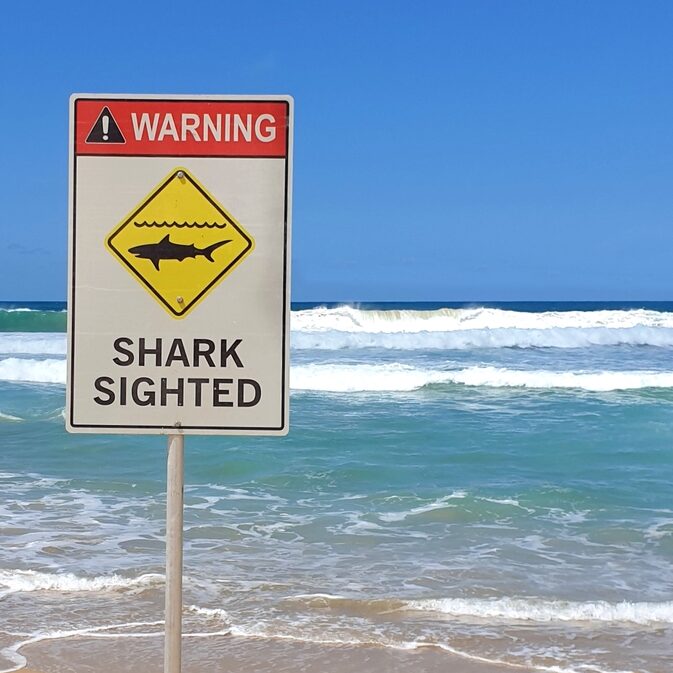
According to the State Emergency Service (SES) Chelsea, the timing of the incident was especially notable. On the same day as the family’s outing, SES Chelsea had issued a warning on their Facebook page to alert beachgoers about a possible shark sighting between the neighboring suburbs of Bonbeach and Chelsea. This official notice fueled public concern and provided further context for the ongoing debate surrounding the photograph.
Official Statements and Community Engagement
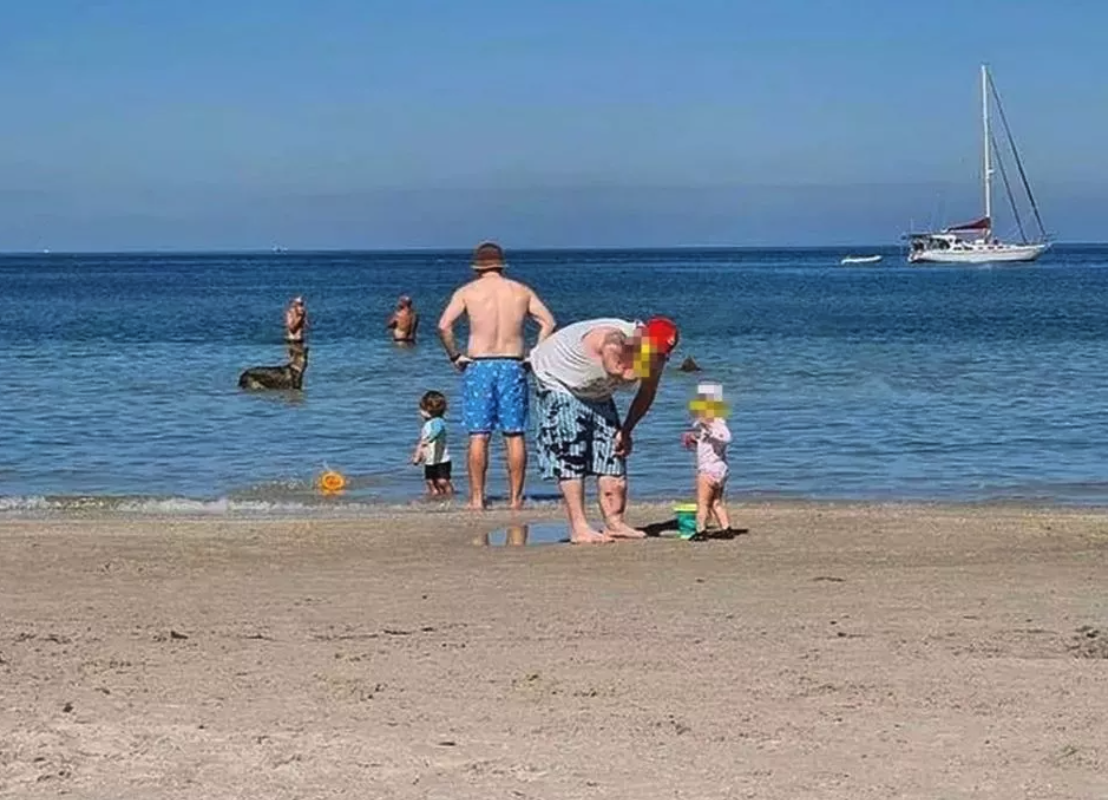
In a statement shared on social media, SES Chelsea recounted the timeline: “We posted about a shark sighting just off the beach, between Bonbeach and Chelsea. Later, we received a message from a family, who follow our page, who were at Carrum Beach earlier in the morning. It was their little one’s first visit to the beach, and the gentleman’s partner grabbed a couple of snaps to record the day. Later, when they got home and looked at the pictures, they noticed something in the shallow water, just behind them. Was this our shark?”
This public inquiry prompted a cascade of responses. Many users speculated on the likelihood of the figure being a shark, noting aspects such as the shallow depth of the water and the presence of other beachgoers and dogs nearby. Others questioned the plausibility of a shark remaining undetected by those so close to it. The split in opinions demonstrated how a single ambiguous image can captivate — and divide — public opinion.
Social media users added their insights. One user commented, “Couldn’t be a very big one, given the size of the dog and the depth of the water.” Another questioned, “Looks a bit shallow for a shark that would have a fin that size, judging by where the dog and guy to the left are standing. Wouldn’t the other guy behind them have noticed?” The diversity of contributions reflected both skepticism and concern, hallmarks of viral mystery debates.
Some posters called for caution but reasoned, “I agree that it can’t be discounted — but it’s highly unlikely that a shark cruising in the shallows would not be seen, and those in the photo would not be aware.” This divided verdict typifies online reactions to viral phenomena, where visual ambiguity triggers both fear and rationality.
Expert Opinions: Shark or Stingray?
In the weeks following the initial posting, local marine authorities were approached to clarify the identity of the mysterious figure. The Victoria Fisheries Authority (VFA) stated that, despite reviewing the photograph, neither Life Saving Victoria nor the VFA could definitively identify the animal or object depicted. The lack of a clear conclusion only furthered online intrigue.
Seeking expert analysis, Yahoo News Australia reached out to Professor Charlie Huveneers, Research Leader of the Southern Shark Ecology Group. According to Professor Huveneers, while it is challenging to be certain due to the image’s quality, the evidence pointed away from a shark and instead suggested another marine animal. “Judging by the shape, it doesn’t look like a shark’s dorsal fin. It’s more likely the wing of a Southern Eagle Ray, which are commonly seen in shallow waters and along beaches,” he said. This suggestion aligns with behavioral patterns of eagle rays, which frequently glide close to shore in southern Australian waters.
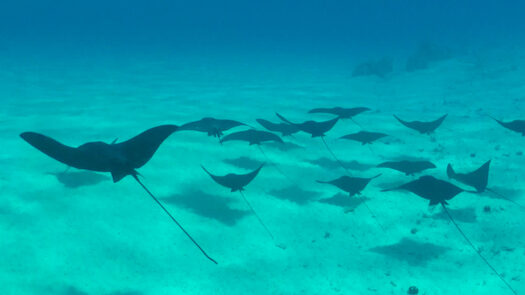
The Southern Eagle Ray (Myliobatis australis) is a species native to the southern coastlines of Australia, sometimes also observed around New Zealand. Categorized as “near threatened” by conservation groups, these rays are often sighted in inshore environments. They have a broad, flat body, and when their wingtips break the surface of the water, they can be mistaken for the fins of sharks, especially from a distance or in unclear photographs. The educational value of the incident is clear — public awareness about the diversity of marine life along popular Australian beaches is as important as understanding safety protocols.
Broader Context: Shark Sightings and Safety in Australian Waters
The debate over the Carrum Beach photo occurred during a period of heightened awareness of shark activity along Australian beaches. Just days prior, fishermen off Aldinga Beach, south of Adelaide, had captured viral video footage of a great white shark estimated to be approximately 13 feet long circling their boat. While such sightings are not uncommon in Australian waters, they consistently capture the public’s imagination and trigger renewed safety campaigns.
Australian authorities and ocean safety organizations regularly issue guidelines to help beachgoers stay safe, including advocating for swimming between flagged areas, staying up to date with local warnings, and avoiding swimming at dawn or dusk when sharks are most active. These recommendations are reinforced during summer months, when both human and marine activities in the water increase.
For marine biologists and safety officials, the viral conversation sparked by this family’s photograph provided an opportunity to educate the public about the variety of large marine animals, including rays and harmless sharks, that may be present in relatively shallow waters. It also highlighted the importance of remaining vigilant but not unduly fearful, recognizing when viral images possibly distort the reality of everyday beach activity.
Social, Environmental, and Tourism Implications
The international dissemination of the Carrum Beach photograph illustrates modern society’s fascination with ambiguous and possibly hazardous encounters in natural settings. Similar stories from around the globe have escalated into viral talking points, pushing communities and experts to balance excitement with factual information and reinforce responsible behavior around wildlife.
Tourism operators in regions with regular shark sightings have responded with a combination of education campaigns and safety measures. In southern Australia, local councils and lifeguards post regular updates on marine activity and rapidly deploy warning flags and information boards when sharks or other large animals are sighted. Such incidents, while sometimes unsettling, have not drastically changed public patterns of beach use, as public reassurance and clear communication remain high priorities for local authorities.
Marine researchers add that while shark bites are rare, Australians growing up within reach of the coast are educated from a young age on how to safely share ocean spaces with wildlife. The Carrum Beach photo serves as a timely reminder of both the allure and unpredictability of natural environments — and the responsibility communities have to stay informed and alert.
Impact on Public Perception and Future Recommendations
Incidents like the Carrum Beach mystery reinforce a dual reality of life near Australia’s coasts: an appreciation for the vibrancy of its marine biodiversity, and a persistent sense of awe at the occasional proximity of large marine creatures. The ongoing debate demonstrates that even ordinary family experiences can spark scientific, social, and personal reflection, especially when amplified by the power of social and online media.
Expert consensus remains that, while occasional shark encounters do occur, most ambiguous sightings can be attributed to less dangerous wildlife or even visual distortions. Public agencies recommend reporting any questionable sightings to local authorities, refraining from panic, and recognizing the value of coexistence between humans and marine animals. Confirmed shark sightings are logged and shared on sites such as SharkSmart, while lifeguards and emergency services are trained to respond efficiently to protect both human and animal life.
In a broader sense, public reaction to mysterious beach photos highlights the importance of fostering a respectful relationship with nature — one built on knowledge, precaution, and wonder. As more people share their adventures online, similar stories will likely continue to surface, offering fresh opportunities for education and public engagement.
Conclusion
The Melbourne family’s beach day at Carrum Beach transformed into an unanticipated national story demonstrating the enduring intrigue of the unknown. Whether the shadowy figure was a shark, a harmless stingray, or simply the product of light and water, the episode reveals much about how communities, scientists, and the public interact with their environment and each other in an era defined by rapid information sharing. The lasting interest in this photograph reinforces the need for critical thinking, expert involvement, and community engagement when exploring our natural world.
Sources
- ABC News Australia
- BBC News
- Reuters
- The Guardian
- Al Jazeera
- Life Saving Victoria
- Victoria Fisheries Authority
- SharkSmart Victoria
Disclaimer: This content is intended for entertainment purposes only and is not based on real events.