A Mother Shares Her Three-Year-Old’s Overwhelming Fear of Planes and Skyscrapers—And a Mysterious Link to 9/11
One mother’s experience with her young child’s intense fear of airplanes and tall buildings, combined with specific nightmares about his own death in a building explosion, led to an unexpected connection with a victim of the September 11 attacks. This unique story highlights the ways children process fear, trauma, and identity—raising questions about memory, the subconscious, and the enduring impact of historical events.
The Start of Unusual Nightmares and Childhood Fears
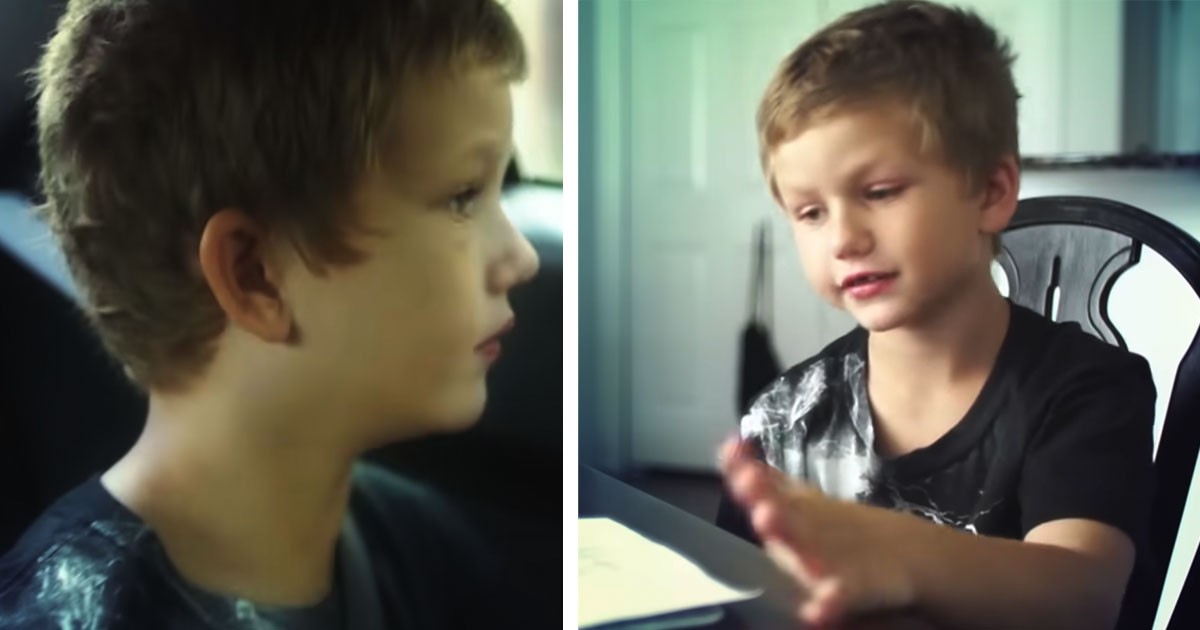
Cade Wilson was just three years old when he began to have vivid, distressing nightmares. According to his mother, Molly Curnutte, Cade would awake in tears, describing working in a tall building—a building from which he could see the Statue of Liberty through his office window. As any parent would, Molly initially chalked it up to a vivid imagination. “I noted it as an oddism,” she explained in an interview on LMN’s The Ghost Inside My Child. “I just thought he had a vivid imagination.” Cade’s father, Rick, also expressed confusion. The family had no ties to New York City, nor did they know anyone affected directly by the 9/11 attacks.
However, as the nightmares persisted, a pattern began to emerge. Cade’s distress was not an isolated incident but steadily grew into an overpowering fear that shaped his entire worldview as a toddler.
An Escalation of Fear: Planes, Skyscrapers, and Specific Details
As weeks passed, Cade’s fear evolved beyond his dreams. He began to display an obsessive aversion to airplanes—not just the idea of taking flights, but to the appearance and even the sound of planes. His grandmother Fae recalled, “He was totally petrified of them, like they were monsters.” The act of driving through downtown became a trial for the family, as Cade would react with panic around tall skyscrapers. Everyday life was beginning to revolve around avoiding his triggers.
What truly startled the family was the specificity of the boy’s comments. He began to state bluntly that he had been in a building that “was hit by something,” causing it to explode before he fell. Perhaps most curious, Cade began to insist that “Cade” was not his real name.
Seeking Answers: The Search for Patterns and Understanding
Like many parents facing the unknown, Molly turned to online forums, hoping to find others with similar experiences or to gain new perspectives. She recounted, “It was actually another mother who sent me the link,” referring to a news story about a man who worked at the World Trade Center and died in the attacks of September 11, 2001. The biography and photograph of the man bore uncanny echoes of Cade’s descriptions—namely, working in a high-rise building with a view of the Statue of Liberty, and the manner of his death closely paralleling Cade’s dreams.
Molly never reached out to the bereaved family, out of respect for their loss and the complexity of grief. She recognized that while the emotional resonance may have comforted her own curiosity, it was a private matter for those directly affected.
Understanding Childhood Fears and Memory Formation
Experts in child psychology assert that fears are a typical aspect of early development. Toddlers frequently experience nightmares as their brains process daily experiences and abstract threats. Common fears—such as those of monsters, separation, or loud noises—are seen as developmentally appropriate. However, the depth of detail in Cade’s story invites a closer look at how young minds remember, imagine, and sometimes confuse real and fictional narratives.
Dr. Jim B. Tucker, a prominent child psychiatrist at the University of Virginia, has studied children who recount experiences suggestive of past-life memories. While scientific consensus generally attributes such phenomena to fantasy, external influences, or a sub-consciously absorbed media, such stories continue to intrigue clinicians and the public. Tucker emphasizes the value of listening empathetically to a child’s narrative, as doing so can offer insights into psychological or emotional needs, as well as distinguish between typical childhood anxiety and experiences requiring further support.
Impact on Social Life and Education
The effects of Cade’s fears extended beyond the family and into his school environment. Molly described the “heartbreaking” realities her son faced: being called a liar by classmates and having some parents restrict their own children from playing with him. Teachers, too, grew frustrated by the disruptions caused by Cade’s reactions to his fears. These social challenges underscore the importance of schools and parents collaborating to support children with atypical anxieties.
“You just want everybody to like your kid,” Molly explained. Childhood social exclusion, especially in the early years, can have lasting effects on self-esteem, making parental and professional support vital.
Parenting Approaches: Empathy, Encouragement, and Identity
Despite the complexity and emotional toll, both Molly and Rick focused on helping Cade adjust to everyday life. Their goal, as expressed by Molly, was “to learn to be Cade, to learn to be a kid again, to learn to laugh.” This approach aligns with best practices recommended by child development specialists: nurturing a child’s sense of self, validating feelings without reinforcing distress, and encouraging participation in enjoyable and safe activities.
Parents are encouraged to:
- Listen openly to children’s feelings and fears without dismissal or ridicule.
- Seek professional advisement if fears are intense or disrupt daily life.
- Reassure children with facts, gently distinguishing fantasy from reality.
- Foster social interactions in supportive settings.
Media, Memory, and the Power of Narrative
Research into childhood memory has shown that high-profile events, especially those that are retold in media or observed in snippets (consciously or otherwise), can become intricately woven into recollections. Even if a child has not directly witnessed an event, story exposure can exert a profound influence on dreams and identity formation. This is especially true with events as broadly covered as 9/11, which left a deep cultural imprint through news, documentaries, and annual memorials.
Children are adept at picking up adult emotions, overheard conversations, and even background images from television or digital devices. The intersection of collective trauma and childhood imagination can produce startling narratives—often reflecting broader societal fears, as discussed by experts at the American Psychological Association (APA).
Exploring Unexplained Childhood Memories: What Science Says
While extraordinary claims—such as spontaneous past-life memories—capture public imagination, scientific explanations point towards cognitive development and the remarkable suggestibility of young children. The mind’s capacity to form, retain, and elaborate on episodic memories can lead to stories that feel deeply real, even if they lack a clear external source. Psychologists advise that parents tread carefully: validating children’s feelings without reinforcing unsubstantiated beliefs, and maintaining a focus on present-day coping strategies.
Some researchers, such as Dr. Elizabeth Loftus, a leading authority on memory science, have demonstrated the ease with which false memories can be implanted or encouraged, particularly among young children. This does not discount the depth of emotion or fear that a child might experience, but provides reassurance that these experiences can often be addressed through time, support, and, if needed, professional therapy.
Societal Reactions: Community, Media, and Global Awareness
Stories like Cade’s spur discussions around a host of topics—grief, trauma, resilience, memory, and even unresolved questions about consciousness. In the post-9/11 era, collective healing and remembrance efforts have fostered dialogue about how traumatic events can impact not only those directly affected but society at large. Many cultures recognize phenomena in which children recount unexplainable memories; these beliefs are often met with a mix of respect, skepticism, and open-minded investigation.
The story’s media coverage, including television features, online forums, and comment sections, reflects a broader curiosity, empathy, and sometimes controversy regarding children’s claims about previous lives or inexplicably vivid memories. Experts have urged respectful and ethical engagement with such narratives, cautioning against sensationalism or exploiting children’s stories for entertainment while advocating for ongoing research into the complexities of the child mind.
Moving Forward: Support, Growth, and Healing
As Cade and his family continue to navigate his fears, the emphasis has shifted towards empowerment and healing. Molly’s hope that her son can simply “learn to be Cade again” resonates for many parents seeking guidance in helping children overcome anxiety, trauma, or past distress. Access to supportive mental health resources—such as child therapists, counselors, or pediatricians—can make a significant difference in restoring a young person’s confidence and sense of safety.
Ultimately, Cade’s story underscores the universal love parents hold for their children and their desire to provide understanding, stability, and encouragement no matter how unusual the challenges may be. It also invites continued exploration into the way memory, identity, and collective experiences are processed—especially by those in the earliest years of life.
Sources
Disclaimer: This content is intended for entertainment purposes only and is not based on real events.