Towels are an essential part of daily life, used for drying our bodies after bathing, cleaning dishes, or wiping surfaces in the kitchen. Despite their routine presence in households, misconceptions about towel hygiene persist. Many people assume that simply washing towels together in hot water with detergent ensures cleanliness. However, research and expert recommendations reveal that achieving truly hygienic towels requires more attention, especially when considering the differences between kitchen and bath towels. This article explores how towels accumulate bacteria, the risks associated with improper washing, and the best practices to maintain their cleanliness, based on evidence and international guidance.
Why Towel Cleanliness Matters
A towel that appears clean might still harbor microbes. Towels absorb moisture, pick up dirt, and become breeding grounds for bacteria and mold, particularly when left damp. According to the Centers for Disease Control and Prevention (CDC), bacteria thrive in warm, moist environments—a perfect description for towels after use. Failing to properly wash and dry towels can risk spreading pathogens in the household, increasing chances of skin irritation, gastrointestinal complaints, or even infections, especially among vulnerable populations like young children and the elderly.
The Differences Between Kitchen and Bath Towels
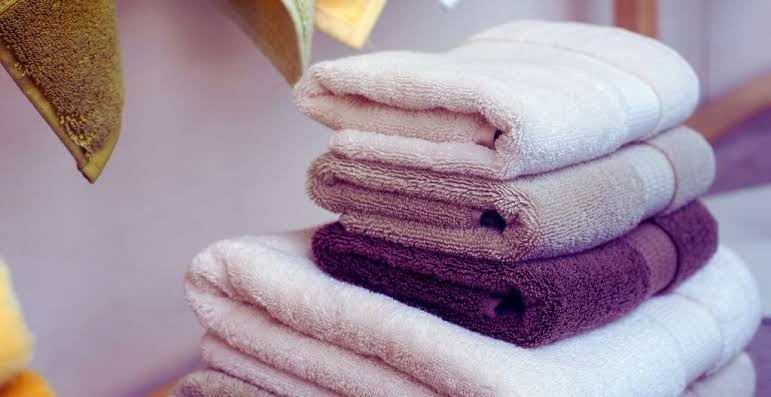
Understanding how towels are used is crucial to keeping them truly clean. Kitchen towels are exposed to a variety of substances, including food particles, grease, and bacteria from raw meats. Bath towels, on the other hand, mainly encounter water, sweat, and skin cells. Kitchen towels can potentially carry hazardous bacteria such as Salmonella or E. coli if they are used in food preparation or contact uncooked foods. Bath towels typically only carry skin flora, but improper drying and infrequent washing can cause foul odors or skin breakouts.
The World Health Organization (WHO) and food safety experts recommend special attention to kitchen towels. Cross-contamination from kitchen towels, especially those that come into contact with raw meat or unwashed produce, can easily transfer pathogens onto surfaces or hands. Studies highlighted by the Mayo Clinic also note the higher bacterial loads on kitchen towels compared to bath towels.
Common Habits and Their Impact on Towel Hygiene
A widespread practice in many homes is washing kitchen and bath towels together in a single laundry load. This is usually motivated by convenience, with the belief that detergent and hot water kill all bacteria. However, if kitchen towels are heavily contaminated—used for cleaning up spills from raw meat, greasy pans, or large food messes—their residues and bacteria can transfer to bath towels. This means towels used for personal hygiene may inadvertently pick up harmful bacteria, potentially compromising skin health and household safety.
Research published in the journal Applied and Environmental Microbiology suggests that certain bacteria, including strains of Staphylococcus and E. coli, can survive typical laundry cycles, especially at lower temperatures or with insufficient detergent. The type of laundry detergent, water temperature, and machine settings all influence how thoroughly towels are disinfected.
Best Practices According to Experts: Separating and Washing Towels
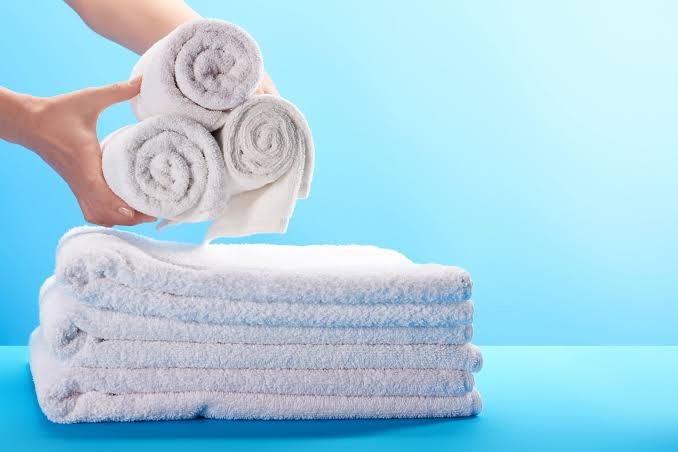
Experts in household hygiene, including recommendations from the CDC and food safety authorities, advise that not all towels should be washed together. Kitchen towels, especially those soiled with food waste or used for high-risk tasks, warrant separate treatment:
- Heavily Soiled Kitchen Towels: Wash these items separately from bath towels. An extra-hot cycle (above 60°C/140°F), with sufficient detergent, is recommended to remove grease and kill bacteria.
- Lightly Used Kitchen Towels: Towels used solely for drying hands or dishes (that were already clean) can sometimes be washed with bathroom towels, provided they are not contaminated with food residue.
- Bath Towels: These can typically be grouped together, including hand towels used in the bathroom. However, towels used by individuals who are ill or have open wounds should be washed separately.
- Drying: Proper drying is just as critical as washing. Towels should be fully dried—preferably in the sun or a hot dryer—to prevent bacteria and mold growth. Damp towels left folded or piled up can quickly develop unpleasant odors and become unhygienic.
- Replace When Necessary: If towels retain odor, feel unclean, or show signs of mildew after washing, replace them. Periodic replacement ensures hygiene and reduces risks.
Laundry Technology and Chemistry: How Cleaning Works
Laundry detergents combine surfactants, enzymes, and sometimes antibacterial agents to lift and remove dirt and microorganisms from fabric fibers. Hot water assists in dissolving grease and enhancing germ removal. However, not all household washing machines are equipped to reach temperatures necessary for full disinfecting, and detergents vary in their efficacy. Modern eco-friendly cycles may use lower temperatures to save energy, but this can leave some resilient pathogens behind.
International studies, including those documented by the BBC and the Guardian, reinforce that the most effective cleaning occurs at higher temperatures, with longer agitation cycles and adequate detergent dosages. Bleach or oxygen-based stain removers can add extra protection, particularly for towels used in the kitchen.
International Perspective: Hygiene Recommendations Worldwide
In countries with different climates and cultural practices, towel care varies. In humid regions, the risk of mold in towels is higher, requiring more frequent washing and careful drying. European and Australian guidelines sometimes emphasize more frequent towel changes and hot water washes for kitchen linens, while North American recommendations focus on separating towels used for food preparation from those for personal hygiene.
Societal norms also impact laundry routines: in some Asian countries, sun-drying towels outdoors is preferred for its natural disinfecting effect. The WHO and CDC universally recommend frequent towel laundering, especially after exposure to contaminants, as part of overall infection prevention in homes.
Case Studies: Kitchen Towels and Food Safety
Food safety inspectors have highlighted outbreaks of foodborne illness linked to poor towel hygiene. For example, using the same towel to dry hands after handling raw poultry and then cleaning countertop surfaces spreads bacteria around the home. Such risks can be mitigated with clear household routines—reserving specific towels for food handling, washing them promptly after use, and using color coding to prevent mix-ups.
Community health campaigns in Europe have encouraged families to track towel usage and washing cycles, educating people about the invisible risks and encouraging practical solutions rather than striving for perfection. Instead of aiming for complete separation at all times, households are urged to identify which towels are most at risk of contamination and adapt their washing schedules accordingly.
Expert Opinions and Practical Advice
Dr. Susan Whittaker, an infectious disease specialist at Mayo Clinic, states: “Kitchen towels are among the most overlooked sources of bacteria in homes. Prompt washing, especially after handling raw food, is key to reducing health risks.” Public health organizations emphasize practicality: isolate heavily soiled towels, wash the rest properly, and replace any that show lingering signs of contamination.
Microbiologists point out that simple steps—such as using dedicated towels for each purpose, laundering at high temperatures, and ensuring towels dry thoroughly between uses—can significantly reduce the risk of household illness.
Summary: A Practical Routine for Safe Towels
Maintaining clean towels requires more than just frequent washing. By understanding the different roles of kitchen and bath towels, adapting washing practices to their level of soiling, and embracing expert recommendations, households can minimize the spread of bacteria and preserve personal and family health. Remember to separate heavily soiled kitchen towels, wash towels at appropriate temperatures with robust detergents, and always dry completely. Replace towels that retain odor or seem unclean to ensure long-term hygiene.
Sources
- Centers for Disease Control and Prevention (CDC)
- World Health Organization (WHO)
- Mayo Clinic
- BBC News
- Reuters
- The Guardian
Disclaimer: This content is intended for entertainment purposes only and is not based on real events.