The Sudden Onset of Crisis
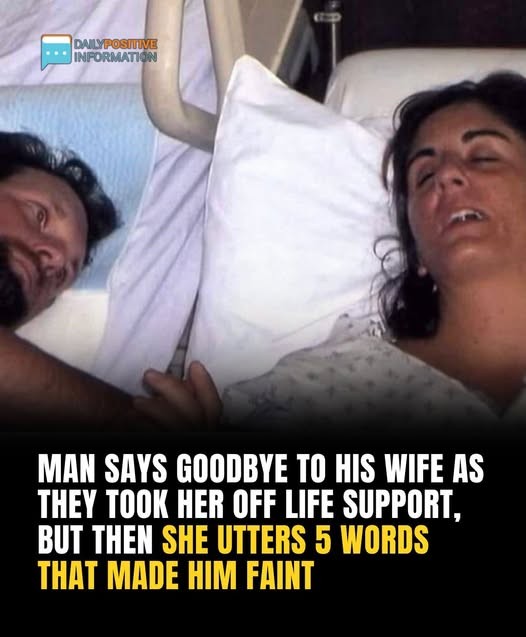
On an ordinary Sunday morning, Ryan Finley’s life changed dramatically. What began as a typical day soon became a harrowing ordeal when Ryan found his wife, Jill, unresponsive. Alarmed by her lack of response, Ryan immediately dialed 911. The dispatcher helped guide him through performing CPR until emergency responders arrived. It was later determined that Jill had suffered cardiac arrest—a life-threatening event where the heart suddenly stops beating, cutting off blood flow to the brain and vital organs.
The Medical Emergency and Immediate Response
Cardiac arrest is a critical medical emergency. Immediate intervention is key to survival, and for Jill, the rapid actions of Ryan and the paramedics proved vital. Upon arrival at the hospital, doctors worked diligently to stabilize her condition. Cardiologists and neurologists assessed her prognosis, but the news was grave. Jill had slipped into a coma, a state of unconsciousness where the brain is unresponsive to external stimuli.
Doctors informed Ryan that Jill’s chances of recovery were slim. The severity of cardiac arrest often results in substantial brain damage due to oxygen deprivation. He was told bluntly by a physician, “You need to start praying.” This acknowledgment of limited medical options underscored the seriousness of Jill’s situation.
Two Weeks in the Balance: Family Support and Faith
Jill remained comatose for two weeks. During this period, family members and friends rallied around Ryan and Jill, offering support and prayers. One cousin brought a Bible, encouraging Ryan to read to Jill despite her unconscious state. Evidence from multiple studies suggests that familiar voices, sounds, and even reading aloud can provide comfort and potentially stimulate brain activity in comatose patients (source: Mayo Clinic).
Throughout these difficult days, Ryan held onto hope, continuing his vigil by Jill’s bedside. The emotional toll was immense, as he navigated uncertainty and received regular updates from the medical team.
Life Support Decisions: An Emotional Crossroads
After fourteen days with no signs of improvement, Jill’s doctors presented Ryan with a heartbreaking decision. They advised him to consider discontinuing life support, as the likelihood of Jill regaining consciousness seemed remote. This was a moment of profound agony; deciding to withdraw life-sustaining measures from a loved one is never straightforward.
Brain injury experts explain that a vegetative or unresponsive state after cardiac arrest can sometimes persist, but after two weeks, the probability of meaningful recovery typically diminishes considerably (source: American Heart Association). Ryan, knowing Jill’s values and wishes, ultimately agreed that removing life support was consistent with what she would want, particularly not wanting to live in a vegetative state.
The Astonishing Turnaround: Recovery Begins
Five hours after the decision to withdraw life support, the unimaginable occurred. A nurse called Ryan into Jill’s hospital room, saying, “She’s talking.” Ryan was understandably skeptical—he worried Jill might be confused or disoriented. Yet, Jill communicated clearly, instantly asking for comfort and expressing her desire to go home. She even requested a meal from her favorite Mexican restaurant, suggesting not only awareness but a clear return of memory and personality.
Ryan realized that Jill was not only awake; she was herself again. Though medical literature describes instances of unexpected awakening from comas, such events are exceedingly rare, particularly after a prolonged period and withdrawal of life support. Neurologists sometimes see recovery in cases where the brain retains some capacity for healing, though this depends on many factors including age, underlying health, and immediate response (source: Mayo Clinic).
Medical Insights: Cardiac Arrest, Coma, and Brain Recovery
Cardiac arrest compares differently to heart attack. In cardiac arrest, electrical malfunction causes the heart to stop, leading to sudden and often unexpected loss of consciousness. The chain of survival—immediate CPR, prompt defibrillation, and hospital care—directly determines the chances of survival and neurological recovery (source: American Heart Association).
Coma results from damage to specific areas of the brain, often caused by lack of oxygen during cardiac arrest. Recovery depends on whether key brain structures remain intact. Modern medicine uses therapeutic hypothermia, medications, and careful monitoring to minimize damage and optimize outcomes.
Despite sophisticated treatment, the statistics are sobering. According to the American Heart Association, fewer than 12% of patients who experience out-of-hospital cardiac arrest survive to hospital discharge, and an even smaller percentage recover without lasting neurological deficits. Jill’s story thus stands as a rare example. Her sudden awakening after such a long coma, especially post-life-support withdrawal, has been described as miraculous.
The Human Spirit: Emotional and Social Ramifications
The recovery process was far from immediate. Jill faced significant challenges, needing to relearn basic tasks and gradually regain her independence. Rehabilitation included physical therapy, occupational therapy, and psychological support. Ryan, having nearly lost his wife, became even more attentive. He regularly checks on Jill, reflecting the lasting emotional effects and the evolving nature of their relationship.
Psychologists emphasize the emotional impact on families when loved ones survive critical illness against the odds. Hope, faith, and resilience play essential roles in coping. Many families report stronger bonds and a renewed sense of gratitude after such experiences (source: Mayo Clinic).
Faith, Hope, and Scientific Debate
Ryan has been outspoken in his belief that divine intervention played a role in Jill’s recovery. Whether one views the events through a spiritual or a medical lens, Jill and Ryan freely acknowledge the power of hope and faith in their journey. Jill herself supports Ryan’s difficult decision regarding life support, emphasizing her wish not to live in a vegetative state.
Medical ethicists often discuss the role of family values and beliefs in end-of-life decisions. Shared decision-making helps ensure that patient autonomy is respected even when patients cannot directly communicate their wishes. Advances in intensive care have improved survival rates, but difficult choices persist.
Cases like Jill’s occasionally contribute to ongoing scientific investigation. While spontaneous recovery is rare, researchers have explored factors such as residual brain activity, neuroplasticity, and the effects of sensory stimulation. More research is needed to explain such extraordinary outcomes.
International and Societal Reactions
Stories like Jill and Ryan’s resonate with people globally. News outlets, medical organizations, and support groups often highlight remarkable recoveries as sources of hope for others facing similar challenges. Such stories can prompt awareness campaigns about cardiac arrest, emergency response, and organ donation.
Societal reactions typically blend admiration, curiosity, and inspiration. Many healthcare professionals emphasize the importance of education regarding CPR—prompt recognition and response is proven to save lives. Community training programs and public access defibrillators are promoted worldwide to improve survival statistics (source: Mayo Clinic).
Support groups for families of patients with coma or cardiac arrest frequently share such stories to encourage perseverance and hope.
Lessons and Legacy: A Story of Endurance
Jill and Ryan’s journey illustrates the unpredictable nature of medicine, the importance of immediate action during emergencies, and the resilience of the human spirit. For families, their story is a powerful reminder to cherish loved ones and to advocate for patient wishes and values in critical moments.
For medical professionals, it reinforces the need for ongoing research into coma, cardiac arrest, and pathways to recovery. It also highlights the crucial role of compassionate care, support, and communication during difficult times.
Ultimately, Jill’s recovery stands as a testament to hope, love, and the unexpected potential within every human being. Their experience reminds us that while science drives medical advances, patient stories and personal strength remain essential components of healing.
Sources
Disclaimer: This content is intended for entertainment purposes only and is not based on real events.