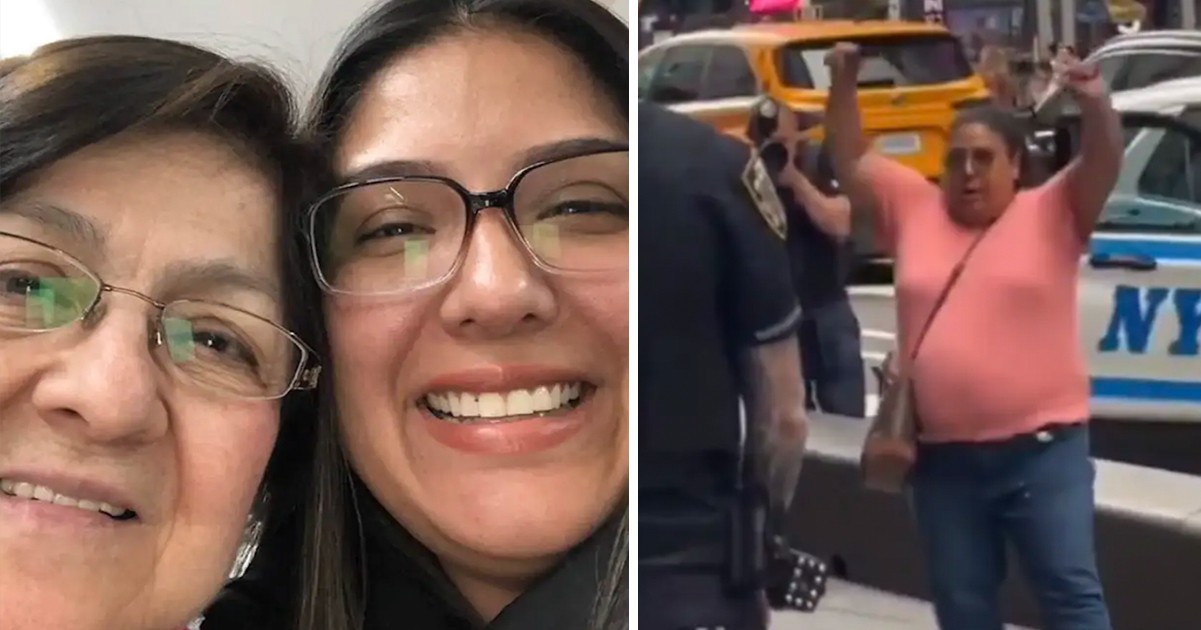
Pamela Cisneros, 49, Shot and Killed by Police After Alleged Attack in Times Square, New York
The Times Square Incident: A Closer Look
On Monday, Times Square—one of the most iconic and bustling tourist destinations in New York City—became the site of a tragic and violent incident. Pamela Cisneros, 49, a resident of Queens, allegedly attacked two individuals using large kitchen knives pulled from a Target shopping bag. According to police reports and eyewitness accounts, the victims included Erin Piacenti, 32, who later died at the hospital, and Tak Kam, 68, who survived after suffering stab wounds to his abdomen. In the aftermath, responding officers confronted Cisneros and fatally shot her, ending the attack but raising questions about the handling of the situation.
Sequence of Events
The attack began around midday, when Cisneros approached the two victims in the midst of Times Square’s heavy foot traffic. Security camera footage and witness statements indicate she drew two kitchen knives from a bag—allegedly targeting strangers at random. Police were quickly alerted and responded within minutes. Despite their rapid arrival, Cisneros managed to inflict fatal injuries on Piacenti and seriously wound Kam.
Officers reportedly issued verbal commands for Cisneros to drop her weapons. When she refused and appeared to advance toward both the officers and other bystanders, police discharged their firearms, causing her death at the scene. Emergency medical teams transported both victims to nearby hospitals; Piacenti succumbed to her injuries, while Kam received urgent treatment.
Law Enforcement Response and Public Debate
The police response, particularly the use of lethal force, has ignited debate about protocols for handling individuals experiencing mental health crises. Cisneros’ mother, speaking to Fox 5 News and requesting anonymity, questioned whether alternative measures—non-lethal restraint or de-escalation techniques—might have prevented her daughter’s death. “There were so many police… why didn’t they grab her by the arm?” she asked, voicing the heartbreak and confusion felt by many in the aftermath.
The New York Police Department (NYPD) has stated that officers acted to prevent further harm to bystanders and themselves, given that Cisneros was still armed and posed an ongoing threat. According to police guidelines, officers are trained to use deadly force only when absolutely necessary to protect life. In high-adrenaline and fast-moving situations, such as the Times Square attack, officers have only seconds to assess risk and react.
Pamela Cisneros’ Mental Health History
Cisneros, according to her brother and other family members, had a documented history of mental health issues, including bipolar disorder. She had received treatment and was known to authorities because of previous incidents related to her mental health struggles. In 2018, Cisneros was found intoxicated and shouting along Lexington Avenue, prompting police intervention. Several months later, she attempted suicide by jumping in front of an E train in Queens, an event that further underscored her struggles.
Despite these incidents, her family maintained that there was little indication Pamela Cisneros posed a threat of violence toward others. Just days before the attack, she reportedly assured her loved ones she was “fine.” This pattern of unpredictable behavior is not uncommon in complex mental health cases, and underlines the importance of early detection and ongoing support.
Mental Health, Public Safety, and Support Systems
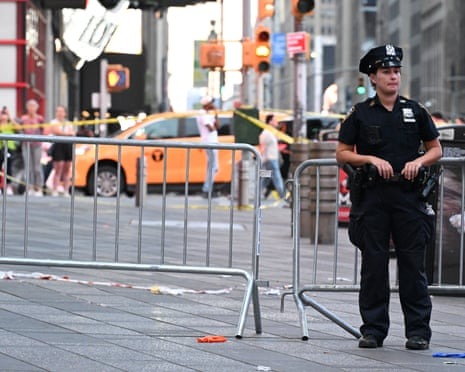
The tragedy has renewed calls for improved approaches to mental health in both New York City and across the United States. Experts from the National Alliance on Mental Illness (NAMI) and the American Psychological Association (APA) emphasize the need for comprehensive support, including accessible mental health care, crisis response teams trained in de-escalation, and systemic collaboration between law enforcement and healthcare providers.
New York City, like many urban centers, has launched initiatives such as crisis intervention teams, which pair police officers with mental health professionals to respond to psychiatric emergencies. Although these programs have shown promise, incidents like the Times Square attack reveal gaps in public safety and mental health integration. Both families affected are left mourning and seeking answers, while the city reflects on the event’s lessons for future policy.
Community and Societal Reactions
The horror unfolding in Times Square has shocked both local residents and the wider public. Times Square is a symbol of New York’s vibrancy, attracting millions of visitors annually. That such violence occurred during daylight hours has prompted concerns about urban safety, the prevalence of untreated mental illness, and the adequacy of emergency responses.
Local leaders, including Mayor Eric Adams, have expressed condolences and commitment to addressing mental health and public safety. “Our hearts go out to the victims and their families,” the Mayor’s office stated. Advocacy groups have renewed demands for more mental health funding, community outreach, and for police officers to receive expanded crisis intervention training.
Expert Views on Law Enforcement and Mental Health Response
Experts in law enforcement and psychology believe that specialized training in mental health crises is key to preventing tragic outcomes. Dr. Ruth Shim, Professor of Psychiatry at the University of California–Davis, asserts that understanding and swiftly identifying mental illness behaviors can help officers choose safe and non-lethal interventions. “Police officers must be equipped not only with physical tools, but with knowledge and empathy to assess and respond,” she notes.
The development of non-lethal restraint options, including tasers and physical grappling, are already part of some police departments’ protocols. However, training and readiness can vary widely. Dr. Shim and other advocates highlight the importance of community-based mental health services, which can prevent crises and reduce the reliance on police intervention.
International Attention and Comparative Approaches
The Times Square incident has drawn global attention due to the location’s prominence and the wider issue of law enforcement’s role in mental health crises. Countries such as the United Kingdom and Australia have invested in mental health crisis teams—often comprising social workers and trained police—which prioritize non-lethal responses. Comparative studies published in journals such as The Lancet suggest that outcomes for individuals in crisis improve when law enforcement collaborates closely with health professionals.
UN agencies and international health organizations recommend a model combining public health, social services, and law enforcement. As more cities adopt these integrated models, the hope is to reduce fatalities and improve support for people struggling with mental illness.
Impact on Victims and Families
The aftermath of the Times Square attack has left two families in deep grief: Erin Piacenti’s loved ones mourn her loss, while Tak Kam and his family contend with injury and trauma. The Cisneros family is experiencing the dual burden of mourning Pamela’s death and coping with the public nature of the tragedy. The psychological impact of violence, including feelings of shock, anger, and confusion, is widely recognized by mental health professionals. Victim support organizations in New York have reached out to offer counseling and resources.
Reflections and Forward-Looking Solutions
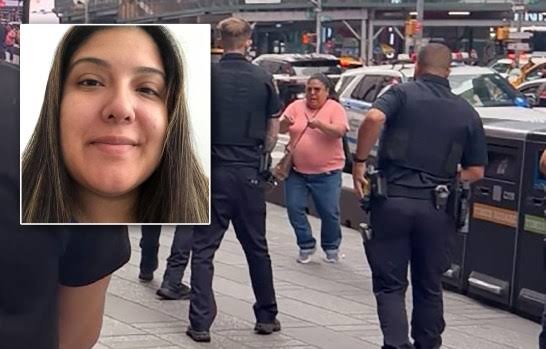
Addressing the intersection of mental illness and public safety is an ongoing challenge. The city of New York, in partnership with advocacy groups, has pledged investigations into the event and renewed commitments to mental health reform. Experts recommend increased investment in prevention, regular training for police officers, more robust crisis intervention programs, and support for affected families.
Ultimately, the tragic case of Pamela Cisneros and its consequences in Times Square highlights the complexity of mental health crises in public spaces. Only through partnership between law enforcement, healthcare providers, social services, and communities can tragedies like this be prevented and managed in ways that are safer, more compassionate, and ultimately more effective.
Sources
- Reuters
- BBC
- The Guardian
- Fox 5 News
- The New York Times
- National Alliance on Mental Illness (NAMI)
- American Psychological Association (APA)
- World Health Organization (WHO)
Disclaimer: This content is intended for entertainment purposes only and is not based on real events.