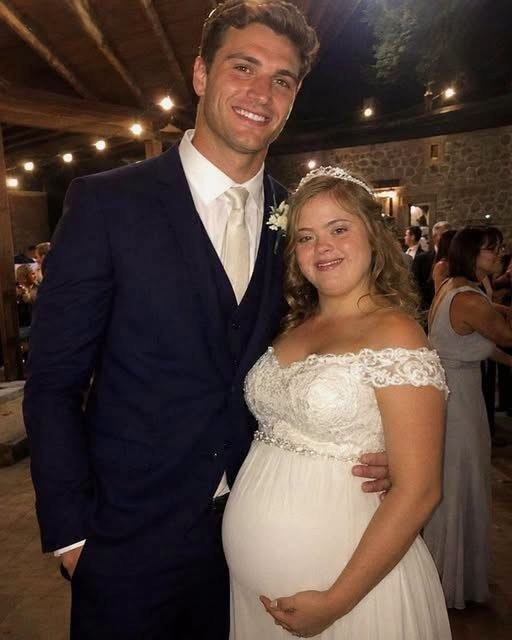
A Family’s Journey: Living With Down Syndrome
My sister Rosie was born with Down syndrome, and from her earliest years, our family’s journey was shaped by a profound mixture of joy, challenges, and love. Growing up, I observed the wide range of ways people responded to Rosie—some with kindness and patience, but too often, with hesitation or misunderstanding. While society has made strides in awareness and inclusion of people with Down syndrome, stories like Rosie’s remind us that the path toward true acceptance is still ongoing.
Throughout her life, Rosie had a core family surrounding her with support. Yet, the world beyond our home was not always as accepting. My parents and I advocated for her in school, in recreational programs, and in social groups. We watched Rosie meet the world with optimism, showing resilience and enthusiasm in the face of obstacles many take for granted.
The Power of Lasting Friendship: Ben’s Role
Among Rosie’s friends, one stood out from the beginning: my best friend, Ben. Unlike others who sometimes hesitated to interact with Rosie, Ben treated her as an equal and cherished friend. He involved her in group activities, ensured she felt included in conversations, and always protected her from hurtful remarks—both subtle and direct. Ben’s unwavering kindness toward my sister set an example not only for our friend group but for the entire community.
What made Ben unique was how instinctively he included Rosie, never seeing her as “different” or “less than.” He became a constant in her world, and it was clear that his friendship was never forced or motivated by pity. When we were young, amidst laughter and childhood adventures, Ben jokingly promised Rosie that he would take her to prom one day. Everyone in our family noticed their special bond. In retrospect, this promise planted the seeds for a deeper connection that would shape all our lives.
From Friendship to Love: The Unconventional Proposal
Years passed, and as we grew into young adults, those around us assumed that Ben and I would one day become a couple. Our families were close, and it seemed like a natural evolution to everyone—except Ben and me. In an unexpected turn of events, Ben asked Rosie to marry him.
The proposal surprised many, but not for the reasons some might think. Ben’s love for Rosie was sincere, deeply rooted in years of understanding, companionship, and shared experiences. He had always seen the remarkable individual my family treasured. When he declared his intention to marry Rosie instead of me, happiness overwhelmed me. It was a testament to the unique, exceptional connection they shared—a bond of love, mutual respect, and genuine care.
Their wedding was a joyful celebration of love conquering the expectations and limitations that society can sometimes impose on individuals with disabilities. Friends, family, and even acquaintances witnessed the deep affection Ben and Rosie held for each other, inspiring many to re-examine their own preconceptions about romantic relationships involving people with Down syndrome.
A New Chapter: Pregnancy and Unexpected Challenges
When Rosie later announced her pregnancy—with twins—our entire family felt a surge of excitement and anticipation. Doctors monitored her closely, recognizing that pregnancies involving mothers with Down syndrome present certain medical complexities. Yet, Rosie’s determination and Ben’s unyielding support carried them through the initial months with hope.
As the pregnancy progressed, however, complications arose. At 34 weeks, Rosie was rushed to the hospital in a critical condition. Medical staff cautioned us that we might face the unthinkable; their fight was not only for the lives of the unborn twins, but for Rosie’s safety as well. The hospital waiting room turned into a space of anxious prayers and supportive embraces.
Ben’s Unwavering Strength in Crisis
During this life-and-death ordeal, Ben never left Rosie’s side. His resilience and devotion were evident to everyone. Medical professionals advised family members to prepare for any outcome. In the tension-filled moments before Rosie’s emergency surgery, Ben pulled me into an empty hallway, emotion written across his face.
He held my hands tightly and, fighting back tears, shared with me that Rosie had asked him to reveal something only if she didn’t survive the operation. The gravity of his words was unmistakable. My mind swirled with uncertainty, fearing hidden motives or family secrets. Was there something about our inheritance? Had Ben married Rosie for financial gain? Or was it another reason entirely?
The Letter That Changed Our Lives
Ben seemed to anticipate my confusion and concern. With trembling hands, he handed me a folded sheet of paper from his jacket. He warned, “It’s much worse than you think—you’d better sit down.” As I opened the note, anxiety gripped me. What had my sister written in her own hand before going into surgery?
The first lines revealed a truth that forever altered my understanding of the life and love Ben and Rosie shared. As I read Rosie’s words, clarity replaced fear. She spoke openly and honestly about her relationship with Ben—the challenges they faced, the profound joys of being accepted unconditionally, and the courage it took for both of them to publicly declare their love despite societal doubts and stigma.
Far from a tale of hidden agendas or family secrets, Rosie’s letter was a testament to the strength of chosen love, deliberate partnership, and mutual acceptance. In her words, she explained that Ben saw her not solely as someone to protect but as a whole person—his equal, his companion, and his love. Their marriage was built on more than childhood promises or familial proximity; it was the result of a shared journey, shaped through adversity and sustained by honest communication, compassion, and trust.
Dismantling Stereotypes and Embracing Inclusion
Rosie and Ben’s story highlights the need for a broader societal understanding of individuals with Down syndrome and other intellectual disabilities. Relationships, parenthood, and autonomy for people with Down syndrome remain subjects of ongoing research and evolving social perspectives. Organizations like the National Down Syndrome Society (NDSS) and the Global Down Syndrome Foundation emphasize the importance of supporting autonomy, informed choices, and accessible medical care for adults with Down syndrome.
Culturally, couples like Rosie and Ben are helping to challenge long-held misconceptions. Their experiences model the reality that love, agency, and happiness are not exclusive to those without disabilities. In recent years, increasing numbers of couples with at least one partner who has Down syndrome have shared their stories in the media, advocating for a new narrative centered on respect, agency, and inclusion.
Medical and Ethical Considerations in Maternal Health
Pregnancies involving women with Down syndrome, while rare, are becoming more common as health outcomes and support services improve. These pregnancies carry certain medical risks, including a heightened chance of premature birth, preeclampsia, and other complications. Medical guidelines from organizations such as the American College of Obstetricians and Gynecologists emphasize the importance of tailored prenatal care and collaborative decision-making between families, healthcare providers, and the individual herself.
Ethical and legal perspectives stress respecting the autonomy and rights of parents with intellectual disabilities. Research published in peer-reviewed journals, including those supported by the World Health Organization, highlights positive outcomes for children and families when robust social and medical supports are provided. Rosie’s experience is a testament to the progress achieved and the work that remains in advocating for comprehensive, individualized care.
The Power of Family, Friendship, and Unconditional Love
The days and nights that followed Rosie’s surgery were among the most challenging moments our family has ever faced. Yet, through every hardship, the power of unwavering support became more evident. Ben’s commitment, my family’s love, and Rosie’s own courage illuminated a path through uncertainty and pain. Rosie’s letter was not a confession of hidden motives or regrets—it was a declaration of her capacity to love, make decisions, and chart her own destiny.
In time, our family would celebrate not only Rosie’s recovery and the birth of her twins but also a deeper understanding of acceptance and partnership. The lessons we learned have reached beyond our circle, influencing friends, neighbors, and community members to view disability from a place of respect and empathy.
Lessons Learned: Advocacy, Empathy, and Social Change
Rosie and Ben’s journey teaches us that authentic relationships often emerge in unexpected ways. Genuine inclusion means more than making space—it requires listening, believing, and supporting individuals in expressing their choices. Their love story is not just about two people overcoming obstacles; it is a mirror reflecting the progress and remaining gaps in our collective views on disability, autonomy, and belonging.
As organizations, legal systems, and healthcare providers continue to adapt practices to better serve people with Down syndrome and their families, stories like Rosie’s and Ben’s matter. They ground policy recommendations in lived reality and inspire new generations to act with greater empathy, advocacy, and understanding.

Conclusion
Ultimately, the reasons behind Rosie and Ben’s marriage, and the secret disclosed in her letter, revealed nothing sinister or hidden. Instead, they spotlighted the transformative power of empathy, courage, and chosen family. Today, Rosie, Ben, and their children represent the possibility of a more inclusive world, one where every person’s worth and right to participate fully in love, family, and community is recognized without reservation.
Sources
Disclaimer: This content is intended for entertainment purposes only and is not based on real events.