
You are sleeping peacefully.
Then suddenly, your calf tightens.
The muscle feels as though it has turned into a hard knot, and before you are fully awake, you’re already reaching for your leg.
You try to move.
That makes it worse.
For several seconds—or sometimes several minutes—you are completely focused on one thing: trying to make the pain stop.
Nighttime leg cramps can be surprisingly intense. They often appear without warning, interrupt sleep, and leave the affected muscle feeling sore afterward.
For most people, an occasional cramp is not a reason to panic.
But if the episodes happen frequently, last a long time, or appear alongside other symptoms, they may be worth discussing with a healthcare professional.
So why do these painful spasms happen in the first place?
What Are Nighttime Leg Cramps?
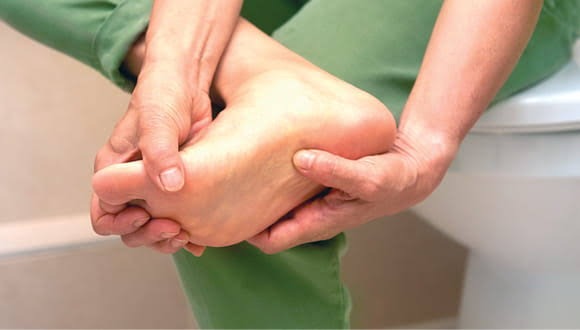
Nocturnal leg cramps are sudden, involuntary contractions of muscles that occur during sleep or while resting.
They most commonly affect the calf muscles, although the feet and thighs can also be involved.
During a cramp, the affected muscle suddenly tightens and may feel unusually hard.
The episode can last only a few seconds or continue for several minutes.
Afterward, the area may remain tender or uncomfortable.
Unlike normal muscle movement, a cramp isn’t something you consciously choose to do.
The muscle contracts involuntarily and can be difficult to relax until the episode passes.
Because the body is resting when nighttime cramps occur, the sudden pain can feel particularly dramatic.
One moment you’re asleep.
The next, you’re wide awake.
Why Do Leg Cramps Happen at Night?

There isn’t always one obvious cause.
In many cases, nighttime leg cramps are considered idiopathic, meaning the exact reason isn’t known.
Several factors, however, can increase the likelihood of experiencing them.
Muscle fatigue, prolonged sitting, changes in activity levels, dehydration, certain medications, pregnancy, and age can all be associated with leg cramps.
Sometimes more than one factor is involved.
For example, someone who exercises intensely, doesn’t drink enough fluids, and goes to bed with tired muscles may be more likely to experience a cramp than usual.
That doesn’t necessarily mean something is medically wrong.
The body can simply become more susceptible to involuntary muscle contractions under certain conditions.
Age Can Increase the Risk

Getting older is one factor associated with nighttime leg cramps.
As people age, muscle mass and physical activity patterns can change.
Nerve and muscle function can also change over time.
These changes may make nighttime cramps more common, particularly in older adults.
That doesn’t mean every cramp after a certain age is a warning sign.
It simply means that age is one of several factors that can influence how frequently these episodes occur.
Regular movement, appropriate physical activity, stretching, and good hydration can support overall muscle function.
Pregnancy Can Bring More Cramps
Pregnancy is another situation in which leg cramps can become more noticeable.
Pregnancy involves major changes throughout the body.
Blood volume changes.
The growing uterus can place pressure on surrounding structures.
Body weight and posture change.
Nutritional requirements also increase.
Some pregnant people experience painful leg cramps, particularly later in pregnancy.
If cramps are frequent or unusually severe during pregnancy, it is worth mentioning them to a healthcare professional.
Pregnancy-related symptoms can have many explanations, and professional guidance is more useful than assuming a particular vitamin or mineral is responsible.
Exercise Can Help—and Sometimes Contribute

Physical activity is generally beneficial for health and can support healthy muscles.
However, sudden changes in exercise intensity can leave muscles fatigued.
A person who goes from little activity to a demanding workout may notice muscle soreness or cramping afterward.
The same can happen when someone exercises for a long time without adequate rest.
This doesn’t mean you should avoid exercise.
Instead, gradual progression is usually more sensible.
Warm up before demanding activity.
Give your muscles enough recovery time.
And if you notice that cramps repeatedly occur after a particular type of workout, consider discussing your exercise routine with a qualified professional.
Dehydration and Electrolytes
Fluid balance can also play a role in muscle function.
The body relies on fluids and electrolytes to support normal nerve and muscle activity.
Electrolytes include substances such as sodium, potassium, calcium, and magnesium.
Significant losses of fluids and electrolytes—for example, through heavy sweating—can contribute to muscle problems in some situations.
However, it’s important not to assume that every nighttime cramp means you have a magnesium or potassium deficiency.
The causes of muscle cramps are often more complicated.
Taking supplements without knowing whether you actually need them isn’t necessarily helpful and can sometimes create other problems.
A balanced diet and adequate hydration are usually a better starting point.
Could Your Medication Be Contributing?
Certain medications can increase the likelihood of muscle cramps in some people.
Diuretics, for example, affect fluid and electrolyte balance.
Some medications used to manage blood pressure or other health conditions may also be associated with muscle symptoms.
If you began experiencing frequent cramps after starting a new medication, don’t immediately stop taking it.
Instead, speak with your doctor or pharmacist.
They can review the medication, dosage, timing, and other factors and determine whether an adjustment is appropriate.
Never change a prescribed medication on your own simply because you suspect it may be causing cramps.
Health Conditions Can Sometimes Be Involved
Occasionally, frequent leg cramps can occur alongside certain health conditions.
These may include problems affecting nerves, blood flow, metabolism, or muscle function.
For example, diabetes can affect nerves and circulation over time.
Certain thyroid disorders can also affect muscles and the way the body functions.
Circulation problems may contribute to discomfort or cramping in some people.
But a nighttime leg cramp by itself does not diagnose any of these conditions.
This distinction is important.
A symptom can have many possible causes, and common symptoms often occur in otherwise healthy people.
The reason to seek medical advice is not because every cramp is dangerous.
It’s because persistent or unusual symptoms deserve proper evaluation.
What Should You Do When a Cramp Happens?
When a leg cramp suddenly wakes you up, the immediate goal is to encourage the muscle to relax.
If you can do so comfortably, gently stretch the affected muscle.
For a calf cramp, slowly straightening the leg and bringing the toes toward you may help.
Standing and putting gentle weight on the affected leg can also help some people.
Another option is gentle massage of the cramped muscle.
The key word is gentle.
Trying to forcefully stretch or aggressively massage a painful muscle can make the experience more uncomfortable.
Give the muscle time to release.
Once the cramp passes, gentle movement may help the area relax.
Stretching Before Bed May Help
If nighttime cramps happen regularly, adding gentle stretching to your evening routine may be worth trying.
A simple calf stretch against a wall can help maintain flexibility.
You can also gently stretch the backs of your legs and feet.
The goal isn’t to perform an intense workout before bed.
Instead, think of it as giving your muscles a few calm minutes to loosen before you lie down.
Consistency matters more than intensity.
A short, comfortable routine performed regularly may be more useful than occasional aggressive stretching.
Stay Hydrated Throughout the Day
Hydration is another simple habit worth paying attention to.
Instead of drinking a large amount of water immediately before bed, try to maintain reasonable fluid intake throughout the day.
Your needs vary depending on factors such as temperature, physical activity, diet, and overall health.
If you’ve been sweating heavily, replacing fluids becomes particularly important.
People with certain medical conditions may have specific fluid restrictions, so individualized medical advice should take priority over general hydration recommendations.
Eat a Balanced Diet
Muscles need a variety of nutrients to function normally.
A balanced diet that includes fruits, vegetables, whole grains, legumes, dairy or appropriate alternatives, and protein-rich foods can help provide many of the nutrients involved in normal muscle function.
Foods containing potassium include bananas, potatoes, beans, and several fruits and vegetables.
Calcium can be found in dairy products and fortified alternatives, among other foods.
Magnesium is present in foods such as nuts, seeds, legumes, and whole grains.
But food is generally preferable to randomly taking supplements.
If you suspect a nutritional deficiency, a healthcare professional can help determine whether testing or supplementation is appropriate.
Does Sleeping Position Matter?
For some people, the position of the feet during sleep may contribute to calf discomfort.
Keeping the toes pointed downward for long periods can place the calf in a shortened position.
Some people notice cramps when their feet are positioned this way.
Experimenting with a more neutral foot position may help.
The simplest approach is to pay attention to patterns.
If cramps consistently occur after sleeping in a particular position, adjusting your posture may be worth trying.
Keep a Simple Cramp Diary
If your cramps are becoming frequent, you don’t have to rely on memory alone.
For a few weeks, write down:
-
When the cramp happened
-
Which muscle was affected
-
How long it lasted
-
What you did during the day
-
Exercise or unusually intense activity
-
Approximate fluid intake
-
Medications and supplements
-
Any other symptoms
Patterns may become easier to recognize.
For example, you might discover that cramps consistently follow particularly demanding workouts.
Or perhaps they started shortly after a medication change.
This information can also be useful if you eventually speak with a healthcare professional.
When Should You See a Doctor?
Most occasional nighttime leg cramps are not emergencies.
However, persistent or unusually severe symptoms deserve attention.
Consider speaking with a healthcare professional if cramps:
-
Happen frequently and repeatedly disturb your sleep
-
Are becoming more severe
-
Last unusually long
-
Occur alongside significant muscle weakness
-
Are associated with persistent swelling
-
Occur with numbness or other unusual sensations
-
Begin after starting a new medication
-
Are interfering with normal daily activities
Sudden leg swelling, significant pain, skin color changes, or other concerning symptoms should also be evaluated promptly because they may have causes unrelated to ordinary muscle cramps.
The important thing is not to diagnose yourself from a single symptom.
A healthcare professional can consider the full picture, including your medical history, medications, physical activity, and other symptoms.
Don’t Automatically Blame Magnesium
One of the most common pieces of advice surrounding nighttime cramps is to take magnesium.
Magnesium is important for normal muscle and nerve function.
But that doesn’t mean magnesium supplements will automatically solve every cramp.
If your magnesium level is normal, taking more isn’t necessarily the answer.
The same applies to potassium and calcium.
Electrolytes are essential, but muscle cramps can have many causes.
A balanced approach is better than assuming one mineral explains everything.
What Your Body May Actually Be Telling You
A nighttime leg cramp doesn’t always carry a hidden message.
Sometimes it’s simply an unpleasant muscle contraction that happens without an obvious explanation.
But recurring symptoms can be useful reminders to pay attention to your overall health.
Are you sleeping enough?
Have you suddenly increased your exercise?
Are you drinking enough fluids?
Did you recently start a medication?
Are there other symptoms that you’ve been ignoring?
These questions don’t mean that something is necessarily wrong.
They simply encourage you to look at the bigger picture.
A Painful Wake-Up With a Simple Message
Few things are more effective at waking you up than a sudden muscle cramp.
One second you’re dreaming.
The next, you’re sitting upright, grabbing your calf and wondering why your body has decided to interrupt the night.
For most people, an occasional episode is simply an unpleasant part of being human.
But frequent cramps shouldn’t be ignored indefinitely.
Good hydration, regular movement, gentle stretching, adequate nutrition, and gradual changes in exercise may all support healthier muscle function.
And when cramps keep returning—or appear alongside symptoms such as weakness, swelling, numbness, or significant changes in the affected leg—professional medical advice can help determine what is really happening.
Your body doesn’t always communicate through dramatic symptoms.
Sometimes, it simply wakes you up in the middle of the night with a painful reminder to pay attention.
Sources
-
Cleveland Clinic — Information on leg cramps, causes, symptoms, and treatment.
-
Mayo Clinic — Medical guidance on muscle cramps and when to seek care.
-
MedlinePlus — Information on muscle cramps and related conditions.
-
National Institute on Aging — Information on healthy aging, physical activity, and muscle health.
-
National Institutes of Health Office of Dietary Supplements — Evidence-based information on magnesium, potassium, and calcium.