The position you sleep in may seem like a small detail, but it can influence how comfortable you feel throughout the night.
For people who experience nighttime acid reflux, the side they sleep on may be particularly important. Research and clinical guidance suggest that sleeping on the left side can reduce nighttime reflux symptoms for some people.
The position may also be recommended during certain stages of pregnancy because of the way side sleeping affects comfort and circulation.
But some popular claims about left-side sleeping—such as “detoxifying the liver” or dramatically improving lymphatic drainage—are not supported by strong evidence.
So, what does science actually say about sleeping on your left side?
Sleeping on Your Left Side May Help With Heartburn
One of the strongest reasons people are encouraged to try left-side sleeping is acid reflux.
When you have gastroesophageal reflux disease, commonly called GERD, stomach contents can flow backward into the esophagus.
This can cause symptoms such as:
-
Heartburn
-
A sour taste in the mouth
-
Regurgitation
-
Chest or upper abdominal discomfort
-
Coughing or throat irritation at night
Body position can influence how easily stomach contents move toward the esophagus.
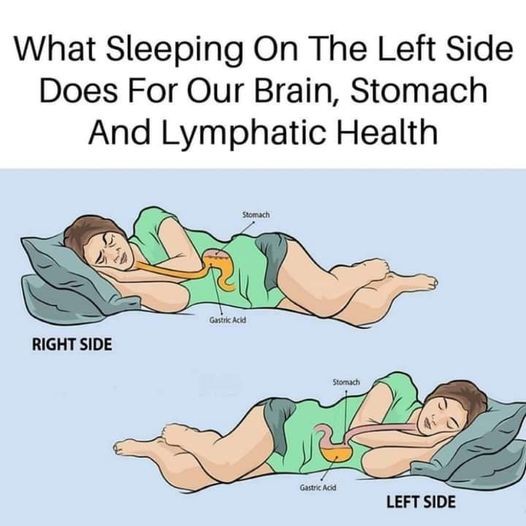
For some people, sleeping on the left side appears to reduce nighttime reflux compared with sleeping on the right side.
Why Does the Left Side Make a Difference?
The stomach and lower esophagus have a particular anatomical relationship.
When you lie on your left side, the position of the stomach can make it more difficult for stomach contents to move upward into the esophagus.
By contrast, lying on the right side may allow stomach contents to reach the lower esophageal area more easily in some people.
This is one reason people with nighttime reflux are often advised to experiment with left-side sleeping.
The effect isn’t identical for everyone, but it can be a simple, non-medication strategy worth trying.
Left-Side Sleeping and Pregnancy
Pregnant women may also hear recommendations about sleeping on their side, particularly later in pregnancy.
As the uterus becomes larger, lying in certain positions can become uncomfortable.
Side sleeping can help improve comfort and may reduce pressure associated with the growing uterus.
For many pregnant people, either side may be comfortable and appropriate.
Historically, the left side has often been emphasized because of concerns about circulation and pressure on major blood vessels.
However, modern pregnancy guidance generally focuses more broadly on getting comfortable side-sleeping rather than treating the left side as the only safe position.
If you are pregnant and have concerns about your sleeping position, your obstetrician or midwife can provide advice based on your individual circumstances.
What About the Liver and Spleen?
Some online articles claim that sleeping on the left side dramatically improves liver and spleen function.
These claims should be treated cautiously.
Your liver does not require a particular sleeping position to “detoxify” your body.
The liver naturally performs complex metabolic and detoxification functions continuously, regardless of whether you sleep on your left or right side.
Likewise, there is not strong clinical evidence showing that left-side sleeping makes the spleen significantly more efficient at filtering impurities.
The body’s organs continue functioning throughout the night regardless of which side you choose.
That doesn’t mean body position has no physiological effects.
It simply means that claims about “cleansing” or “detoxifying” the liver and spleen through a particular sleeping position go beyond what current evidence can confidently support.
Does Left-Side Sleeping Improve Lymphatic Drainage?
Another popular claim is that sleeping on the left side dramatically improves lymphatic drainage.
The lymphatic system is an important part of the body’s immune and fluid-management systems.
Some explanations online connect left-side sleeping with the thoracic duct, a major lymphatic vessel that returns lymphatic fluid to the bloodstream.
However, there is not enough high-quality evidence to conclude that simply sleeping on your left side significantly “flushes toxins” from the body.
Your lymphatic system is continuously functioning whether you sleep on your left side, right side, back, or another comfortable position.
Rather than focusing on supposed overnight detoxification, it is more useful to think about sleep position in terms of comfort, reflux, breathing, pregnancy, and individual health conditions.
What Is the Best Sleeping Position?
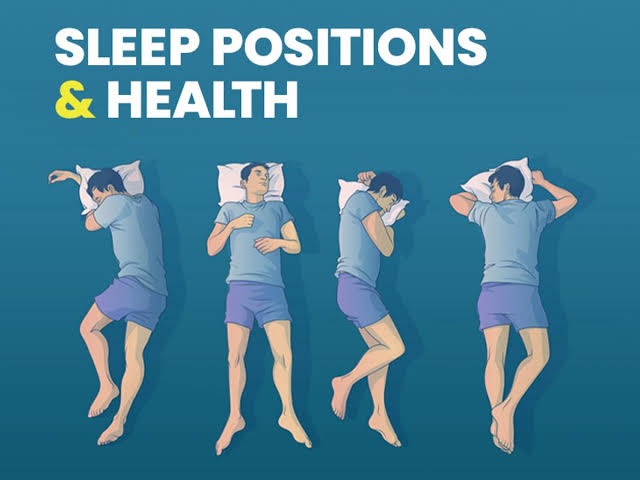
There is no single sleeping position that is perfect for everyone.
The best position depends on your body, health conditions, comfort, and personal preference.
Sleeping on Your Back
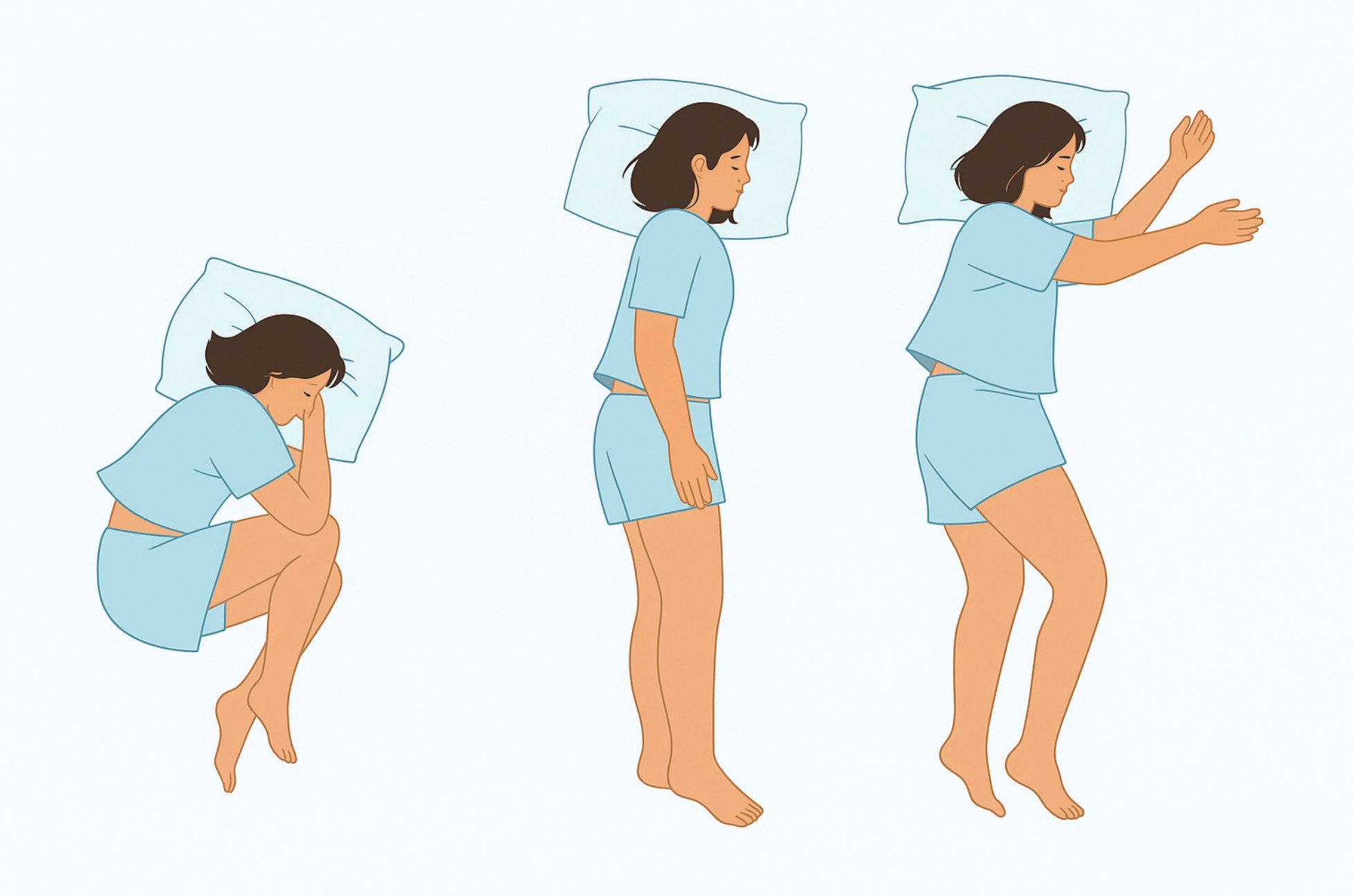
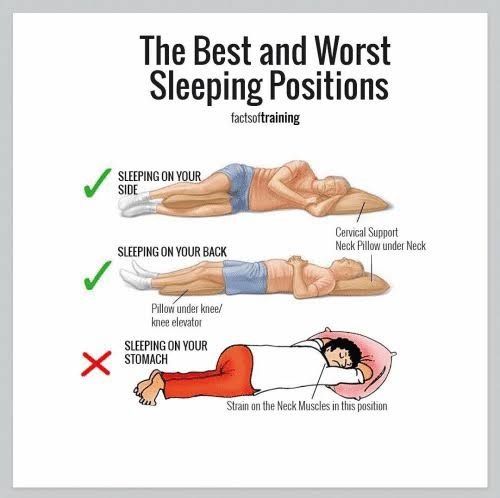
Sleeping on the back can be comfortable and allows the spine to remain relatively neutral when properly supported.
However, it can worsen snoring or obstructive sleep apnea in some people because gravity can allow the tongue and other tissues to move toward the back of the throat.
People with significant snoring or suspected sleep apnea should discuss their symptoms with a healthcare professional.
Sleeping on Your Left Side
Left-side sleeping may be particularly useful for people who experience nighttime acid reflux.
It can also be a comfortable option during pregnancy.
Some people may additionally find side sleeping helpful for reducing snoring compared with sleeping flat on their back.
Sleeping on Your Right Side
Right-side sleeping is perfectly comfortable for many people.
There is no general rule stating that everyone should sleep on the left.
However, people with frequent nighttime reflux may find that the right side makes their symptoms worse.
If you notice this pattern, switching to your left side may be worth trying.
Sleeping on Your Stomach
Some people naturally prefer sleeping on their stomach.
However, this position can place additional strain on the neck because the head must remain turned to one side.
If you regularly wake with neck or back discomfort, changing your sleep position or pillow arrangement may help.
Simple Ways to Reduce Nighttime Heartburn
Changing your sleeping position is only one possible strategy for managing nighttime reflux.
Other habits may also help.
Avoid Eating Immediately Before Bed
Going to bed soon after a large meal can make reflux more likely.
If nighttime heartburn is a recurring problem, leaving several hours between your evening meal and bedtime may help.
Elevate the Upper Body
For people with nighttime GERD, raising the upper part of the bed can sometimes reduce reflux.
A wedge or appropriate bed elevation is generally more useful than simply stacking several soft pillows, which can bend the body in a way that may not provide the same effect.
Identify Trigger Foods
Certain foods and drinks can worsen reflux symptoms for some people.
Common triggers may include:
-
Fatty meals
-
Spicy foods
-
Chocolate
-
Coffee
-
Alcohol
-
Large meals
Not everyone reacts to the same foods, so keeping track of your own symptoms can be useful.
Maintain a Healthy Weight
For people who are overweight, weight loss can sometimes improve GERD symptoms.
This is not because body weight determines whether someone deserves to experience reflux, but because excess abdominal pressure can contribute to stomach contents moving upward.
A healthcare professional can help determine an appropriate approach.
When Should You See a Doctor?
Occasional heartburn is common.
Frequent or persistent symptoms, however, should not simply be ignored.
Talk with a healthcare professional if you regularly experience heartburn, particularly if symptoms interfere with sleep or daily activities.
Seek urgent medical attention for symptoms such as severe or unexplained chest pain, especially when accompanied by shortness of breath, sweating, dizziness, or pain spreading to the arm, jaw, back, or shoulder.
Heartburn and heart-related chest pain can sometimes feel similar, so unusual or severe symptoms should be evaluated rather than automatically assumed to be acid reflux.
The Bottom Line
Sleeping on your left side isn’t a magical health treatment, and there is no strong evidence that it “detoxifies” your liver or dramatically cleanses your lymphatic system.
But there is a practical reason many people with nighttime reflux find the position helpful.
Left-side sleeping can reduce acid reflux symptoms for some people because of the anatomical position of the stomach and esophagus.
Side sleeping can also be a comfortable option during pregnancy and may help some people who experience snoring.
Ultimately, the best sleeping position is the one that allows you to sleep comfortably while taking your individual health needs into account.
If you frequently wake with heartburn, trying your left side may be a simple first step—but persistent symptoms deserve proper medical advice rather than relying solely on viral health claims online.