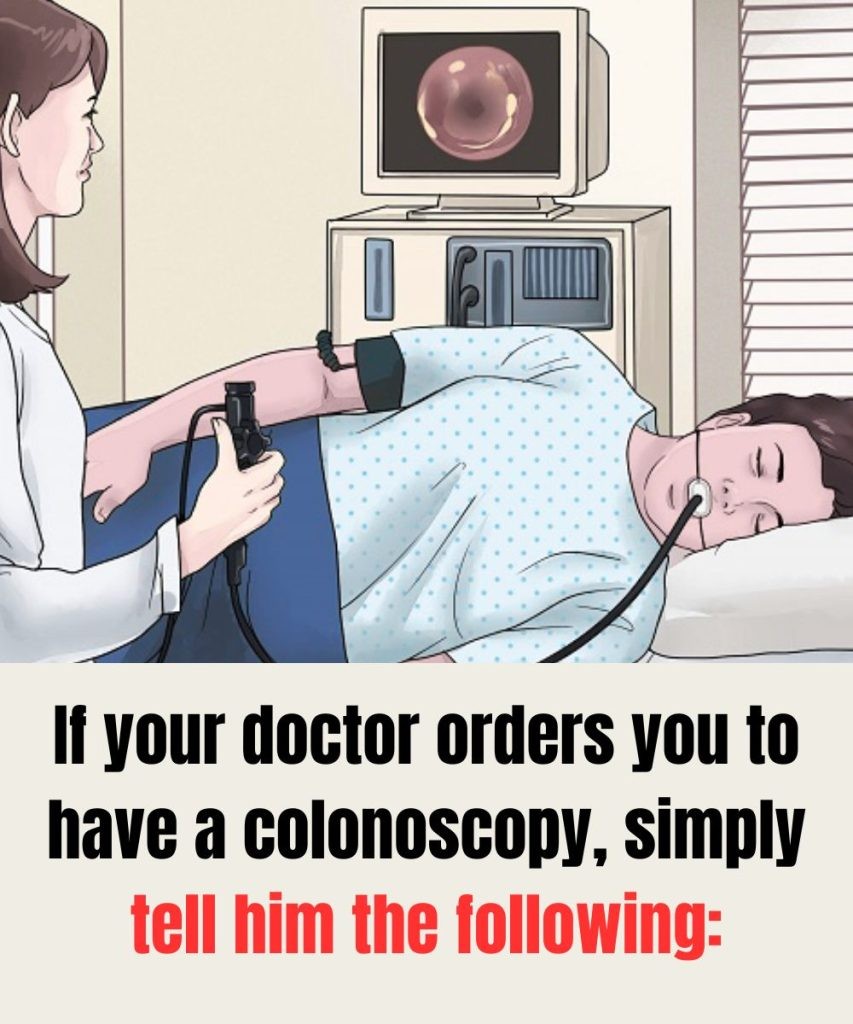
The word “colonoscopy” can make people uncomfortable before they even know what the procedure involves.
For some, the first thought is embarrassment.
For others, it is the preparation, the hospital setting, or the fear of discovering something unexpected.
Some people hear the word and immediately begin imagining the worst.
But there is another way to look at it.
A colonoscopy is not simply an uncomfortable medical appointment. It is a preventive health procedure that allows doctors to examine the inside of the large intestine and look for changes that may not cause noticeable symptoms.
That is one of the reasons doctors may recommend the procedure even when a person feels completely healthy.
The idea behind screening is relatively simple: finding certain problems earlier can give doctors more opportunities to manage them effectively.
Understanding what happens before, during, and after a colonoscopy can make the experience feel much less mysterious.
And sometimes, replacing uncertainty with information is the first step toward replacing anxiety with confidence.
What Is a Colonoscopy?
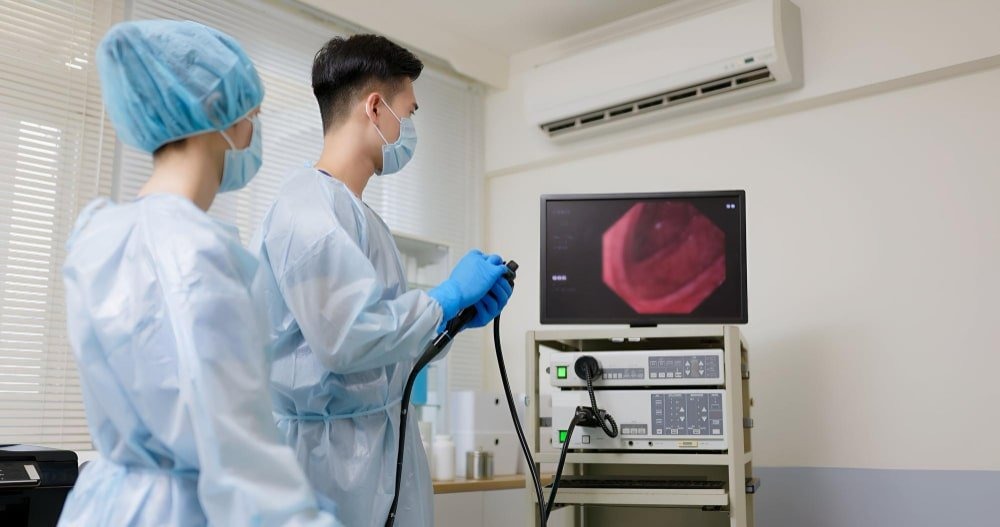
A colonoscopy is a medical examination used to look inside the colon and rectum.
During the procedure, a doctor uses a flexible instrument called a colonoscope. The device has a small camera that allows the healthcare team to examine the lining of the digestive tract.
If the doctor sees something that requires further evaluation, such as a polyp or an area of unusual tissue, additional steps may be possible during the same procedure.
Depending on the circumstances, a polyp may be removed or a small tissue sample may be collected for laboratory analysis.
This ability to both examine and sometimes treat findings is one of the reasons colonoscopy is an important tool in colorectal health.
The procedure is performed by trained medical professionals in an appropriate healthcare setting.
Why Do Doctors Recommend Colonoscopies?
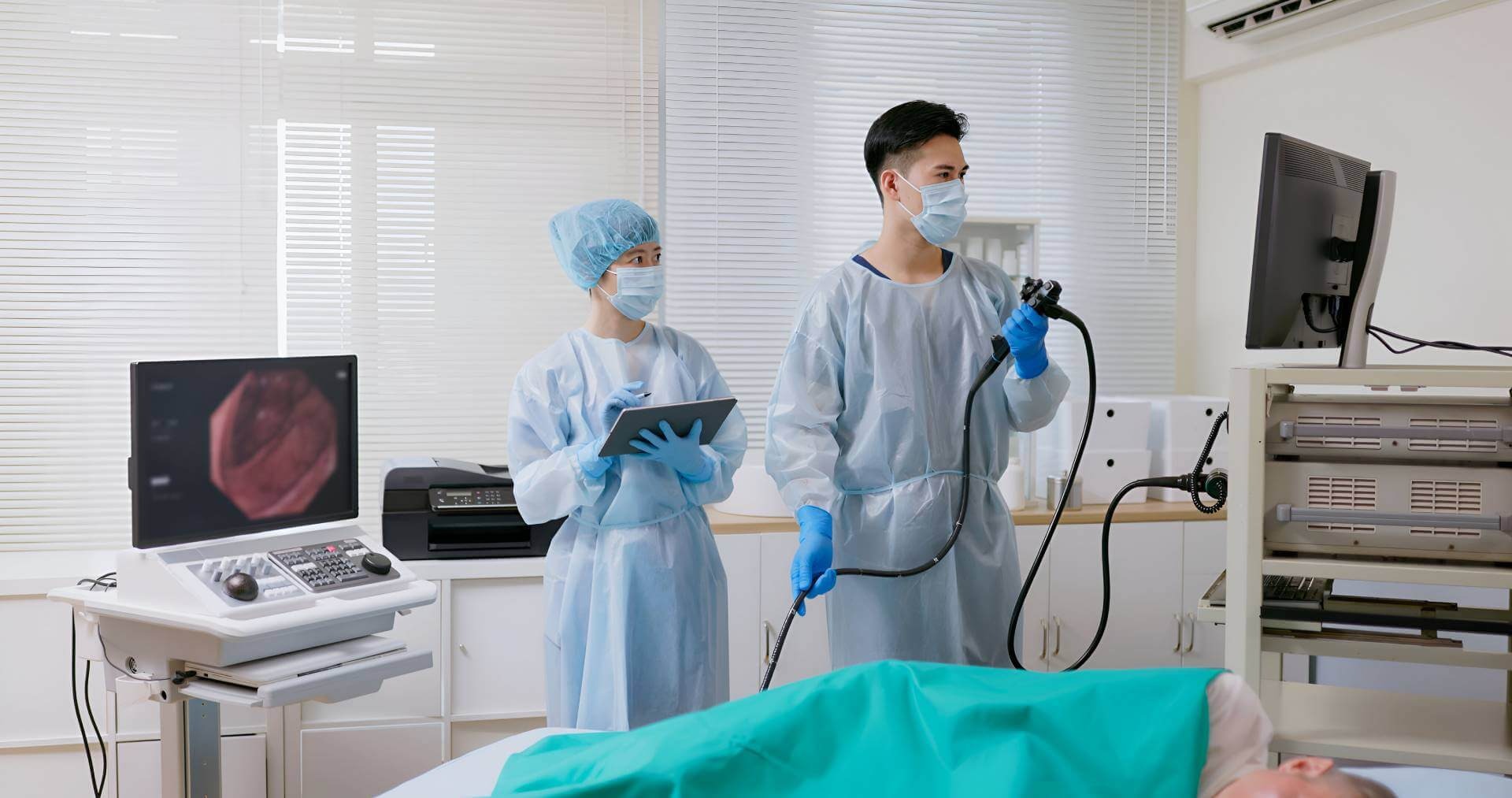
A colonoscopy may be recommended for several different reasons.
One of the most familiar is colorectal cancer screening.
Screening is different from testing because of symptoms.
A person may feel perfectly healthy and still be advised to undergo screening based on age, personal history, family history, or other risk factors.
Doctors may also recommend colonoscopy when someone has symptoms that need investigation.
These can include unexplained changes in bowel habits, persistent abdominal symptoms, rectal bleeding, or unexplained anemia, depending on the individual situation.
The appropriate test and timing depend on the person’s medical history.
That is why a recommendation for a colonoscopy should not automatically be interpreted as evidence that a serious illness has been found.
In many cases, it is simply part of preventive care or an effort to understand symptoms.
The Screening Purpose Is Especially Important
Colorectal cancer can develop gradually.
Some colorectal growths, known as adenomatous polyps, can become cancerous over time.
Not every polyp becomes cancer, and not every polyp has the same significance.
However, identifying and removing certain precancerous polyps can reduce the opportunity for them to develop into colorectal cancer.
This is one of the distinctive features of colonoscopy.
It can serve as both a screening examination and, in appropriate circumstances, a procedure for removing certain growths.
That does not mean colonoscopy eliminates cancer risk.
No screening test provides an absolute guarantee.
Instead, screening is designed to improve the chances of identifying important changes early enough for appropriate medical management.
The Preparation Is Often the Part People Worry About Most
If you ask someone what they fear about a colonoscopy, they may mention the procedure itself.
But many people find that the preparation beforehand is actually the most inconvenient part.
For the doctor to clearly examine the colon, the bowel needs to be sufficiently cleaned.
Patients are therefore given specific preparation instructions.
These commonly involve changing the diet for a period before the procedure and taking a prescribed bowel-cleansing preparation.
The preparation causes frequent bowel movements, which can be inconvenient and tiring.
It is important to follow the instructions provided by the medical team rather than relying on general advice found online.
Preparation instructions can differ depending on the person’s health, medications, scheduled procedure time, and the specific preparation being used.
If the instructions are unclear, contacting the healthcare provider is the safest approach.
Why Following the Preparation Instructions Matters
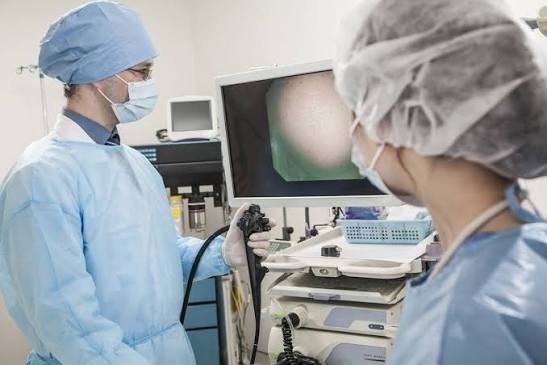
A well-prepared colon allows the doctor to see the intestinal lining more clearly.
If the bowel is not adequately prepared, visibility can be reduced.
In some situations, the examination may need to be repeated.
That is why preparation is not simply an administrative step.
It directly affects the quality of the examination.
Patients may be given detailed instructions about what foods and drinks are permitted, when to stop eating, when to begin the bowel preparation, and how to manage regular medications.
These instructions should be followed carefully.
If you have concerns about diabetes medications, blood-thinning medications, supplements, or other prescriptions, discuss them with your healthcare team before the procedure.
Do not make medication changes on your own unless instructed by a qualified medical professional.
What Happens During a Colonoscopy?
On the day of the procedure, the healthcare team will typically review your medical history, medications, allergies, and preparation.
You will then be prepared for the examination.
Many colonoscopies are performed with medication intended to make the patient relaxed and comfortable.
The exact type and depth of sedation or anesthesia vary depending on the healthcare facility, the patient’s circumstances, and the medical team’s approach.
Because of sedation, many people remember little about the procedure afterward.
During the examination, the colonoscope is carefully guided through the large intestine while the doctor examines the intestinal lining.
The camera provides a magnified view on a monitor.
If appropriate, the doctor may remove a polyp or collect a small tissue sample for further examination.
The procedure itself often takes less than an hour, although the total time at the healthcare facility can be longer because of preparation and recovery.
Is a Colonoscopy Painful?
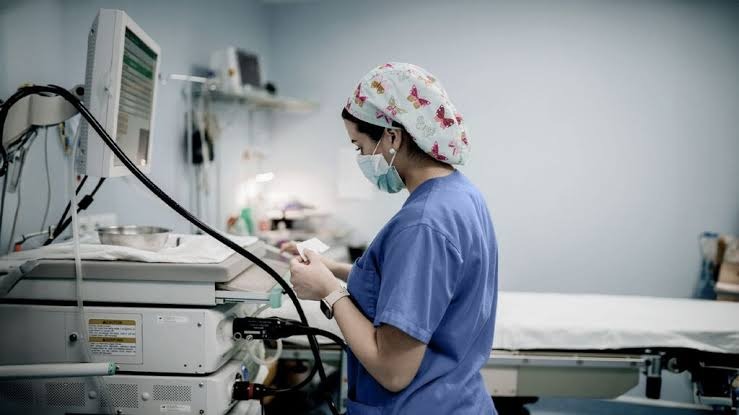
This is one of the most common questions.
The experience varies from person to person.
Sedation can significantly reduce awareness and discomfort for many patients, but it does not mean that every person experiences the procedure in exactly the same way.
Some people may notice pressure, bloating, cramping, or other temporary sensations.
The healthcare team monitors patients throughout the procedure and can respond to discomfort or other concerns.
If you are especially anxious about pain, talk with the medical team before the appointment.
Knowing what type of sedation is planned and what you can expect may make the experience feel more manageable.
What Happens After the Procedure?
After the examination, patients usually spend some time in a recovery area while the effects of sedation begin to wear off.
You may feel tired or temporarily bloated.
Some people experience mild abdominal discomfort or increased gas because air or another gas may be used during the examination.
Your healthcare provider will explain what you can expect and what activities should be avoided for the remainder of the day.
If sedation was used, you will generally need someone to take you home rather than driving yourself.
The medical team should also explain when normal eating, drinking, medications, and activities can be resumed.
What Can a Colonoscopy Find?
A colonoscopy can help doctors identify a range of abnormalities in the colon and rectum.
These may include polyps, areas of inflammation, sources of bleeding, and other changes in the intestinal lining.
It can also be used to investigate symptoms that might otherwise remain unexplained.
Finding something unusual does not automatically mean cancer.
Many findings have causes that are benign or manageable.
If a tissue sample is taken, laboratory analysis can provide more information.
This is why it is important not to interpret a visual finding before the appropriate medical evaluation has been completed.
Why Early Detection Matters
One of the strongest arguments for appropriate colorectal screening is the opportunity to identify changes before they cause noticeable symptoms.
Some colorectal conditions can develop quietly.
A person may feel completely normal while changes are taking place.
Screening provides an opportunity to look for these changes before symptoms necessarily appear.
When potentially precancerous polyps are identified and appropriately removed, the process may interrupt the progression toward colorectal cancer.
This is why screening is often described as preventive rather than simply diagnostic.
The goal is not to wait until a person feels unwell.
The goal is to identify problems early enough that action may be possible.
Who Should Consider Screening?
Screening recommendations vary by country and individual circumstances.
In the United States, major medical organizations generally recommend that adults at average risk begin colorectal cancer screening at age 45.
However, age is not the only consideration.
People with a family history of colorectal cancer or certain types of polyps may need to begin screening earlier or undergo screening more frequently.
Personal medical history can also affect recommendations.
There are several screening methods available, including stool-based tests and visual examinations such as colonoscopy.
The most appropriate option depends on individual risk factors and personal preferences, as well as medical guidance.
For that reason, it is useful to discuss screening with a healthcare professional rather than assuming that one approach is appropriate for everyone.
What If You Are Nervous About the Procedure?
Feeling nervous is completely understandable.
Medical procedures can be intimidating, especially when you do not know exactly what will happen.
One of the best ways to reduce uncertainty is to ask questions before the appointment.
You might ask:
What type of sedation will be used?
How long should I expect to be at the facility?
What should I eat and drink before the procedure?
Which medications should I take or temporarily pause?
Will I need someone to take me home?
When should I expect the results?
What happens if a polyp is found?
These questions can turn an unfamiliar experience into a series of understandable steps.
Healthcare professionals are accustomed to answering them.
You do not need to feel embarrassed about asking.
The Emotional Side of Preventive Healthcare
Preventive medicine sometimes requires people to do something uncomfortable today to protect their future health.
That can be difficult.
We naturally prefer immediate comfort.
If you feel perfectly healthy, it may seem strange to schedule a medical procedure.
But preventive care is based on a different principle.
You do not always wait for a problem to become obvious before checking for it.
The same idea applies to blood pressure checks, dental examinations, vaccinations, vision tests, and many other forms of preventive healthcare.
A colonoscopy is simply one of the tools doctors can use when appropriate.
Common Misunderstandings About Colonoscopies
One common misunderstanding is that being referred for a colonoscopy means a doctor already believes you have cancer.
That is not necessarily true.
Screening is specifically designed to evaluate people who may not have symptoms.
Another misconception is that everyone experiences the procedure as extremely painful.
Sedation and modern medical techniques mean that many patients find the actual examination more manageable than they expected.
The preparation can still be inconvenient, and experiences vary.
It is also important to remember that no medical procedure is completely free of risks.
Although serious complications are uncommon, colonoscopy can involve risks such as bleeding, reactions to sedation, or injury to the digestive tract.
Your healthcare provider can explain the potential benefits and risks based on your individual circumstances.
Turning Fear Into Preparation
Fear often becomes stronger when we imagine an unknown experience.
Information can change that.
Knowing why the procedure is recommended helps.
Understanding the preparation helps.
Knowing what happens during the examination helps.
Understanding recovery helps.
Having someone available to take you home after sedation can provide additional reassurance.
Instead of thinking about a colonoscopy as one large and intimidating event, it can be helpful to break it into smaller steps.
Preparation.
Arrival.
Sedation.
Examination.
Recovery.
Going home.
Each stage has a purpose.
And most importantly, the entire process is designed to provide doctors with information that can help guide appropriate care.
A Colonoscopy Is About More Than One Appointment
It is easy to think of a colonoscopy as a single uncomfortable day.
But its purpose extends beyond that day.
The information obtained can help doctors understand what is happening inside the colon and determine whether additional monitoring or treatment is appropriate.
For people undergoing screening, the examination may provide reassurance when no concerning abnormalities are found.
For those with findings that require follow-up, identifying them gives the healthcare team an opportunity to respond.
Either way, information has value.
Knowing more about your health can help you and your healthcare provider make informed decisions.
The Bigger Picture
A colonoscopy may never become anyone’s favorite appointment.
The preparation can be inconvenient.
The idea of the procedure can feel uncomfortable.
And waiting for medical results can naturally create anxiety.
But fear should not automatically prevent someone from learning about the procedure or discussing whether it is appropriate for them.
Modern medicine has developed colonoscopy into an important tool for examining the large intestine and detecting certain abnormalities.
For people who are due for colorectal cancer screening, it can provide an opportunity to identify potentially important changes before symptoms develop.
That does not mean every person needs a colonoscopy.
It means that screening decisions should be based on age, risk factors, medical history, symptoms, and professional guidance.
Perhaps the most useful way to think about the procedure is not as something to fear, but as an opportunity to gather information.
A few hours of preparation and examination may provide knowledge that can influence healthcare decisions for years to come.
And when it comes to preventive health, knowledge can be one of the most valuable things we can gain.
Sometimes taking care of yourself does not feel particularly comfortable in the moment.
Sometimes it means asking questions, following preparation instructions, showing up for an appointment, and allowing healthcare professionals to do their work.
But self-care is not always about choosing the easiest option.
Sometimes it is about choosing the responsible one.
A colonoscopy may sound intimidating at first.
Yet once the process is understood, much of the uncertainty begins to disappear.
And perhaps that is the most important lesson: when we replace fear of the unknown with accurate information, a difficult medical appointment can become something much more manageable—a practical step toward understanding and protecting our long-term health.
Sources
Centers for Disease Control and Prevention, information on colorectal cancer screening and prevention. CDC Colorectal Cancer
National Cancer Institute, information about colorectal cancer screening and early detection. National Cancer Institute
U.S. Preventive Services Task Force, colorectal cancer screening recommendations. U.S. Preventive Services Task Force
American Cancer Society, colorectal cancer screening guidelines and information. American Cancer Society
National Institute of Diabetes and Digestive and Kidney Diseases, information about colonoscopy and digestive health. NIDDK