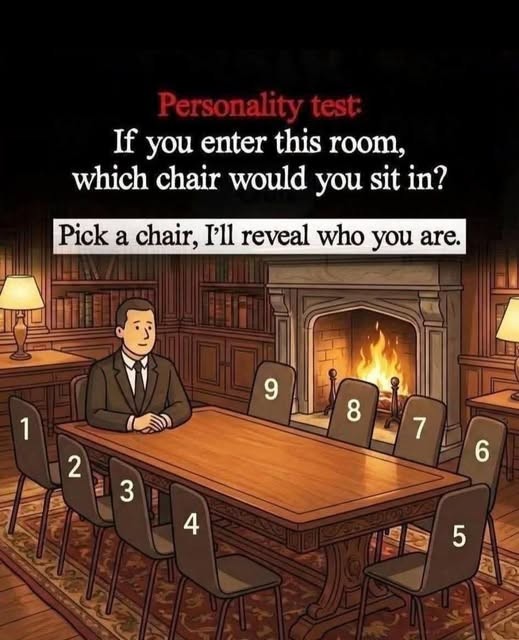
“Where will you sit?”
It sounds like a simple question.
Someone is arranging chairs before dinner. Guests are arriving. Plates are being placed on the table, glasses are being filled, and the host is trying to make sure everyone has a comfortable place.
Yet the question can carry more meaning than we realize.
The seat you choose can influence who you speak with, which conversations you naturally join, and how involved you feel in the gathering.
At a family dinner, you might instinctively sit beside someone you know well.
At a formal meal, you may wait for the host to indicate where you should sit.
At a large gathering, you might choose a place where you can easily see everyone.
These choices may seem unimportant, but seating has always played a role in the way people organize social gatherings.
A chair is simply a physical object.
But around a shared table, its position can become part of the social experience.
Why Tables Have Always Brought People Together
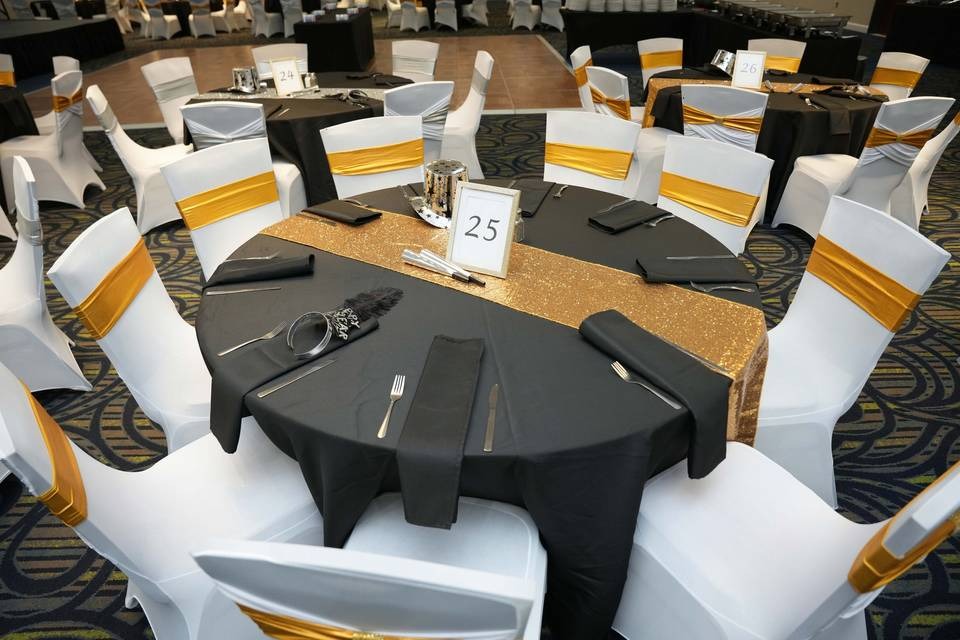
Long before modern dining rooms, restaurants, and formal dinner parties, people gathered around shared sources of food.
Communal eating has appeared in countless societies throughout history.
Families gathered around household meals. Communities celebrated important occasions with shared food. Travelers and neighbors exchanged stories while eating together.
The details varied from one culture to another, but the underlying idea remained familiar.
Food creates an opportunity for people to spend time together.
A meal slows people down.
Instead of simply passing one another during a busy day, people sit in the same place, often facing each other, with a shared experience unfolding in front of them.
That creates opportunities for conversation.
A meal can become a place to discuss family news, celebrate achievements, welcome guests, remember traditions, or simply laugh about something that happened earlier in the day.
The table therefore becomes more than a surface for plates.
It becomes a social space.
The Head of the Table and Its Traditional Meaning
In many traditional dining arrangements, the head of the table has carried a special meaning.
Historically, this position might have been associated with the host, household leader, elder, or another person with a recognized role in the gathering.
The symbolism varies considerably between cultures and families.
There is no universal rule stating that the oldest or most important person must sit at the head.
However, the position often has practical advantages.
Someone sitting at the end of a rectangular table can usually see much of the gathering.
The host may use this position to welcome guests, coordinate the meal, or make sure everyone has what they need.
In that sense, the head of the table can represent responsibility rather than simply status.
A good host is not necessarily the person with the most authority.
It can simply be the person paying attention.
Are guests comfortable?
Does someone need another serving?
Has everyone had an opportunity to join the conversation?
These small acts can shape the atmosphere of an entire meal.
Why the Middle of the Table Can Become the Social Center
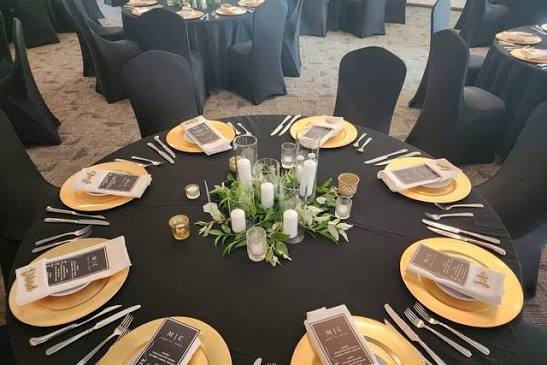
If the head of the table is often associated with hosting, the middle can have another advantage.
People sitting in central positions may be able to interact relatively easily with guests on both sides.
This can make the middle of a large table a lively conversational area.
A person sitting there might hear one discussion and naturally contribute to another.
They may introduce two people who have not spoken before.
They may notice that someone at the other end is trying to join the conversation.
They may even help connect different generations of a family.
Of course, these are possibilities rather than fixed personality traits.
A seat does not determine whether someone is outgoing, quiet, funny, or observant.
But the physical arrangement of a table can influence the opportunities available for interaction.
The Quiet Perspective of the Corner Seat
Then there is the corner.
At some gatherings, a corner seat can feel less central.
You may not be directly involved in every conversation.
You might hear laughter coming from one side while another discussion is happening somewhere else.
Yet this position can also offer something valuable.
It can give you the opportunity to observe.
From a slightly removed position, you may notice small details.
Someone quietly refilling another person’s glass.
A parent checking whether a child has enough food.
Two relatives laughing about an old memory.
A guest listening carefully while someone else speaks.
These moments can be easy to miss when you are deeply involved in conversation.
Being observant does not necessarily mean being withdrawn.
Sometimes people who listen more than they speak notice details that others overlook.
Seating and Social Connection
The relationship between physical space and social interaction has been explored in fields such as environmental psychology and sociology.
The arrangement of a room can influence how easily people interact.
Distance matters.
Visibility matters.
The direction people face matters.
Noise levels matter.
Even the shape of a table can affect how conversations develop.
A small round table, for example, allows people to face one another relatively easily.
A long rectangular table creates more distance between people at opposite ends.
Neither arrangement is inherently better.
They simply create different social possibilities.
This is why restaurants, conference rooms, classrooms, and homes often use different seating arrangements depending on the purpose of the gathering.
Why Round Tables Feel Different
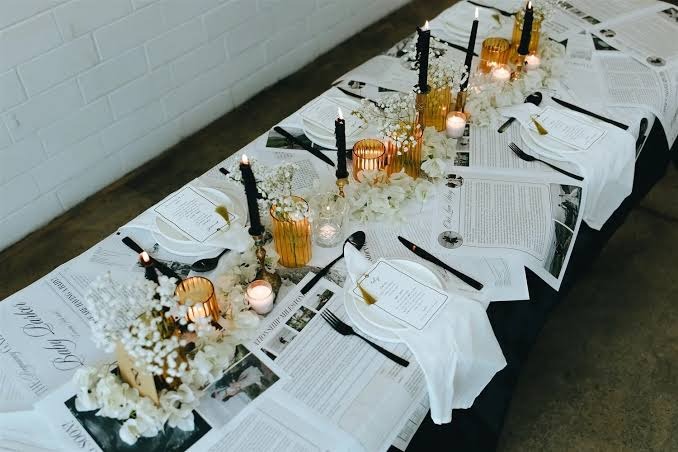
A round table often creates a sense of equality because there is no obvious head or end.
Everyone sits around the same circle.
People can generally see one another without turning as far.
This arrangement is often associated with informal conversation and group discussion.
That does not mean every round table produces perfect communication.
A person’s confidence, familiarity with the group, and the topic of conversation still matter.
But the physical structure can make participation easier because there is less obvious hierarchy built into the seating arrangement.
This may help explain why round tables appear frequently in social gatherings where conversation is the main purpose.
Why Long Tables Can Create Different Dynamics
Long rectangular tables tell a different story.
They naturally create ends, sides, and greater physical distance.
If several people are seated at the table, small conversations may develop among nearby guests rather than involving everyone simultaneously.
The people closest to one another may naturally talk more.
Someone at one end may have little opportunity to participate in a conversation happening at the opposite end.
Again, this is not necessarily negative.
Large family dinners often work this way.
Several conversations can happen at once.
One person may be discussing travel with a neighbor while someone farther down the table is talking about school, work, cooking, or family memories.
The result can feel lively rather than perfectly organized.
The Seat Beside Someone Can Matter Most
Sometimes the most meaningful seat is not the head, middle, or corner.
It is simply the seat next to someone.
At a wedding, you may hope to sit beside a close friend.
At a family gathering, you might choose a chair next to an elderly relative because you want to hear their stories.
At a reunion, you may gravitate toward the person you have not seen in years.
These choices reveal something important about how people use shared spaces.
We often select physical proximity based on emotional proximity.
We sit near people with whom we feel comfortable.
We may also choose a seat near someone we want to know better.
In that sense, seating can quietly reflect relationships.
The Psychology of Choosing a Seat
People do not always consciously analyze their seating choices.
Often, we simply sit wherever there is space.
But when options are available, personal preferences may influence where we settle.
Some people prefer positions where they can see the entire room.
Others like being close to the action.
Some prefer a quieter location.
Others enjoy sitting among several people and joining different conversations.
These preferences can reflect comfort, familiarity, social expectations, or simple practicality.
However, it is important not to turn these observations into personality tests.
Choosing a corner does not automatically mean someone is shy.
Choosing the center does not prove that someone is outgoing.
Sitting at the head does not necessarily indicate a desire for authority.
Human behavior is more complicated than a seating chart.
Cultural Traditions Can Change the Meaning of a Seat
The meaning of seating varies widely around the world.
In some cultures, age and seniority can influence where people sit during important family meals.
In others, seating may be more informal.
Some gatherings have clearly established places for particular guests.
Others allow everyone to choose freely.
Religious traditions, family customs, hospitality practices, and social etiquette can all influence these arrangements.
This is why there is no universal dictionary of seating meanings.
A particular chair may symbolize respect in one family and have no special significance in another.
Understanding the context is therefore more important than interpreting the chair itself.
The Host’s Seat Is Often About Responsibility
When someone hosts a meal, their seat can become a practical command center.
They may need to see whether everyone has been served.
They may need to coordinate dishes.
They may introduce guests.
They may start a toast or conversation.
They may notice when the meal needs to move to the next course.
Hosting therefore requires attention.
The best host is often not the person who talks the most.
It is the person who makes other people feel comfortable.
That might mean asking a quiet guest a question.
It might mean introducing two people with something in common.
It might mean noticing that someone has been left out of a conversation.
Small gestures can transform the atmosphere.
The Most Important Seat May Be the One That Creates Connection
After all the discussion about table positions, there is perhaps a simpler way to think about seating.
The most important seat is not necessarily the one with the greatest status.
It is the one that allows you to participate meaningfully in the moment.
Sometimes that means sitting beside an old friend.
Sometimes it means sitting with someone you have never met.
Sometimes it means taking the seat that allows an elderly family member to join the conversation.
Sometimes it means giving another person the better position.
The physical chair matters less than what happens once you sit down.
A table becomes meaningful because of the people around it.
Shared Meals Create Memories
Years later, people rarely remember exactly where every plate was placed.
They may not remember which chair they occupied.
But they often remember the conversation.
The laughter.
The story someone told.
The recipe everyone enjoyed.
The family tradition that happened every year.
The unexpected guest.
The person who made everyone feel welcome.
That is the real power of a shared table.
It creates a setting in which ordinary moments can become memories.
A meal that lasts only an hour can become a story remembered for decades.
Why Being Present Matters More Than Your Position
Modern life can make it difficult to be fully present.
Phones sit beside plates.
People check notifications between conversations.
Schedules become crowded.
Even when everyone is physically together, their attention may be somewhere else.
That makes shared meals increasingly valuable.
A table creates a natural opportunity to put distractions aside and pay attention to the people nearby.
You do not need a perfect conversation.
You do not need everyone to agree.
You do not even need an elaborate meal.
Sometimes simply being present is enough.
Listening carefully.
Laughing together.
Sharing food.
Asking someone how their week has been.
These small actions create connection.
The Story Is Bigger Than the Chair
“Where will you sit?”
The question may begin with furniture.
But it can lead to something much more meaningful.
It can make us think about hospitality, family traditions, social relationships, culture, and the ways people create connection through shared spaces.
The head of the table may represent responsibility.
The middle may encourage interaction.
The corner may offer a quiet perspective.
A seat beside a familiar person may provide comfort.
But none of these meanings is fixed.
A chair does not determine someone’s personality.
A table does not dictate the quality of a relationship.
People create meaning through the way they interact.
Perhaps that is why shared meals have remained important for so many generations.
The food eventually disappears.
The plates are cleared.
The chairs are pushed back.
The room becomes quiet again.
Yet the conversations remain in our memories.
And that may be the real lesson hidden inside the simple question, “Where will you sit?”
The best seat is not always the one at the head of the table or the one closest to your favorite dish.
It may simply be the seat where you are willing to listen, laugh, share, and make another person feel that they belong.
Because when people gather around a table, the furniture is only the setting.
The connection is the story.