
A bacterial infection that can cause severe diarrhea and stomach cramps is attracting renewed attention in the UK after researchers found that sexually transmitted strains of Shigella can spread across communities more rapidly than other strains.
Shigella is not a new infection, but changing patterns of transmission and increasing antibiotic resistance are creating challenges for public health officials.
In England, 2,560 sexually transmitted Shigella cases were reported in 2025, compared with 2,318 in 2024 and 2,052 in 2023.
The figures highlight why understanding the infection, recognizing its symptoms and taking sensible precautions can be important.
Shigella can affect anyone who becomes exposed to the bacteria. Although many people recover without complications, some infections can become serious, particularly when severe diarrhea leads to dehydration.
Researchers are also paying close attention to antibiotic resistance, which can make some infections more difficult to treat.
What Is Shigella?
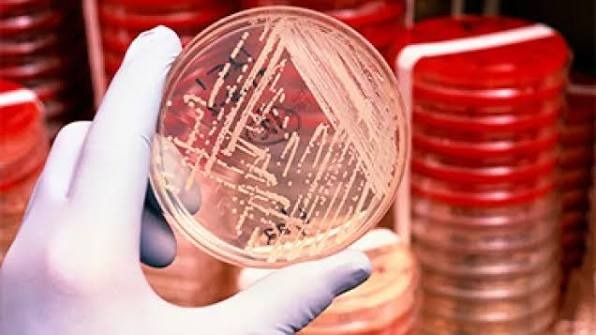
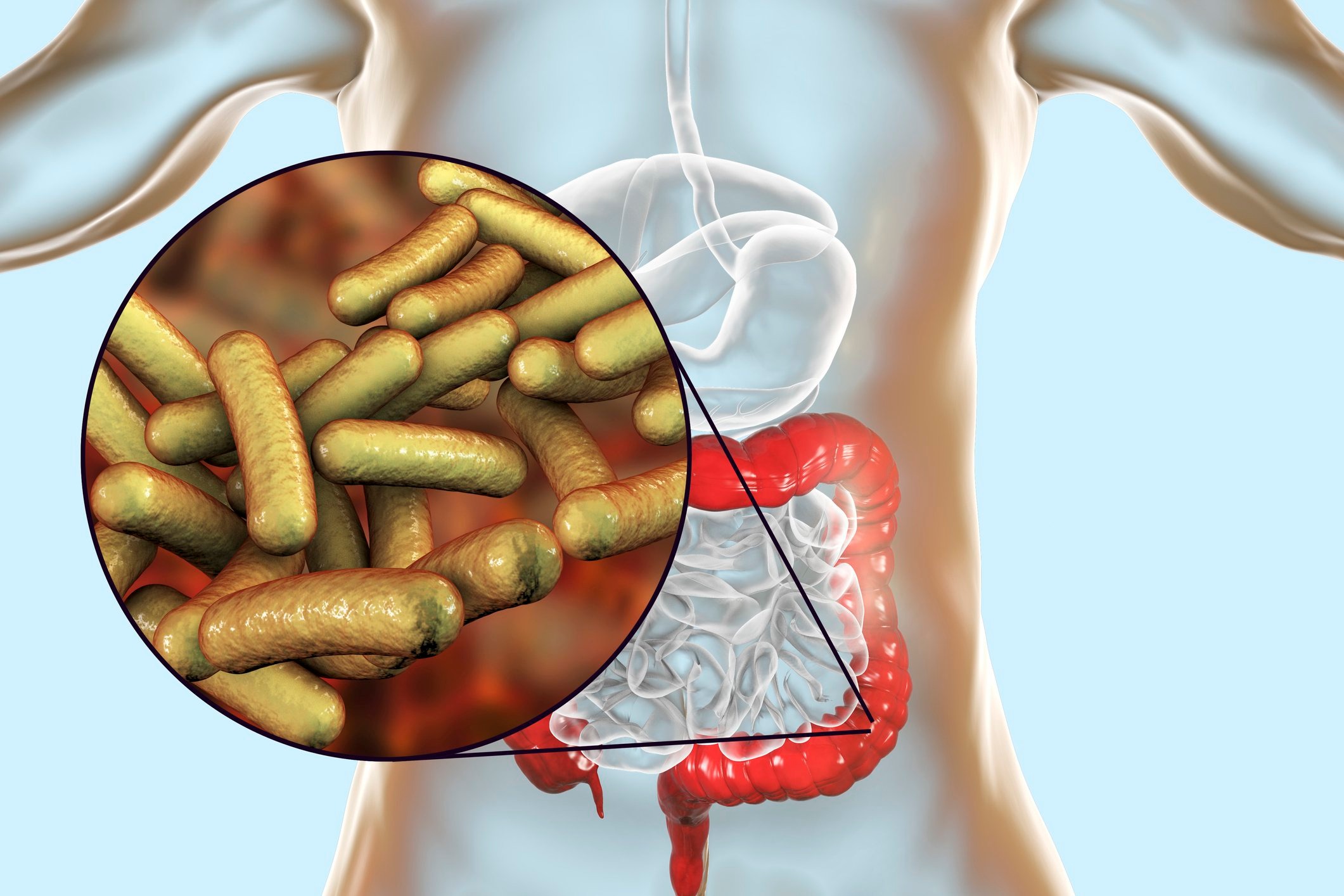
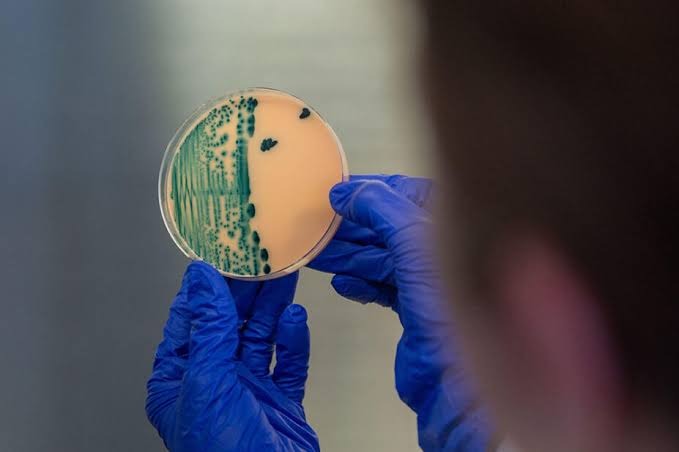
Shigella is a group of bacteria that causes an intestinal infection known as shigellosis.
The infection primarily affects the digestive system and can lead to diarrhea, abdominal cramps and fever.
In some cases, diarrhea may contain blood or mucus.
Shigella spreads when microscopic amounts of contaminated fecal material enter another person’s mouth. This is known as fecal-oral transmission.
The bacteria can spread through contaminated food or water, inadequate hand hygiene and close contact with an infected person.
Sexual contact can also provide an opportunity for transmission when activities involve contact with fecal matter.
Importantly, Shigella is not exclusively a sexually transmitted infection. It can spread through several routes, and anyone can become infected after exposure to the bacteria.
Shigella Cases in England Have Increased
Official figures cited in recent reporting show that sexually transmitted Shigella cases in England have increased over the past several years.
There were:
-
2,052 reported cases in 2023
-
2,318 reported cases in 2024
-
2,560 reported cases in 2025
The increase has prompted researchers to examine whether sexually transmitted strains behave differently from other Shigella strains.
The concern is not simply the number of infections.
Researchers are also investigating how quickly particular strains move between communities and whether some have developed resistance to commonly used antibiotics.
These factors can make Shigella an important public health issue even though many individual infections resolve within days.
New Research Examines How Shigella Spreads
A research team led by scientists from the University of Cambridge and the UK Health Security Agency analyzed more than 3,500 Shigella samples collected in the UK between 2004 and 2020.
The study examined the genetic characteristics of the bacteria and used that information to investigate how different strains spread geographically over time.
Researchers found a notable difference between sexually transmitted and non-sexually transmitted strains.
According to the findings, sexually transmitted strains traveled an average of approximately 117 kilometers over a period of two and a half years.
Other strains traveled an average of around 46 kilometers over the same period.
That does not mean an individual infection automatically travels hundreds of kilometers.
Instead, the measurements help researchers understand how bacterial strains can spread through connected populations over time.
The findings suggest that sexual transmission has become a sustained component of Shigella transmission in the UK.
Professor Kate Baker, a senior author of the study, said sexually transmitted Shigella should be considered a distinct public health concern requiring appropriate surveillance, prevention and treatment strategies.
How Is Shigella Transmitted?
The key to understanding Shigella is recognizing that the bacteria spreads through the fecal-oral route.
This happens when bacteria from fecal material reach another person’s mouth.
That can occur through contaminated food or water, inadequate handwashing or direct contact.
Sexual activity can also create opportunities for transmission.
Activities involving direct or indirect contact with the anal area can potentially transfer bacteria, particularly if hygiene practices are insufficient.
Oral-anal contact can present a higher risk because of the direct possibility of contact with fecal material.
Transmission can also occur when hands or objects become contaminated and subsequently come into contact with someone’s mouth.
This is why hand hygiene remains one of the most important ways of reducing the spread.
Shigella Is Not Limited to Sexual Transmission
The recent attention surrounding sexually transmitted Shigella can sometimes create confusion about the infection itself.
Shigella is not exclusively a sexually transmitted disease.
Children, travelers, people exposed to contaminated food or water, and individuals living in settings where hygiene is difficult can all potentially become infected.
Outbreaks can also occur in places where people are in close contact.
The route of transmission determines the circumstances of exposure, but the underlying bacteria are the same.
For that reason, discussing Shigella as an intestinal infection with multiple possible transmission routes is more accurate than treating it solely as a sexually transmitted infection.
What Are the Symptoms of Shigella?
Symptoms generally appear within several days after exposure, although the exact timing can vary.
Common symptoms include:
Diarrhea
Diarrhea is one of the most characteristic symptoms of Shigella infection.
It can range from relatively mild to severe.
In some cases, the stool may contain blood or mucus.
Abdominal Cramps
People with shigellosis may experience painful abdominal cramps or stomach discomfort.
The cramps can occur alongside frequent bowel movements.
Fever
A fever can develop as the immune system responds to the infection.
Some people may also feel generally unwell or fatigued.
Other Symptoms
Depending on the individual and severity of infection, symptoms may also include nausea or an urgent need to use the bathroom.
Most people improve within about a week, but symptoms should not automatically be dismissed if they become severe or persistent.
When Should You Seek Medical Advice?
Many gastrointestinal infections cause diarrhea, so it can be difficult to identify Shigella based on symptoms alone.
Medical advice is particularly important if diarrhea is severe or persistent.
Dr. Giuseppe Aragona, a GP and medical adviser, highlighted several warning signs that should prompt medical attention.
These include persistent diarrhea, significant blood in the stool and symptoms of dehydration.
Dehydration can become a serious concern when diarrhea is frequent.
Possible signs include dizziness, unusual weakness and producing less urine than normal.
People who are particularly vulnerable to dehydration may need medical attention sooner.
If you are concerned about symptoms or believe you may have been exposed to Shigella, a healthcare professional can determine whether testing or treatment is appropriate.
Why Dehydration Can Become Serious
One of the major concerns with severe diarrhea is the loss of water and electrolytes.
The body needs sufficient fluid to maintain normal circulation, temperature regulation and other essential functions.
When diarrhea is frequent, fluid can be lost faster than it is replaced.
This can lead to dehydration.
Mild dehydration may cause thirst and fatigue.
More significant dehydration can result in dizziness, reduced urination and weakness.
Severe dehydration can become a medical emergency.
For that reason, replacing fluids is an important part of managing diarrheal illness.
People with significant symptoms should follow medical advice regarding hydration and treatment.
Antibiotic Resistance Is an Increasing Concern
Another reason researchers are paying attention to Shigella is antibiotic resistance.
Antibiotics can be useful in treating certain bacterial infections, but bacteria can develop resistance to medications that previously worked against them.
When Shigella becomes resistant to antibiotics, treatment can become more complicated.
This does not mean that every Shigella infection requires antibiotics.
Many people recover without them, and the appropriate treatment depends on the individual case.
Doctors may consider factors such as the severity of illness, the patient’s health and whether laboratory testing identifies a strain that is susceptible to a particular medication.
Because of antibiotic resistance, people should not take leftover antibiotics or medication prescribed for someone else.
Using antibiotics incorrectly can also contribute to resistance.
Why Researchers Are Watching Sexually Transmitted Strains
The research into sexually transmitted Shigella is important because transmission patterns can influence how public health authorities monitor and respond to outbreaks.
If particular strains are circulating efficiently through sexual networks, traditional approaches to tracking gastrointestinal infections may not provide the complete picture.
Genetic analysis can help researchers determine whether infections are related and how bacterial lineages move through populations.
This type of surveillance can also help identify emerging antibiotic resistance.
The Cambridge and UK Health Security Agency research therefore provides more than a simple count of infections.
It offers researchers a way to understand how different strains are moving and evolving.
How Can Shigella Be Prevented?
Good hygiene remains one of the most effective ways to reduce the risk of Shigella transmission.
Wash Your Hands Thoroughly
Wash your hands with soap and water after using the bathroom and before preparing or eating food.
Hand sanitizer can be useful in some situations, but thorough handwashing is particularly important when dealing with organisms that spread through fecal contamination.
Handle Food Safely
Food should be prepared and stored properly.
Wash hands before handling food and avoid preparing food for other people while experiencing diarrhea.
Anyone recovering from a gastrointestinal infection should follow public health or medical guidance regarding when it is safe to return to food preparation.
Be Careful With Drinking Water
When traveling in areas where water safety is uncertain, use a reliable source of drinking water.
Contaminated water can provide a route for Shigella transmission.
Pay Attention to Sexual Hygiene
People engaging in sexual activities that involve possible contact with the anal area can reduce risk by practicing careful hygiene.
Hands should be washed thoroughly between activities, particularly before touching the mouth or preparing food.
Barrier methods can also reduce exposure to bodily fluids and contaminated material in some circumstances.
Anyone experiencing diarrhea should avoid sexual contact that could facilitate transmission until they have recovered and followed appropriate medical advice.
What If You Think You Have Shigella?
If you develop significant diarrhea, stomach cramps, fever or blood in your stool, contact a healthcare professional for advice.
Testing may be recommended depending on your symptoms and circumstances.
If Shigella is confirmed, follow medical instructions carefully.
It is also important to take steps to prevent passing the infection to other people.
This includes careful handwashing and avoiding activities that could expose others to contaminated material.
Do not prepare food for other people while you are ill unless a healthcare professional or local health authority says it is safe to do so.
The Importance of Accurate Information
Because Shigella can be transmitted sexually, discussions about the infection can sometimes become unnecessarily stigmatizing.
That can make people less comfortable seeking medical advice or discussing potential exposure.
The bacteria itself does not discriminate based on someone’s identity or relationship status.
The important issue is how exposure occurred and how transmission can be prevented.
Public health messaging works best when people have accurate information about the infection without unnecessary judgment.
Understanding the actual routes of transmission allows people to make informed decisions about hygiene, sexual health and medical care.
A Growing Public Health Challenge
The rise in reported sexually transmitted Shigella cases in England is one reason researchers are taking a closer look at the infection.
The recent study suggests that sexually transmitted strains can spread through geographic networks more rapidly than other strains.
At the same time, antibiotic resistance makes monitoring these bacteria increasingly important.
But the findings should not be interpreted as a reason for panic.
Shigella is a well-known bacterial infection, and many people recover within a relatively short period.
The most important steps are recognizing symptoms, preventing transmission and seeking medical advice when symptoms become severe or persistent.
What to Remember About Shigella
Shigella may not be an infection most people think about until they encounter it, but understanding how it spreads can help reduce risk.
The key points are straightforward:
-
Shigella is a bacterial intestinal infection.
-
It can cause diarrhea, abdominal cramps and fever.
-
Blood or mucus may sometimes appear in the stool.
-
It spreads through the fecal-oral route.
-
Sexual contact can provide a route of transmission.
-
It is not exclusively a sexually transmitted infection.
-
Severe diarrhea can lead to dehydration.
-
Some strains have developed resistance to antibiotics.
-
Good hand hygiene and safe food practices can help reduce transmission.
-
Persistent diarrhea, significant blood in the stool or signs of dehydration should prompt medical advice.
The recent research adds to scientists’ understanding of how Shigella moves through populations, but it does not mean everyone exposed will develop severe illness.
For most people, the best approach is practical rather than alarming: understand the symptoms, practice good hygiene, avoid spreading the infection when sick and speak with a healthcare professional when symptoms are concerning.
As researchers continue monitoring Shigella and its antibiotic resistance patterns, better surveillance can help health authorities respond to outbreaks and develop more effective prevention strategies.