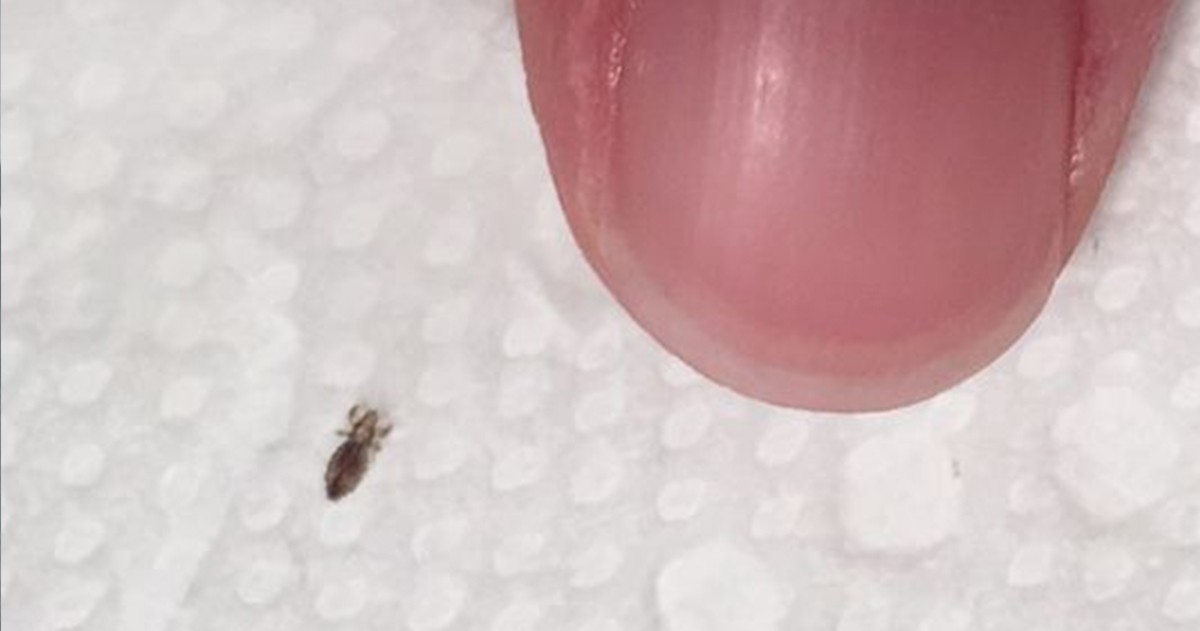
Anyone who has ever dealt with head lice knows how frustrating the experience can be.
One moment, everything seems normal. Then a child starts scratching their head, and suddenly the entire family is checking hair, washing bedding, searching for tiny insects, and wondering how long it will take to get everything under control.
Head lice are particularly common among school-age children because they spread mainly through close head-to-head contact. They are unpleasant and irritating, but the good news is that head lice are not known to spread disease and can usually be managed with the right approach.
Understanding how lice spread, how to recognize an active infestation, and which treatments actually work can make the process much less stressful.
What Are Head Lice?
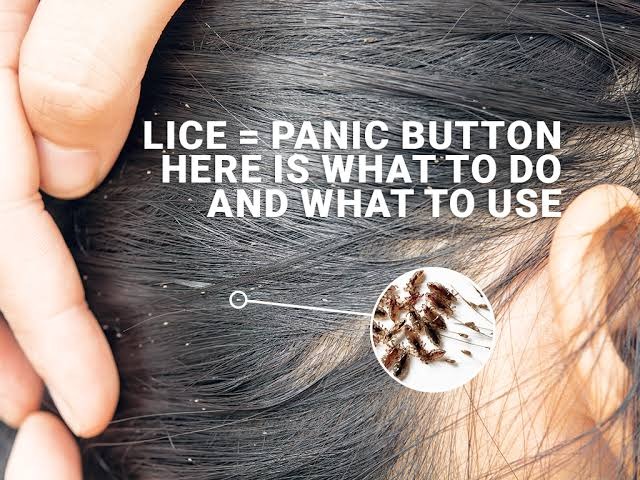
Head lice are tiny insects that live on the human scalp and feed on small amounts of blood.
Adult head lice are very small, usually only a few millimeters long, which can make them difficult to spot. They move through the hair using their legs and cannot jump or fly.
Instead, lice usually spread when the hair or heads of two people come into close contact.
This is one reason children are particularly likely to encounter head lice. They often play closely together, hug, sit next to one another, or share spaces where their heads may touch.
Having head lice is not a sign of poor hygiene.
Anyone can get them, regardless of how frequently they wash their hair or how clean their home is.
How Do Head Lice Spread?
Head lice primarily spread through direct head-to-head contact.
For example, a child may come into close contact with another child who has an infestation. A louse can then crawl from one person’s hair to another person’s hair.
Lice do not have wings and cannot leap from one person to another.
This also means that ordinary activities such as sitting in the same classroom are not necessarily enough to cause an infestation unless there is close contact.
What About Hats, Brushes, and Bedding?
Many people immediately start washing every item in the house when they discover lice.
However, head lice generally survive best when they remain close to the human scalp.
Transmission through objects such as hats, brushes, pillows, or furniture is considered much less common than direct head-to-head contact.
That does not mean personal items should be completely ignored.
Avoid sharing combs, brushes, hats, hair accessories, and other items that come into direct contact with the hair while an infestation is being treated.
There is usually no need to turn the entire house upside down.
What Does a Head Lice Infestation Feel Like?
The most familiar symptom is an itchy scalp.
However, itching does not always appear immediately after someone becomes infested.
Some people may have lice without experiencing noticeable symptoms at first.
Other possible signs include:
-
A crawling or tickling sensation in the hair
-
Scratching the scalp frequently
-
Small irritated areas caused by scratching
-
Difficulty sleeping because of itching
-
Visible lice or eggs attached to individual hairs
It is important to remember that an itchy scalp does not automatically mean someone has head lice.
Dry skin, dandruff, allergies, and other scalp conditions can also cause itching.
The best way to determine whether lice are present is to carefully inspect the hair and scalp.
How to Check for Head Lice
Finding live lice is the clearest indication of an active infestation.
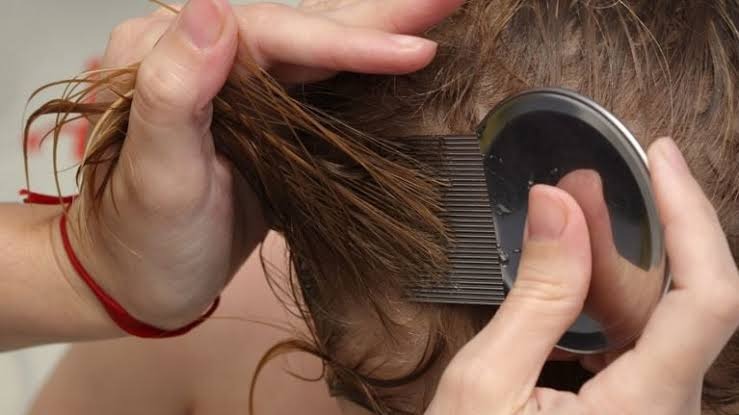
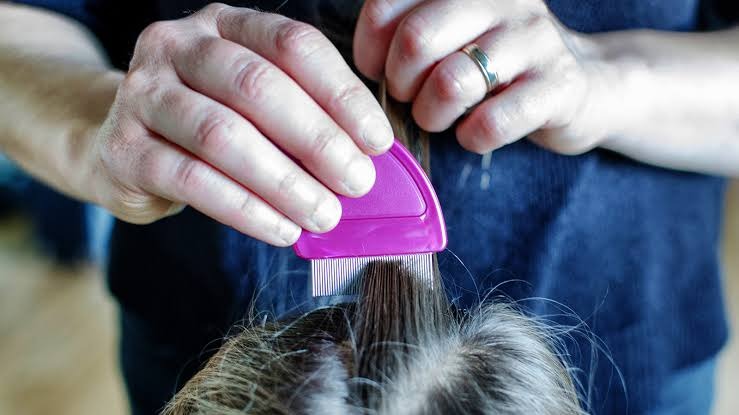
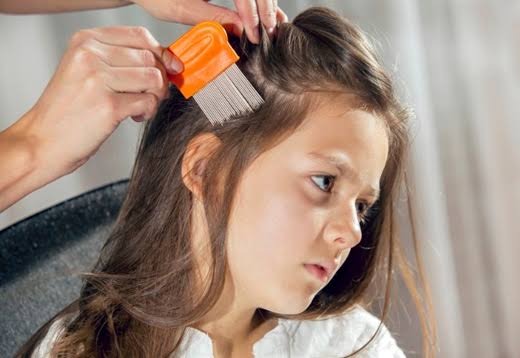
A fine-toothed lice comb can be particularly useful.
Start with damp hair and work through small sections carefully, combing from close to the scalp toward the ends of the hair.
Pay particular attention to areas behind the ears and near the neckline.
After each pass, examine the comb for small moving insects.
Bright lighting can make the process easier.
Because lice are tiny and move quickly, checking the hair carefully may take some patience.
What Do Lice Eggs Look Like?

Lice eggs are commonly called nits.
They are attached firmly to individual strands of hair, usually close to the scalp.
Nits can be mistaken for dandruff, but there is an important difference.
Dandruff tends to brush or fall away relatively easily.
A nit is typically attached to the hair shaft and can be difficult to remove with ordinary brushing.
However, finding nits does not necessarily mean there is an active infestation.
Empty egg cases can remain attached to hair long after the lice have disappeared.
For this reason, finding a live louse is a much stronger indication that treatment is needed.
The Most Reliable Way to Treat Head Lice
There are several evidence-based approaches for treating head lice.
One common method is using an approved over-the-counter or prescription lice treatment according to its instructions.
Different products work in different ways, and some may need to be applied more than once.
Always read the product label carefully and follow the recommended instructions.
Using more product than directed does not necessarily make treatment more effective and can increase the risk of irritation.
If you are unsure which treatment is appropriate, especially for a young child, pregnant person, or someone with a sensitive scalp, ask a pharmacist or healthcare professional.
Why Does Treatment Sometimes Need to Be Repeated?
One reason head lice can be difficult to eliminate is that some treatments may not kill every egg.
A product may successfully kill live lice while some eggs remain attached to the hair.
If those eggs later hatch, another generation of lice can appear.
For this reason, certain treatments recommend a second application after a specified period.
The exact timing depends on the product.
Following the instructions carefully is therefore important.
Do not automatically repeat treatment more frequently than recommended.
Wet-Combing Can Also Help
Wet-combing is another method commonly used to remove live lice and eggs mechanically.
The hair is washed and coated with conditioner, making it easier to work through with a fine-toothed lice comb.
The hair is then divided into small sections.
Starting close to the scalp, the comb is pulled through the hair toward the ends.
The comb should be checked and cleaned after each pass.
This process can take time, especially with long or thick hair, but careful combing can physically remove lice.
Families who use wet-combing generally need to repeat the process regularly over a period of time because newly hatched lice may appear later.
Should You Use Mouthwash to Treat Lice?
Home remedies for head lice circulate widely online.
One popular claim suggests that soaking the hair in mouthwash and covering it with a shower cap can kill lice.
Another version recommends using vinegar afterward to loosen or eliminate the eggs.
Although these methods are frequently shared online, they should not be presented as proven replacements for established lice treatments.
There is limited reliable evidence that ordinary mouthwash can safely and consistently eliminate a head lice infestation.
Vinegar may make some substances easier to remove from hair, but it should not be considered a dependable treatment for live lice.
Some home remedies can also irritate the scalp, particularly when used repeatedly or left on the skin for long periods.
If you are dealing with an active infestation, an approved treatment or careful wet-combing is a more reliable approach.
What About Spraying Mouthwash on a Child’s Hair?
Another popular online suggestion is to spray mouthwash onto a child’s hair before school to prevent lice.
However, there is no good reason to rely on mouthwash as a proven lice repellent.
It is better to focus on reducing opportunities for head-to-head contact and avoiding the sharing of personal hair items.
Children do not need to be isolated from their classmates simply because lice are present at school.
Instead, parents can teach children simple habits that reduce the opportunity for transmission.
How Can Parents Reduce the Risk of Lice?
There is no guaranteed way to prevent head lice.
However, several practical habits can reduce the likelihood of transmission.
Avoid Head-to-Head Contact
Children should understand that lice can move from one person’s hair to another when heads are touching.
This can happen while playing, taking photographs, cuddling, or participating in activities where children are very close together.
Don’t Share Hair Items
Teach children not to share:
-
Combs
-
Brushes
-
Hair clips
-
Hair ties
-
Hats
-
Scarves
-
Headphones that touch the hair
Although objects are not the primary way lice spread, avoiding shared hair items is a sensible precaution.
Check Hair When There Is an Outbreak
If a school or childcare center reports an active case, parents may want to inspect their child’s scalp and hair carefully.
Regular checking can help identify an infestation before it becomes more noticeable.
Do You Need to Treat the Whole Family?
Not necessarily.
Finding lice on one family member does not automatically mean everyone in the household has an infestation.
Instead, check the hair and scalp of household members who may have had close contact.
If live lice are found, follow the appropriate treatment instructions.
Treating people who do not have lice can expose them unnecessarily to treatment products without providing a benefit.
What Should You Do With Bedding and Clothing?
There is often a temptation to wash every piece of fabric in the home immediately.
That usually isn’t necessary.
Because head lice depend on the human scalp for survival, they generally do not live for long away from a person.
Focus your attention on items that have had recent, direct contact with the person’s head.
Wash or otherwise manage those items according to appropriate guidance.
Vacuuming areas where the person has recently spent time can also be reasonable, but extensive environmental cleaning is generally not the main solution.
The most important step is treating the person who actually has an active infestation.
Can Head Lice Survive on Pets?
No.
Head lice are adapted to humans.
Dogs, cats, and other household pets are not considered a source of human head lice.
There is therefore no reason to treat a family pet simply because a child has head lice.
Can Head Lice Cause Serious Health Problems?
Head lice are generally not considered dangerous.
The biggest problems are usually itching, irritation, discomfort, and the stress associated with managing an infestation.
Repeated scratching can sometimes damage the skin and increase the possibility of a secondary infection.
If scratching becomes severe, the scalp develops signs of infection, or treatment does not appear to be working, speak with a healthcare professional.
When Should You Contact a Doctor or Pharmacist?
Most cases can be managed at home with appropriate treatment.
However, professional advice can be helpful when:
-
You are unsure whether the child actually has lice
-
An infant or very young child may be affected
-
The scalp is severely irritated
-
There are signs of infection
-
Treatment has failed repeatedly
-
You are unsure which product is appropriate
-
You are concerned about possible reactions to a treatment
A pharmacist can often help families choose an appropriate product and explain how to use it safely.
Don’t Panic When Your Child Gets Lice
Discovering head lice can feel like a nightmare, especially when school is involved.
But an infestation does not mean your home is dirty, and it does not mean your child has done anything wrong.
Head lice are simply tiny parasites that are especially good at spreading through close contact.
The key is to remain calm and take the problem step by step.
First, confirm that live lice are actually present.
Then choose an appropriate treatment and follow the instructions carefully.
Use a fine-toothed comb when appropriate, check close contacts, and avoid sharing personal hair items.
There is also no need to blame another child or family. Lice can spread easily, and many people do not realize they have them immediately.
The Bottom Line
Head lice can be annoying, uncomfortable, and surprisingly time-consuming, but they are usually manageable.
The most important thing parents can do is separate proven treatment from internet home remedies.
Mouthwash and vinegar are often promoted online as inexpensive solutions, but they should not be treated as guaranteed or medically established cures.
Instead, focus on confirmed infestation, appropriate lice treatments, careful combing, and following product directions.
And remember: having head lice has nothing to do with being unclean.
With patience and the right approach, most families can get through an infestation and return to normal life.
If this article helped you understand head lice treatment and prevention, share it with another parent who may find the information useful.