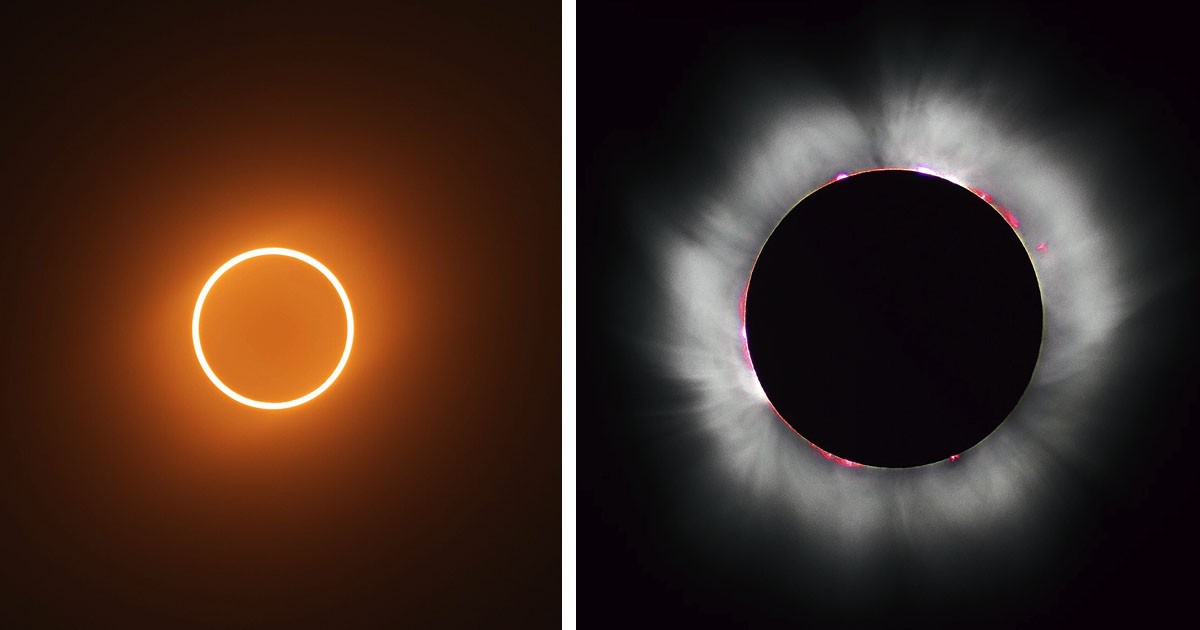
A solar eclipse can transform an ordinary day into one of nature’s most spectacular sights.
As the Moon moves between Earth and the Sun, daylight can fade, shadows can change, and the sky can take on an almost surreal appearance. It is an experience many people want to see with their own eyes.
But there is one important rule that should never be ignored: never look directly at the Sun without proper solar eye protection.
The danger can be easy to underestimate because an eclipse makes the sky noticeably darker. That change in brightness can create the impression that the Sun is somehow less powerful.
It isn’t.
Even when much of the Sun is covered, looking directly at the remaining visible portion without appropriate protection can expose the eyes to intense solar radiation and potentially damage the retina.
Why Looking at the Sun During an Eclipse Is Dangerous
A solar eclipse occurs when the Moon passes between Earth and the Sun and blocks some or all of the Sun’s light from reaching a particular area.
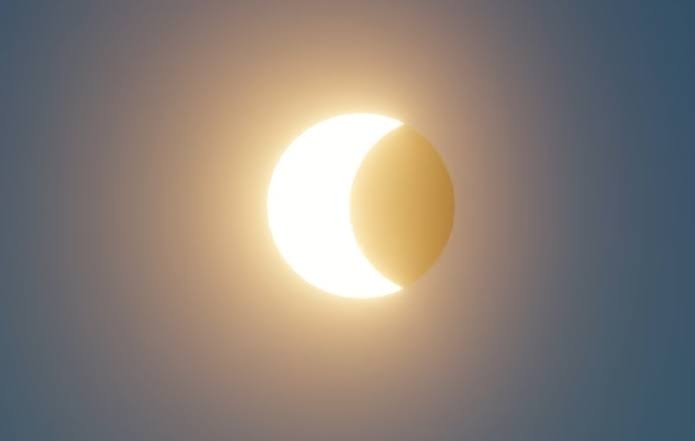
During a partial eclipse, only part of the Sun is covered.
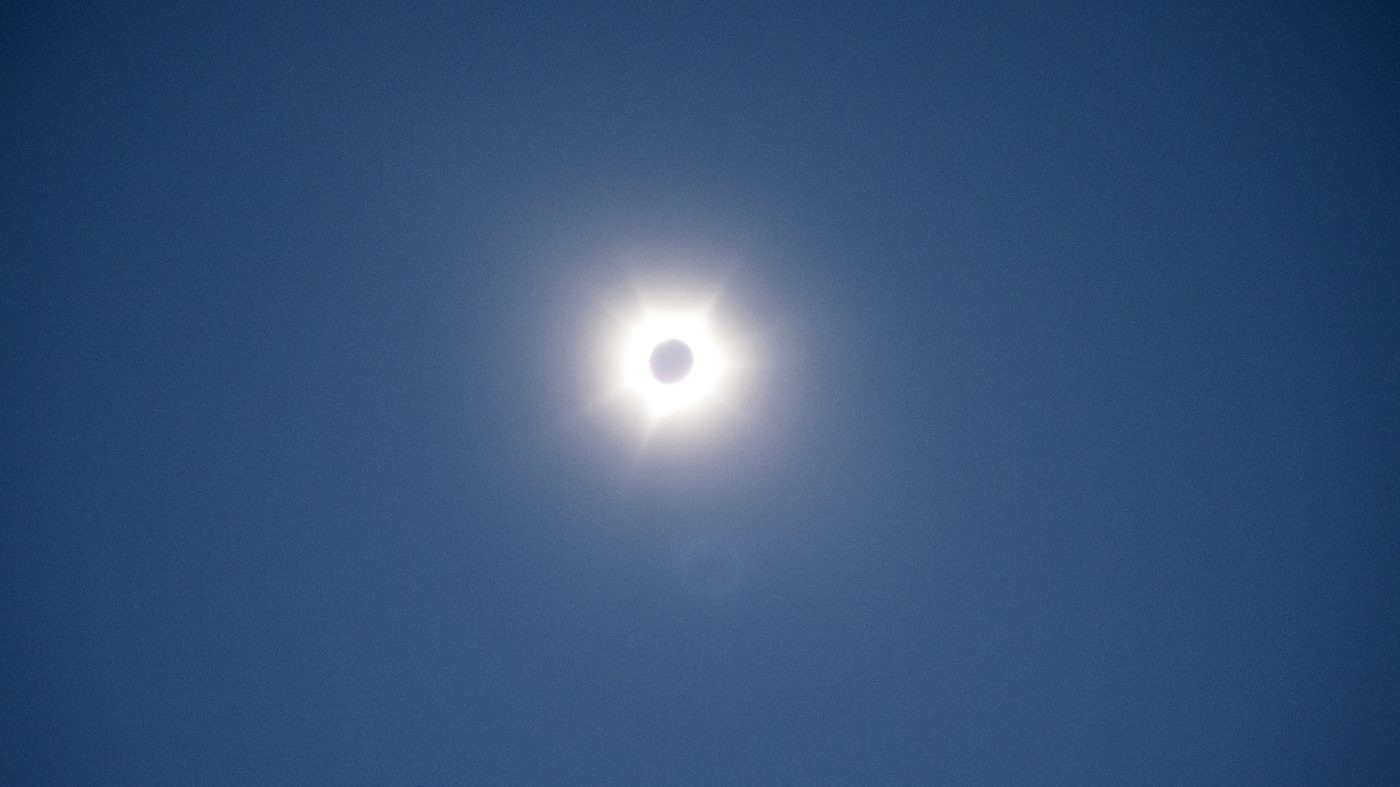
During a total solar eclipse, the Moon can completely cover the bright surface of the Sun for a short period for observers within the path of totality.
The distinction is extremely important.
When any bright portion of the Sun is visible, looking directly at it without proper protection is unsafe.
The fact that the surrounding sky becomes darker does not make the exposed portion of the Sun safe to view.
In fact, the darker environment can make it easier to stare at the Sun for longer because the overall scene does not feel as bright as normal daylight.
That is where the risk comes in.
What Happens to Your Eyes When You Stare at the Sun?
The retina is a thin, light-sensitive layer located at the back of the eye.
It plays a crucial role in vision by detecting light and sending visual information to the brain.
When the eyes are exposed to extremely intense light from the Sun, retinal tissue can be damaged.
This type of injury is commonly referred to as solar retinopathy.
Unlike many injuries that cause immediate pain, retinal damage can be surprisingly difficult to notice at the moment it occurs.
The retina itself does not contain pain receptors in the same way that many other parts of the body do.
As a result, someone may look at the Sun and feel completely fine.
Hours later, however, they may begin noticing changes in their vision.
Solar Retinopathy Can Affect Your Vision
Symptoms of solar retinopathy can vary from person to person.
Possible symptoms include:
-
Blurred vision
-
A blind or blurry spot in the center of vision
-
Distorted vision
-
Changes in color perception
-
Difficulty seeing fine details
-
Increased sensitivity to light
Symptoms may not appear immediately.
That delayed effect is one reason eclipse eye safety is so important.
A person might assume that a brief glance was harmless because there was no pain or immediate change in eyesight.
Unfortunately, the absence of immediate discomfort does not guarantee that the eyes were unharmed.
In some cases, visual problems can improve over time. In others, retinal damage can be permanent.
Why Regular Sunglasses Are Not Enough
One of the most common mistakes people make during a solar eclipse is reaching for an ordinary pair of sunglasses.
Even very dark sunglasses are not designed for direct viewing of the Sun.
They are intended to reduce ordinary visible light and provide protection from ultraviolet radiation in everyday environments.
Solar viewing requires a much higher level of light reduction and appropriate filtering.
Wearing two or more pairs of sunglasses does not solve the problem.
Neither does combining sunglasses with other improvised materials.
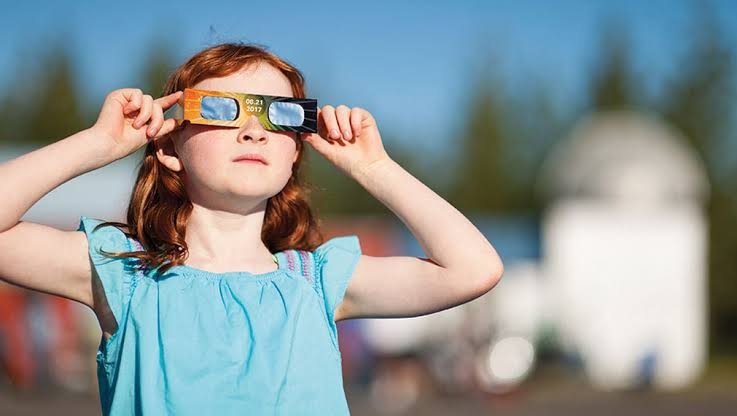
If you are planning to watch an eclipse directly, use equipment specifically designed and manufactured for safe solar viewing.
What Are Safe Eclipse Glasses?
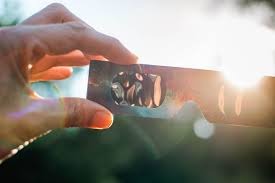
Specialized eclipse glasses and handheld solar viewers are designed to dramatically reduce the amount of solar radiation reaching the eyes.
When purchasing eclipse-viewing equipment, experts recommend looking for products that meet the ISO 12312-2 international safety standard for direct solar viewing.
However, buyers should also be cautious about counterfeit or improperly labeled products.
A product that simply looks dark is not necessarily safe.
The safest approach is to obtain eclipse glasses or solar viewers from a reputable supplier and follow the manufacturer’s instructions carefully.
Do not use damaged, scratched, torn, or otherwise compromised viewing equipment.
Cameras and Binoculars Can Make the Risk Worse
There is another mistake eclipse viewers sometimes make: using optical equipment without a proper solar filter.
Binoculars, telescopes, cameras, and other optical devices can concentrate sunlight.
That can make looking at the Sun through them particularly dangerous.
Ordinary sunglasses should never be placed over the eyepieces of binoculars or telescopes as a substitute for a proper solar filter.
If you want to photograph or observe an eclipse using optical equipment, use a purpose-built solar filter that is designed for the specific equipment and installed correctly.
For telescopes and binoculars, solar filters generally need to be positioned over the front aperture rather than simply placed near the eyepiece.
What About Your Phone Camera?
A smartphone camera is different from looking through a telescope or binoculars, but that does not mean you should casually point your phone toward the Sun for extended periods.
Direct sunlight can potentially damage camera components, particularly when additional optical equipment is involved.
More importantly, the phone should not be used as an excuse to look directly at the Sun while framing the shot.
If you want to photograph an eclipse, follow guidance from your camera or equipment manufacturer and use appropriate solar-filtering equipment where necessary.
Your eyesight should always take priority over getting the perfect photograph.
The Safest Option: Indirect Viewing
You do not need to look directly at the Sun to enjoy a solar eclipse.
One simple alternative is indirect viewing.
A pinhole projector is a classic example.
Instead of looking through a small opening toward the Sun, the device allows sunlight to pass through the opening and create a projected image on another surface.
The viewer watches the projection rather than looking at the Sun itself.
This can be an inexpensive and educational way for families to experience an eclipse.
How a Simple Pinhole Projector Works
A basic pinhole projector can be made with a few ordinary materials.
You can use:
-
Two pieces of white card
-
A small piece of aluminum foil
-
Tape
-
A pin
Cover a small opening in one piece of card with aluminum foil.
Then use the pin to make a very small hole in the foil.
Stand with your back toward the Sun and hold the card so sunlight passes through the tiny opening.
The light can then create a small image of the Sun on the second piece of white card.
During an eclipse, the projected image will show the changing shape of the Sun.
The key safety principle is simple: look at the projected image, not through the pinhole and not directly at the Sun.
Watching an Eclipse Through a Livestream
Another completely safe option is watching an eclipse through a livestream or television broadcast.
Modern cameras can capture remarkable views of solar eclipses, allowing people outside the viewing path to experience the event without exposing their eyes to direct sunlight.
For children especially, a livestream can be a useful alternative if proper eclipse-viewing equipment is unavailable.
Is It Ever Safe to Look at a Total Solar Eclipse Without Glasses?
There is an important exception during a total solar eclipse.
For observers who are in the path of totality, there is a brief period when the Moon completely covers the bright solar surface.
During this specific phase of totality, direct viewing can be possible without eclipse glasses.
However, this applies only while the Sun is completely covered.
The moment the bright solar surface begins to reappear, viewers must put their eclipse glasses back on.
This is why people should not assume that an eclipse is safe simply because it is getting dark.
Partial phases before and after totality still require proper protection.
Anyone unsure about whether totality has begun or ended should keep their approved eye protection on.
Children Need Extra Reminders
Children are naturally curious, and a solar eclipse can be an exciting event for them.
That also means adults should explain the safety rules before viewing begins.
Tell children clearly that the Sun should not be looked at directly unless they are using appropriate solar-viewing protection.
Make sure their eclipse glasses fit securely and are being used according to the manufacturer’s instructions.
Adults should supervise younger children rather than assuming they will remember the rules throughout the event.
What Should You Do If You Looked at the Sun?
If you accidentally looked directly at the Sun and later notice changes in your vision, do not ignore them.
Symptoms such as a persistent blurry spot, distorted central vision, unusual color perception, or other unexpected changes should be discussed with an eye-care professional promptly.
Because solar retinal damage may not cause immediate pain, waiting for discomfort is not a reliable way to determine whether an injury occurred.
If you are concerned about your eyesight following direct solar exposure, professional evaluation is the safest choice.
Common Eclipse Viewing Mistakes to Avoid
A few simple mistakes are responsible for much of the confusion surrounding eclipse safety.
Mistake 1: Using Ordinary Sunglasses
Regular sunglasses are not designed for direct solar viewing.
Mistake 2: Wearing Multiple Pairs
Two or three pairs of ordinary sunglasses do not turn them into eclipse glasses.
Mistake 3: Using Homemade Filters
Dark glass, photographic film, X-ray film, and other improvised materials should not be assumed to provide safe solar protection.
Mistake 4: Looking Through Binoculars or Telescopes
Optical equipment can concentrate sunlight and increase the risk of serious eye injury without proper solar filters.
Mistake 5: Forgetting About the End of Totality
During a total eclipse, people may become so fascinated by the sight that they forget to put their protective glasses back on as soon as the bright Sun begins to reappear.
A Spectacular Event Worth Watching Safely
Solar eclipses are extraordinary astronomical events.
They can inspire curiosity about the Moon, the Sun, Earth, and the larger universe around us.
But enjoying an eclipse should never mean taking unnecessary risks with your eyesight.
The most important rule is easy to remember:
If any part of the bright Sun is visible, do not look directly at it without proper solar-viewing protection.
Use certified eclipse glasses or a solar viewer designed for direct observation. Use appropriate filters with cameras, telescopes, and binoculars. Or choose an indirect viewing method such as a pinhole projector.
And if you cannot obtain proper eye protection, there is absolutely nothing wrong with watching the event through a livestream instead.
A solar eclipse may last only a short time, but your eyesight is something you will need for the rest of your life.
Enjoy the eclipse—but protect your eyes while you do it.