
A heart attack does not always begin with dramatic chest pain.
Sometimes, the body may show less obvious changes first. A person might feel unusually tired, become short of breath while doing ordinary activities, or notice discomfort that seems unrelated to the heart.
These symptoms can be easy to dismiss because they can also occur with stress, poor sleep, infections, digestive problems, or many other conditions.
That is why understanding potential warning signs is important.
Medical research has described certain symptoms that can occur before a heart attack in some people. These are sometimes called prodromal symptoms, meaning symptoms that may appear before a major cardiovascular event.
However, there is an important distinction: these symptoms do not reliably predict that a heart attack will occur. Having one of them does not mean a heart attack is imminent, and many people experience these symptoms for completely different reasons.
The safest approach is to recognize unusual or concerning changes and seek appropriate medical advice rather than trying to diagnose yourself.
1. Unusual or Persistent Fatigue
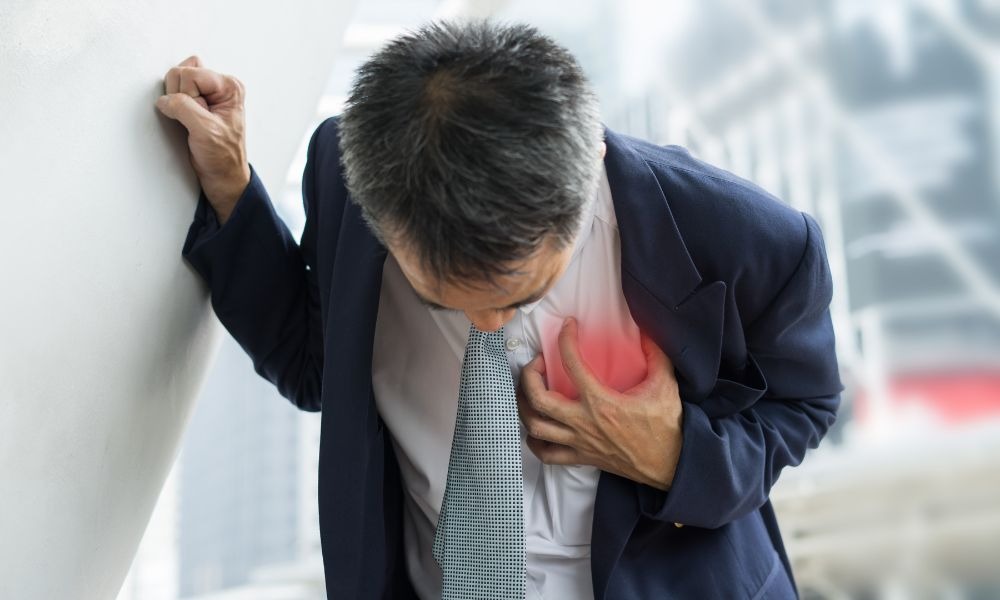
Everyone feels tired from time to time.
A busy week, insufficient sleep, stress, or physical activity can leave anyone feeling exhausted.
But unexplained or unusual fatigue can sometimes accompany cardiovascular problems.
Some people describe feeling unusually drained even when they have not done anything particularly demanding. Everyday activities may suddenly feel more difficult than usual.
Fatigue can have countless causes, including anemia, infections, sleep disorders, medications, hormonal conditions, and psychological stress.
For that reason, fatigue by itself is not a reliable sign of a heart attack.
However, if unusual fatigue appears alongside other symptoms such as chest discomfort, breathlessness, dizziness, or weakness, it deserves greater attention.
Women in particular may experience less typical cardiovascular symptoms, making awareness especially important.
2. Shortness of Breath
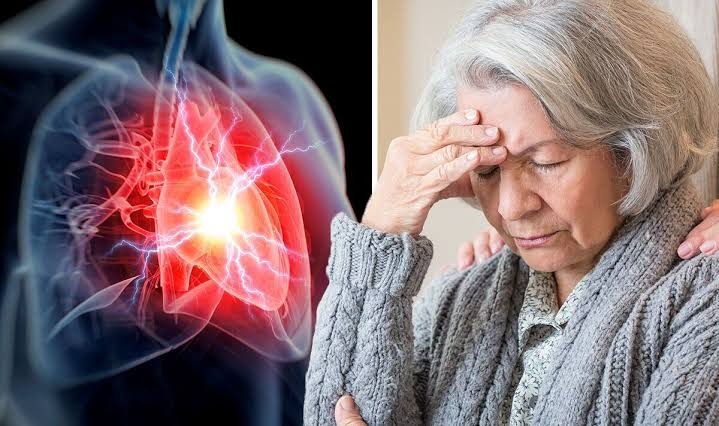
Feeling short of breath after climbing several flights of stairs is usually understandable.
More concerning is breathlessness that appears unexpectedly or during activities that previously felt easy.
Shortness of breath can occur when the heart is unable to circulate blood efficiently or when the lungs are not functioning normally.
Cardiovascular conditions such as heart failure can cause breathlessness because fluid may accumulate in or around the lungs.
Shortness of breath can also occur with asthma, respiratory infections, anxiety, anemia, and numerous other conditions.
The timing matters.
If unexplained breathlessness appears suddenly, becomes severe, or occurs together with chest discomfort, faintness, unusual sweating, or other concerning symptoms, emergency medical evaluation may be necessary.
3. Sudden Weakness
An unexpected feeling of weakness can be another symptom worth paying attention to.
A person might suddenly feel that they have less energy than usual or that ordinary physical activities require considerably more effort.
Again, weakness is extremely nonspecific.
Dehydration, low blood sugar, infection, medication effects, lack of sleep, and many other conditions can produce similar sensations.
However, unexplained weakness occurring together with other cardiovascular symptoms should not simply be ignored.
There is another important consideration: sudden weakness affecting one side of the body, particularly when accompanied by facial drooping or difficulty speaking, can indicate a stroke and requires immediate medical attention.
4. Dizziness or Unusual Sweating
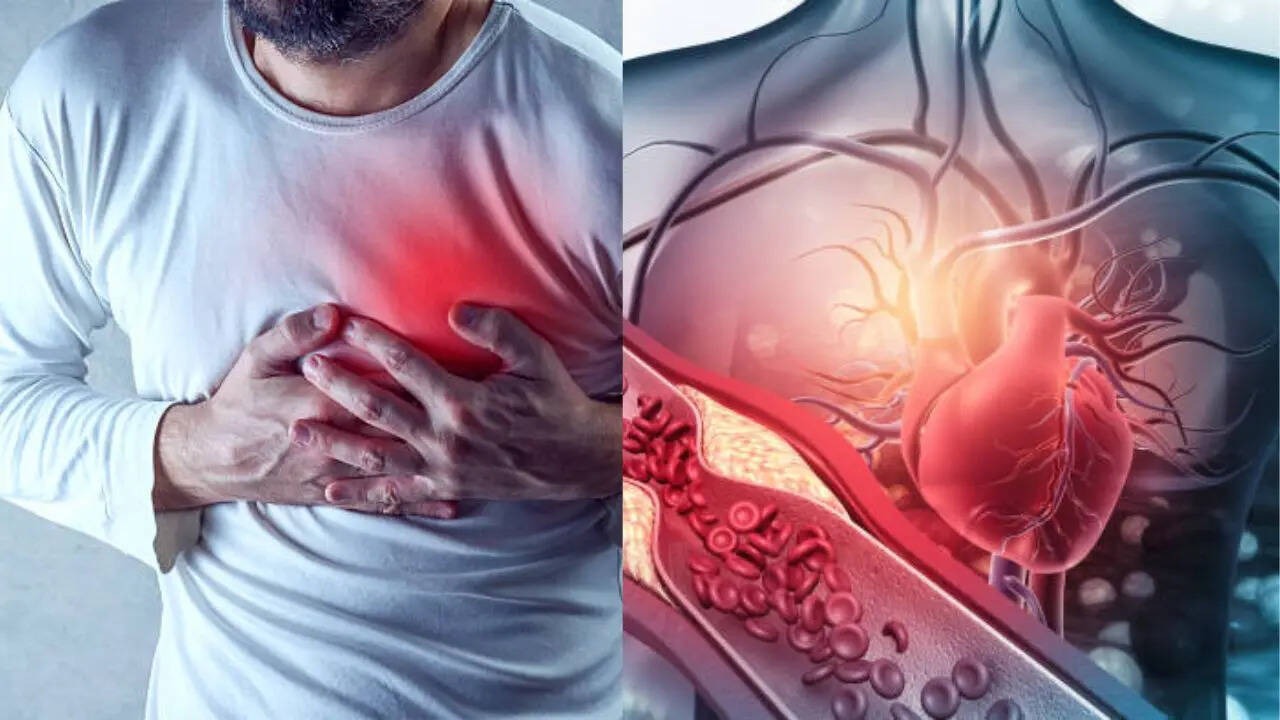
Dizziness can sometimes accompany cardiovascular problems.
If the heart is not maintaining adequate circulation, a person may feel lightheaded or unsteady.
Some people may also experience unusual sweating, including sweating that seems disproportionate to the environment or level of physical activity.
These symptoms can also have many other explanations.
Heat, dehydration, anxiety, low blood sugar, medication effects, and infections are among the possibilities.
But dizziness or unusual sweating accompanied by chest discomfort, shortness of breath, nausea, or weakness can be more concerning.
It is better to have potentially serious symptoms evaluated than to assume they will simply disappear.
5. Symptoms That Feel Like the Flu
One reason cardiovascular symptoms can be missed is that they do not always feel like a heart problem.
Some people have reported symptoms resembling the flu or a general illness before experiencing a cardiovascular event.
Fatigue, nausea, weakness, sweating, and a general feeling of being unwell can have many explanations.
A respiratory infection may cause similar symptoms.
So can food-related illness, stress, dehydration, and numerous other conditions.
The important point is not that flu-like symptoms automatically indicate a heart problem.
Instead, unexplained symptoms become more important when they occur in combination with other warning signs or represent a significant change from a person’s normal health.
6. Chest Pressure or Discomfort
Chest discomfort remains one of the most important symptoms associated with a heart attack.
People sometimes imagine that cardiovascular chest pain must be extremely sharp.
In reality, descriptions can vary.
Some people describe pressure, squeezing, heaviness, tightness, fullness, or an uncomfortable sensation in the chest.
The discomfort may persist for several minutes or come and go.
It may also spread to areas such as the arm, shoulder, back, neck, jaw, or upper abdomen.
Not every episode of chest discomfort is caused by the heart.
Acid reflux, muscle strain, anxiety, and other conditions can produce similar sensations.
Nevertheless, new, unexplained, persistent, or severe chest discomfort should be taken seriously.
If you suspect that you or someone nearby may be experiencing a heart attack, seek emergency medical help rather than attempting to determine the cause at home.
7. Swelling in the Feet or Ankles
Swelling around the feet and ankles can sometimes be associated with cardiovascular conditions, particularly heart failure.
When the heart does not pump effectively, fluid can accumulate in the body.
This may cause swelling in the lower legs, ankles, or feet.
However, swollen feet are not a specific sign of a heart attack.
Standing for long periods, certain medications, kidney problems, vein problems, pregnancy, and other conditions can also cause swelling.
The pattern can provide useful information.
New or worsening swelling accompanied by breathlessness, unusual fatigue, difficulty lying flat, or rapid changes in weight should be discussed with a healthcare professional.
Why Symptoms Can Be Easy to Miss
One of the biggest challenges with cardiovascular symptoms is that they can overlap with ordinary health problems.
A person might blame fatigue on a busy schedule.
They might assume shortness of breath is caused by getting older.
They might attribute nausea to something they ate.
They may even dismiss chest discomfort as indigestion.
This is why looking at the combination of symptoms and the change from a person’s normal condition can be important.
It is also why people with cardiovascular risk factors should discuss their individual risk with a healthcare professional.
Risk can be influenced by factors such as age, high blood pressure, high cholesterol, diabetes, smoking, obesity, family history, and previous cardiovascular disease.
Heart Attack Symptoms Can Differ From Person to Person
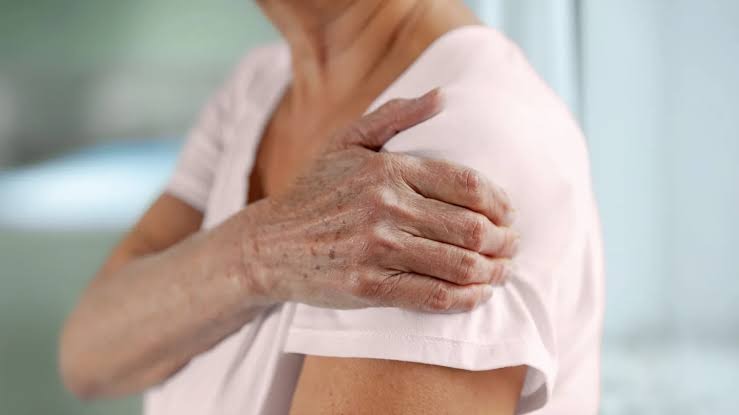
There is no single symptom that every person experiences.
Some people experience obvious chest discomfort.
Others may have symptoms that are less typical.
Women, older adults, and people with diabetes may sometimes experience less classic presentations.
Possible symptoms can include unusual fatigue, breathlessness, nausea, dizziness, sweating, or discomfort in areas other than the center of the chest.
This does not mean that every unusual symptom is a heart attack.
It simply means that people should avoid relying on one stereotypical picture of what a heart attack looks like.
What Should You Do If You Notice Concerning Symptoms?
If symptoms are mild but unusual or persistent, contacting a healthcare professional can help determine whether further evaluation is appropriate.
However, symptoms suggesting an active heart attack require a different response.
New or severe chest pressure, difficulty breathing, fainting, or other symptoms that strongly suggest a medical emergency should be treated as an emergency.
Do not wait to see whether the symptoms eventually disappear.
Do not attempt to drive yourself if emergency medical services are available.
Emergency professionals can begin evaluation and treatment much sooner than someone who waits at home or drives to a hospital.
Prevention Still Matters
Recognizing warning signs is important, but preventing cardiovascular disease is equally valuable.
Regular physical activity, a balanced diet, adequate sleep, avoiding tobacco, managing blood pressure, and keeping cholesterol and blood glucose under control can all contribute to better cardiovascular health.
Routine medical checkups can also help identify risk factors before they become major problems.
You do not need to make every lifestyle change overnight.
Small, sustainable improvements can become meaningful when maintained over time.
The Most Important Lesson
The body does not always communicate in obvious ways.
Sometimes a serious health problem can resemble ordinary fatigue, indigestion, stress, or a lack of sleep.
That is why unexplained or unusual symptoms deserve attention, particularly when several appear together or represent a significant change from your normal health.
At the same time, it is important not to turn every symptom into a prediction of a heart attack.
Fatigue does not automatically mean a cardiovascular emergency.
Dizziness does not automatically mean a heart problem.
Swollen feet do not automatically indicate heart failure.
Symptoms must be interpreted in context by a qualified healthcare professional.
The most useful lesson is therefore not to become frightened by every change in your body, but to become more attentive to significant changes.
Knowing the possible warning signs, understanding your personal cardiovascular risk, and seeking timely medical care when something feels seriously wrong can make a meaningful difference.
If you are experiencing possible heart attack symptoms right now, especially new or persistent chest discomfort, shortness of breath, faintness, or severe weakness, seek emergency medical care immediately.
Sources
American Heart Association, information on heart attack warning signs and symptoms.
National Heart, Lung, and Blood Institute, information on coronary heart disease and heart attacks.
Mayo Clinic, information on heart attack symptoms and emergency response.
National Health Service, information on heart attack symptoms and cardiovascular disease.