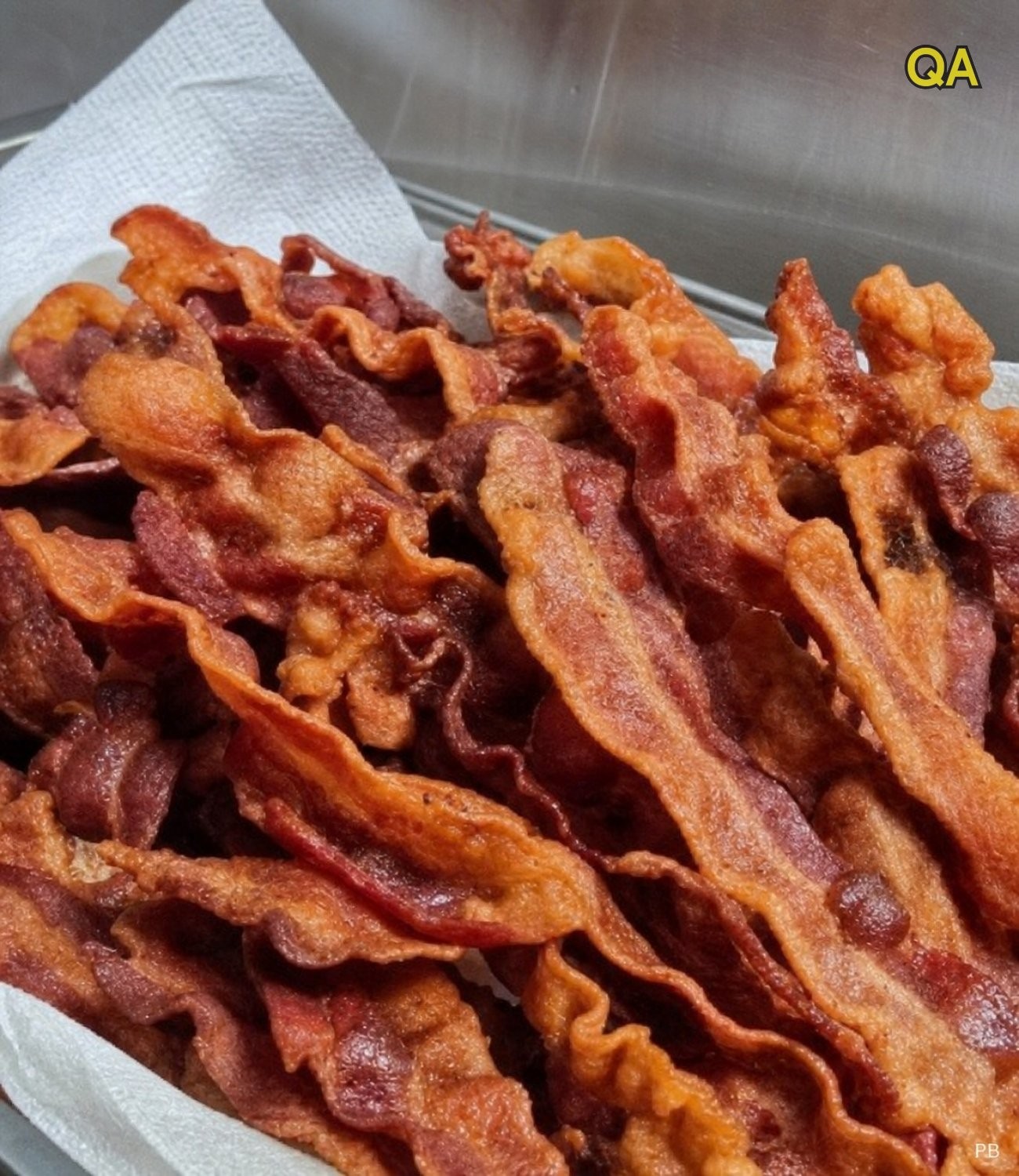
The Bacon You’re Making Is Wrong: How to Achieve Perfectly Crispy Bacon Every Time
Bacon is a beloved breakfast staple across many cultures, prized for its salty, smoky, and savory flavor profile. Yet, home cooks often struggle to achieve consistently crispy and golden bacon strips. Between greasy pans, unpredictable sizzling oil, and chewy or burnt results, a lot can go wrong in the process. However, culinary experts and food scientists agree that a few key techniques can transform the way anyone prepares bacon, delivering shatteringly crisp strips with minimal mess and no constant flipping or oil splatter. This comprehensive guide explores the science behind bacon cooking, common pitfalls, and proven methods to upgrade your bacon-cooking game, all while making cleanup effortless.
Understanding the Science of Bacon
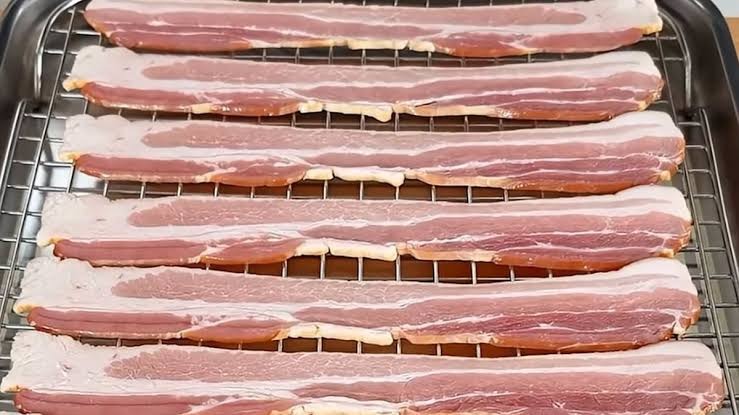
Bacon is typically made from pork belly that has been cured, smoked, and sliced. The composition of bacon is approximately half fat and half lean meat. Cooking bacon correctly involves rendering out the fat while crisping the meat without burning it. The goal is to maintain an even balance of texture and flavor: tender yet crunchy, rich without excessive greasiness.
When bacon cooks, the heat causes water and fat within the meat to be released. If cooked over too high a temperature, water evaporates too quickly and the bacon remains chewy as the fatty tissues have not properly rendered. Conversely, low and slow heat encourages thorough fat rendering, resulting in crispiness and a satisfying mouthfeel. Thus, temperature control, cooking surface, and bacon arrangement all play vital roles in achieving ideal bacon.
Common Mistakes When Cooking Bacon
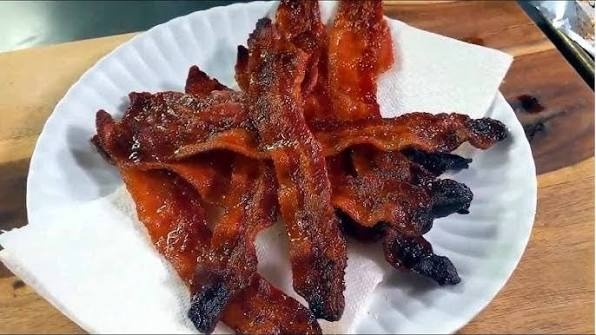
Many home cooks make similar mistakes that result in less-than-ideal bacon. These include:
- Crowding the Pan: Overlapping strips trap steam and prevent even cooking, leading to soggy pieces.
- High Heat Cooking: High temperatures cause bacon to scorch on the outside while remaining limp inside, with oil splatter making cleanup difficult.
- Inadequate Flipping or Stirring: Some methods necessitate constant flipping, which disrupts the strip’s shape and causes uneven browning.
- No Draining Step: Not allowing bacon to shed excess fat after cooking can result in grease-drenched strips.
By understanding and avoiding these errors, anyone can set the stage for bacon perfection.
The Best Method: Oven-Baked Bacon With a Pantry Staple
Food professionals commonly agree that cooking bacon in the oven delivers the best results. This method uses indirect heat to render fat evenly and requires minimal intervention. The addition of one simple pantry ingredient—parchment paper—can be transformative. Here’s how it’s done:
- Preheat the Oven: Set your oven to 400°F (200°C) for a balance of crispness and gentle rendering.
- Prepare the Tray: Line a rimmed baking sheet with parchment paper. This not only makes cleanup a breeze, but also helps absorb some fat, promoting crispiness.
- Arrange the Bacon: Lay out bacon strips side by side without overlap. If baking a large quantity, use multiple trays rather than overlapping slices.
- Bake: Place the sheet on the middle oven rack and bake for 15-20 minutes, depending on desired crispness and bacon thickness. There’s no need to flip: heat circulates evenly and renders both sides simultaneously.
- Drain: Transfer bacon to a plate lined with paper towels and blot away excess grease for extra crunch.
This method eliminates stovetop oil spatters, reduces active monitoring, and guarantees uniform golden edges. The parchment paper absorbs much of the extra fat while allowing the strips to cook in their own smoky drippings for superior flavor and texture. Cleanup is as easy as discarding the paper—no stubborn grease left in the pan.
Expert Tips for Even Better Bacon
- Start With Cold Bacon: Placing bacon in a cold oven lets the strips gradually come up to temperature, rendering fat steadily instead of shocking the meat and causing curling or burning.
- Try a Wire Rack: For maximal crispiness, set a wire cooling rack over the parchment-lined tray and arrange bacon on top. This lets excess fat drip away, reducing risk of sogginess but still maintaining enough moisture for flavor.
- Seasonings: Elevate flavor by sprinkling ground black pepper, brown sugar, or a dash of smoked paprika on the slices before cooking.
- Use Quality Bacon: Thick-cut artisanal bacon often renders more evenly and remains succulent inside, even with a crispy exterior.
- Batch Cooking and Storage: Cook extra bacon and store in an airtight container in the refrigerator for up to a week. Reheat in a dry skillet or bake briefly for quick meals.
Alternatives: Other Popular Bacon Methods
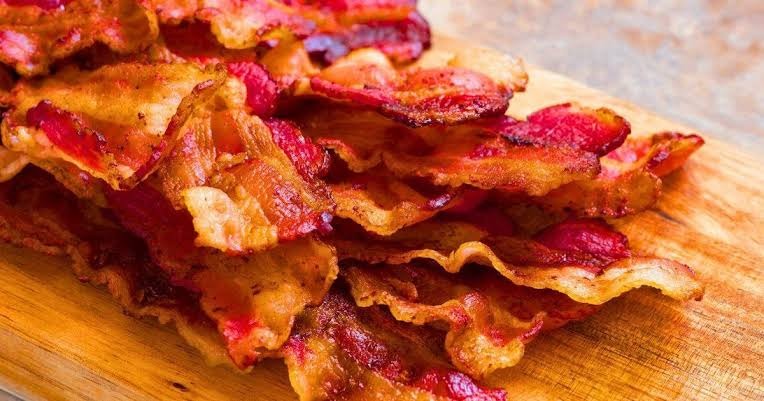
While the oven method is widely recommended, several alternative cooking approaches deserve mention:
- Skillet Frying: Classic but messy. Cast iron pans are superior for even heat. For best results, cook over medium-low and flip often. Drain on paper towels after cooking.
- Microwave Cooking: Quick and convenient, but can result in uneven cooking unless slices are spaced and sandwiched between paper towels. Preferred for speed over perfection.
- Air Fryer: Increasingly popular for those with countertop appliances. Circulating hot air creates crisp bacon in less than ten minutes with minimal oil. Check frequently to avoid overcooking.
- Grilling: Ideal for a smoky, charred flavor. Use indirect heat to avoid flare-ups and burnt edges. Watch carefully, as grilling can cook slices rapidly.
Each method has advantages and trade-offs. The choice depends on available equipment, desired bacon texture, and time constraints.
Health Considerations in Cooking Bacon
Bacon, while delicious, should be enjoyed in moderation. It is high in saturated fat, sodium, and, depending on the curing method, may contain nitrites or nitrates. These compounds, when consumed in excess, have been associated with increased health risks, according to the World Health Organization and the Centers for Disease Control and Prevention.
- Fat Content: Oven baking or using a wire rack helps reduce the amount of fat in cooked bacon.
- Processed Meats: Opt for bacon brands with minimal additives or “uncured” labels to lower preservative intake.
- Balanced Diet: Serve bacon with nutrient-dense foods like whole grains, fruits, and vegetables to encourage an overall healthier meal.
Bacon’s Cultural Appeal and Societal Impact
Bacon’s popularity extends beyond breakfast. It features in everything from gourmet sandwiches and salads to innovative desserts. Its rich historical legacy stems from ancient preservation methods, making it a cornerstone of traditional European, American, and Asian cuisines. Social media platforms have fueled bacon’s cult status with viral recipes, “bacon hacks,” and creative food trends. Internationally, interpretations vary: some cultures opt for beef or turkey bacon, while others season and smoke their pork with distinctive spices and woods.
Restaurants and chefs have capitalized on bacon’s wide appeal, introducing variations like candied bacon, bacon-wrapped entrées, and even plant-based alternatives for vegetarians. The versatility and comfort-food vibe of bacon continue to influence food trends and inspire home cooks around the globe.
Expert Perspectives on the Best Way to Cook Bacon
Culinary professionals widely prefer the oven-baked method for its consistency, ease of preparation, and superior results. According to renowned food publications and experts quoted in outlets such as BBC Good Food and The New York Times Food, oven baking ensures even heat distribution, minimizes mess, and is easily scalable for large groups. Food scientists emphasize that the use of parchment paper or a wire rack helps draw excess fat away from the strips, intensifying crispness without burning. Nutritionists and public health experts also advocate for baking as a healthier method, reducing contact with burnt particles and lessening overall fat content.
Conclusion: Elevate Your Bacon, Every Time
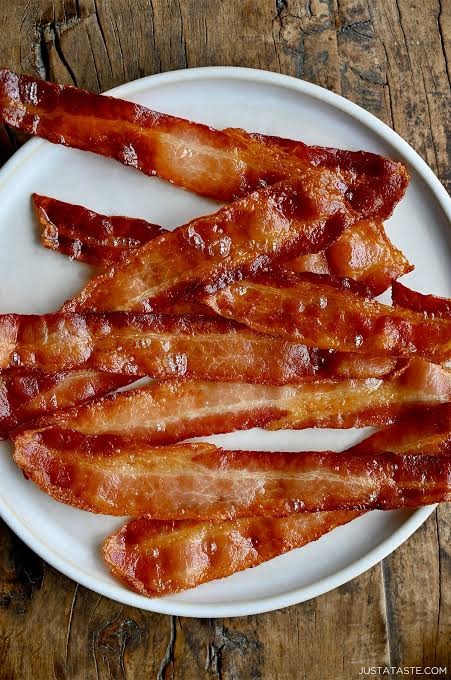
Avoiding chewy or greasy bacon comes down to understanding the science of bacon and following tested techniques backed by professionals. Oven-baked bacon, especially when aided by a rimmed tray and parchment paper, promises crisp, golden results with minimal fuss and cleanup. Complement your practice with quality ingredients, even temperatures, and creativity in seasonings for an elevated bacon experience every time. Respecting the balance between flavor and health considerations ensures that bacon remains an enjoyable treat at your table.
Sources
- BBC Good Food – How to Cook Bacon
- The New York Times – Food Section
- CDC – Know Your Limit for Sodium
- World Health Organization – Salt Reduction Fact Sheet
- Reuters – Bacon Cooking Health
- Mayo Clinic – Bacon FAQ
Disclaimer: This content is intended for entertainment purposes only and is not based on real events.