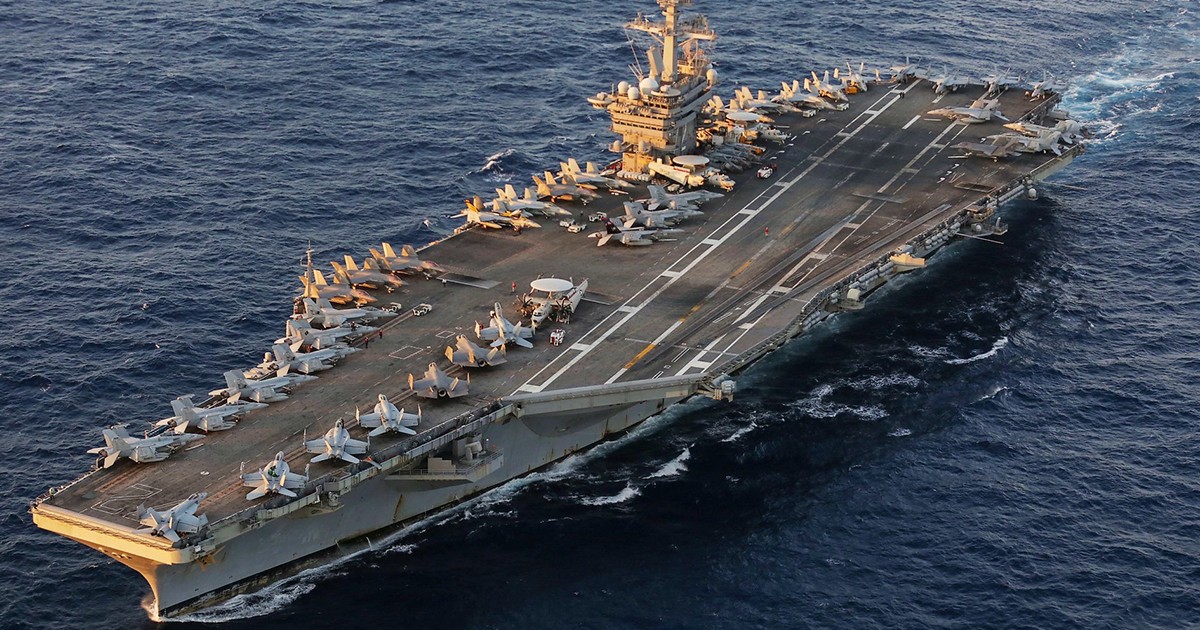
USS Abraham Lincoln Crew Faces Growing Mental Health Concerns Amid Prolonged Deployment
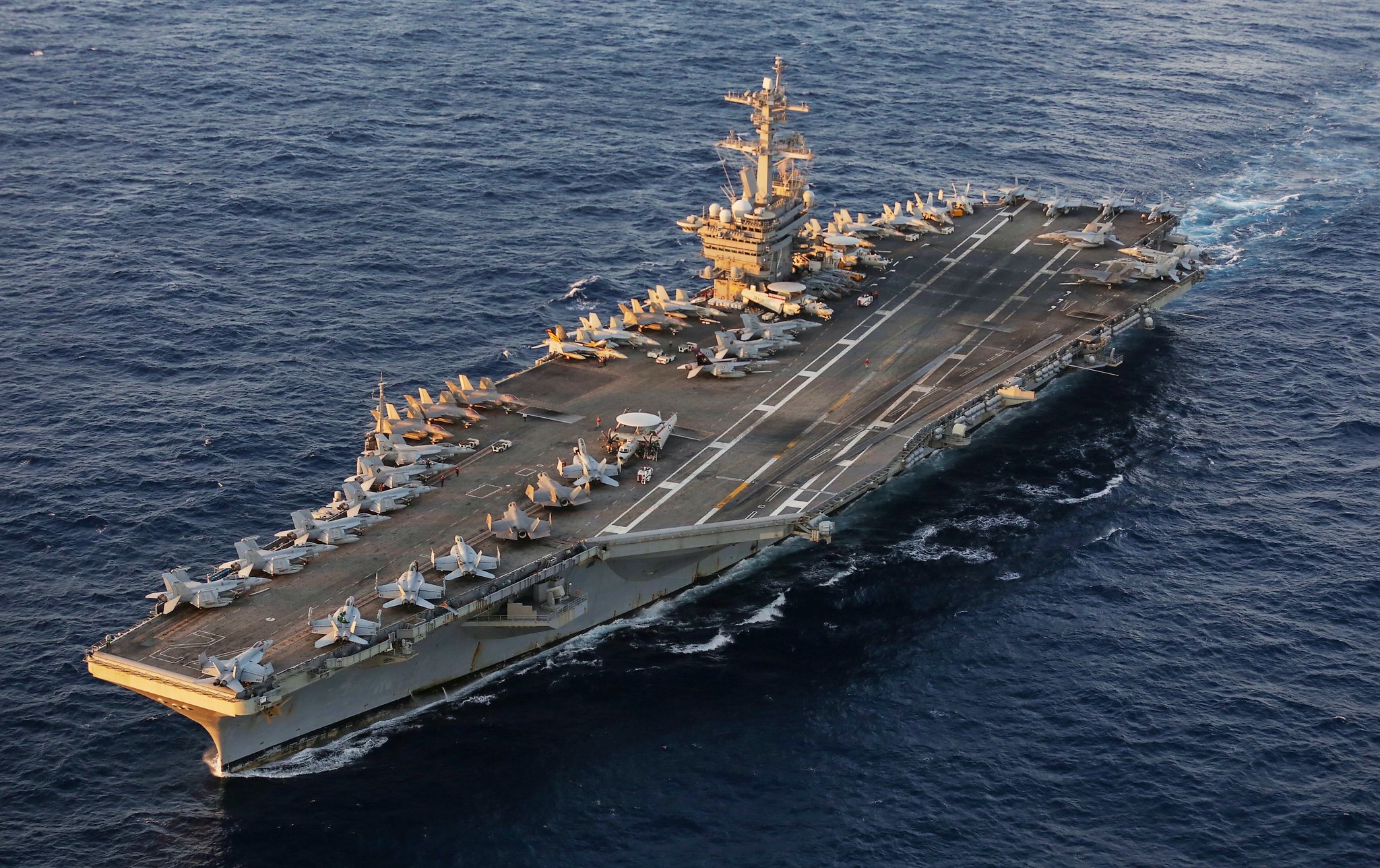
As the USS Abraham Lincoln approaches its ninth consecutive month at sea in the Middle East, approximately 5,000 American sailors and Marines aboard are facing unprecedented challenges. The aircraft carrier, which departed San Diego on November 21, 2025, is on track to mark the longest at-sea deployment in modern U.S. Navy history. This historic deployment through the volatile region of the Strait of Hormuz has prompted growing worry among military families, healthcare professionals, lawmakers, and the public regarding the crew’s wellbeing and living conditions.
The Lengthy Mission and Its Strain on Sailors
The USS Abraham Lincoln’s current mission, originally expected to last several months, has been repeatedly extended due to shifting security situations in the region. According to Forbes, as it nears the 250-day mark without a port call, this deployment is setting a new benchmark for the length of U.S. Navy missions, surpassing prior records and significantly taxing the resilience of its crew.
The combination of operational uncertainty, lack of shore leave, and the high-pressure environment of the Middle East has led to mounting psychological and physical pressures for those aboard. Military spouses and advocacy groups have voiced concern that the toll of isolation and unrelenting stress threatens to overwhelm service members. Reports backed by The Navy Times and Stars and Stripes have documented incidents where emotional distress among sailors has manifested in desperate measures.
Mental Health Crisis Onboard: First-Hand Accounts
Family members have come forward at town halls and in press interviews to share distressing stories from their loved ones onboard. Annabelle Loma, whose husband serves on the USS Abraham Lincoln, reported that he became so overwhelmed by repeated extensions at sea that he attempted to go overboard. “He’s scared. He thinks he’ll get a dishonorable discharge, and just because he was burnt out, his 13-year career is ruined, just like that,” Loma said, emphasizing the severe emotional turmoil service members are enduring.
Another spouse shared a deeply unsettling message from her husband in which he wrote that “he hopes he doesn’t wake up tomorrow,” highlighting the seriousness of the mental health risks being faced by some sailors. Such direct statements from families are bringing attention to issues that can often remain hidden within military life, especially in the high-pressure bubble of an extended naval mission at sea.
Concerns Over Living Conditions and Nutrition
Alongside worries about psychological health, many military families and some crew members have drawn attention to the basic living conditions aboard the carrier. Photographs reportedly sent home by sailors and shared on social media have underscored these challenges, with images showing unappetizing and sometimes scant meals—such as a single portion of boiled carrots, a dry meat patty, and a piece of gray processed meat. Others have described receiving meals with only half a cup of rice and a pair of tortillas, suggesting that portions and quality may not align with recommended standards for nutrition under stressful conditions.
Sailors also reported difficulties with shipboard facilities, including complaints about mold in showers, malfunctioning toilets, and long periods without hot water. These issues, while not uncommon on aging naval vessels, appear particularly acute during a deployment of unprecedented length and limited opportunities for repairs while at sea.
Challenges of Delivering Support: Delivery Delays of Care Packages
In response to reports of worsening morale, community organizations and families have endeavored to support the crew by sending care packages stocked with food, hygiene products, and fresh essentials. However, logistical complications have added to frustrations.
Due to the ongoing conflict and regional security risks, the U.S. Postal Service has indefinitely suspended mail delivery to 27 military ZIP codes in the Middle East. According to officials, this step was necessary due to regional airspace closures. Maj. Travis Shaw, an Army spokesperson, said, “Resumption of mail service is contingent upon the reopening of airspace by civil authorities, and the area commander’s evaluation of regional transportation and distribution stability.” Consequently, many packages sent by families have become stalled in transit, further depriving the crew of small comforts and connections to home as their mission drags on.
For many family members, the inability to deliver even modest comforts to their loved ones amplifies the sense of helplessness and anxiety that has accompanied this deployment. In a high-stress situation, maintaining morale and mental connection to home is critically important, and these logistical hurdles are adding another layer of strain for both sailors and families back in the United States.
Dispute Between Officials and Families Over Shipboard Conditions
The growing media attention and personal testimonies have spurred a contentious public debate between military officials and the families of service members. Defense Secretary Pete Hegseth dismissed some media reports as “more fake news,” stressing that the Department of Defense’s commitment to ensuring each ship and crew receives the best support possible under demanding conditions.
“Every ship, every crew, every captain has everything we can provide them at every single moment,” Hegseth noted in response to criticism, acknowledging the extraordinary sacrifices made by personnel but defending the handling of the deployment. The Defense Secretary insisted that there is a sincere desire from leadership—including himself, his commanders, and President Trump—to bring the sailors home as soon as feasible.

Navy spokespeople have reiterated that the Abraham Lincoln maintains access to clean water, functional air conditioning, and nutritious meals at all times. They point to the continuing presence of counselors and chaplains to support those experiencing emotional or psychological difficulty. Nevertheless, these statements have not put the matter to rest among families or lawmakers who continue to highlight complaints and personal stories of hardship.
Congressman Mike Levin, for example, strongly criticized the situation, arguing that “these men and women signed up to serve their country. The least their country owes them is hot water, a working toilet and a real meal.” He also accused administration officials of dismissing and disregarding the suffering of sailors and their families by denying their reports.
Mental Health in Military Deployments: Broader Context
The challenges on the USS Abraham Lincoln echo larger, well-documented concerns regarding mental health within active-duty military ranks. Prolonged deployments are known to increase the risk of depression, anxiety, and other psychological difficulties among personnel. According to a 2025 study published in the journal Military Medicine, nearly half of surveyed sailors deployed at sea reported feeling under-supported in managing stress. The study highlights how constant environmental noise, disrupted sleep schedules, limited privacy, and restricted access to professional medical or psychological care can all exacerbate psychological strain.
Research also notes that, while support services are offered on board in the form of peer counselors, chaplains, and telemedicine consults, barriers to accessing help—such as stigma and and the close-knit nature of crews—may prevent some sailors from seeking assistance. The unique and relentless stressors experienced aboard deployed vessels present a significant challenge to mental health professionals within the military health system.
Experts argue that prolonged missions, especially those extended without much notice or clear timelines, can breed frustration, uncertainty, and a sense of isolation among crew members. Without routine access to port calls—where crews can rest, recover, and connect with families—stress becomes cumulative, making even small inconveniences or discomforts feel overwhelming.
Official Navy Response and Efforts to Support Service Members
In light of the scrutiny, Navy leadership maintains that they are closely monitoring the situation and investigating all credible reports of hardship. Official statements clarify that infrastructure on the Abraham Lincoln is being maintained and that efforts are ongoing to safeguard both physical and psychological wellbeing for those aboard. They also highlight the availability of expanded telemedicine resources and guidance for commanders to facilitate rest wherever possible.
At the policy level, ongoing discussions among lawmakers, military health experts, and the Department of Defense are exploring how to balance mission needs with the mental health requirements of service members. Enhanced transparency, improved logistics for care packages, and more robust mental health services at sea are among the options being considered for future long deployments.
Societal and International Reaction
The situation on the USS Abraham Lincoln has sparked conversation well beyond military families and government officials. Veteran organizations and mental health advocacy groups have called for greater recognition of the psychological consequences of extended deployments and for the military to increase investment in shipboard welfare and support infrastructure. International observers have also noted the difficulties faced by U.S. personnel operating in a high-stress, geopolitically tense environment, highlighting the unique challenges faced by modern navies conducting extended operations far from home.
Public debate continues, focusing on how best to prepare service members for such missions and, when possible, limit the length of deployments to reduce harmful outcomes.
Conclusion
The USS Abraham Lincoln’s record-setting deployment highlights the complex, multifaceted challenges of 21st-century military operations. Balancing national security, logistical realities, and the mental and physical health of personnel requires continued attention and adaptive solutions. As the ship continues its mission, the experiences of its crew serve as a stark reminder of the sacrifices made by those in uniform—and the ongoing responsibility of military leadership, lawmakers, and society as a whole to support them.
Sources
- Forbes
- The Navy Times
- Stars and Stripes
- Military Medicine (Oxford Academic)
- Reuters
- BBC
- U.S. Department of Defense
Disclaimer: This content is intended for entertainment purposes only and is not based on real events.