A Secluded 1.5-Acre Property: Exploring the Practical and Emotional Appeal of Private Retreats
Introduction: Escaping the Noise and Embracing Nature
In an increasingly busy world, the idea of escaping traffic, close neighbors, and relentless noise is appealing to many. A secluded 1.5-acre property represents an opportunity to step away from the hustle and bustle of urban and suburban life. Nestled in quiet surroundings, such a property can offer the tranquility and privacy that many people crave, particularly in an age where personal space and silence have become rare commodities.
The Allure of Mature Trees, Open Space, and Natural Features
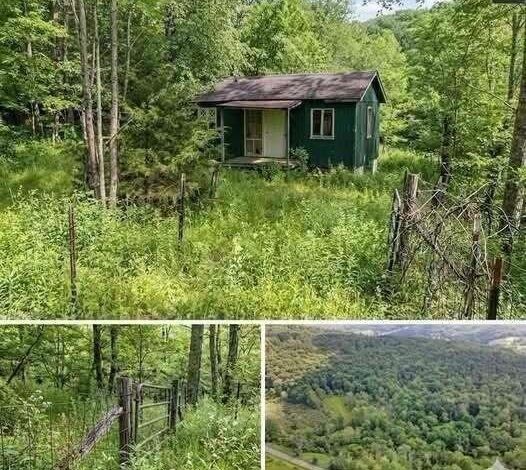
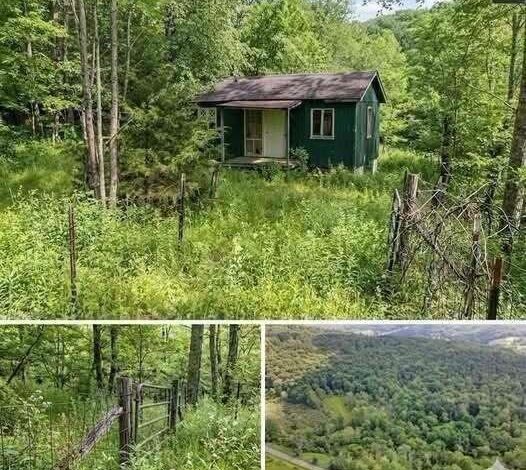
One of the defining features of this property is its landscape. Mature trees offer not only aesthetic beauty but also provide shade, enhance privacy, and attract local wildlife. The presence of a small creek running through the property adds to the sense of serenity and offers possibilities for birdwatching, relaxation, or simply enjoying the sights and sounds of nature. The natural open space surrounding the bungalow creates an atmosphere similar to that of a secluded retreat—inviting owners and guests alike to slow down, observe, and recharge in a peaceful environment.
The EF Hodgson Bungalow: Modest Foundations, Endless Possibilities
At the heart of the property stands a compact 10-by-16-foot EF Hodgson bungalow. Although modest in size, this classic structure is notable for its adaptability. Depending on the owner’s vision and resources, it might serve as a weekend get-away, a peaceful reading room, a creative studio, or a simple off-grid base with meaningful upgrades. The building’s simplicity also means that buyers have the flexibility to customize the space to fit their needs, whether that involves interior renovations, exterior additions, or modern sustainability upgrades.
Self-Sufficiency and Off-Grid Potential
The property’s secluded location and modest footprint present unique opportunities—and challenges—for self-sufficient living. For those interested in sustainability, solar panels for electricity generation, rainwater collection systems, and efficient heating solutions such as pellet stoves or miniature wood burners can support an off-grid lifestyle. However, it’s important to acknowledge that pursuing self-sufficient living requires careful planning and a clear understanding of local regulations. Zoning laws, building codes, and environmental policies may influence which upgrades are feasible or legally permissible.
Enjoying the Surroundings: Gardening, Wildlife, and Outdoor Activities
The generous amount of land offers ample space for gardening, allowing residents to grow their own fruits, vegetables, and flowers. The proximity to mature trees and a creek supports a rich ecosystem, inviting opportunities for observing birds, small mammals, and other native wildlife. The property’s layout encourages quiet outdoor activities—such as meditation, yoga, reading, or simply appreciating the changing seasons. For those seeking more adventurous pursuits, being within driving distance of hiking trails, lakes, and recreation areas adds yet another dimension to the lifestyle that this property can support.
Proximity to Amenities and Considerations for Everyday Living
While the property delivers on seclusion, it does not necessarily mean total isolation. Depending on the region, small shops, trails, lakes, and recreation centers may remain accessible by car. Practical considerations, however, should not be overlooked when purchasing or managing rural or semi-remote real estate. Prospective buyers should thoroughly verify critical aspects such as:
- Access: Confirm legal and physical access to roads and paths to prevent disputes or unexpected obstacles.
- Title: Make sure there is a clear, unencumbered title to the property with no unresolved claims.
- Utilities: Assess available services for water, electricity, internet, and waste disposal.
- Zoning: Review local zoning and land-use policies that may affect habitation or future improvements.
- Flood Risk and Terrain: Evaluate the likelihood of flooding, erosion, or other natural risks based on geography.
- Structural Condition: Inspect the bungalow and other improvements for safety, legal compliance, and required maintenance.
Affordability and Appeal: A Different Kind of Luxury
This property’s appeal does not lie in high-end finishes or luxury amenities. Instead, it offers affordable space and the possibility of a slower, less cluttered lifestyle close to nature. For many, this represents a chance to recalibrate their daily routines, enjoying more time outdoors, engaging in hands-on activities, and finding satisfaction in simplicity rather than opulence.
The Importance of Practicality: Avoiding the Pitfalls of Viral Sensations
The concept of owning a remote or self-sufficient property is often popularized—and sometimes oversimplified—via viral social media posts or internet stories. While these anecdotes inspire curiosity, they frequently omit important details. For example, what starts as an inspirational story about off-grid living may leave out crucial context: local laws, seasonal challenges, ongoing maintenance, and the importance of reliable equipment can all change the outlook from idyllic to impractical if not taken seriously.
It is essential to approach these stories with a practical mindset, fully acknowledging that each situation is unique. What works perfectly for one person or family might not suit another due to differences in location, financial resources, health, skills, or risk tolerance. Broad generalizations rarely account for the nuances that affect safety, legality, and quality of life.
Healthy Decision-Making: Verification and Safety First
When considering any major decision—particularly those shared online—verification is crucial. Whether evaluating property prices, examining health claims, or preparing for emergencies, the following practices can help ensure decisions are grounded in reality:
- Review the original source: Double-check the credibility and date of articles or posts.
- Understand conditions and requirements: Identify all factors affecting claims, especially regarding property, health, or emergencies.
- Confirm exclusions: Be aware of costs or factors not mentioned up front, such as fees, taxes, or special requirements.
- Consult experts: For legal, medical, or technical questions, seek advice from official sources or licensed professionals.
Following routine safety precautions—such as adhering to manufacturer instructions, heeding official warnings, and abiding by local laws—reduces avoidable risks and empowers owners to manage their property responsibly. These steps may seem less exciting than trendy online strategies, but they are grounded in experience and established best practices.
The Value of Context: Avoiding Unnecessary Fear and Misconceptions
Context matters greatly when interpreting unfamiliar sights, sounds, or information on a secluded property. Not every unknown insect, subtle symptom, or unusual event is cause for alarm. Calm observation, systematic investigation, and ongoing education are vital for distinguishing genuine concerns from innocuous experiences. Panicking in response to every anomaly can counteract the intended peace and enjoyment of living closer to nature, while ignoring legitimate warnings may create hazard.
Recognizing When to Seek Professional Help
Although self-sufficiency and self-reliance are major draws of remote living, it is critical to understand their limits. Mechanical defects, infrastructure failures, injuries, and serious medical issues require prompt attention from qualified professionals. Being able to identify these situations and knowing when to call for help is just as important as mastering everyday repairs or troubleshooting small problems on your own. The balanced approach means steering clear of both excessive worry and careless indifference.
Translating Information into Informed Action
Ultimately, the greatest value of stories about secluded properties or unconventional lifestyles lies in the lessons they offer—not simply the surprise or excitement they generate online. Learning the underlying concepts, taking reasonable precautions, and adapting general advice to specific circumstances allows individuals to make informed, safer choices. Information achieves its true worth when it improves outcomes, personal safety, or decision-making, not just when it shocks or entertains.
A Measured and Empathetic Approach: The True Takeaway
Stepping back from the details, the narrative’s core becomes clearer: meaningful living in a secluded location is not a matter of following viral trends, but of asking relevant questions and maintaining practical, balanced judgment. Readers can reflect on which details they overlook, examine their assumptions, and seek the right information to guide their choices. This approach encourages empathy, accuracy, and a thorough understanding of the consequences of each decision—qualities that serve anyone well, whether they dream of a countryside retreat or remain in an urban setting.
Conclusion: Building a Life Close to Nature with Caution and Clarity
Owning or considering a secluded 1.5-acre property with a simple bungalow invites a conscious blending of aspiration and realism. The setting is peaceful and full of potential, but demands careful planning, respect for local laws, and a commitment to ongoing safety. By seeking out reliable information, following verified guidance, and adapting theory to practice, owners can transform a private retreat from fantasy into a sustainable and fulfilling lifestyle—one marked by both freedom and responsibility.
Sources
Disclaimer: This content is intended for entertainment purposes only and is not based on real events.