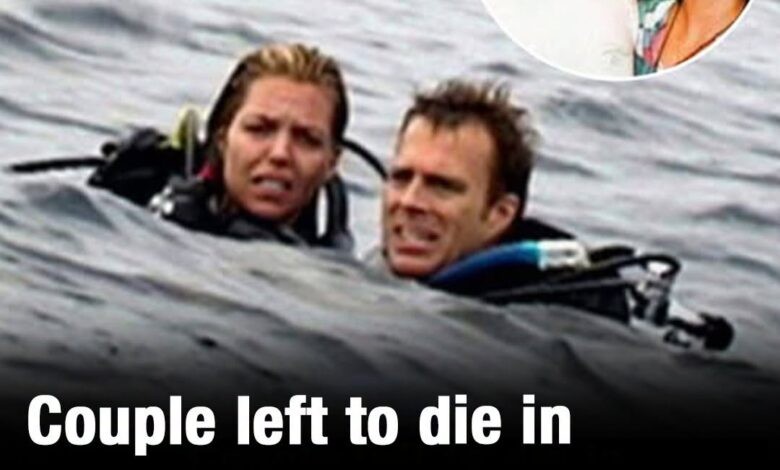
Tom and Eileen Lonergan: The Enduring Mystery of the Great Barrier Reef Disappearance
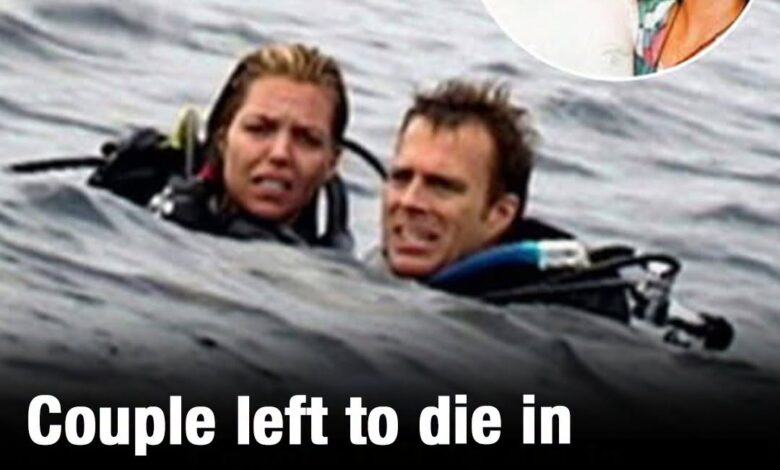
Introduction
The fate of Tom and Eileen Lonergan, who vanished off Australia’s Great Barrier Reef in January 1998, has remained one of the world’s most perplexing and debated maritime mysteries. The circumstances surrounding their disappearance have generated extensive investigation, media coverage, and public discussion. Beyond the immediate tragedy, the case has become a crucial example in discourses about adventure tourism safety, risk management, and the responsible dissemination of information online about emergencies. This article examines the facts, context, investigation, and broader lessons to be drawn from the Lonergan case.
The Disappearance: Timeline and Details
Tom and Eileen Lonergan were experienced divers from the United States who joined a group scuba diving trip to the Outer Edge of the Great Barrier Reef, departing from Port Douglas, Queensland. On January 25, 1998, they boarded a commercial dive vessel with other tourists for a day of diving at St. Crispin’s Reef, an area popular for its vibrant marine life and crystal-clear visibility.
The tragedy unfolded due to a series of cascading errors. At the end of the final dive, the boat crew performed a headcount to ensure all participants were back on board. However, confusion and incorrect reporting meant that Tom and Eileen were not missed. The vessel left the reef site and returned to port, inadvertently abandoning the couple in open water miles from shore. It was not until two days later—when staff at the dive company discovered uncollected belongings and realized discrepancies in their logs—that the alarm was raised and a massive search and rescue operation began.
The Search Efforts
Once the absence of the Lonergans was confirmed, emergency services launched one of the largest search operations in Australian maritime history. Aircraft, boats, and coordinated personnel combed vast stretches of ocean. However, neither the Lonergans’ bodies nor any definitive evidence of their fate was ever recovered during these efforts.
In the weeks following the search, some of the couple’s personal gear, including wetsuits and an inflatable diver’s surface marker, washed ashore. Particularly haunting was a damaged dive slate—a tool used for underwater communication—inscribed with a desperate plea for help and the date of their disappearance. This finding indicated that at least one of the Lonergans survived on the surface for some hours, if not days, after being left behind.
Investigative Challenges and Theories
The case quickly garnered international attention, not just for the tragedy itself but for the unsettling questions it raised. Was this simply a case of catastrophic human error, or was there more to the story? Investigators and journalists explored multiple possible scenarios.
Careful scrutiny was given to journals found in the Lonergans’ hostel room prior to the trip. Tom Lonergan had made introspective, at times bleak, musings about mortality, while Eileen’s writings described concerns about Tom’s well-being and the effect that might have on her own safety. These diary entries sparked speculation about whether the couple had gone missing deliberately. However, after a thorough review, authorities found no concrete evidence to support theories of a staged disappearance or suicide pact: no subsequent bank activity, insurance claims, or credible witness sightings were ever uncovered.
Investigators ultimately concluded that the Lonergans were almost certainly victims of an accidental abandonment, a theory supported by material evidence and the complete lack of life activity post-disappearance.
The Impact on Diving Safety Standards
The Lonergan case triggered a far-reaching reassessment of safety practices across Australia’s diving industry and beyond. Prior to the incident, standard procedures for registering and accounting for diving guests were often informal and inconsistently enforced. The disaster exposed how a simple procedural lapse—an inaccurate headcount and inadequate cross-checks—could lead to lethal consequences even among experienced divers and seasoned operators.
In the aftermath, Australian authorities and international diving associations updated regulations for commercial operations:
- Mandatory roll calls and the use of written checklists before departure from dive sites.
- Additional crew training on emergency procedures and passenger tracking.
- Stricter licensing and auditing of tour operators.
- Wider use of diver location markers, personal locator beacons, and redundant safety gear.
These regulatory revisions have been widely credited with reducing the risk of similar tragedies and improving confidence in the adventure tourism sector. Today, divers visiting the Great Barrier Reef and other marine attractions are routinely briefed with detailed safety instructions, and both operators and guests are encouraged to remain vigilant throughout their excursions.
Media Coverage, Public Reactions, and Cultural Impact
The puzzling circumstances of Tom and Eileen Lonergan’s disappearance made headlines across the globe. While reporters largely respected the gravity of the situation, some speculative narratives circulated online, with social media amplifying unsubstantiated rumors about the couple’s relationship or intentions. High-profile news outlets emphasized the importance of basing conclusions on verifiable facts, with editorial commentary highlighting the ethical responsibility for careful reporting during ongoing investigations.
The story inspired further fascination in popular culture, most notably serving as the partial basis for the 2003 survival film “Open Water.” However, media scholars and risk analysts note that Hollywood dramatizations, while raising awareness, can sometimes distort public understanding of real-world events and safety realities.
Within the scuba diving community and among adventure travel enthusiasts, the Lonergans’ story became widely discussed as a cautionary tale. It reinforced the crucial importance of individual preparedness, clear communication, and systematic adherence to safety protocols. The case is frequently cited in training programs worldwide, supporting a culture of responsible exploration informed by the lessons of the past.
The Importance of Critical Thinking in Interpreting Viral Events
The disappearance of Tom and Eileen Lonergan is routinely referenced in discussions of how tragedies are interpreted—and at times misrepresented—both in traditional and online settings. Viral accounts may recount gripping details but often lack the nuance needed to accurately convey circumstances and risk factors.
For readers, verification and context are essential when encountering stories concerning adventure, emergency, or safety. Before drawing conclusions or sharing content, it is important to ask basic questions:
- Who originally reported the information, and are they credible?
- Are claims supported by evidence from primary sources or reputable agencies?
- Does the coverage account for all relevant details, or does it oversimplify complex events?
For example, an emergency rule-of-thumb circulated online may not apply in all situations or jurisdictions. Regulations, local conditions, equipment standards, and health guidelines can vary, so personalized assessment and professional consultation are usually prudent steps.
Balancing Caution and Calm: Lessons for Individuals and Industry
The Lonergan tragedy is a powerful reminder of the delicate balance between vigilance and overreaction. Sensible risk management benefits from observing established procedures, recognizing the limits of general advice, and knowing when to seek expert guidance. Readers should approach unusual or dramatic headlines with both healthy skepticism and empathy for those involved, as sensational reporting can obscure the actual facts and prevent constructive discussion.
Emergency situations require immediate action, but those responses are most effective when rooted in reason and supported by up-to-date knowledge. Whether embarking on adventurous travel or facing routine decisions at home, applying critical thinking, following regulatory guidance, and engaging professionals when warranted are strategies that reliably reduce avoidable harm.
Conclusion: Enduring Questions and Practical Wisdom
The saga of Tom and Eileen Lonergan remains a haunting mystery, not only for what happened on the surface of the Great Barrier Reef, but for the enduring social and ethical considerations it has prompted. While we may never know precisely how their final hours unfolded, the case has yielded vital lessons for safety, media literacy, and human judgment. As individuals and communities, facing uncertainty with balance, openness to evidence, and a commitment to learning from experience is the surest foundation for preventing similar losses in the future.
Ultimately, the value of retelling the Lonergan story lies not in sensationalism, but in the thoughtful questions it inspires: How can systems be improved to avoid tragic oversights? When should personal judgment supplement or substitute strict adherence to procedure? What role does empathy play in interpreting events whose details remain forever incomplete? By examining such questions, readers and policymakers alike contribute to a safer, more informed, and more humane society.
Sources
Disclaimer: This content is intended for entertainment purposes only and is not based on real events.