A Tiny Scar That Carries a Remarkable Piece of History
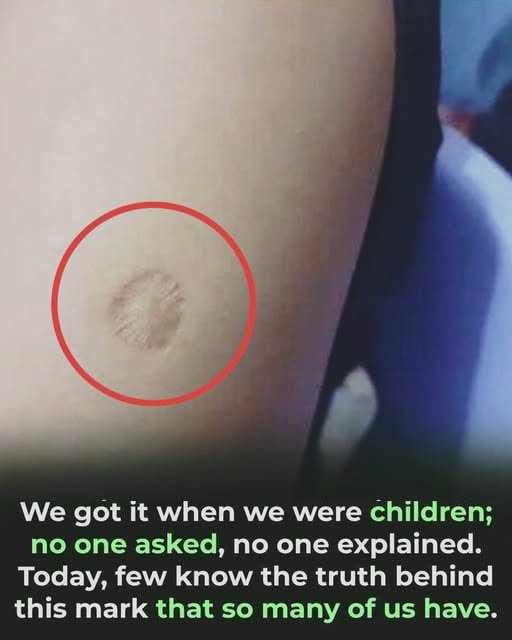
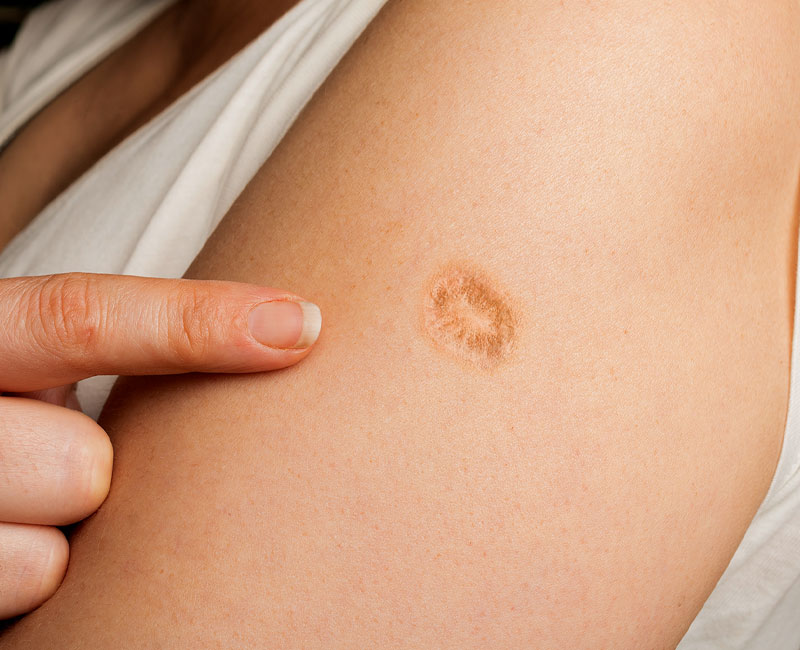
Have you ever noticed a small, round scar on the upper arm of a parent, grandparent, or older relative?
For many people, it’s simply a familiar mark they’ve had for decades. Some barely remember how they got it, while younger generations may have never seen one before.
Although it may appear insignificant, that small scar tells an important story about one of the greatest public health achievements in modern history. Rather than being the result of an accident or injury, it often serves as a reminder of a worldwide effort to protect communities from a serious infectious disease.
Today, many younger people have never needed the vaccination that commonly left this distinctive mark. As a result, the scar has gradually become a conversation piece connecting generations and offering a glimpse into a chapter of medical history that changed the world.
Why So Many Older Adults Have This Scar
For much of the twentieth century, many countries included the smallpox vaccine as part of routine childhood immunization programs.
Unlike many modern vaccines delivered through a standard injection, the smallpox vaccine was administered using a specialized technique involving several quick punctures to the skin.
As the vaccination site healed over the following weeks, it often formed a small scab. Once the skin recovered, a characteristic circular scar frequently remained.
Not everyone developed an identical mark, but millions of people around the world still carry this visible reminder of childhood vaccination.
What Was Smallpox?
Smallpox was a contagious disease caused by the variola virus.
For centuries, it affected populations across the globe, leading to widespread illness and placing enormous demands on healthcare systems.
Before effective vaccination became widely available, communities experienced repeated outbreaks that disrupted everyday life and prompted major public health efforts.
Thanks to advances in medical science and international cooperation, the situation changed dramatically during the twentieth century.
The Global Vaccination Campaign
One of the most significant milestones in public health history was the worldwide effort to eliminate smallpox.
Healthcare workers, researchers, governments, and international organizations collaborated across countries to expand vaccination programs and carefully monitor outbreaks.
The campaign required extraordinary coordination.
Medical teams traveled to cities, towns, and remote communities, working to ensure that vaccines reached as many people as possible.
The effort became a landmark example of what global cooperation could accomplish.

A Historic Public Health Achievement
In 1980, the World Health Organization (WHO) officially declared that smallpox had been eradicated worldwide.
It remains the only human infectious disease to have been eliminated through a coordinated global vaccination campaign.
Because naturally occurring smallpox no longer circulates, routine vaccination against the disease eventually ended in many countries.
As newer generations grew up without needing the vaccine, the familiar upper-arm scar gradually became less common.
Why Younger Generations Rarely Have the Scar
People born after routine vaccination programs ended generally do not receive the smallpox vaccine.
For that reason, many younger adults have never developed the characteristic circular mark seen on older family members.
This difference sometimes sparks curiosity during family conversations, with children asking grandparents about the small scar they’ve always noticed but never understood.
In many ways, the scar has become a historical marker rather than a common medical experience.
How the Vaccine Left a Scar
Unlike many vaccines used today, the smallpox vaccine stimulated a localized skin reaction.
After administration, the area typically progressed through several stages:
A small raised bump appeared.
The site gradually formed a blister-like lesion.
A protective scab developed.
The skin healed over several weeks.
Once healing was complete, many people were left with a small round scar.
This visible response was considered a normal part of the vaccination process.
Vaccine Technology Has Continued to Evolve
Medical science has advanced significantly since routine smallpox vaccination programs were introduced.
Today’s vaccines often use different technologies, manufacturing methods, and delivery systems.
Many modern immunizations leave little or no visible mark after administration.
Researchers continue working to improve vaccine safety, effectiveness, storage, and accessibility, helping protect communities against a wide range of infectious diseases.

Why This Scar Still Fascinates People
The smallpox vaccination scar continues to attract attention because it represents more than a medical procedure.
For many older adults, it recalls childhood school health programs or community vaccination clinics.
For younger generations, it offers a tangible reminder that history includes challenges many people alive today have never personally experienced.
Unlike photographs or museum exhibits, the scar is a living connection to that history.
A Symbol of Scientific Progress
Public health experts often describe the eradication of smallpox as one of medicine’s greatest achievements.
The accomplishment demonstrated what could happen when scientific research, international collaboration, and widespread public participation worked toward a common goal.
It also helped shape future approaches to disease surveillance, vaccine development, and global health partnerships.
The small scar left behind has become an unexpected symbol of that progress.
Remembering the People Behind the Campaign
While history often celebrates major scientific discoveries, the success of the smallpox eradication effort also depended on countless healthcare professionals.
Doctors, nurses, laboratory scientists, public health officials, community volunteers, and international organizations all contributed to the decades-long campaign.
Their dedication helped create a future in which millions of children would never need the same vaccination that left a visible mark on earlier generations.
Why Family Stories Matter
Many people first learn about the smallpox scar not from textbooks but from conversations at home.
A grandparent explains where the mark came from.
A parent remembers standing in line for childhood vaccinations.
A family photo sparks questions about healthcare in earlier decades.
These personal stories help preserve history in ways that official records sometimes cannot.
They remind us that medical progress is experienced not only through scientific breakthroughs but also through everyday lives.
Final Thoughts
The small round scar found on the upper arm of many older adults is more than a childhood memory. It represents an extraordinary chapter in medical history, reflecting decades of scientific research, international cooperation, and public health commitment.
Although younger generations may never receive the same vaccination or develop the familiar mark, its story remains an important reminder of how innovation and collaboration can improve lives around the world.
Sometimes history is preserved in books, museums, or photographs. Other times, it remains quietly visible in the smallest details—a tiny scar that continues to inspire curiosity, gratitude, and appreciation for the progress humanity has achieved together.
Sources
World Health Organization (WHO) – Smallpox Eradication Programme
Centers for Disease Control and Prevention (CDC) – History of Smallpox and Smallpox Vaccination
Our World in Data – Smallpox: History and Global Eradication
Encyclopaedia Britannica – Smallpox