While walking through a park or a residential neighborhood, you may notice a wide metal band wrapped around the trunk of a tree. At first glance, it might appear that the tree is being repaired or marked for removal.
In reality, these metal bands are usually tree baffles or tree collars—simple devices designed to protect trees and nearby buildings from climbing animals.
Far from indicating that a tree is unhealthy, these barriers are a practical, non-chemical solution that helps reduce unwanted wildlife access while allowing both people and animals to coexist more safely.
What Is a Tree Collar?
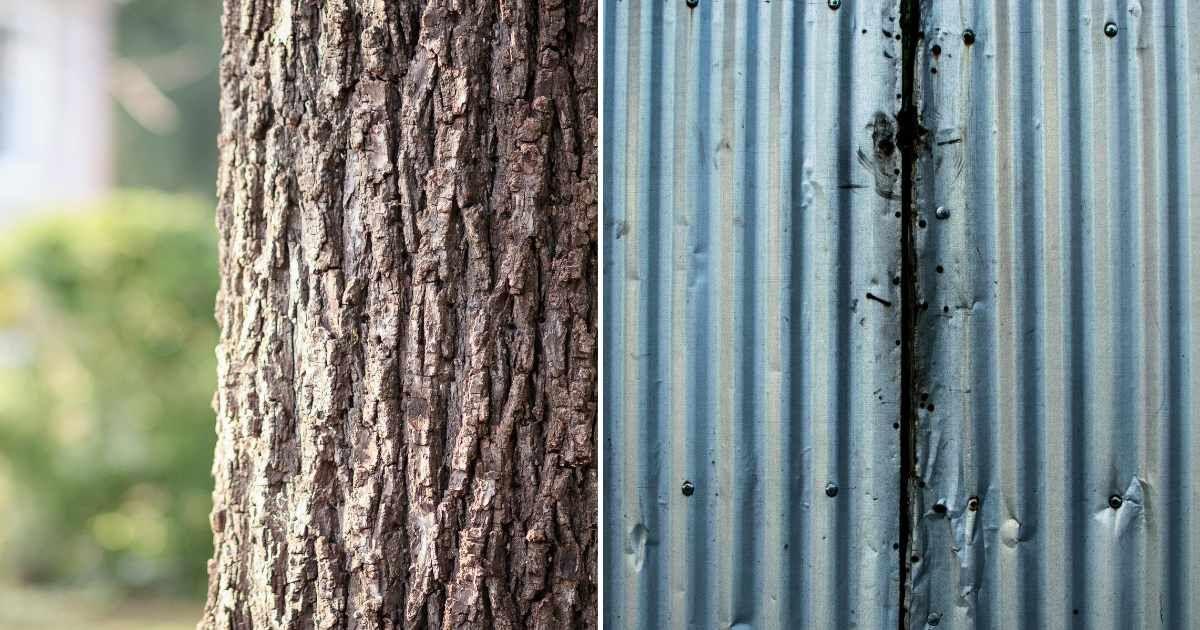
A tree collar, sometimes called a tree baffle, is a smooth metal sheet wrapped around a tree trunk.
It is commonly made from materials such as:
- Aluminum
- Galvanized steel
- Other weather-resistant metals
Unlike rough tree bark, the smooth metal surface provides very little traction, making it difficult for many climbing animals to continue upward.
Why Are They Installed?
The primary purpose of a tree collar is to discourage certain animals from climbing trees.
Many species depend on the rough texture of bark to grip the trunk with their claws.
Common climbers include:
- Squirrels
- Raccoons
- Roof rats
- Opossums
When these animals encounter the smooth metal surface, they often cannot gain enough traction to continue climbing.
As a result, they typically return to the ground and look for another route.
Protecting Nearby Homes
Trees located close to houses can unintentionally provide wildlife with easy access to rooftops.
Once on a roof, animals may explore areas such as:
- Attics
- Chimneys
- Roof vents
- Crawl spaces
Preventing access to these areas can reduce the likelihood of property damage and help minimize costly repairs.
Tree collars are one tool homeowners sometimes use as part of a broader wildlife management strategy.

Helping Protect Fruit Trees
Gardeners and orchard owners also use tree collars to protect crops.
Squirrels and raccoons are known to feed on fruits and nuts growing in trees.
Installing a properly designed barrier may help reduce access to the canopy, allowing more fruit to remain available for harvest.
While no method guarantees complete protection, tree collars can be an effective part of an integrated approach to managing wildlife around gardens.
Why Are They Installed Several Feet Above the Ground?
Tree collars are typically placed about 4 to 6 feet (1.2 to 1.8 meters) above the ground.
This height is chosen because it helps prevent many animals from simply stepping or jumping over the barrier from the ground.
The exact placement depends on the species being managed, the surrounding landscape, and whether nearby structures could provide alternate climbing routes.
Proper installation is important for achieving the intended result.
Different Types of Tree Guards
Not all tree protection devices look the same.
Common designs include:
Flat Metal Collars
These wrap completely around the trunk and create a smooth climbing barrier.
Cone-Shaped Baffles
These wider guards are often installed on young trees, bird feeder poles, or posts to discourage climbing animals.
Camouflaged Designs
Some collars are painted to blend more naturally with tree bark while still maintaining a smooth surface.
The choice of design often depends on the tree’s size, location, and intended purpose.

Proper Installation Matters
Although tree collars are simple devices, they should be installed carefully.
Arborists and tree care professionals recommend leaving adequate space between the collar and the trunk so the tree can continue growing naturally.
A collar that becomes too tight over time could interfere with healthy trunk development.
Regular inspection allows homeowners to adjust or replace the collar if necessary as the tree matures.
A Wildlife-Friendly Solution
One reason tree collars are widely used is that they provide a non-chemical method of discouraging animal access.
Instead of relying on pesticides, poisons, or traps, the barrier simply interrupts the climbing route.
This approach can help reduce conflicts between people and wildlife while avoiding harm to animals.
Many communities encourage humane wildlife management practices whenever practical.
More Than Just a Piece of Metal
Although easy to overlook, a metal tree collar represents thoughtful design based on understanding animal behavior.
By taking advantage of the fact that many climbing animals require rough surfaces for grip, the barrier provides a simple and effective solution to several common problems.
Whether protecting fruit trees, reducing access to rooftops, or helping safeguard bird feeders, tree collars continue to be a useful tool in both urban and rural settings.
Conclusion
A metal band wrapped around a tree trunk is usually not a sign that the tree is damaged or diseased. Instead, it is a practical device designed to discourage climbing animals from reaching the tree canopy or nearby structures. By creating a smooth surface that is difficult to climb, tree collars help protect trees, gardens, homes, and wildlife without relying on harmful chemicals.
This simple solution demonstrates how understanding nature can lead to effective and humane designs. Rather than preventing wildlife from existing, tree collars simply encourage animals to find different paths while allowing trees to continue growing naturally.
Human curiosity often begins with noticing small details in the environment. Looking a little closer at features like tree collars reminds us that many everyday objects have thoughtful purposes that quietly support both people and the natural world.
Sources
- International Society of Arboriculture (ISA). Tree Care Best Management Practices.
- USDA Forest Service. Urban Tree Care and Wildlife Management.
- Cornell University College of Agriculture and Life Sciences. Wildlife Damage Management Resources.
- The Morton Arboretum. Tree Care Tips and Maintenance.
- National Wildlife Federation. Living with Urban Wildlife.