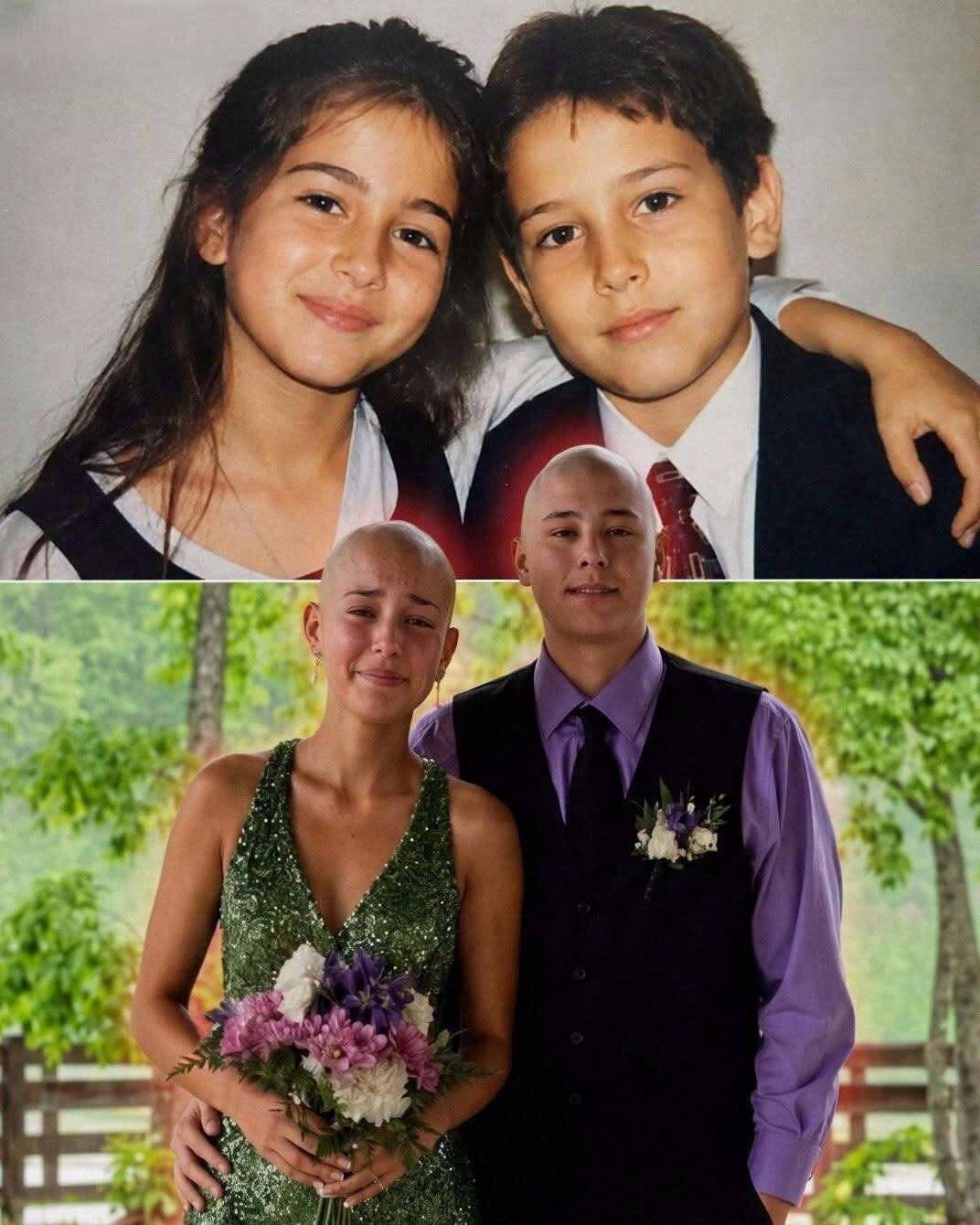
The emerald-green prom dress hung quietly in the closet.
For most high school seniors, prom represents a milestone filled with excitement, photographs, and dreams about the future. But for Emma, the dress had become something very different. Just weeks after choosing it, she received news that changed every plan she had carefully imagined for her future.
Instead of thinking about dancing with friends or celebrating graduation, she suddenly found herself preparing for medical appointments, treatment schedules, and countless conversations with doctors and family members.
The night before her first treatment was supposed to be prom night.
She considered staying home.
Yet what happened next would become a reminder that even during life’s most uncertain moments, compassion has an extraordinary way of bringing people together.
Emma’s story is more than an emotional high school memory. It highlights the importance of community support, emotional resilience, and the role that friendship can play when someone faces a difficult health journey.
When Life Changes Overnight
For many teenagers, the final months of high school revolve around familiar milestones.
Graduation.
College applications.
Senior photographs.
Prom.
Emma’s plans looked much the same until a medical diagnosis unexpectedly shifted her priorities.
Within days, ordinary conversations were replaced by discussions about appointments, treatment options, and the unknowns that often accompany serious illnesses.
Many young people who experience major health challenges describe a similar feeling. They often say that life becomes divided into two chapters: before the diagnosis and after it.
Although every medical situation is unique, experts recognize that receiving a serious diagnosis during adolescence can affect emotional well-being, confidence, and future expectations.
The Emotional Impact Beyond Physical Health
Modern medicine focuses not only on treating illnesses but also on supporting emotional health.
According to organizations such as the American Cancer Society and the National Cancer Institute, many patients experience feelings including:
- Uncertainty
- Anxiety
- Isolation
- Changes in self-image
- Concerns about the future
These emotions are completely understandable.
Teenagers, in particular, are developing their identities while navigating friendships, school, and personal goals. When unexpected health challenges arise, it is natural for those plans to feel disrupted.
Emma described feeling as though she was no longer simply herself.
She worried that people would only see her diagnosis instead of the person she had always been.
Why Prom Felt Different
Prom is often viewed as a celebration of friendship and the transition into adulthood.
For Emma, however, it became a symbol of everything she feared she was losing.
The dress that once represented excitement now reminded her of uncertainty.
She imagined classmates feeling sorry for her.
She imagined uncomfortable conversations.
She imagined spending the evening trying to appear happy while quietly carrying enormous emotional weight.
Eventually, she decided she simply would not attend.
Sometimes the hardest part of facing illness is not the medical treatment itself but the feeling that normal life is slipping away.
A Simple Knock on the Door
As Emma sat alone at home, someone arrived unexpectedly.
It was her boyfriend, Leo.
He carried a corsage for prom, just as she expected.
But there was something she did not expect.
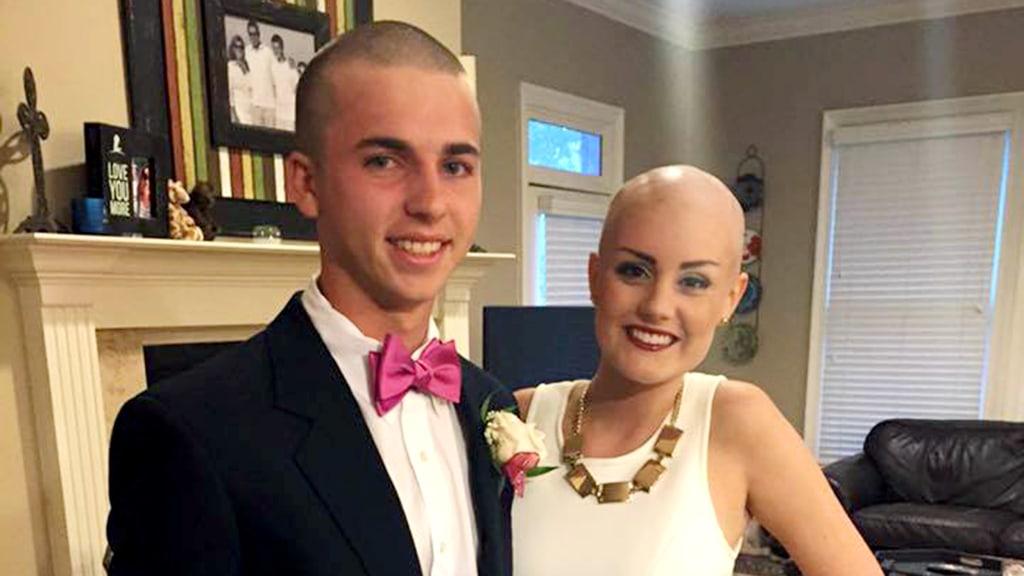
He had shaved his head.
When Emma asked why, Leo gave a simple answer.
He knew she was worried about changes that might come during treatment.
Rather than trying to offer perfect words, he chose a quiet gesture that communicated something even more meaningful.
He wanted her to know she would not face the journey alone.
Acts of support often matter not because they solve difficult situations, but because they remind people they are cared for.
The Science Behind Social Support
Stories like Emma’s resonate because they reflect something researchers have studied for decades.
Social support has been consistently linked to improved emotional well-being among individuals experiencing serious health conditions.
According to the American Psychological Association, strong relationships can help people:
- Manage stress more effectively
- Feel less isolated
- Maintain optimism
- Develop healthy coping strategies
- Improve overall quality of life
Support cannot replace medical treatment.
However, emotional encouragement often complements professional healthcare by helping patients navigate uncertainty with greater confidence.
An Unexpected Gift
Leo had one more surprise.
He handed Emma an envelope.
Inside were pages filled with donation pledges from classmates, teachers, neighbors, and local businesses.
People throughout the community had quietly organized a fundraiser to help her family with expenses associated with treatment.
Some contributions were small.
Others were larger.
Together, they represented something much bigger than financial assistance.
They showed that an entire community had chosen kindness over helplessness.
Community fundraising has become increasingly common for families facing unexpected medical challenges, demonstrating how collective generosity can ease practical burdens while also offering emotional encouragement.
Choosing Hope Over Fear
After opening the envelope, Emma made a decision.
She put on the emerald dress.
Nothing about her diagnosis had changed overnight.
The uncertainty remained.
The treatment schedule remained.
Her concerns remained.
What had changed was her perspective.
Fear was still present, but it no longer felt like the only voice she could hear.
Sometimes courage is not the absence of fear.
It is choosing to move forward despite it.
A Night to Remember
When Emma and Leo entered the gymnasium, she expected people to stare.
Instead, classmates, teachers, parents, and neighbors gradually stood to welcome her.
There were no elaborate speeches.
No dramatic announcements.
Just a room full of people expressing quiet encouragement.
That simple gesture became one of the most meaningful memories of her high school years.
Moments like these demonstrate how communities often come together during difficult times.
Support does not always require grand actions.
Sometimes presence alone speaks louder than words.
Why Community Matters
Humans are naturally social beings.
Psychologists have long recognized that belonging plays a vital role in emotional health.
Communities provide:
Emotional Encouragement
Knowing others care helps reduce feelings of loneliness.
Practical Assistance
Friends and neighbors often organize transportation, meals, fundraising efforts, or childcare during difficult periods.
A Sense of Normalcy
Continuing familiar traditions can help individuals maintain hope and preserve important routines.
Shared Strength
People often discover resilience they never realized they possessed when surrounded by caring individuals.
Emma’s experience illustrates how one evening became about much more than a school dance.
It became a reminder that she remained an important part of her community.
The Role of Modern Medicine
Emma later reflected that medical professionals and treatment played an essential role in her recovery journey.
Advances in healthcare continue to improve outcomes for many patients through:
- Earlier diagnosis
- Personalized treatment plans
- Improved supportive care
- Better symptom management
- Comprehensive rehabilitation services
Medical science has made remarkable progress over recent decades, allowing many individuals to continue pursuing education, careers, and personal goals during or after treatment.
Every patient’s experience is unique, and outcomes depend on many factors, making individualized medical care especially important.
Hope Is Built One Day at a Time
Recovery rarely happens all at once.
It often unfolds through many small moments.
One encouraging message.
One successful appointment.
One supportive conversation.
One ordinary day that feels just a little easier than the last.
Emma described learning to focus on the next step rather than worrying about every possibility ahead.
This approach is frequently recommended by mental health professionals, who encourage patients to concentrate on manageable goals while accepting that uncertainty is part of many life experiences.
Lessons We Can All Learn
Emma’s story offers several meaningful reminders.
Kindness Can Be Practical
Support may come through fundraising, transportation, meals, or simply being present.
Small Gestures Leave Lasting Memories
Leo’s decision to shave his head was not intended to solve Emma’s situation.
It simply communicated solidarity.
Communities Make a Difference
When people work together, they can reduce both emotional and practical burdens for families facing unexpected challenges.
Hope and Science Work Together
Modern medicine provides treatment.
Compassion provides encouragement.
Both play valuable roles during difficult journeys.
The Cultural Importance of Prom
Across many communities in the United States, prom represents more than a school event.
It marks a transition from adolescence toward adulthood.
Stories involving prom often carry symbolic meaning because they capture hopes, friendships, and personal growth during an important stage of life.
Emma’s experience transformed prom from a celebration of graduation into a celebration of resilience.
Instead of representing the end of high school, it became a reminder that life’s unexpected turns do not erase the possibility of meaningful moments.
A Reflection on Human Resilience
Every community has stories that remind us of the extraordinary kindness ordinary people are capable of showing.
Emma’s journey is not remembered simply because she attended prom before beginning treatment.
It is remembered because friends, teachers, neighbors, and family members chose compassion over silence.
Medical professionals often speak about the importance of treatment plans, research, and scientific advances, all of which remain essential. At the same time, stories like this illustrate another important truth: emotional support can help people face uncertainty with greater strength.
Human curiosity often draws us toward remarkable stories, but what stays with us longest is rarely the unexpected event itself. Instead, it is the way people respond to one another with generosity, understanding, and hope.
Those quiet acts of kindness remind us that while we cannot always control life’s challenges, we can choose how we support those who face them. Sometimes, that choice becomes the most unforgettable part of the story.

Sources
- American Cancer Society (ACS)
- National Cancer Institute (NCI)
- American Psychological Association (APA)
- Centers for Disease Control and Prevention (CDC)
- OrVeb, My Prom Dress Sat in the Closet While I Faced a Stage 3 Diagnosis – What My Date Did at Prom Changed My Life Forever (story inspiration)