The Maldives is widely known for its crystal-clear waters, vibrant coral reefs, and world-class diving locations. Every year, divers from around the globe travel to the island nation in search of unforgettable underwater experiences.
Yet beneath the beauty of the ocean lies a world that demands skill, preparation, and caution. Recently, an underwater cave diving incident involving a group of experienced Italian divers drew international attention and renewed discussions about the risks associated with one of the most technically demanding forms of diving.
As investigators continue reviewing evidence and dive data, the event has sparked conversations throughout the global diving community about safety, visibility, navigation, and the unique challenges of exploring underwater cave systems.
Understanding the Maldives Cave Diving Incident
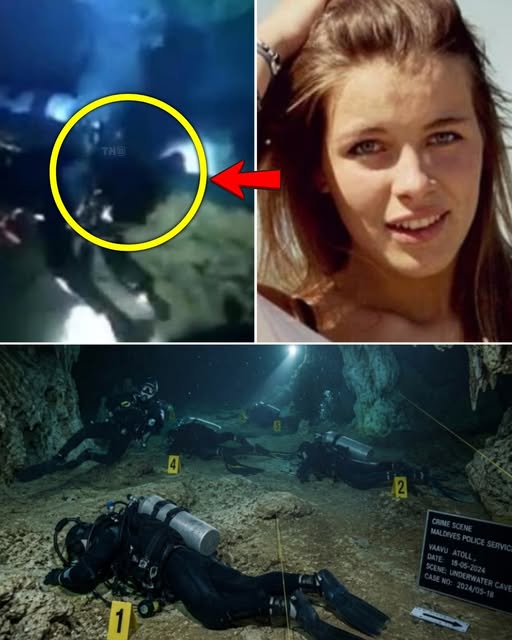
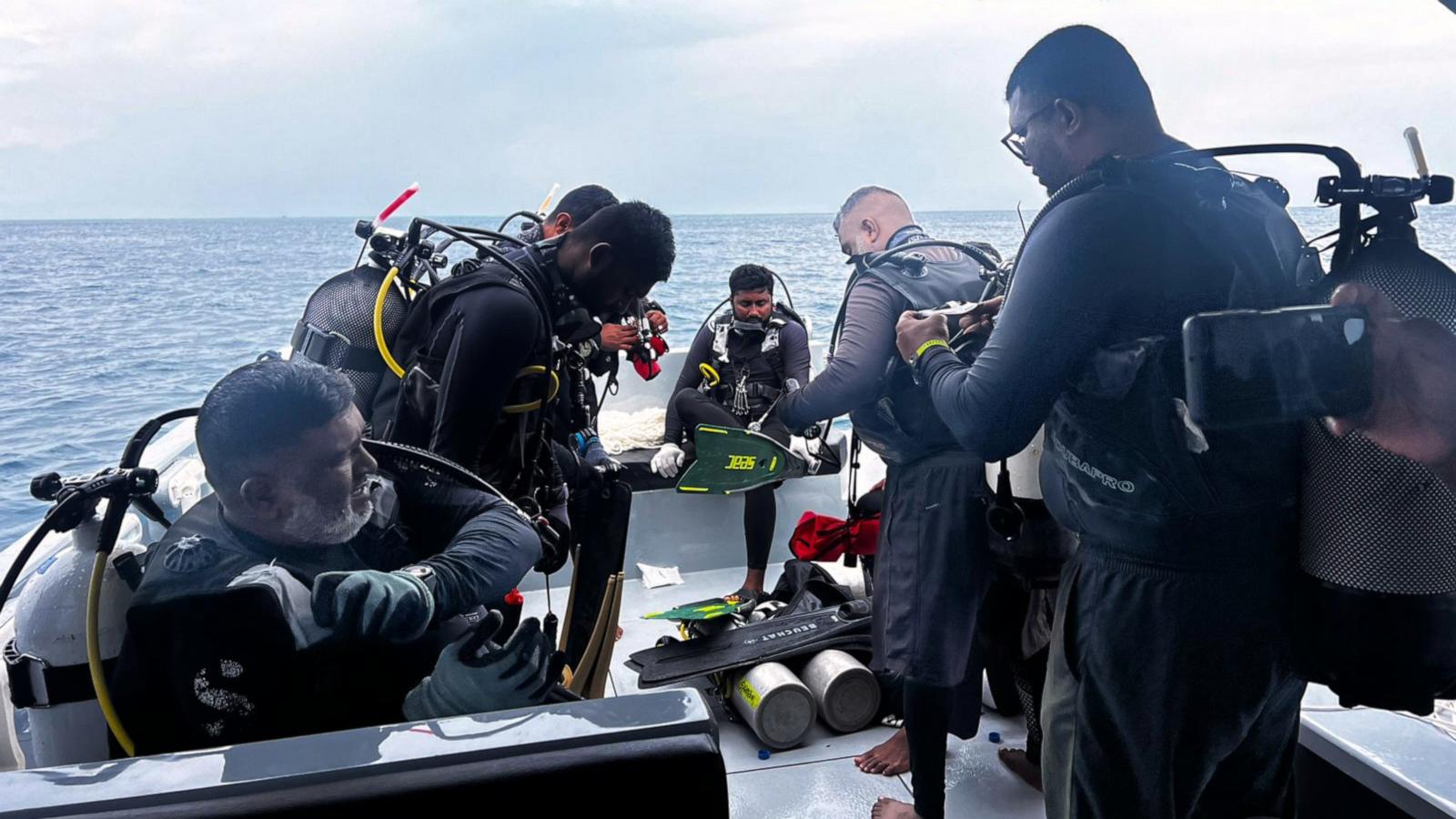
According to reports, a group of Italian divers entered an underwater cave system in the Maldives during a planned dive. Recovery teams later located members of the group in different areas within the cave network.
Investigators reportedly found diving instructor Gianluca Benedetti closer to a main exit route, while other members of the group were discovered farther inside the cave system.
Authorities have not released definitive conclusions regarding the sequence of events. However, specialists are analyzing dive computer records, camera footage, and environmental conditions to better understand what happened during the dive.
As with many underwater incidents, investigators are approaching the case carefully and avoiding assumptions until all available evidence has been reviewed.
Why Cave Diving Is Different From Recreational Diving
A Unique Environment
Unlike open-water diving, cave diving takes place in enclosed underwater spaces where direct access to the surface may not be immediately available.
Divers must navigate complex passageways while managing depth, visibility, air supply, and orientation.
Even highly trained divers rely on specialized equipment and detailed planning before entering cave systems.
Navigation Challenges
One of the primary challenges in cave diving is maintaining awareness of location and direction.
Guide lines are often used to help divers navigate through passages and locate exits. These lines can be essential when visibility changes unexpectedly.
Because underwater caves can contain multiple tunnels, intersections, and chambers, maintaining orientation is a critical aspect of dive safety.
The Impact of Visibility Underwater
How Visibility Can Change Quickly
Investigators believe visibility conditions may have played a significant role in the Maldives incident.
In underwater caves, fine sediment resting on the floor can be disturbed by movement, currents, or equipment. When this material becomes suspended in the water, visibility may decrease dramatically.
Divers often refer to this condition as a “silt-out,” where previously clear water becomes cloudy, making it difficult to see surroundings, equipment, or navigation markers.
Why Visibility Matters
Clear visibility helps divers:
-
Monitor their surroundings
-
Locate guide lines
-
Communicate with teammates
-
Track equipment
-
Identify exit routes
When visibility becomes limited, even experienced divers may face significant navigation challenges.
Investigators Continue Examining Evidence
Dive Computers and Underwater Cameras
Modern diving technology provides valuable information during investigations.
Dive computers can record details such as:
-
Depth
-
Dive duration
-
Ascent and descent rates
-
Environmental conditions
Underwater cameras may also provide visual records that help investigators reconstruct events.
Authorities are reportedly reviewing available footage and electronic data to better understand the decisions and circumstances leading up to the incident.
Avoiding Premature Conclusions
Experts emphasize that investigations of underwater incidents are often complex.
Environmental factors, equipment performance, navigation decisions, and changing conditions can all contribute to outcomes. For this reason, officials typically avoid drawing conclusions until a thorough review has been completed.

The Role of Experience and Training
Specialized Certification
Cave diving requires training beyond standard recreational diving certifications.
Divers often complete advanced courses covering:
-
Cave navigation
-
Emergency procedures
-
Air management
-
Equipment redundancy
-
Team communication
These skills are designed to help divers operate safely in environments where conditions can change rapidly.
Continuous Learning
Even experienced cave divers regularly practice emergency drills and review safety procedures.
Many experts emphasize that ongoing education and preparation are essential because every cave system presents unique characteristics and challenges.
Why Underwater Caves Fascinate Explorers
A Hidden World
Despite the risks, underwater caves continue to attract explorers because they offer access to environments few people ever experience.
These underwater landscapes may contain:
-
Geological formations
-
Ancient rock structures
-
Unique ecosystems
-
Scientific research opportunities
For many divers, cave exploration combines adventure, technical skill, and discovery.
Scientific Importance
Researchers also study underwater caves to learn more about geology, hydrology, and marine ecosystems.
Some cave systems provide valuable information about environmental changes and underwater biodiversity.
As a result, these locations remain important not only for recreation but also for scientific understanding.
The Global Diving Community Responds
News of the Maldives incident prompted responses from divers, instructors, and organizations around the world.
Many expressed sympathy for the individuals involved and their families, while others used the opportunity to highlight the importance of training, preparation, and adherence to established safety practices.
The event has also renewed discussions about risk awareness in technical diving environments.
Across social media and professional diving forums, experienced divers have emphasized that even well-planned dives can encounter unexpected challenges.
Safety Lessons From Complex Diving Environments
While investigators continue their work, experts note several general principles that remain important for all forms of technical diving:
Careful Planning
Thorough preparation helps divers understand environmental conditions and establish clear objectives before entering a cave system.
Team Communication
Strong communication can improve coordination and situational awareness throughout a dive.
Equipment Readiness
Regular equipment inspection and maintenance help ensure reliability during challenging dives.
Environmental Awareness
Understanding cave structure, visibility conditions, and potential hazards contributes to safer exploration.
Looking Ahead
The final findings from the Maldives investigation may provide valuable insights for the diving community. Each investigation offers an opportunity to improve understanding of underwater safety and enhance training practices for future divers.
As authorities continue analyzing available evidence, many questions remain unanswered. However, the incident serves as a reminder of both the beauty and complexity of underwater exploration.

Conclusion
The Maldives cave diving incident has captured international attention not only because of its tragic outcome but also because it highlights the extraordinary challenges associated with underwater cave exploration. Investigators continue working to understand exactly what occurred, while divers worldwide reflect on the importance of preparation, training, and environmental awareness.
Although underwater caves remain among the most fascinating places on Earth, they also demand respect for the unique conditions they present. As new details emerge, the diving community will continue seeking lessons that may help improve safety and deepen understanding of these remarkable underwater environments.