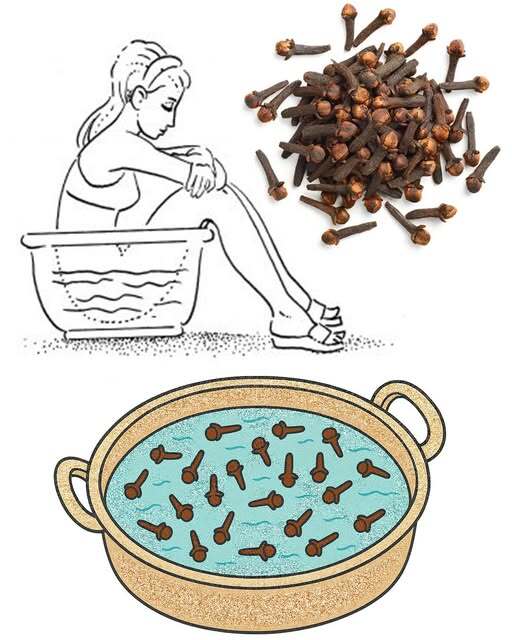
After a long day filled with responsibilities, many people search for simple ways to relax and recharge. Some choose meditation, others enjoy herbal tea, while many find comfort in a warm bath. Across cultures and generations, bathing rituals have been used not only for cleanliness but also as a form of self-care and relaxation.
One traditional practice that has recently gained attention involves adding whole cloves to bathwater. Known for their warm aroma and long history in traditional wellness systems, cloves have been valued for centuries as both a culinary spice and a natural remedy. Advocates suggest that a clove-infused bath may help create a calming environment, soothe the senses, and contribute to an overall feeling of well-being.
While cloves are not a substitute for medical care, their unique fragrance and naturally occurring compounds have inspired interest among people seeking gentle, nature-inspired wellness routines. Understanding both the traditional uses and scientific perspectives behind clove baths can help individuals make informed decisions about incorporating them into self-care practices.
What Are Cloves?
Cloves are the dried flower buds of the clove tree, scientifically known as Syzygium aromaticum. Native to parts of Southeast Asia, cloves have been traded and valued for thousands of years.
Historically, they played an important role in global commerce due to their distinctive aroma and flavor. Ancient civilizations used cloves in cooking, preservation, traditional medicine, and ceremonial practices.
Today, cloves remain a common ingredient in cuisines around the world. They are frequently used in baked goods, beverages, spice blends, and savory dishes.
Beyond culinary applications, cloves continue to attract attention because they contain naturally occurring compounds that have been studied for their aromatic and antioxidant properties.

The History of Cloves in Traditional Wellness
For centuries, cloves have been incorporated into traditional wellness systems across Asia, the Middle East, Africa, and Europe.
Traditional healers often used cloves in preparations intended to promote comfort and support general well-being. These uses varied widely depending on cultural practices and local traditions.
In some regions, clove-infused oils were used for massage. In others, cloves were added to aromatic preparations designed to create soothing environments. Their rich scent became associated with warmth, comfort, and relaxation.
Many traditional wellness approaches emphasized the importance of balancing physical and emotional well-being. Aromatic plants such as cloves were frequently included in rituals intended to encourage rest and tranquility.
Although historical use does not automatically confirm effectiveness, these longstanding traditions continue to inspire modern wellness practices.
Why Clove Baths Have Become Popular
The growing interest in natural self-care has encouraged people to revisit traditional bathing rituals.
A clove bath is relatively simple to prepare and requires only a small quantity of whole cloves. When steeped in hot water, the cloves release aromatic compounds that create a distinctive fragrance throughout the bathing environment.
Supporters of the practice often cite several potential benefits:
Relaxation
Stress reduction
A pleasant sensory experience
A feeling of warmth and comfort
Support for a bedtime routine
Because bathing itself is already associated with relaxation, the addition of aromatic ingredients can enhance the overall experience for some individuals.
The popularity of clove baths reflects a broader trend toward incorporating natural elements into daily wellness routines.
The Role of Aromatherapy in Relaxation
One of the primary reasons people enjoy clove baths is the aroma.
Aromatherapy involves using scents derived from plants to create pleasant sensory experiences. While aromatherapy is not a replacement for professional medical care, many individuals find that certain fragrances contribute to feelings of calmness and relaxation.
The scent of cloves is often described as warm, spicy, and comforting. These characteristics make it particularly popular during cooler seasons and evening self-care rituals.
Researchers studying scent perception have found that aromas can influence mood, memory, and emotional responses. This connection helps explain why certain fragrances become associated with comfort and positive experiences.
A relaxing bath infused with aromatic ingredients may encourage individuals to slow down, disconnect from daily stressors, and focus on rest.
Understanding Eugenol: Clove’s Most Studied Compound
One reason cloves have attracted scientific interest is their high concentration of a naturally occurring compound called eugenol.
Eugenol contributes significantly to the characteristic scent and flavor of cloves. Researchers have studied this compound for its antioxidant and antimicrobial properties.
Laboratory studies suggest that eugenol can interact with biological systems in various ways. However, it is important to distinguish between laboratory findings and real-world health outcomes.
The amount of eugenol released during a typical clove bath is relatively modest, and scientific evidence regarding specific health benefits from bathing in clove-infused water remains limited.
Nevertheless, the presence of naturally occurring aromatic compounds contributes to the sensory experience that many users find enjoyable.
.jpg)
Potential Skin and Self-Care Benefits
Some wellness enthusiasts believe clove baths may support skin comfort and cleanliness.
Cloves contain naturally occurring compounds that have been studied for their antimicrobial activity under laboratory conditions. As a result, some people include clove preparations in personal care routines.
However, scientific experts generally advise moderation when using botanical ingredients directly on the skin. Individual sensitivity varies, and concentrated plant compounds may cause irritation in some people.
For most individuals, a diluted clove infusion added to bathwater provides a gentler approach than applying concentrated oils directly to the skin.
Anyone with sensitive skin should consider performing a patch test or consulting a healthcare professional before introducing new botanical products into their routine.
Warm Baths and Muscle Relaxation
Many perceived benefits associated with clove baths may actually result from the warm water itself.
Warm baths have long been recognized as a simple way to promote comfort and relaxation. Heat can encourage circulation, reduce feelings of stiffness, and help the body unwind after physical activity.
The combination of warm water and pleasant aromas creates a multisensory experience that many people find restorative.
Whether someone adds cloves, herbs, or simply enjoys plain warm water, the act of setting aside time for relaxation can have positive effects on overall well-being.
The ritual itself often becomes an important component of the experience.
How to Prepare a Clove Bath
Creating a clove bath is straightforward and requires only a few ingredients.
A common approach involves:
Using one to two tablespoons of whole cloves
Simmering the cloves in water for approximately ten minutes
Allowing the infusion to cool slightly
Straining the liquid
Adding the infused water to a warm bath
Many people soak for fifteen to twenty minutes while enjoying the aroma and warmth.
Some individuals combine cloves with other traditional bath ingredients such as cinnamon sticks, orange peels, or herbal infusions to create customized sensory experiences.
As with any botanical ingredient, moderation is generally recommended.
:max_bytes(150000):strip_icc()/GettyImages-1068570034-177f4f5555934e519b0471912105fdb6.jpg)
Scientific Perspectives and Limitations
While traditional wellness practices can be enjoyable, it is important to approach health-related claims thoughtfully.
Scientific research supports certain properties of cloves and eugenol in laboratory settings. However, evidence specifically examining clove baths remains limited.
Researchers emphasize that many factors contribute to feelings of relaxation, including:
Warm water
Reduced stress
Quiet environments
Mindful self-care
Pleasant scents
Personal expectations
Because of these variables, it can be difficult to isolate the effects of cloves alone.
Most experts agree that clove baths may serve as a relaxing wellness ritual but should not be viewed as a treatment for medical conditions.
Individuals with health concerns should seek guidance from qualified healthcare professionals.
The Growing Appeal of Natural Wellness Rituals
Modern life often feels fast-paced and demanding. As a result, many people are seeking simple practices that encourage relaxation and balance.
Natural wellness rituals have become increasingly popular because they provide opportunities to slow down and reconnect with everyday experiences.
Whether through herbal teas, meditation, gardening, or aromatic baths, these practices encourage mindfulness and intentional self-care.
Clove baths fit naturally within this broader movement. Their appeal lies not only in the properties of the cloves themselves but also in the ritual of creating a peaceful environment dedicated to rest.
Sometimes the greatest benefit comes from making time for oneself.
:max_bytes(150000):strip_icc()/Health-GettyImages-CloveWater-ee7861b2c467460383ed28ef4138789f.jpg)
Conclusion
The tradition of using cloves in bathwater reflects humanity’s long-standing appreciation for nature’s aromatic gifts. For centuries, cloves have been valued for their fragrance, cultural significance, and role in traditional wellness practices.
While scientific evidence supporting specific health claims related to clove baths remains limited, the combination of warm water, soothing aromas, and dedicated relaxation time can contribute to a positive self-care experience. The natural scent of cloves may help create an atmosphere of comfort and tranquility, making bath time feel more intentional and restorative.
As with many traditional practices, the true value may lie in the ritual itself. Taking a few moments to step away from daily pressures, enjoy a calming environment, and focus on personal well-being can be beneficial regardless of the specific ingredients involved.
Ultimately, clove baths offer a simple reminder that wellness is often built through small, consistent habits. By combining ancient traditions with modern understanding, individuals can explore self-care practices that support relaxation, mindfulness, and a greater appreciation for everyday moments of comfort.
Sources
National Center for Complementary and Integrative Health (NCCIH)
National Institutes of Health (NIH)
Harvard Health Publishing
Cleveland Clinic
Journal of Essential Oil Research
Encyclopaedia Britannica
International Journal of Molecular Sciences