Imagine construction workers carrying out what seemed like an ordinary infrastructure project when their work suddenly revealed a hidden piece of history. Beneath layers of earth lay a large stone coffin untouched for centuries. What began as a routine discovery soon evolved into one of the most fascinating archaeological finds in modern China.
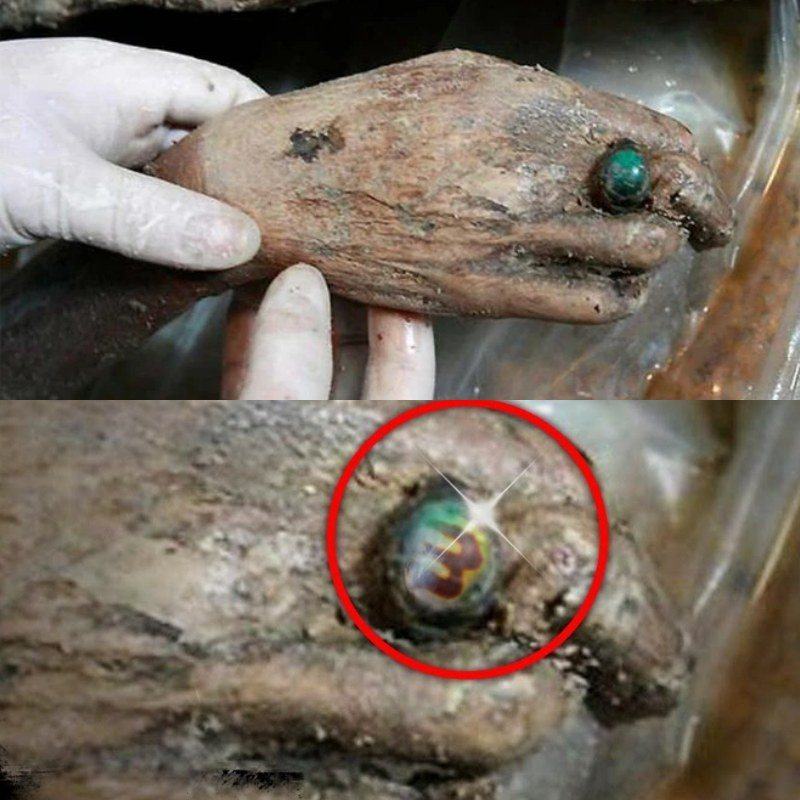
When researchers carefully opened the ancient burial chamber in Taizhou, Jiangsu Province, they encountered something extraordinary. Inside rested the remarkably preserved remains of a woman believed to have lived during the Ming Dynasty. Even after hundreds of years, many delicate features appeared astonishingly intact, sparking curiosity among historians, archaeologists, and the public alike.
The discovery quickly attracted international attention. Yet beyond the headlines and dramatic descriptions lies a deeper story about ancient Chinese culture, burial traditions, scientific preservation, and humanity’s enduring fascination with the past.
Today, this remarkable find continues to offer valuable insights into a civilization that shaped much of East Asia’s history and cultural heritage.
The Discovery That Captured Global Interest
The story began when local workers reportedly uncovered a large stone coffin during construction activities in Jiangsu Province, eastern China.
Recognizing the potential historical importance of the find, authorities were notified and archaeological experts were called to investigate. What followed was a careful excavation process designed to preserve both the burial chamber and any artifacts contained within it.
Upon opening the coffin, researchers discovered the remains of a woman whose preservation appeared remarkable for her age. Reports indicated that various physical features, including facial details and clothing materials, had survived in an unusually complete condition.
Archaeologists also recovered a collection of accompanying artifacts and jewelry that provided clues about the woman’s social status, daily life, and cultural environment.
The discovery became a subject of extensive study as specialists worked to understand how such preservation had been achieved.

Understanding the Ming Dynasty
To appreciate the significance of the discovery, it is helpful to understand the historical period from which the woman likely originated.
The Ming Dynasty ruled China from 1368 to 1644 and is widely regarded as one of the country’s most influential eras. It was a time of economic growth, artistic achievement, technological advancement, and cultural development.
Many of China’s most famous architectural projects were expanded or restored during this period, including significant sections of the Great Wall. The era also witnessed flourishing trade networks, advancements in porcelain production, and remarkable developments in literature and painting.
Daily life during the Ming Dynasty varied greatly depending on social class. Wealthier families often enjoyed access to fine textiles, decorative objects, and elaborate ceremonial traditions. Burial customs reflected these social distinctions and frequently included valuable possessions intended to accompany the deceased into the afterlife according to traditional beliefs.
The woman’s burial appears to reflect some of these cultural practices, making her tomb an important historical resource.
Why Ancient Chinese Tombs Fascinate Researchers
Ancient tombs serve as time capsules that preserve information unavailable from written records alone.
Historical documents can tell us about rulers, wars, economic policies, and major events. Tombs, however, often reveal details about everyday life, clothing styles, personal possessions, health conditions, craftsmanship, and cultural values.
In China, elaborate burial practices have existed for thousands of years. Many ancient tombs were carefully designed to protect the deceased and preserve important objects.
The contents of these burial chambers help historians reconstruct aspects of life that might otherwise remain unknown.
Every artifact recovered contributes another piece to the puzzle of understanding how people lived centuries ago.
The Science of Exceptional Preservation
One of the most intriguing aspects of the discovery is the reported condition of the remains.
When people hear about ancient remains surviving for centuries, they often imagine deliberate preservation techniques. However, scientists explain that remarkable preservation frequently results from a combination of environmental factors rather than a single cause.
Several conditions can contribute to long-term preservation:
Stable temperatures
Low oxygen levels
Limited moisture exposure
Protective burial materials
Sealed burial environments
Certain soil compositions
When these factors align, natural decomposition processes may slow significantly.
In some cases, textiles, hair, skin, and other delicate materials survive far longer than researchers would normally expect.
Rather than being mysterious, these outcomes are often the result of highly specific environmental conditions that create an unusually stable preservation environment.

Ancient Chinese Burial Traditions
Burial customs in ancient China reflected a deep respect for ancestry and spiritual continuity.
Many families believed that honoring ancestors was essential for maintaining harmony between generations. As a result, funerary practices often involved careful planning and symbolic objects.
Tombs frequently contained items intended to represent comfort, status, or prosperity. These objects might include jewelry, ceramics, clothing, decorative ornaments, and household goods.
The exact contents varied depending on regional traditions, family wealth, and historical period.
Researchers studying the Jiangsu discovery examined not only the preserved remains but also the artifacts found alongside them. Together, these materials help paint a broader picture of the cultural values and social environment of the time.
What Archaeologists Can Learn From Ancient Remains
Modern archaeology is far more sophisticated than many people realize.
Researchers use a wide range of scientific techniques to analyze ancient discoveries without causing unnecessary damage.
These methods may include:
Radiocarbon dating
Microscopic examination
DNA analysis
Textile studies
Chemical testing
Medical imaging technologies
Environmental analysis
Through these tools, experts can learn about diet, health, trade networks, craftsmanship, and even migration patterns.
A well-preserved burial offers opportunities to study aspects of history that cannot always be understood through written records alone.
In many cases, discoveries raise new questions that inspire future research.
Myths, Legends, and Public Fascination
Whenever ancient tombs are discovered, public imagination often fills gaps in the historical record with stories, legends, and speculation.
Throughout history, cultures around the world have associated ancient burials with mysteries, hidden treasures, or supernatural explanations. Popular films, novels, and television programs have reinforced these themes, making archaeological discoveries particularly captivating to audiences.
Some reports surrounding preserved remains occasionally include discussions of curses, unusual phenomena, or extraordinary circumstances. However, archaeologists generally approach such claims with caution.
Scientific research focuses on evidence-based explanations rather than folklore.
That does not diminish the cultural significance of myths. In fact, legends often reveal valuable information about how societies understood life, ancestry, and the unknown.
The fascination generated by discoveries like the Jiangsu mummy demonstrates the enduring power of both historical inquiry and human imagination.
The Importance of Preservation and Museum Research
After significant archaeological discoveries are made, preservation becomes a major priority.
Exposure to air, humidity, and environmental changes can affect ancient materials that have remained stable underground for centuries.
Conservation specialists work carefully to stabilize artifacts and protect them for future study.
Museums play a crucial role in this process. Beyond displaying objects to the public, museums serve as research centers where experts continue analyzing discoveries long after excavations conclude.
The study of the Jiangsu mummy reportedly extended over several years as researchers examined both the remains and accompanying artifacts.
This long-term approach helps ensure that valuable historical information is not lost.

What This Discovery Reveals About Ancient China
Every archaeological discovery adds depth to our understanding of the past.
The remarkably preserved woman from Jiangsu provides insights into several aspects of Chinese history, including burial customs, craftsmanship, social structure, and preservation conditions.
The jewelry and artifacts recovered from the tomb help illuminate the material culture of the period. The condition of the remains offers opportunities to study historical lifestyles and environmental influences.
Equally important, the discovery highlights the sophistication of ancient societies whose traditions continue to shape modern cultural identity.
By examining these remains carefully, researchers gain a clearer picture of how people lived, dressed, worked, and expressed their beliefs centuries ago.
Why Ancient Discoveries Continue to Inspire Curiosity
Despite rapid technological advancement, humanity remains deeply fascinated by the past.
Ancient discoveries remind us that countless stories remain hidden beneath the surface of history. Each excavation has the potential to reveal new information about civilizations that contributed to the world we know today.
The Jiangsu mummy is not merely an archaeological artifact. It represents a connection across centuries, linking modern observers with an individual who once lived, worked, and participated in a vibrant historical society.
Such discoveries encourage people to learn more about history, science, and cultural heritage.
They also demonstrate how archaeology bridges the gap between ancient traditions and modern understanding.
Conclusion
The discovery of the remarkably preserved woman in Jiangsu Province stands as one of the most intriguing archaeological finds associated with China’s historical heritage. While headlines often focus on the surprising condition of the remains, the true significance of the discovery lies in what it teaches us about the Ming Dynasty, ancient burial traditions, and the science of preservation.
By combining careful archaeological research with modern scientific analysis, experts continue uncovering valuable information about life hundreds of years ago. The artifacts, burial practices, and preservation conditions all contribute to a richer understanding of China’s cultural history.
Ultimately, discoveries like this remind us that history is not merely a collection of dates and events. It is a record of real people whose lives continue to inspire curiosity centuries later. As researchers explore these connections between past and present, they help satisfy one of humanity’s oldest desires: the quest to understand where we came from and how our ancestors shaped the world around us.

Sources
Jiangsu Provincial Museum
National Geographic
Smithsonian Magazine
UNESCO World Heritage Centre
Encyclopaedia Britannica
The Metropolitan Museum of Art
Chinese Academy of Social Sciences