For years, a 65-year-old woman from South Korea struggled with severe joint discomfort that made everyday movement increasingly difficult. Like millions of people worldwide dealing with osteoarthritis, she searched for relief through medications, therapies, and traditional remedies. Eventually, she turned to acupuncture, a practice deeply rooted in Asian healing traditions.
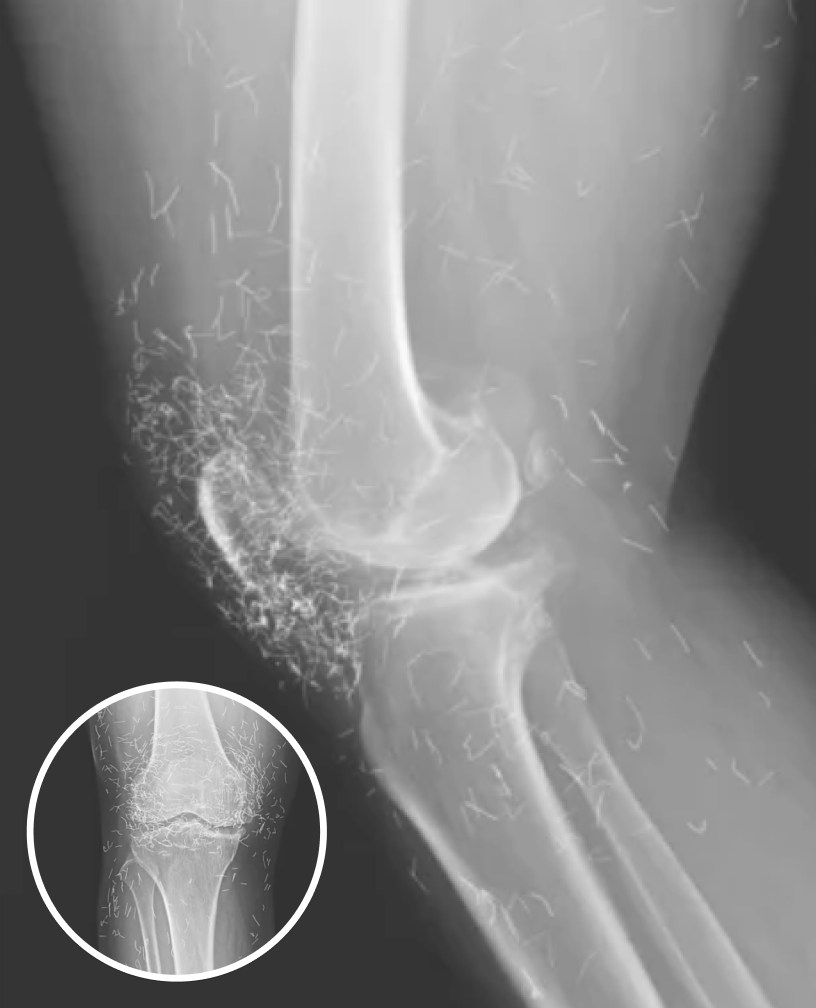
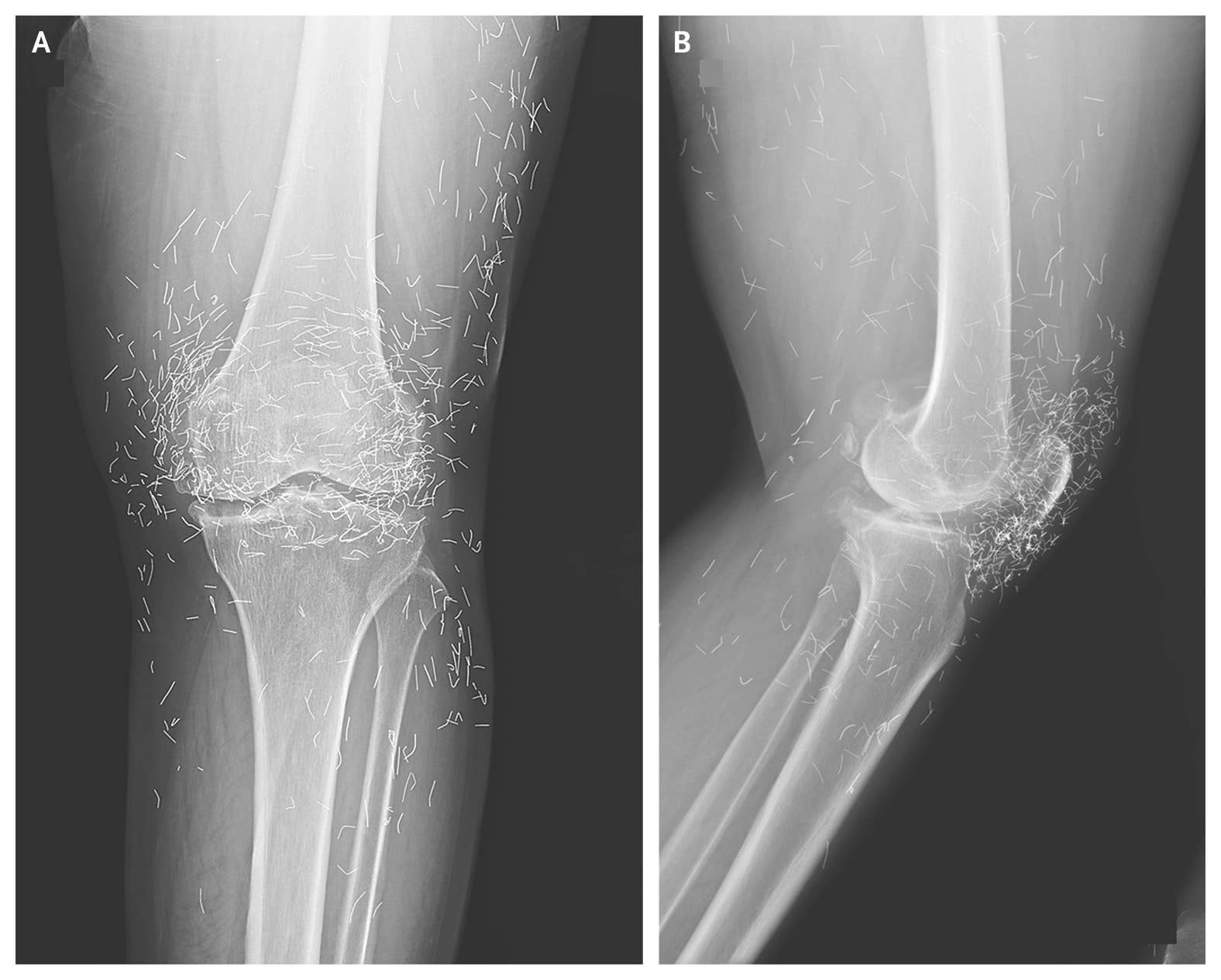
What doctors later discovered during a routine X-ray surprised medical professionals and sparked worldwide discussion. Hidden inside the tissue surrounding her knees were hundreds of tiny gold needles, intentionally placed there as part of an alternative treatment approach.
The unusual case quickly captured public attention because it sat at the intersection of ancient tradition and modern medicine. While supporters of acupuncture viewed the procedure as an extension of long-standing cultural healing methods, medical experts raised concerns about potential risks associated with leaving metallic objects inside the body.
The story became more than a medical curiosity. It opened a broader conversation about how traditional therapies continue to influence modern healthcare, why alternative medicine remains popular across cultures, and how science evaluates treatments passed down through generations.
Understanding Osteoarthritis and Chronic Joint Pain
Osteoarthritis is one of the most common joint conditions worldwide. It occurs when the protective cartilage cushioning the ends of bones gradually wears down over time. As cartilage becomes thinner, movement can become uncomfortable and stiffness may increase, particularly in the knees, hips, hands, and spine.
Many people living with osteoarthritis seek multiple forms of treatment because symptoms can vary widely. Standard medical approaches often include physical therapy, exercise, anti-inflammatory medications, and lifestyle changes. In more advanced cases, surgical procedures may be considered.
However, some patients experience side effects from medications or feel conventional treatments do not fully address their discomfort. This often leads individuals to explore complementary therapies such as massage, herbal medicine, meditation, and acupuncture.
In countries throughout Asia, acupuncture has been practiced for centuries and remains an important part of traditional healthcare systems. Even in Western countries, interest in alternative medicine has grown significantly over the last few decades.
What Is Acupuncture?
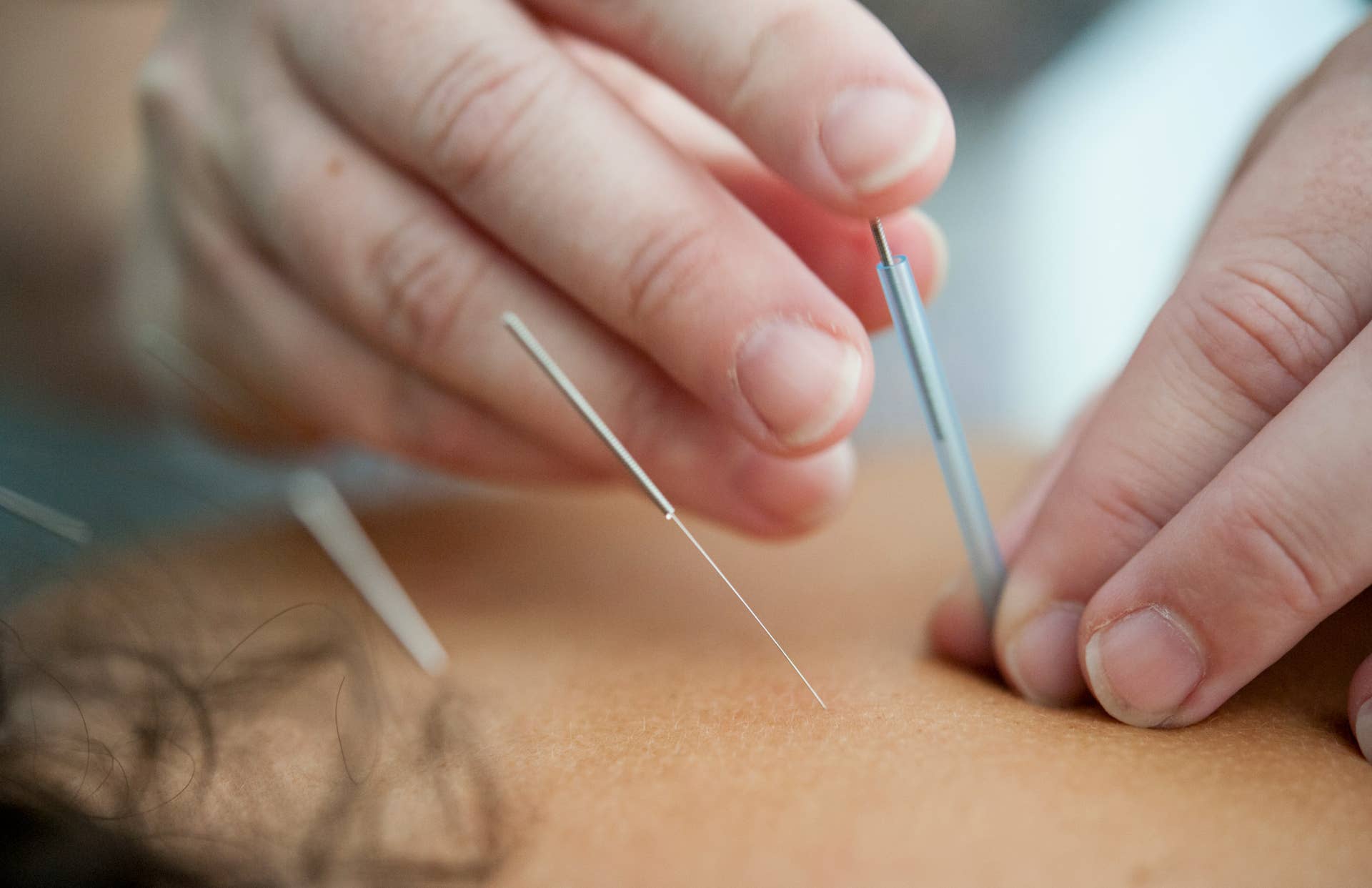
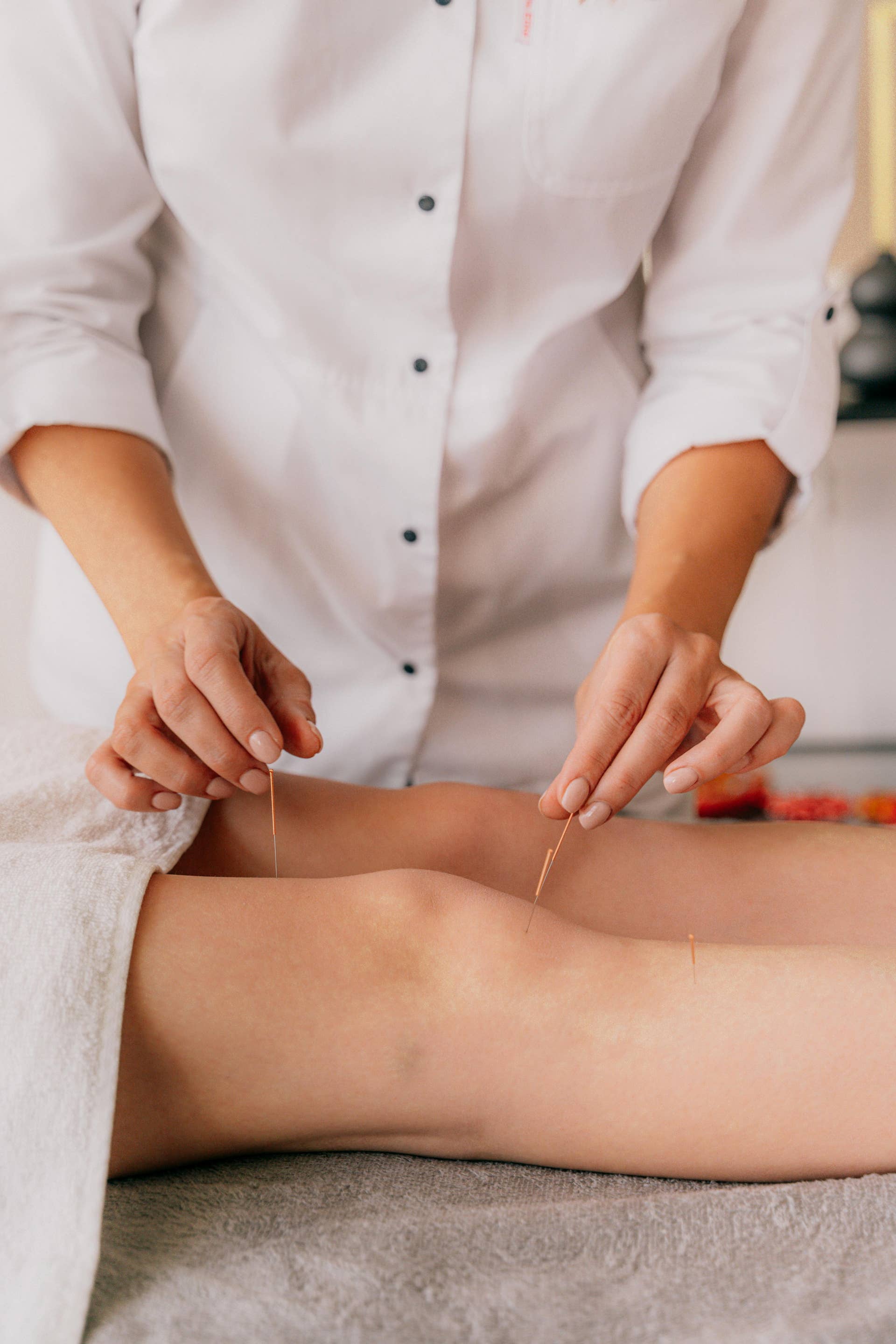
Acupuncture is a traditional therapy that originated in ancient China thousands of years ago. The practice involves placing extremely thin needles into specific points on the body. According to traditional beliefs, these points are connected through pathways that influence physical balance and energy flow.
Modern practitioners and researchers often explain acupuncture differently. Some studies suggest the therapy may stimulate nerves, muscles, and connective tissue, potentially encouraging the body’s natural responses to discomfort and tension.
Today, acupuncture is used worldwide for a variety of conditions, particularly those related to chronic pain management. Some individuals report feeling relaxed or experiencing temporary relief after treatments. Scientific studies examining its effectiveness, however, have produced mixed results depending on the condition being treated.
In the South Korean woman’s case, doctors discovered that the gold needles had not been removed after treatment. Instead, they had been intentionally implanted to provide continuous stimulation around the knee joint.
The Discovery That Sparked Global Attention
The woman visited doctors because of worsening knee discomfort associated with osteoarthritis. During imaging scans, physicians noticed an extraordinary pattern throughout the tissue surrounding both knees.
Tiny metallic fragments appeared scattered across the X-ray images. Upon closer examination, these fragments were identified as numerous gold acupuncture needles embedded beneath the skin.
The images quickly gained international attention after the case was documented in a respected medical journal. For many readers, the discovery seemed almost unbelievable. Yet experts familiar with certain alternative therapies explained that permanent needle implantation has been practiced in some regions for years.
Advocates of the technique believe gold or metallic implants may provide longer-lasting stimulation than traditional acupuncture sessions. Supporters claim the practice can help reduce discomfort over time, although scientific evidence supporting these claims remains limited.
The case also highlighted the differences between traditional healing philosophies and evidence-based medical standards.
Why Gold Has Special Meaning in Traditional Healing
Gold has held symbolic importance in human culture for thousands of years. Across civilizations, it has represented purity, vitality, prosperity, and endurance. In some traditional healing systems, gold is believed to possess restorative qualities associated with balance and longevity.
In parts of Asia, gold thread therapy and metallic implants have occasionally been promoted for cosmetic purposes or joint-related discomfort. Some practitioners believe the material interacts with the body in beneficial ways, though these ideas are often rooted more in tradition than modern clinical research.
Historically, precious metals have appeared in many forms of folk medicine. Ancient societies sometimes used gold powders, silver tools, or mineral compounds in healing rituals and treatments. These practices reflected both cultural beliefs and the limited scientific understanding available at the time.
Even today, many people continue to place strong trust in remedies tied to cultural heritage. Traditional practices are often passed from generation to generation, creating a sense of familiarity and emotional reassurance that modern medicine sometimes struggles to replicate.
Scientific Perspectives on Embedded Needles
Medical experts reviewing the woman’s case emphasized that leaving foreign materials inside the body may carry potential complications. According to specialists, the body naturally reacts to implanted objects through immune responses and tissue changes.
Some doctors warned that metallic fragments could potentially contribute to inflammation or interfere with future medical imaging procedures. MRI scans, for example, may pose concerns when metallic objects are present because strong magnetic forces interact with metal differently depending on the material involved.
Radiologists also noted that embedded objects can sometimes make diagnostic images more difficult to interpret clearly.
At the same time, scientists caution against making broad conclusions from a single case. Not every person receiving similar treatments experiences complications, and research into acupuncture continues to evolve.
Several studies have explored whether acupuncture may help with certain forms of pain management, stress reduction, or mobility improvement. Organizations such as the National Institutes of Health acknowledge that some patients report benefits, though researchers continue investigating exactly how and when the therapy may be most effective.
This balance between personal experience and scientific evidence remains central to debates surrounding alternative medicine.
Why Alternative Medicine Continues to Thrive
The popularity of alternative therapies is not limited to one country or culture. Around the world, millions of people seek treatments outside conventional medical systems each year.
There are many reasons for this growing interest.
Some individuals are drawn to natural or traditional approaches because they prefer less medication-based care. Others seek treatments aligned with family traditions or cultural beliefs. Chronic conditions, especially those involving long-term discomfort, often motivate patients to explore every available option.
Alternative therapies can also provide emotional comfort. Personalized attention, calming treatment environments, and holistic philosophies may create experiences that patients find reassuring and empowering.
At the same time, healthcare experts encourage patients to approach unconventional treatments thoughtfully. Open communication between patients and qualified medical professionals is considered essential for evaluating safety, effectiveness, and possible interactions with existing treatments.
The Importance of Evidence-Based Medicine
Modern medicine relies heavily on scientific testing, clinical trials, and long-term research. Treatments are evaluated based on measurable outcomes, safety standards, and repeatable evidence.
Traditional therapies, by contrast, often emerge from centuries of observation, cultural wisdom, and anecdotal experiences rather than controlled scientific studies.
This difference sometimes creates tension between conventional healthcare providers and supporters of alternative medicine. However, many experts now advocate for an integrative approach that combines evidence-based treatments with complementary practices shown to be reasonably safe and potentially beneficial.
In recent years, hospitals and wellness centers in several countries have introduced acupuncture programs alongside physical therapy, rehabilitation, and pain management services. These programs are typically supervised carefully and follow modern medical guidelines.
The goal is not necessarily to replace conventional medicine but to explore whether certain complementary therapies may support patient well-being when used responsibly.
Cultural Respect and Medical Caution
Cases like the South Korean woman’s X-ray remind us that healthcare is deeply connected to culture, history, and personal belief systems. Practices that seem unusual to one society may be considered completely ordinary in another.
Respecting cultural traditions remains important, especially when discussing long-established healing methods. At the same time, medical professionals emphasize the value of informed decision-making grounded in scientific understanding.
Patients considering alternative therapies are often encouraged to research practitioners carefully, discuss treatment plans openly with healthcare providers, and remain aware of possible risks and limitations.
The conversation surrounding acupuncture continues to evolve as researchers conduct new studies and as traditional practices adapt to modern healthcare environments.
A Story That Reflects Human Curiosity
The image of hundreds of tiny gold needles hidden inside a woman’s knees fascinated people around the world because it combined mystery, tradition, and medicine into a single unforgettable story.
For some, the case symbolized the enduring power of ancient healing practices. For others, it highlighted the importance of scientific caution and careful medical oversight.
Perhaps most importantly, the story revealed something universal about human nature. Across cultures and throughout history, people have always searched for ways to ease discomfort, improve well-being, and regain hope when conventional answers feel incomplete.
Whether through modern laboratories or ancient traditions, that search continues today. The challenge lies in balancing curiosity with evidence, cultural respect with scientific rigor, and personal belief with informed healthcare choices.
As medicine continues to advance, stories like this remind us that the relationship between tradition and science is rarely simple. Yet it is precisely this complexity that keeps humanity endlessly curious about the mysteries of healing and the remarkable ways people seek comfort and care.

Sources
Opposing Views
Live Science
National Institutes of Health
New England Journal of Medicine
Boston University School of Medicine