Few household surprises trigger fear as quickly as spotting a snake inside the home. Whether it appears in a basement, garage, laundry room, or storage area, the sight of a long, moving shape across the floor can instantly create panic and anxiety.
In recent years, stories about snakes entering homes have spread widely online, often accompanied by dramatic headlines suggesting invasions or hidden dangers lurking beneath floorboards. Viral posts frequently portray these encounters as mysterious or terrifying events, leaving homeowners worried about what may be hiding inside their own houses.
However, wildlife experts say the reality is usually far less alarming.
Most snakes that enter homes are not seeking confrontation with humans. Instead, they are typically responding to environmental conditions, searching for shelter, warmth, food, or temporary protection from weather changes.
Understanding why snakes appear indoors can help homeowners replace fear with practical prevention strategies. In many cases, the presence of a snake says more about the surrounding environment than about the animal itself.
Rather than signaling danger, these encounters often reflect natural wildlife behavior interacting with expanding human development.
Why Snakes Enter Homes
According to herpetologists and wildlife specialists, snakes usually enter homes for three main reasons:
Shelter
Temperature regulation
Access to food
Snakes are cold blooded animals, meaning they rely on external temperatures to regulate their body heat. During periods of extreme weather, homes can unintentionally provide stable environments that feel safer than outdoor conditions.
Heavy rainfall may flood underground burrows, pushing snakes toward dry areas such as garages, crawlspaces, or basements. During hot weather, shaded indoor spaces may offer cooler temperatures. In colder seasons, warm foundations and heated interiors can become attractive temporary shelters.
Experts emphasize that snakes are not attempting to “invade” homes. They are simply responding to survival instincts shaped by their environment.
The Hidden Attraction: Food Sources
One of the most common reasons snakes appear near homes is the presence of prey animals.
Rodents, insects, and small pests naturally attract snakes because they serve as food sources. Homes with mice, crickets, or other small animals may unintentionally create ideal hunting grounds.
Wildlife control specialists explain that garages, storage areas, cluttered basements, and woodpiles can provide excellent hiding places for rodents. Once rodents settle nearby, predators such as snakes may eventually follow.
In this way, a snake sighting can sometimes indicate an underlying pest issue rather than a direct wildlife problem.
Experts often recommend focusing on rodent prevention first when addressing recurring snake encounters.
Why Basements and Garages Are Common Hiding Spots
Certain areas of homes naturally appeal to reptiles because they are quiet, dark, and rarely disturbed.
Basements, crawlspaces, storage rooms, and garages often provide:
Stable temperatures
Limited human activity
Easy hiding places
Access to small pests
Cardboard boxes, stacked materials, and clutter create protective cover where snakes can remain hidden while avoiding predators or disturbances.
Outdoor landscaping can also contribute to the problem. Overgrown vegetation, piles of leaves, firewood stacks, and tall grass near foundations may create pathways leading closer to homes.
Experts recommend maintaining clear spaces around foundations to reduce hiding opportunities for both snakes and rodents.
Understanding Fear of Snakes
Fear of snakes is extremely common across many cultures and societies.
Psychologists studying evolutionary behavior suggest that humans may have developed heightened awareness of snakes as a survival adaptation over thousands of years. Quick recognition of potentially dangerous animals likely helped early humans avoid threats in natural environments.
As a result, even harmless snake encounters can trigger strong emotional reactions.
However, wildlife educators emphasize that most snake species are not aggressive toward humans and generally prefer avoiding interaction whenever possible.
In many cases, snakes enter homes accidentally or become trapped while searching for shelter or prey.
Understanding this behavior can help reduce unnecessary panic during encounters.
Are Most Indoor Snakes Dangerous?
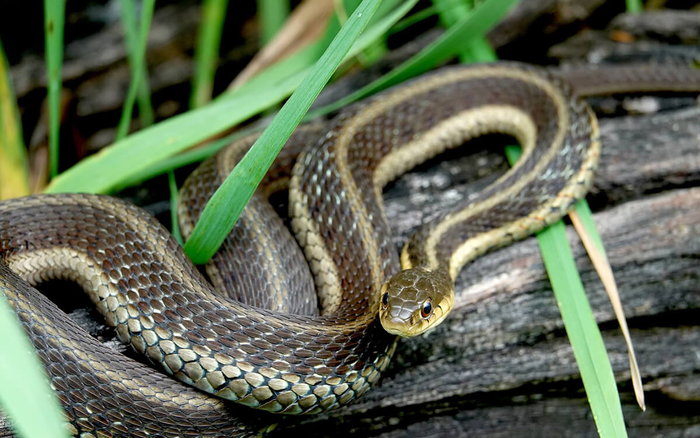
Experts consistently note that many snakes commonly found near homes are non venomous and relatively harmless to people.
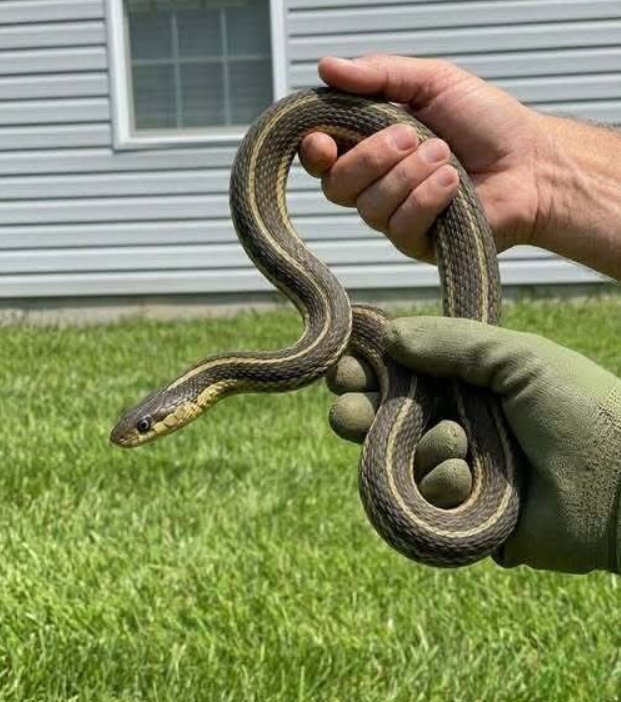
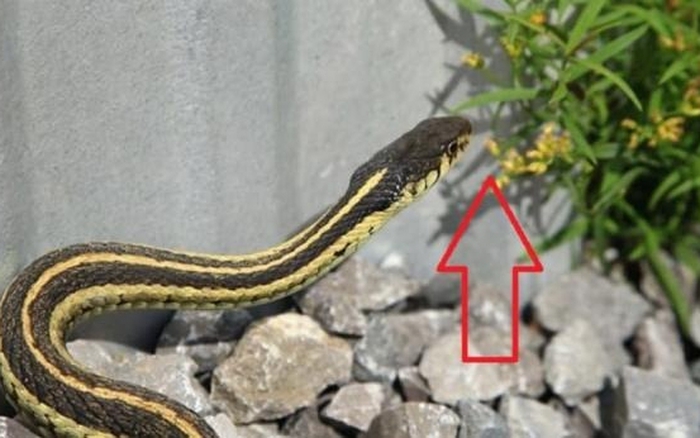
Species vary depending on geographic region, but many snakes encountered indoors are garden snakes, rat snakes, or other species that primarily feed on rodents and insects.
At the same time, wildlife professionals caution against attempting to identify or handle snakes without proper knowledge and training.
Because some species can resemble one another visually, homeowners should always maintain a safe distance and contact local animal control or wildlife specialists if uncertain.
The safest approach is respectful caution rather than fear driven reactions.
What To Do If You Find a Snake Indoors
Wildlife agencies generally recommend several important safety steps if a snake is discovered inside a home.
Remain calm and avoid sudden movements.
Do not attempt to touch, trap, or strike the animal.
Keep children and pets away from the area.
Maintain visual contact from a safe distance if possible.
Contact local animal control or a wildlife removal professional.
Most snakes become defensive only when cornered or threatened. Giving the animal space often reduces the likelihood of sudden movement or stress.
Professionals trained in wildlife relocation can safely remove the snake while minimizing risk to both homeowners and the animal itself.
How Professionals Remove Snakes Safely
Wildlife removal specialists use specialized equipment and training to relocate snakes without unnecessary harm.
In addition to removing the animal, professionals often inspect homes for possible entry points such as:
Foundation gaps
Cracks near pipes
Damaged vents
Loose door seals
Open crawlspace areas
This inspection process is valuable because it helps homeowners prevent future encounters by correcting structural vulnerabilities.
Experts explain that snakes can enter through surprisingly small openings due to their flexible bodies.
Preventing Future Encounters
Long term prevention focuses on making homes less attractive to both snakes and their prey.
Wildlife experts commonly recommend:
Sealing cracks and openings around foundations
Removing clutter from garages and basements
Keeping grass trimmed short
Storing firewood away from the home
Reducing rodent populations
Securing outdoor pet food
Maintaining clean storage spaces
Improving sanitation is especially important because reducing insects and rodents removes the food sources that attract snakes in the first place.
A well maintained property is generally less appealing to many types of wildlife.
Social Media and Fear Driven Headlines
Online stories about snakes entering homes often use dramatic language designed to attract clicks and emotional reactions.
Phrases such as “nightmare invasion” or “hidden danger beneath your floorboards” can amplify fear even when encounters are relatively manageable.
Media researchers explain that emotionally intense headlines spread quickly because they trigger curiosity and anxiety. However, sensational storytelling may create exaggerated perceptions of risk.
Wildlife organizations encourage homeowners to rely on factual guidance from local experts rather than viral speculation.
Understanding animal behavior through science based information often provides more useful solutions than fear driven narratives.
The Ecological Importance of Snakes
Although many people fear snakes, ecologists emphasize that they play valuable roles in natural ecosystems.
Snakes help control populations of rodents and insects, which can reduce agricultural damage and limit the spread of pests near human communities.
In many environments, snakes are important parts of balanced food chains.
Conservation experts note that habitat loss, urban expansion, and environmental changes increasingly force wildlife into closer contact with human populations. As cities and suburbs continue expanding, encounters between people and animals naturally become more common.
Learning to manage these interactions responsibly benefits both communities and local ecosystems.
Why Coexistence Matters
Wildlife specialists increasingly promote coexistence strategies rather than fear based responses to animal encounters.
Most snakes are not interested in interacting with humans and pose little threat when left undisturbed. By understanding their behavior and reducing attractants around homes, people can greatly minimize unwanted encounters.
Education also plays a key role. Accurate information helps replace myths and panic with practical awareness and preparedness.
Experts stress that respect for wildlife does not require eliminating caution. Instead, it means approaching encounters calmly and responsibly.
Conclusion
Finding a snake inside a home can feel unsettling, but experts say these encounters are usually linked to ordinary environmental factors rather than deliberate invasions or hidden dangers.
Snakes typically enter homes while searching for shelter, warmth, or food sources such as rodents and insects. Basements, garages, and cluttered storage areas can unintentionally provide ideal hiding places during periods of extreme weather or environmental change.
While fear is a natural reaction, understanding snake behavior helps homeowners respond more effectively and safely. Prevention strategies such as reducing clutter, sealing entry points, and managing pest activity can significantly reduce future encounters.
Ultimately, stories about indoor snakes reflect a larger reality about modern life: as human development expands into natural habitats, interactions with wildlife become increasingly common. With accurate information, calm responses, and practical home maintenance, these encounters can usually be managed safely and responsibly.
Sources
Kadim Ansiklopedi
National Geographic
Smithsonian Institution
Centers for Disease Control and Prevention
National Wildlife Federation
The Humane Society of the United States
American Society of Ichthyologists and Herpetologists
University of Florida Wildlife Ecology and Conservation Department