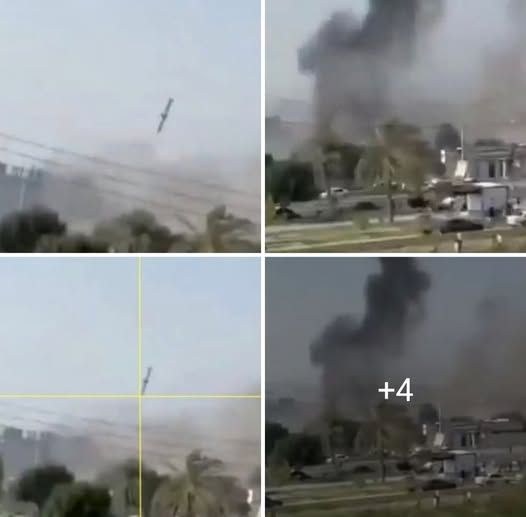
The school day had started like any other in the southern Iranian city of Minab. Students gathered in classrooms, teachers prepared lessons, and families expected an ordinary morning filled with education and routine. Then, according to reports circulating online, a sudden blast shattered the calm atmosphere, sending confusion and fear through the surrounding neighborhood.
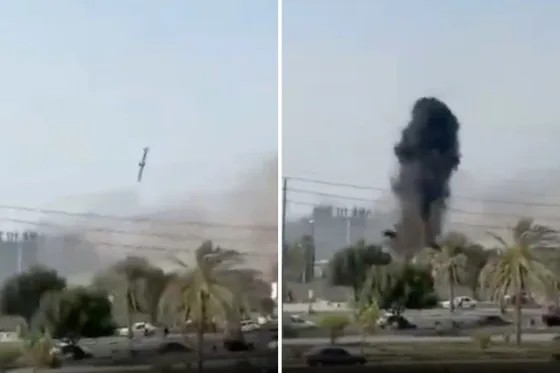
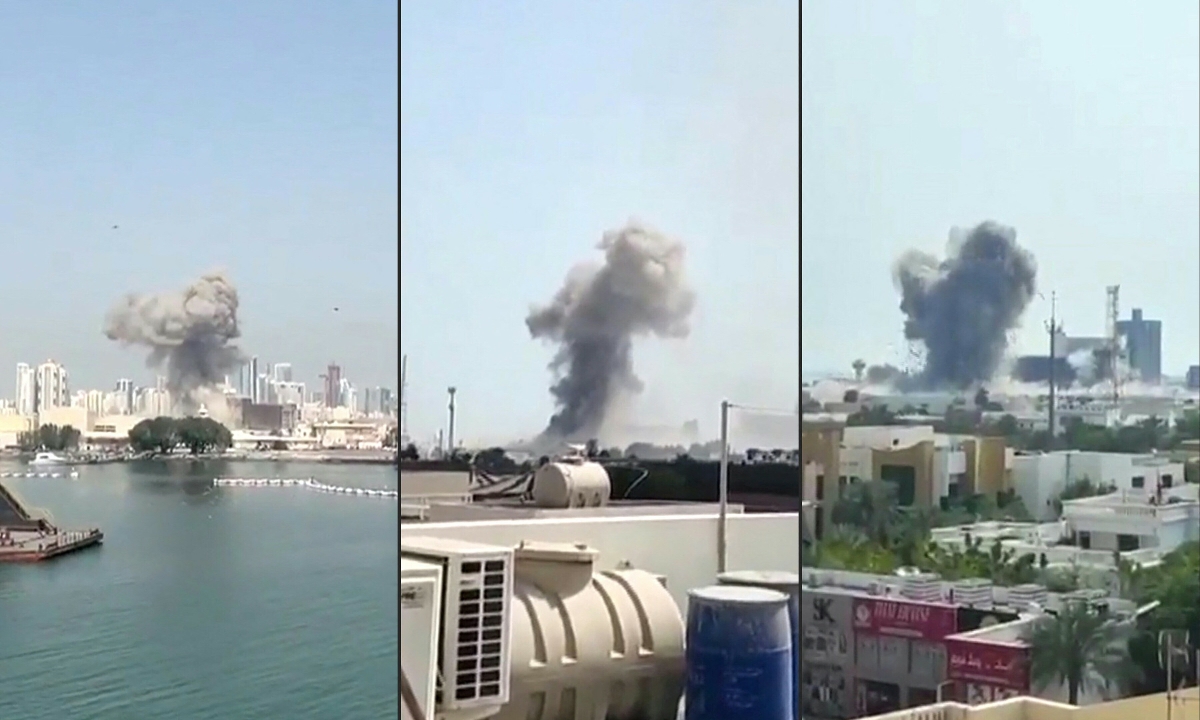
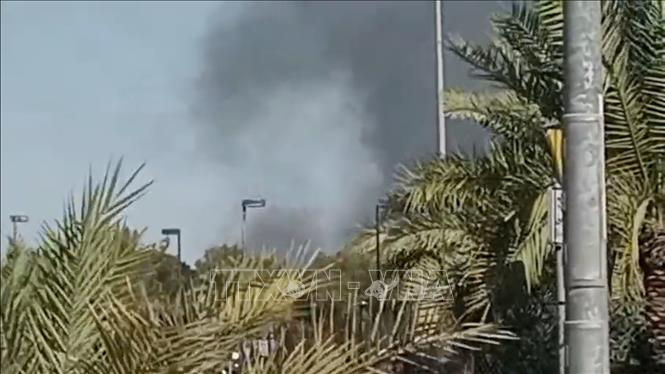
Within minutes, social media platforms were flooded with videos, eyewitness accounts, and emotional reactions. Smoke rising into the sky quickly became the defining image associated with the incident. As global attention turned toward Minab in Hormozgan Province, many people began asking difficult questions about what truly happened and how such a frightening event could occur near a school.
Although many early claims remain unverified, the incident has already sparked international discussions about civilian safety, modern information warfare, and the challenges of determining facts during moments of crisis.
Understanding the Reports From Minab
Initial online reports described significant disruption near a girls school, with emergency responders arriving rapidly at the scene. Witnesses reportedly described damaged windows, debris scattered across nearby streets, and widespread panic among local residents.
At the same time, many details remained uncertain. Different online sources presented conflicting narratives regarding the origin of the blast, the type of object involved, and the intended target. Some reports framed the event as a possible military-related incident, while others urged caution until professional investigators could examine physical evidence.
This uncertainty highlights a growing reality in the digital age. News now spreads globally within seconds, often long before official investigations can confirm the facts. As a result, speculation can quickly shape public perception even when verified information is limited.
For communities directly affected by frightening events, this flood of online commentary can create additional anxiety. Residents are left balancing emotional eyewitness experiences with a rapidly changing online narrative that may or may not reflect reality accurately.
Why Schools Hold Powerful Symbolic Meaning
Educational institutions occupy a unique place in societies around the world. Schools are commonly viewed as spaces associated with learning, growth, and hope for future generations. Because of this symbolism, any incident occurring near a school often triggers especially strong emotional reactions.
Throughout history, schools have represented more than simple buildings. In many cultures, they symbolize stability, social progress, and community trust. When reports emerge suggesting that a school environment has been disrupted, people naturally respond with heightened concern.
This cultural significance explains why international reactions to the Minab reports spread so quickly online. The emotional response was not based solely on the physical event itself but also on the symbolic importance attached to places of education.
In regions shaped by political tension or historical instability, schools often become powerful reminders of the desire for normal life and social continuity. Communities see them as places where future generations can pursue opportunities beyond conflict and uncertainty.
The Rise of Missile Speculation Online
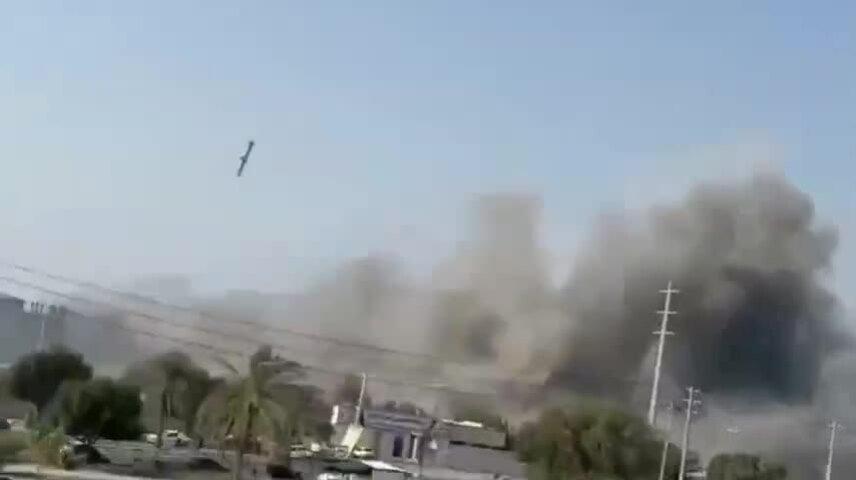
One of the most widely discussed aspects of the Minab incident involved online claims about the possible use of a military weapon system. Social media discussions repeatedly referenced the Soviet-era Raduga Kh-55 cruise missile, a long-range system historically associated with strategic military operations.
However, defense analysts and international observers quickly warned against drawing premature conclusions. Identifying sophisticated military equipment requires detailed forensic analysis rather than visual assumptions based on low-quality videos or fragmented online footage.
Specialists generally rely on multiple forms of evidence before confirming the involvement of any specific weapon system. This process may include examining metal fragments, analyzing blast patterns, reviewing radar data, and comparing debris with known technical characteristics.
Experts emphasize that internet speculation often grows faster than evidence-based investigations. In emotionally charged situations, dramatic theories tend to gain attention quickly, especially when they involve recognizable military terminology or Cold War-era technology.
Because of this, many observers continue urging patience until independent investigations can provide more reliable findings.
The Scientific Process Behind Blast Investigations
Investigating large explosions is a highly technical process involving several scientific disciplines. Teams examining such incidents typically include structural engineers, forensic specialists, ballistics experts, and intelligence analysts.
One important step involves analyzing the crater and surrounding damage patterns. Investigators study how force moved through nearby structures and whether the blast appears consistent with industrial accidents, technical malfunctions, or external impacts.
Material analysis also plays a critical role. Small fragments recovered from the site may reveal clues about manufacturing origin, alloy composition, or mechanical design. Even tiny pieces of debris can provide valuable evidence when examined carefully in laboratories.
Modern investigations may additionally rely on satellite imagery, atmospheric data, and digital tracking systems. In some cases, analysts compare images captured before and after the incident to determine the sequence of events more accurately.
Scientific investigations are often slow because experts prioritize precision over speed. While the public may demand immediate answers, investigators typically avoid definitive statements until enough evidence has been verified independently.
This careful approach is essential because incorrect conclusions can influence diplomatic relationships, public trust, and international stability.
The Role of Social Media in Modern Crises
The Minab incident also demonstrates how social media platforms now shape public understanding during emergencies. Within moments of the reported blast, online users began sharing footage, theories, emotional reactions, and political interpretations.
This rapid exchange of information has both positive and negative consequences.
On one hand, digital platforms allow communities to alert others quickly and organize emergency support efforts. Eyewitness documentation can also help investigators preserve important visual records before physical evidence changes.
On the other hand, misinformation spreads just as rapidly. Edited videos, misleading captions, and emotionally charged speculation can create confusion before verified facts emerge. In highly sensitive situations, online rumors sometimes become more influential than official statements.
Researchers studying digital communication have increasingly referred to this phenomenon as the “information fog” surrounding crises. In such environments, audiences may struggle to distinguish between verified reporting, speculation, and deliberate manipulation.
The Minab case reflects this broader challenge facing modern societies worldwide. As technology accelerates communication, the demand for careful journalism and evidence-based reporting becomes even more important.
Cultural Memory and Collective Fear
Events associated with sudden explosions or aerial threats often leave lasting psychological impressions on communities. Even when physical rebuilding occurs quickly, emotional recovery may take much longer.
Cultural historians note that communities frequently develop collective memories around traumatic public events. These memories influence local identity, family conversations, and future perceptions of safety.
In Minab, many families reportedly experienced fear and uncertainty following the incident. Parents worried about schools, children reacted emotionally to loud sounds, and neighborhoods struggled to process conflicting information.
Psychologists often explain that uncertainty itself can intensify emotional stress. When people do not fully understand what happened or whether future risks remain, anxiety may continue long after the initial event.
This is one reason why transparent investigations matter deeply. Clear communication from trusted institutions can help communities rebuild confidence and reduce the long-term effects of fear and rumor.
International Reactions and Diplomatic Concerns
Governments and humanitarian observers around the world reportedly expressed concern following the Minab incident. Many international statements emphasized the importance of protecting civilian environments and conducting transparent investigations.
Diplomatic reactions in situations like this often focus on two major priorities.
The first involves humanitarian concern for affected families and local communities. International organizations commonly encourage medical support, psychological assistance, and infrastructure recovery efforts.
The second involves geopolitical stability. Any event potentially connected to military systems naturally attracts attention because regional misunderstandings can sometimes escalate tensions between governments.
This explains why investigators are typically encouraged to share evidence carefully and avoid politically charged assumptions before findings are confirmed.
In today’s interconnected world, local incidents can rapidly influence global conversations. The Minab reports became part of wider discussions about security, technology, media responsibility, and international accountability.
Separating Fact From Speculation
One of the most important lessons emerging from the Minab incident is the importance of distinguishing between confirmed information and online speculation.
Many dramatic claims circulated widely before official evidence became available. Some posts confidently identified weapon systems, assigned blame, or described strategic motives despite limited verification.
Experts in digital misinformation repeatedly warn that emotionally intense events create ideal conditions for rumors to spread. People naturally search for explanations during moments of uncertainty, and dramatic narratives often gain visibility faster than cautious analysis.
Responsible reporting therefore requires patience and transparency. Reliable investigations typically acknowledge uncertainty rather than presenting assumptions as proven facts.
For readers following global events online, media literacy has become increasingly important. Evaluating sources, checking multiple reports, and recognizing emotional framing can help audiences navigate rapidly evolving stories more carefully.
A Reminder of Humanity’s Shared Vulnerability
Beyond politics, technology, and speculation, the Minab incident ultimately reflects a universal human concern: the desire for safety and stability within everyday life.
Schools, homes, and neighborhoods represent environments where people expect normalcy and trust. When those expectations are disrupted, communities experience not only physical damage but also emotional uncertainty.
At the same time, moments like this reveal another enduring aspect of human society: the collective search for understanding. Journalists investigate, scientists analyze evidence, communities support one another, and observers around the world seek clarity amid confusion.
The full truth behind the Minab reports may take time to emerge. Investigators will continue examining evidence, analysts will compare data, and public discussions will evolve as more information becomes available.
Yet regardless of the final conclusions, the incident serves as a reminder of how deeply interconnected modern societies have become. A single event in one city can rapidly capture global attention, spark international debate, and inspire conversations about truth, safety, and responsibility.
Human curiosity drives people to search for answers during uncertain moments. That same curiosity also encourages societies to pursue better communication, stronger accountability, and a deeper understanding of the complex world they share.
Sources
Reuters
BBC News
Associated Press
United Nations Educational, Scientific and Cultural Organization (UNESCO)
International Committee of the Red Cross (ICRC)
Jane’s Defence Weekly
The Atlantic Council
Al Jazeera
Council on Foreign Relations (CFR)