
For several days, families across Alice Springs followed the search for a missing five-year-old girl named Sharon Granites, known lovingly to relatives as Kumanjayi Little Baby.
Neighbors, local residents, police officers, and volunteers hoped for a safe outcome as search efforts expanded across the area. Social media filled with messages of support, prayers, and concern from people both inside and outside the Northern Territory.
As updates emerged, the case quickly became one of the most closely followed stories in Australia, not only because of the child’s young age, but because communities often feel especially connected during searches involving vulnerable children.
When authorities later confirmed the heartbreaking outcome, waves of grief spread throughout the region.
For many people, the story became more than a news headline. It became a painful reminder of how deeply communities can be affected when tragedy touches the youngest members of society.

Why Cases Involving Children Affect Communities So Deeply
Psychologists explain that stories involving children often trigger especially strong emotional reactions because children symbolize innocence, vulnerability, and the future of a community.
Experts in Developmental Psychology note that communities naturally feel protective toward young children. When a child goes missing, fear and concern spread rapidly because many people imagine how devastating the situation would feel for any family.
This emotional response often leads to widespread public involvement, including volunteer searches, community gatherings, online awareness campaigns, and emotional support for relatives.
In Sharon’s case, local residents reportedly came together quickly, hoping information might help bring her home safely.
The Role of Community During Search Efforts
Search operations involving missing children often depend heavily on cooperation between law enforcement, local residents, and emergency services.
Authorities in Northern Territory coordinated extensive search efforts while encouraging the public to provide any information that might assist investigators.
Experts in Emergency Management explain that community cooperation can play a vital role during time-sensitive investigations. Witness reports, local knowledge, and public awareness frequently contribute valuable information.
At the same time, emotional strain during these situations can be overwhelming for families, volunteers, and first responders alike.

Media Coverage and Public Emotion
Modern media coverage dramatically shapes how communities experience major investigations.
Television updates, social media discussions, and online news alerts allow people to follow developments in real time. While this constant flow of information increases awareness, it can also intensify emotional stress during unfolding situations.
Experts in Media Studies note that high-profile cases involving children often receive extensive national attention because audiences feel deeply emotionally invested.
Images, family statements, and community reactions become widely shared online, creating collective public mourning even among people far removed geographically from the event itself.
The Emotional Weight Carried by Families
Public attention often focuses heavily on investigations, but the emotional experience for families remains at the center of these stories.
Relatives of missing children frequently describe feelings of uncertainty, helplessness, and emotional exhaustion during active search periods. Communities witnessing these events often respond with sympathy because the emotional pain feels universally understandable.
In public statements shared through authorities, Sharon’s family expressed love, grief, and remembrance for the young girl they described as affectionate and deeply cherished.
Experts in Family Psychology emphasize the importance of long-term emotional support for families navigating traumatic public events.
Community compassion and respectful media coverage can help reduce additional emotional strain during already painful periods.
Why Certain Stories Remain in Public Memory
Not every news story remains embedded in public consciousness, but cases involving vulnerable individuals often leave lasting emotional impressions.
Part of this comes from the sense of interrupted possibility. People naturally imagine the future that should have existed for a young child, making the loss feel especially difficult to process emotionally.
Communities may continue remembering these stories for years through memorials, public discussions, charitable initiatives, or safety awareness programs.
These acts of remembrance often become part of the healing process itself.

The Importance of Responsible Reporting
Cases involving children require especially careful and respectful reporting.
Media organizations and online creators are increasingly encouraged to avoid sensationalized language, graphic descriptions, or speculative narratives that may intensify distress for families and communities.
Experts in Journalism Ethics emphasize that balanced reporting should focus on verified facts, community impact, and public safety information rather than emotional exploitation.
Responsible storytelling helps preserve dignity while still informing the public accurately.
Conversations Around Child Safety
Whenever high-profile cases involving children occur, broader public discussions about safety often follow.
Parents, schools, community leaders, and local organizations may revisit conversations about supervision, emergency response, neighborhood awareness, and child protection resources.
Experts in Public Safety note that these conversations can lead to stronger community cooperation and increased awareness without creating unnecessary fear.
Balanced education and open communication are often considered more effective than panic-driven reactions.
The Role of Cultural and Community Identity
In many Australian communities, especially within the Northern Territory, family, cultural identity, and community ties play an important role in collective mourning and support.
Local leaders and public officials acknowledged the broader emotional impact felt across the region following Sharon’s disappearance and the outcome of the investigation.
Community grief often extends far beyond immediate relatives because many residents feel personally connected through shared culture, geography, or emotional solidarity.
This collective response reflects the powerful role communities play during times of hardship.
Why Humans Search for Meaning After Tragedy
One reason stories like this resonate so deeply is because people instinctively search for meaning during painful events.
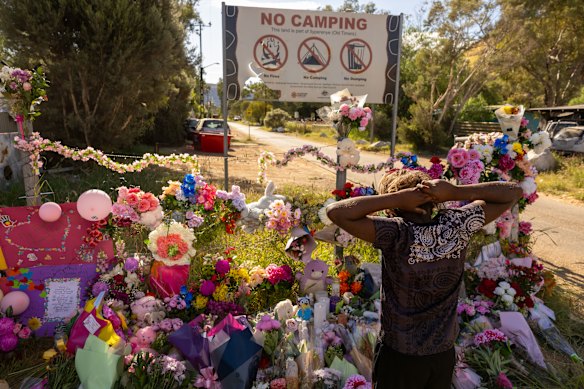
Psychologists studying Trauma Psychology explain that communities often seek understanding, connection, and purpose after tragedy. Public gatherings, memorial messages, and acts of support help people process emotions that otherwise feel overwhelming.
In many cases, communities respond by emphasizing compassion, unity, and care for one another.
These responses reflect resilience even during periods of grief.
Reflection on Compassion and Collective Humanity
The story of Sharon Granites left an emotional impact far beyond Alice Springs because it touched something universal: the deep human instinct to protect and care for children.
Although the outcome brought profound sadness to her family and community, the widespread response also revealed extraordinary compassion from strangers, volunteers, community leaders, and ordinary people who hoped for her safe return.
Perhaps that collective empathy is what people remember most in moments like these.
Even during heartbreaking circumstances, communities often come together through kindness, support, and shared humanity — reminding one another that no family should face grief entirely alone.
Sources
• Australian Federal Police
• National Center for Missing & Exploited Children
• Australian Institute of Family Studies
• UNICEF Australia
• Beyond Blue Australia