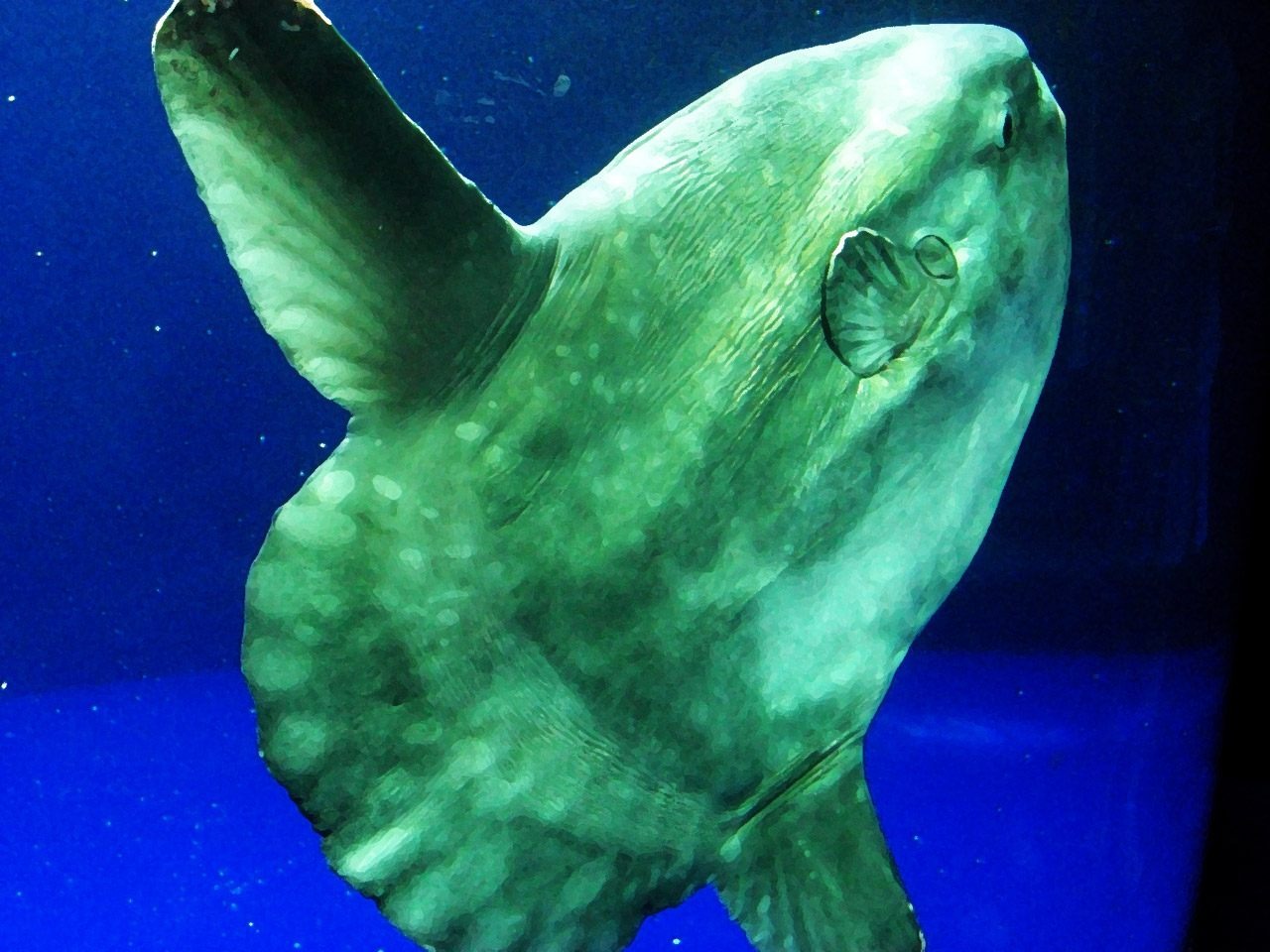
Imagine stepping into a forest expecting familiar sights, only to encounter a creature that looks like it belongs in a fantasy novel. A deer with long, fang-like teeth. A tiny marine animal that flashes like a living gemstone. A fish so unusual in shape that it seems almost unreal.
For centuries, humans have told stories of mythical beasts and mysterious creatures lurking in distant lands. Yet the truth is often more fascinating than fiction. Many of the most extraordinary beings already exist, quietly inhabiting oceans, forests, and deserts across our planet.
This article explores some of the most unusual animals known to science, blending cultural interpretations with scientific explanations. Along the way, we discover that what once seemed like myth may simply be nature expressing its creativity in unexpected ways.
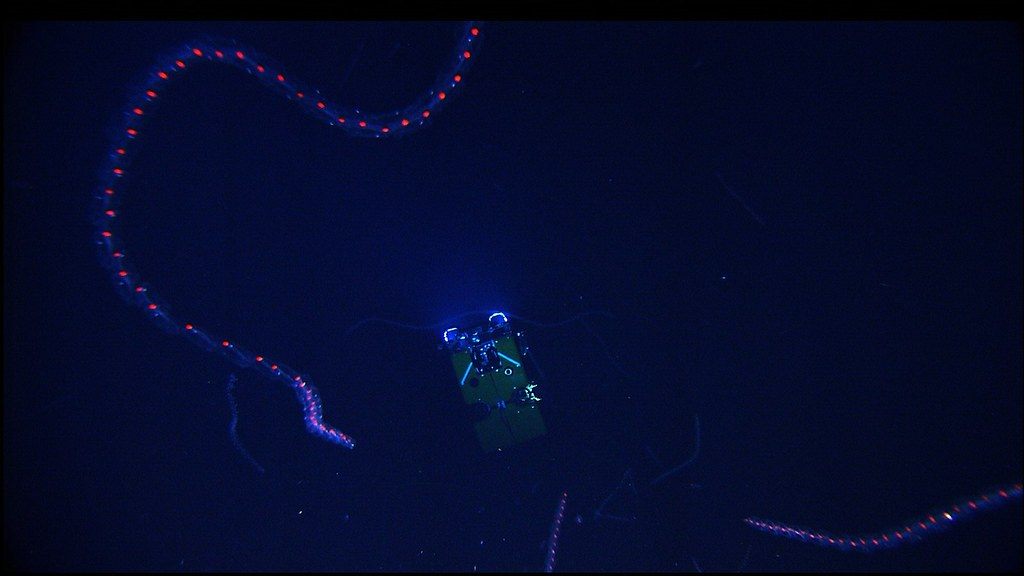
Why Do Some Animals Seem “Impossible”?
Before diving into specific examples, it is worth asking why certain animals appear so unbelievable.
From a scientific perspective, evolution shapes species based on survival needs. Over millions of years, environmental pressures can lead to features that seem strange when compared to everyday animals.
From a cultural perspective, humans have always used imagination to interpret unfamiliar life forms. When early explorers encountered new species, they often described them using comparisons to mythical creatures. This blending of observation and imagination helped shape folklore across civilizations.
Today, science provides explanations for these traits, but the sense of wonder remains.
Creatures That Blur the Line Between Myth and Reality
The “Immortal” Wonder of the Ocean
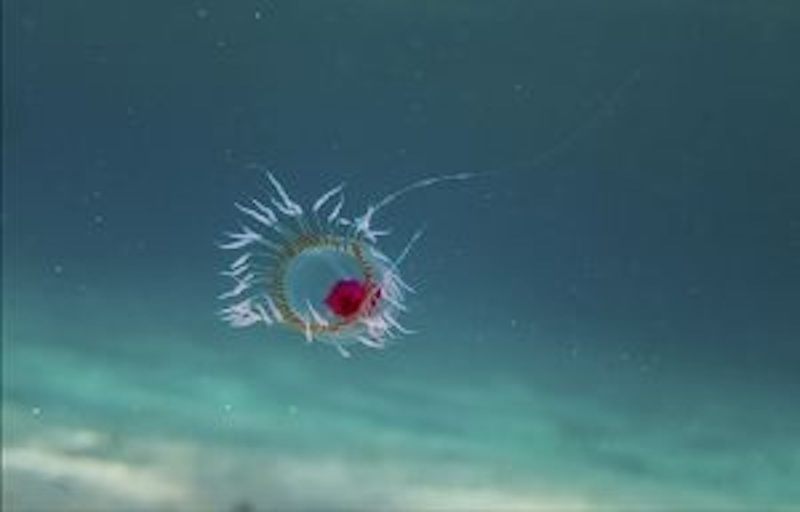
One of the most talked-about unusual creatures is the Immortal Jellyfish. This small marine organism has the remarkable ability to revert to an earlier stage of its life cycle under certain conditions.
Scientifically, this process is known as transdifferentiation, where cells transform into different types. While it does not mean the organism lives forever in the way myths describe immortality, the concept has inspired countless comparisons to legendary beings that defy time.
A Deer That Resembles Ancient Legends
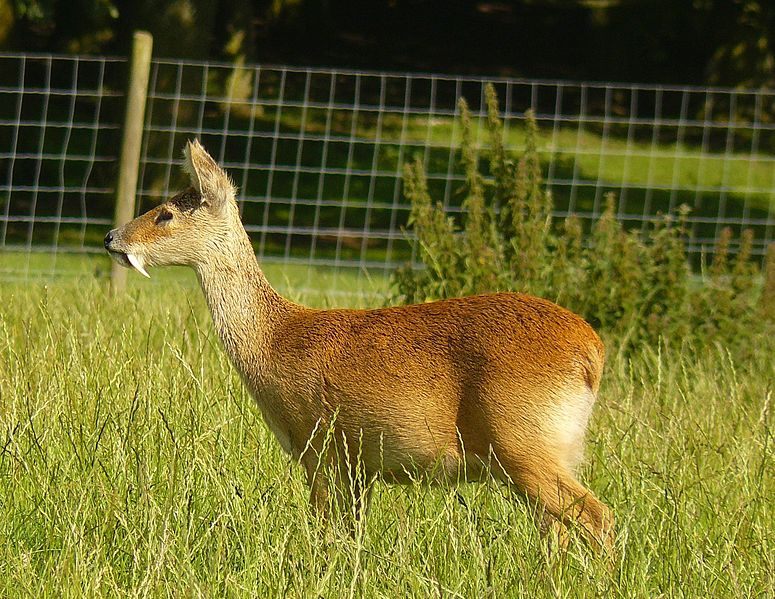
The Saber-toothed Deer looks like it stepped out of prehistoric storytelling. Instead of antlers, it has elongated canine teeth that resemble fangs.
In folklore, animals with unusual teeth were often associated with supernatural strength or mystery. In reality, these features are used for competition and display rather than anything mythical.
A Tiny “Dragon” of the Sea
The ocean is home to creatures that rival fantasy art. The Blue Glaucus, sometimes called a “sea dragon,” floats upside down and feeds on venomous prey.
Its striking appearance has led many to compare it to miniature dragons from mythology. Scientifically, its coloration serves as camouflage, helping it blend into both the sea and the sky when viewed from different angles.
The Shape-Shifting Mystery of the Deep
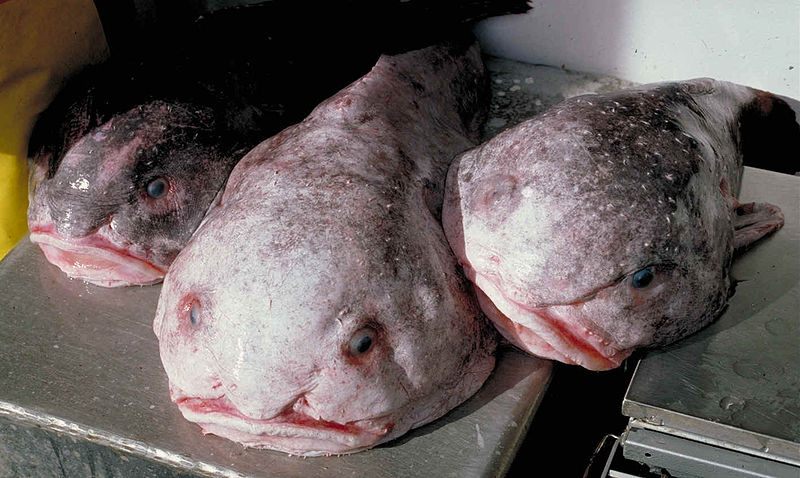
Few animals have puzzled people as much as the Blobfish. Often described as one of the strangest-looking fish, its appearance changes dramatically depending on pressure.
At deep ocean levels, it maintains a more typical shape. When brought to the surface, it appears soft and gelatinous. This transformation highlights how environment plays a crucial role in defining how we perceive a species.
A Creature That Defies Expectations
The Platypus has long been considered one of nature’s most unusual animals. It lays eggs, produces milk, and has a bill similar to a duck.
When European scientists first encountered descriptions of this animal, some believed it to be a hoax. Today, it stands as a powerful example of how evolution can combine traits in unexpected ways.
The Science Behind “Superpowers”
Strength Beyond Size
The Mantis Shrimp is famous for its incredibly fast striking ability. Its movements are so rapid that they create tiny bursts of energy in the water.
This ability has been studied extensively by scientists, not only for understanding biology but also for inspiring engineering designs.
Regeneration and Renewal
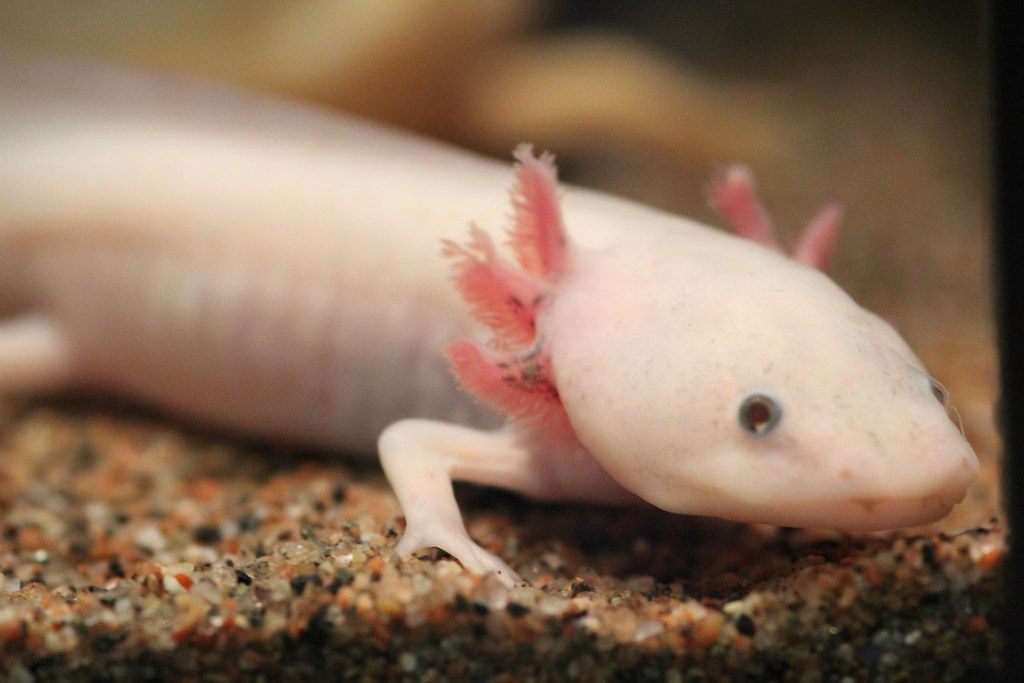
The Axolotl has the remarkable ability to regenerate limbs and even parts of its organs.
In ancient cultures, creatures capable of regeneration were often linked to rebirth or renewal. Modern science is studying this ability to better understand healing processes in humans.
Camouflage and Illusion
The Sea Sapphire is a tiny marine creature that can appear and disappear depending on how light reflects off its body.
This optical effect is caused by microscopic structures that manipulate light. While it may seem magical, it is a result of precise biological design.
Cultural Interpretations of Unusual Animals
Throughout history, humans have interpreted unfamiliar animals through the lens of mythology.
In some cultures, animals with unusual features were seen as omens or symbols. For example, creatures with unique physical traits were sometimes believed to possess special powers or spiritual significance.
The Shoebill Stork, with its striking appearance, has often been described as prehistoric or even otherworldly. Its presence in stories reflects humanity’s tendency to connect unusual visuals with deeper meaning.
Similarly, the Aye-Aye has been surrounded by folklore due to its distinct features. In reality, it plays an important role in its ecosystem by helping control insect populations.
Why Nature Creates Such Diversity
Biodiversity is the result of millions of years of adaptation. Each unusual trait serves a purpose, even if that purpose is not immediately obvious.
Environmental factors such as climate, predators, and food availability shape how species evolve. Over time, this leads to a wide variety of forms and behaviors.
Scientists study these adaptations not only to understand life on Earth but also to gain insights that can be applied to technology, medicine, and environmental conservation.
The Role of Curiosity in Discovery
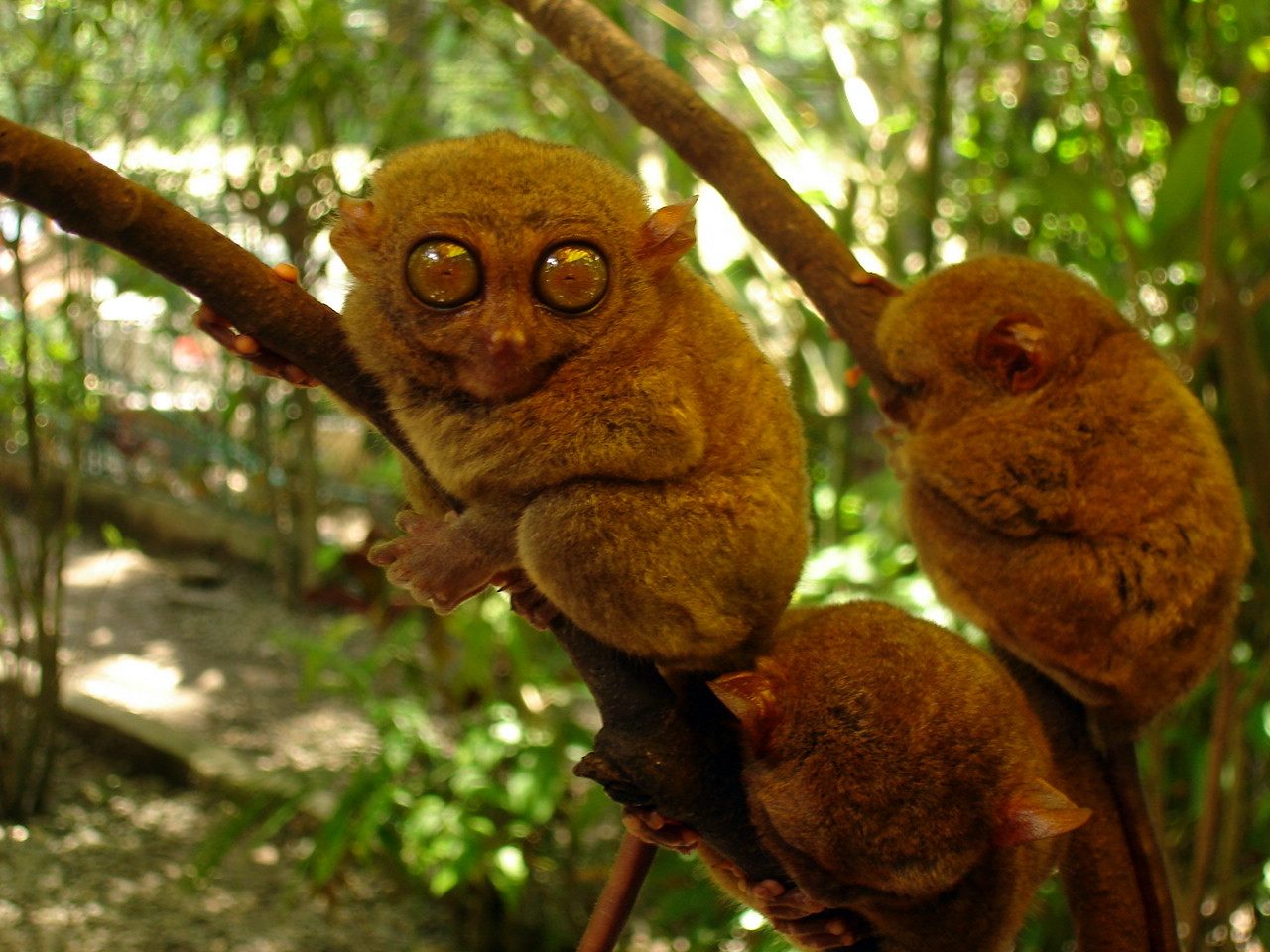
Human curiosity has always driven exploration and scientific discovery. Many of the animals listed here were once unknown to the wider world.
As technology advances, researchers continue to discover new species, especially in remote or deep-sea environments. Each discovery challenges our assumptions and expands our understanding of life.
At the same time, curiosity must be balanced with responsibility. Protecting ecosystems ensures that these remarkable species continue to exist for future generations.
Are There Still “Impossible” Animals Waiting to Be Found?
The idea that unknown creatures may still exist is both exciting and plausible. Vast areas of the ocean remain unexplored, and dense जंगल regions continue to reveal new species.
While not every mystery leads to a groundbreaking discovery, the possibility itself fuels scientific research and public imagination.
It also reminds us that the natural world is far more complex than we often realize.
A Reflection on Human Curiosity
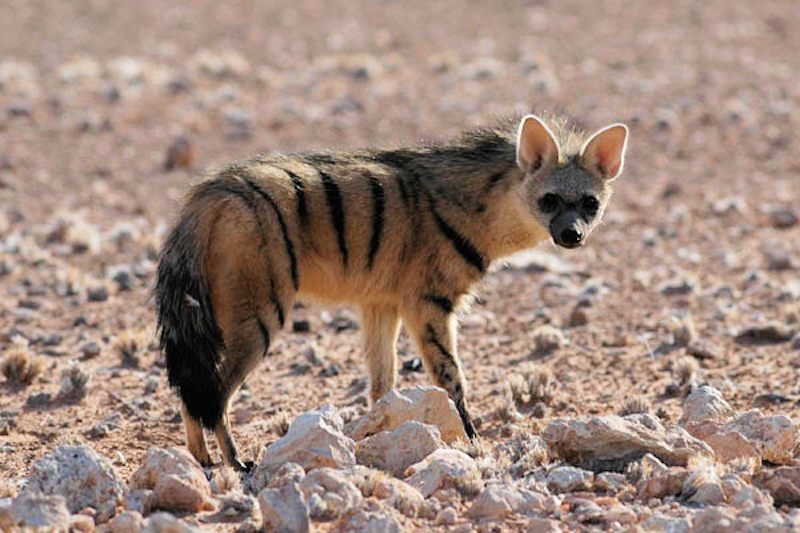
The animals we have explored in this article demonstrate that reality can be just as astonishing as imagination.
What once seemed impossible often turns out to be a natural result of evolution and adaptation. Yet the sense of wonder remains, bridging the gap between science and storytelling.
Human curiosity drives us to question, explore, and understand. It encourages us to look closer at the world around us and appreciate the diversity of life in all its forms.
In the end, the most extraordinary creatures are not hidden in myths or distant galaxies. They are right here on Earth, quietly reminding us that nature’s creativity has no limits.
Sources
Atlas Obscura
National Geographic
Smithsonian Institution
World Wildlife Fund