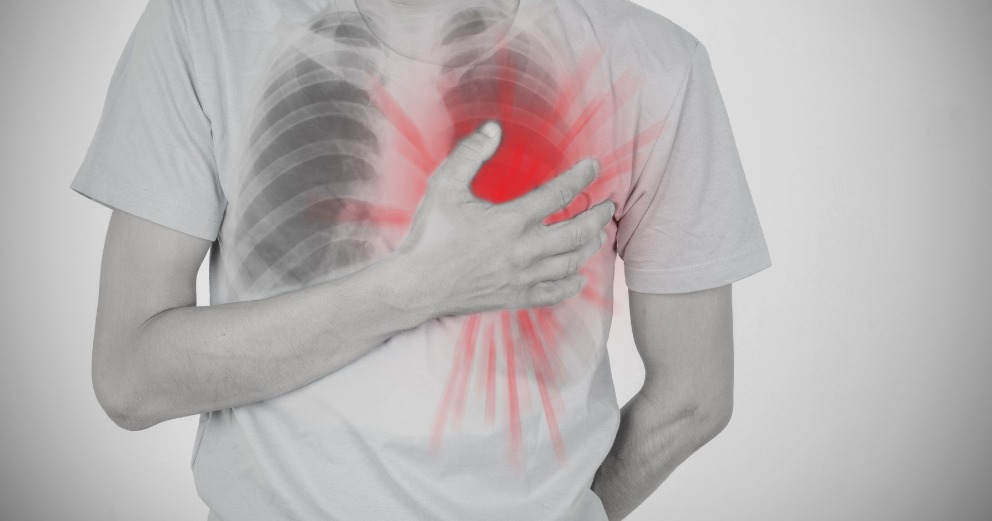
Heart health is something many people only think about after hearing a story from a friend, reading a headline, or visiting a loved one in the hospital. Yet for many individuals, the body may provide subtle clues long before a medical emergency occurs. These early changes can be easy to dismiss as stress, lack of sleep, or the effects of a busy lifestyle.
Imagine someone who has always been active suddenly feeling unusually exhausted after climbing a few stairs. Another person notices occasional chest discomfort but assumes it is simply indigestion. Someone else begins waking up short of breath at night without understanding why. Individually, these experiences may seem unrelated. Together, however, they highlight an important message: paying attention to your body matters.
Medical experts emphasize that while these symptoms do not always indicate a heart attack, they should never be ignored, especially if they are new, persistent, or worsening. Recognizing potential warning signs early and seeking professional medical evaluation may improve outcomes.
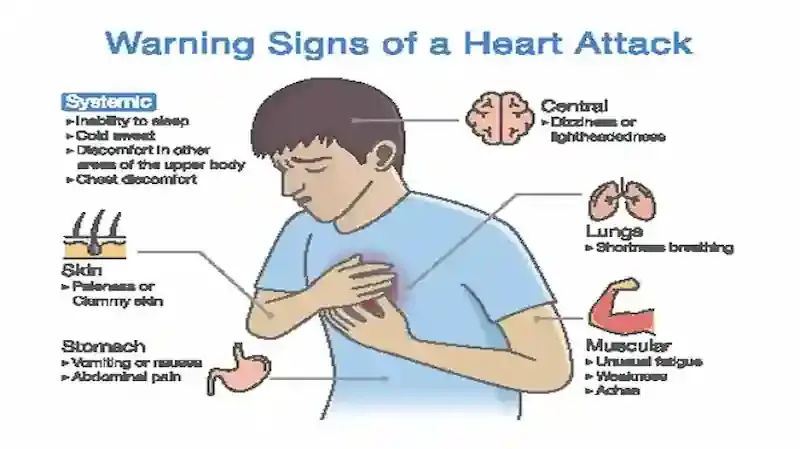
Understanding Heart Attacks and Early Warning Symptoms
A heart attack occurs when blood flow to part of the heart muscle becomes severely reduced or blocked, limiting the oxygen supply the heart needs to function properly. According to the World Health Organization (WHO), ischaemic heart disease remains the leading cause of mortality worldwide, accounting for approximately 8.9 million deaths in 2019.
Researchers have identified what are known as prodromal symptoms—early warning signs that may appear days, weeks, or even months before a heart attack. A review published through the U.S. National Library of Medicine notes that these symptoms are frequently overlooked by both patients and healthcare providers because they often resemble more common health concerns.
It is important to remember that these symptoms alone do not confirm a heart attack. Many other conditions can produce similar experiences. However, recognizing them provides an opportunity to seek medical advice before a more serious event occurs.
1. Unusual Fatigue
Feeling tired after a long day is perfectly normal. However, unusual fatigue is different.
People sometimes describe it as an overwhelming lack of energy that makes routine activities unexpectedly difficult. Tasks such as walking short distances, carrying groceries, or climbing stairs may suddenly feel much more demanding than usual.
Researchers believe this may occur because the heart has to work harder when blood flow becomes restricted. As the heart’s efficiency changes, the body may receive less oxygen-rich blood during everyday activities.
Fatigue is especially worth discussing with a healthcare professional if it appears without an obvious explanation, continues for several days, or is accompanied by other concerning symptoms.

2. Shortness of Breath
Breathing should generally feel effortless during normal daily activities. If someone suddenly experiences unexplained shortness of breath while walking, resting, or lying down, it deserves medical attention.
Shortness of breath can develop when the heart is unable to pump blood efficiently, causing fluid to affect normal lung function. However, breathing difficulties can also result from many other conditions involving the lungs, airways, or general fitness.
According to medical experts, shortness of breath combined with unusual fatigue, chest discomfort, or swelling should be evaluated promptly by a healthcare provider.
3. Sudden Weakness
Many people occasionally feel weak after strenuous exercise or insufficient sleep. The type of weakness associated with heart concerns is often different.
Some individuals report feeling unexpectedly drained despite adequate rest. Others notice that their muscles seem to tire much faster than usual, making routine activities more difficult.
Although weakness has many possible causes—including dehydration, viral illnesses, nutritional deficiencies, and medication side effects—it may also accompany cardiovascular conditions. Persistent or unexplained weakness should be discussed with a healthcare professional to determine the underlying cause.
4. Dizziness and Cold Sweats
Feeling dizzy when standing up too quickly can be common, but frequent dizziness without a clear explanation deserves attention.
Reduced blood circulation may temporarily decrease blood flow to the brain, leading to sensations of lightheadedness. Some individuals also experience unexpected cold sweats, even when they are not exercising or exposed to high temperatures.
These symptoms are not unique to heart conditions. They may also occur with dehydration, low blood sugar, infections, anxiety, or medication reactions.
However, if dizziness and cold sweats occur together with chest discomfort, shortness of breath, or unusual fatigue, immediate medical evaluation is recommended.

5. Flu-Like Symptoms
Interestingly, some people report experiencing symptoms similar to a mild cold or flu before a heart attack.
These symptoms may include:
- General body discomfort
- Feeling unusually tired
- Mild nausea
- A sense of being unwell
- Reduced appetite
It is important to note that seasonal viral infections remain far more common than heart-related illnesses. Most people with flu-like symptoms simply have a respiratory virus.
Nevertheless, if these symptoms appear alongside chest discomfort, breathing difficulties, or other concerning changes, healthcare professionals advise seeking medical guidance rather than assuming it is only a common illness.
6. Chest Pressure or Chest Discomfort
Chest discomfort is one of the best-known warning signs of a heart attack, but it does not always feel like sharp pain.

Many individuals describe the sensation as:
- Pressure
- Tightness
- Fullness
- Heaviness
- Burning
- Squeezing
The discomfort may last several minutes or come and go. It can sometimes spread toward the shoulders, arms, neck, jaw, or upper back.
However, chest discomfort has many possible causes, including acid reflux, muscle strain, anxiety, and digestive conditions.
Because it is impossible to determine the cause based on symptoms alone, new or persistent chest pressure should always receive prompt medical assessment.
7. Swollen Feet, Ankles, or Legs
Swelling in the lower legs, ankles, or feet can occur when fluid builds up in body tissues.
This condition, known as edema, has numerous possible causes, including standing for long periods, certain medications, kidney conditions, and vein disorders.
It may also occur when the heart does not pump blood as effectively as it should, allowing fluid to accumulate in the lower parts of the body.
If swelling develops suddenly, becomes severe, or occurs together with breathing problems or fatigue, it is important to seek medical evaluation.
Why Early Symptoms Are Sometimes Missed
One reason heart attacks can catch people by surprise is that the early warning signs often appear gradually.
Many symptoms resemble ordinary life experiences:
- Stress after a busy week
- Poor sleep
- Aging
- Minor respiratory infections
- Digestive discomfort
- Muscle soreness
Because these explanations seem more likely, people may postpone visiting a healthcare professional.
Medical researchers continue studying prodromal symptoms to better understand which combinations of signs may predict future cardiovascular events. Although no single symptom guarantees that a heart attack will occur, paying attention to unusual changes in overall health remains an important part of preventive care.
Who May Be at Higher Risk?
While heart attacks can occur in anyone, several factors may increase risk, including:
- High blood pressure
- High cholesterol
- Diabetes
- Smoking
- Obesity
- Physical inactivity
- Family history of heart disease
- Increasing age
- Chronic stress
Managing these risk factors through healthy lifestyle habits and regular medical checkups can help support long-term cardiovascular health.
What Should You Do If You Notice These Symptoms?
If you experience one or more of these symptoms, avoid self-diagnosing.
Instead:
- Monitor when the symptoms occur.
- Schedule an appointment with a healthcare professional if symptoms are persistent, unexplained, or worsening.
- Seek immediate emergency medical care if chest discomfort is severe, accompanied by significant shortness of breath, fainting, or other symptoms that suggest a possible medical emergency.
Prompt evaluation allows healthcare providers to determine whether symptoms are related to the heart or another medical condition.
Protecting Your Heart Every Day
While not every heart attack can be prevented, healthy daily habits play a significant role in reducing cardiovascular risk.
Experts commonly recommend:
- Eating a balanced diet rich in fruits, vegetables, whole grains, and lean proteins.
- Engaging in regular physical activity appropriate for your fitness level.
- Avoiding tobacco products.
- Managing blood pressure, cholesterol, and blood sugar.
- Maintaining a healthy body weight.
- Getting sufficient sleep.
- Attending regular health screenings, particularly if you have known risk factors.
Small, consistent lifestyle improvements often provide meaningful long-term benefits for heart health.
Conclusion
Our bodies often communicate through subtle changes long before a serious health problem develops. While symptoms such as fatigue, shortness of breath, dizziness, chest discomfort, or swelling do not necessarily indicate a heart attack, they are reminders that unusual or persistent changes deserve attention rather than dismissal.
Modern medical research continues to improve our understanding of early cardiovascular warning signs, helping both healthcare professionals and the public recognize potential concerns sooner. At the same time, maintaining perspective is essential: many of these symptoms have common, non-cardiac explanations, making proper medical evaluation the safest course of action.
Human curiosity has always driven us to better understand the signals our bodies provide. By combining scientific knowledge with attentive self-care and regular medical guidance, we can make informed decisions that support healthier lives.
Sources
- World Health Organization (WHO) – Cardiovascular Diseases (CVDs): https://www.who.int/news-room/fact-sheets/detail/cardiovascular-diseases-(cvds)
- National Library of Medicine (PubMed) – Research on Prodromal Symptoms of Acute Coronary Syndrome: https://pubmed.ncbi.nlm.nih.gov/
- American Heart Association – Heart Attack Warning Signs: https://www.heart.org/
- MedlinePlus – Heart Attack: https://medlineplus.gov/heartattack.html
- Mayo Clinic – Heart Attack Symptoms and Causes: https://www.mayoclinic.org/diseases-conditions/heart-attack/