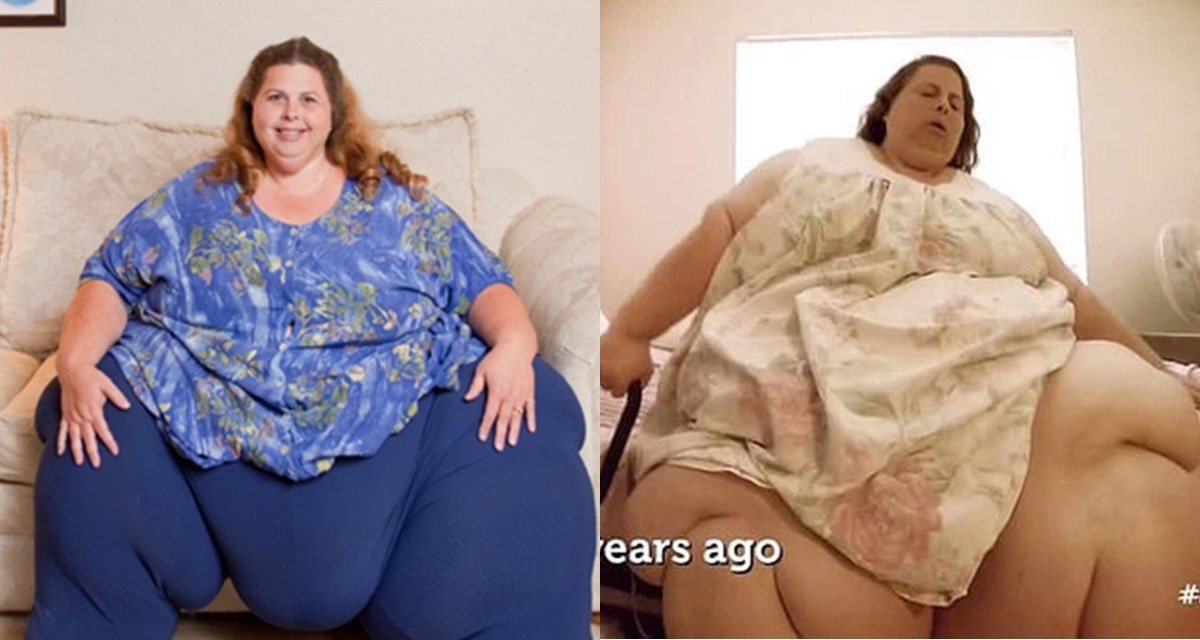
Images like this spread fast on social media because they appear to tell a simple story at a glance. Two labels. Two moments. A before and after that seems to explain everything without words.
But the truth is, the image doesn’t explain much at all.
Instead, it exposes something deeper about how the internet talks about relationships, bodies, and happiness—and how quickly complex human lives are reduced to assumptions when a photo goes viral.
Why Images Like This Go Viral So Easily
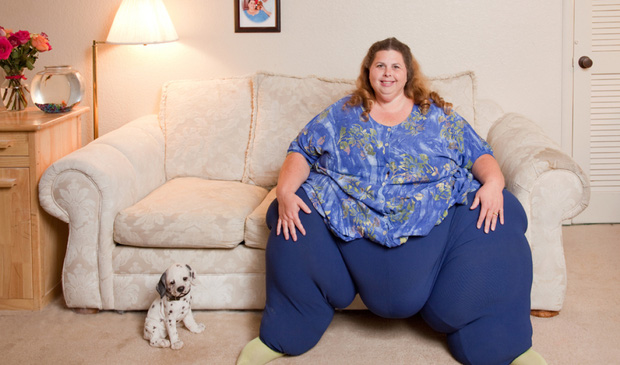
Social media algorithms reward instant emotional reactions. Confusion. Surprise. Judgment. Curiosity. When an image appears to contrast two states—“married” versus “single,” “before” versus “after”—the brain fills in the gaps automatically.
People don’t pause to ask:
- Is this comparison real?
- Are these moments even related?
- What context is missing?
They react, share, comment, and move on.
That speed is what makes images like this powerful—and dangerous. Because the story people think they see often has little to do with reality.
The Myth of Relationship Status as a “Transformation”
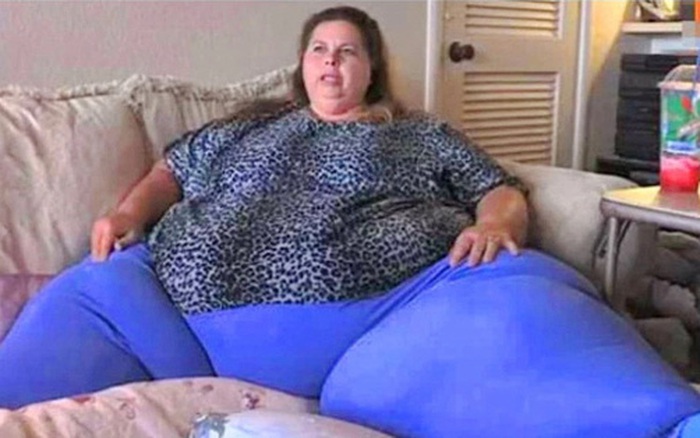
One of the strongest assumptions behind images like this is the idea that relationships fundamentally “change” a person’s body or worth.
Married equals settled.
Single equals unstable.
Love equals transformation.
These ideas are familiar because they’ve been repeated for decades in movies, magazines, and advertising. But modern research and lived experience tell a much more nuanced story.
Bodies change over time for many reasons:
- Genetics
- Health conditions
- Stress
- Pregnancy
- Aging
- Lifestyle changes
- Mental well-being
Reducing all of that to a single factor—relationship status—is not just inaccurate, it’s misleading.
Bodies Are Not Relationship Outcomes
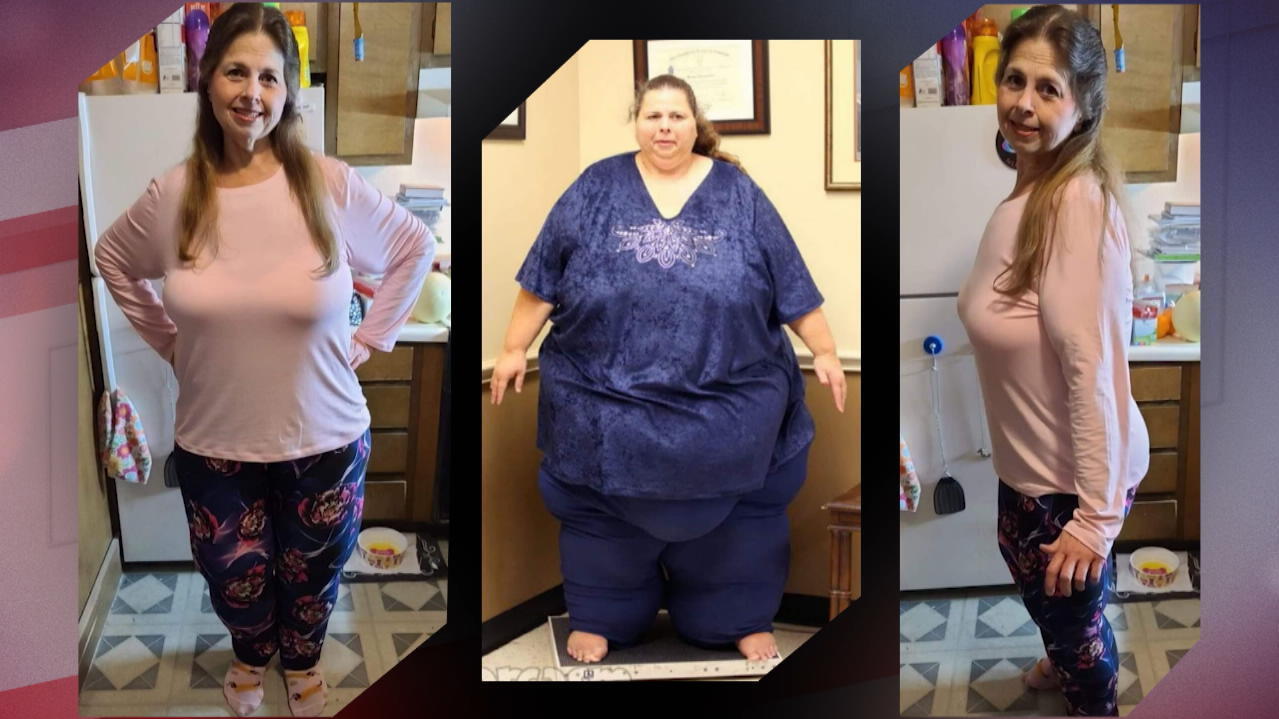
A person’s body is not a scoreboard for their love life.
Yet online culture often treats it that way.
When people see a larger body paired with the word “married,” many subconsciously read it as a punchline or a warning. That interpretation says more about cultural bias than about the people in the photo.
Health professionals consistently emphasize that body size alone is not a reliable indicator of happiness, success, or even health. Two people of the same weight can have completely different medical profiles, lifestyles, and emotional states.
What the image shows is a body.
What it does not show is a life.
The Problem With Snap Judgments
Viral images encourage snap judgments because they remove context.
We don’t know:
- When the photo was taken
- Why it was taken
- Whether the labels were added later
- Whether the people consented to the narrative
And yet, thousands of strangers feel comfortable drawing conclusions.
This habit—judging first and asking later—has real consequences. It reinforces stereotypes, fuels online cruelty, and quietly teaches people to fear normal human change.
Especially for young viewers, repeated exposure to this kind of content can distort how they see relationships and themselves.
Love Does Not Have a Body Type
One of the most damaging ideas reinforced by viral comparisons is that love looks a certain way.
That happiness has a shape.
That partnership has a size limit.
That attraction follows rules set by strangers online.
In reality, relationships exist across every body type, age group, and background. Love does not require transformation. It requires connection, respect, and mutual choice.
Many couples grow healthier together.
Many couples face challenges together.
Many single people thrive.
Many married people struggle.
None of these outcomes are visible in a single frame.
Why People Project Onto These Images
When people comment aggressively on images like this, they’re often not reacting to the subjects at all.
They’re reacting to:
- Their own fears about aging
- Their own relationship experiences
- Their own insecurities about bodies and desirability
Social media becomes a mirror, not a window.
That’s why the same image can provoke laughter from one person, anger from another, and sadness from someone else. The photo itself is neutral. The reaction is personal.
What’s Missing From the Conversation
What rarely goes viral is balance.
You don’t see:
- Conversations about long-term partnership beyond appearance
- Discussions about how bodies change naturally over time
- Respect for privacy and consent
- Recognition that happiness cannot be measured visually
Instead, content is framed to invite judgment rather than understanding.
And that framing benefits platforms far more than it benefits people.
Rethinking What We Share
The question isn’t whether images like this should exist. It’s how we engage with them.
Before sharing, it’s worth asking:
- Am I reacting to a real story, or a manufactured one?
- Am I reinforcing a stereotype?
- Would I want strangers to define my life based on a single photo?
Slowing down—even slightly—changes the entire dynamic.
A Healthier Way to Read Viral Images
A more honest interpretation of images like this might be:
Here is a moment in someone’s life.
It does not explain who they are.
It does not summarize their choices.
It does not define their happiness.
That perspective may not go viral—but it’s far closer to the truth.
The Bigger Picture
Social media thrives on simplicity. Real life does not.
Bodies change.
Relationships evolve.
People grow in ways cameras cannot capture.
The danger is not the image itself, but the story people rush to attach to it.
If there’s one lesson worth taking from viral photos like this, it’s this:
No label can explain a human being.
And no single image deserves that much power over how we see one another.