
A High-Profile Case Moves Closer to Trial in Fairfax County
A complex and closely watched criminal case in Fairfax County, Virginia, is moving toward trial as the man accused of killing his wife and another individual appeared in court ahead of jury selection. The proceedings mark a significant step in a case that has drawn sustained public attention due to its intricate allegations and serious charges.
The defendant, Brendan Banfield, is scheduled to stand trial beginning next week, with jury selection expected to start first. Court officials anticipate that the trial will extend over several weeks, reflecting the volume of evidence and testimony expected to be presented.
Background of the Allegations

Prosecutors allege that the case centers on events that took place in February 2023 at a private residence in Fairfax County. According to investigators, two people were killed inside the home: Banfield’s wife, Christine Banfield, and a man identified as Joseph Ryan.
Authorities contend that the deaths were the result of a planned act rather than a spontaneous incident. The prosecution’s theory describes a sequence of actions intended to make the situation appear as though an unknown intruder was responsible.
Banfield has denied responsibility for the killings and maintains his innocence.
Pretrial Proceedings and Legal Motions
During a recent court appearance, Banfield’s defense team raised procedural concerns about how certain medical findings would be presented to the jury. Specifically, the defense requested that the word “homicide” be excluded from the autopsy report introduced at trial.
The prosecution did not object to this request, and the judge allowed the adjustment. Legal experts note that such decisions are not uncommon and are often aimed at ensuring that jurors focus on evidence rather than terminology that could be interpreted as prejudicial.
These early rulings help shape how information will be framed during the trial.
The Prosecution’s Theory of the Case

According to prosecutors, Banfield is accused of orchestrating an elaborate plan that resulted in the deaths of his wife and Joseph Ryan. The state alleges that the actions were motivated by a desire to begin a new life with the family’s au pair, Juliana Peres Magalhães.
Fairfax County officials have previously stated that Banfield and the au pair were involved in a romantic relationship at the time of the alleged crimes. Prosecutors argue that this relationship played a central role in the planning and execution of the events.
The defense disputes these claims and argues that Banfield was not involved in any such plan.
How Investigators Say the Events Unfolded
Investigators allege that Joseph Ryan was brought to the Banfield home under false pretenses. According to court filings, Ryan believed he was responding to online communication that did not accurately reflect who was behind it.
Prosecutors maintain that the situation was engineered to create the impression of an outside threat. They argue that this narrative was intended to mislead law enforcement in the immediate aftermath.
Defense attorneys counter that Banfield had no involvement in any online activity linked to the case and did not carry out the alleged acts.
Charges Filed Against the Defendant
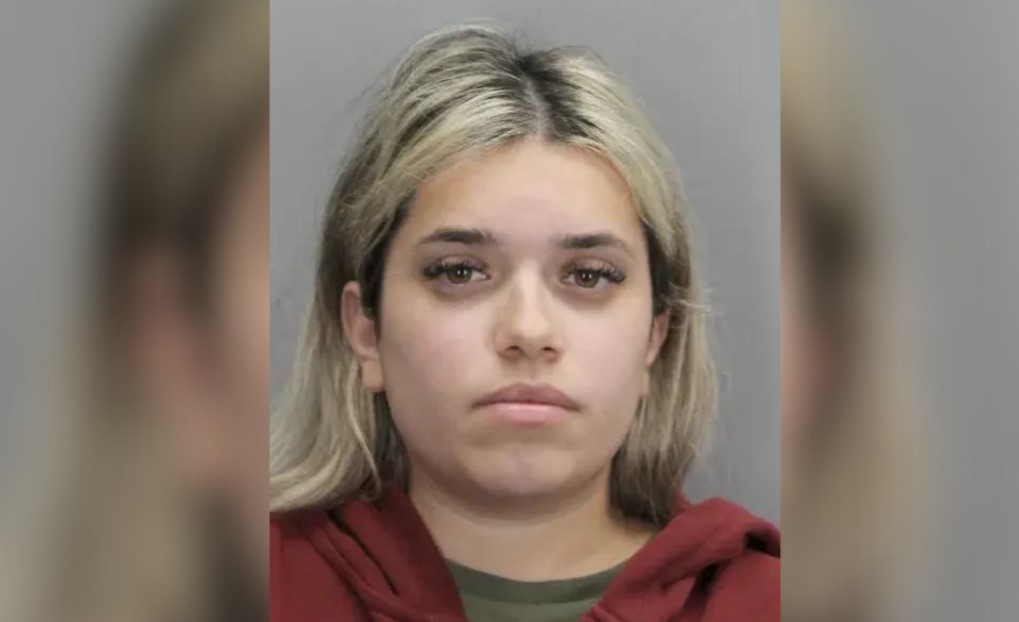
Brendan Banfield faces multiple serious charges, including aggravated murder and the use of a firearm in connection with a felony. In addition, he has been charged with child abuse and neglect, as authorities state that his young daughter was present in the home at the time of the alleged incident.
Prosecutors emphasize that the presence of a child is a significant factor in the case, while defense attorneys argue that this aspect has been mischaracterized and should be carefully evaluated by the jury.
The outcome of these charges will depend on evidence presented during trial.
The Au Pair’s Role and Plea Agreement
The family’s au pair was initially charged in connection with one of the deaths. However, her legal status changed following negotiations with prosecutors.
She ultimately entered a plea agreement to a lesser charge, pleading guilty to manslaughter. As part of that agreement, she is expected to testify during Banfield’s trial.
Court records indicate that, in exchange for her testimony, she may receive credit for time already served. Prosecutors assert that her cooperation is a key component of the case, while the defense is expected to challenge her credibility.
Questions of Credibility and Testimony

Cases involving plea agreements often hinge on how jurors assess witness credibility. Legal analysts note that defense teams typically scrutinize the motivations of cooperating witnesses, particularly when reduced charges are involved.
Prosecutors argue that corroborating evidence will support the testimony presented. Defense attorneys are likely to argue that incentives tied to plea agreements can influence how events are described.
Ultimately, jurors will be tasked with weighing testimony alongside physical evidence and investigative findings.
The Defense’s Position
Banfield has consistently stated that he did not commit the crimes and was not responsible for the actions described by prosecutors. His legal team maintains that the prosecution’s narrative relies heavily on assumptions and disputed testimony.
Defense attorneys are expected to argue that the evidence does not establish guilt beyond a reasonable doubt. They may also challenge the interpretation of digital evidence and the reliability of statements made by other parties.
The trial will provide the forum for these competing narratives to be examined.
The Role of Law Enforcement and Investigation
Fairfax County law enforcement officials have characterized the investigation as thorough and methodical. Authorities have stated that evidence was collected from multiple sources, including the crime scene, digital records, and interviews.
Police leadership has previously addressed the case publicly, emphasizing their confidence in the investigative process. At the same time, they have acknowledged the complexity of the case and the importance of allowing the judicial process to unfold.
Any challenges to investigative methods are expected to be raised during trial.
Jury Selection and Trial Timeline
Jury selection is scheduled to begin next week and may take several days due to the high-profile nature of the case. Attorneys on both sides are expected to question potential jurors carefully to ensure impartiality.
Once testimony begins, the trial is expected to last approximately four weeks. This timeline reflects the number of witnesses and the volume of evidence anticipated.
The court has indicated that proceedings will follow a structured schedule to accommodate the extended duration.
Public Interest and Media Attention
The case has attracted significant media attention, both locally and nationally. Legal experts note that cases involving family members and complex personal relationships often draw heightened scrutiny.
Judges typically remind jurors to avoid media coverage and base their decisions solely on evidence presented in court. Maintaining a fair trial environment is a priority in cases of this nature.
Court officials have not indicated whether additional measures will be taken to manage public interest.
The Importance of Due Process
While the allegations are serious, legal professionals stress that the defendant is presumed innocent until proven guilty. The trial process exists to ensure that all evidence is examined in a transparent and structured manner.
Both prosecution and defense are bound by procedural rules designed to protect the integrity of the process. Verdicts must be based on facts established during trial, not on public opinion or speculation.
This principle remains central as the case moves forward.
What the Trial Will Determine
The upcoming trial will seek to answer fundamental questions about what occurred inside the Banfield home and who bears responsibility. Jurors will be asked to consider whether the prosecution has met its burden of proof on each charge.
They will also evaluate witness testimony, forensic findings, and any explanations offered by the defense.
The outcome will have lasting consequences for all parties involved.
A Case With Lasting Implications
Beyond the immediate legal stakes, the case highlights broader issues related to trust, evidence, and the complexity of criminal investigations involving close relationships.
Legal observers note that trials of this nature often prompt public reflection on how justice systems handle intricate and emotionally charged situations.
As proceedings begin, attention will remain focused on the courtroom, where the facts will be examined in detail.
Looking Ahead
With jury selection approaching, the case enters a decisive phase. Updates are expected as the trial progresses and witnesses take the stand.
For now, court officials and legal teams are preparing for what is expected to be an extensive and closely followed proceeding.
The final judgment will rest with the jury, guided by evidence, testimony, and the law.