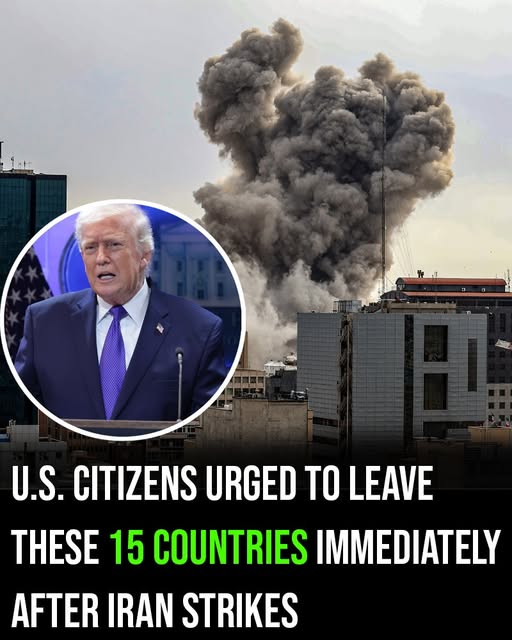
The U.S. Department of State periodically issues travel advisories to inform American citizens about safety risks in foreign countries. In response to changing security conditions in parts of the Middle East, the U.S. government has recently emphasized travel guidance affecting several countries across the region. Officials encourage U.S. citizens currently abroad to remain informed, follow embassy guidance, and consider travel plans carefully when security situations change.
Travel advisories are part of a broader system used by governments worldwide to communicate potential risks to their citizens. These notices provide information about local security conditions, infrastructure challenges, health considerations, and other issues that may affect travelers. They also include recommended precautions to help individuals make informed decisions before traveling or while staying abroad.
This article explains how travel advisories work, identifies the countries frequently referenced in recent security messaging, and outlines practical steps travelers can take to stay informed and prepared.
Understanding U.S. Travel Advisories
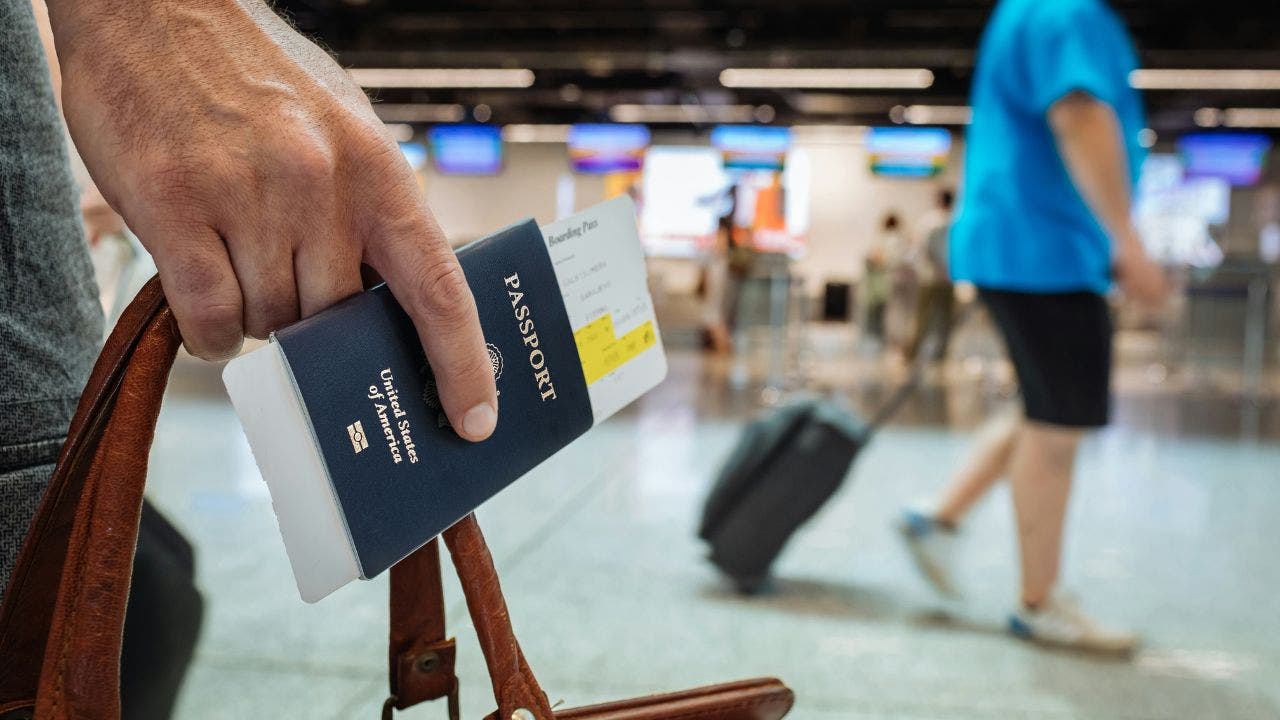
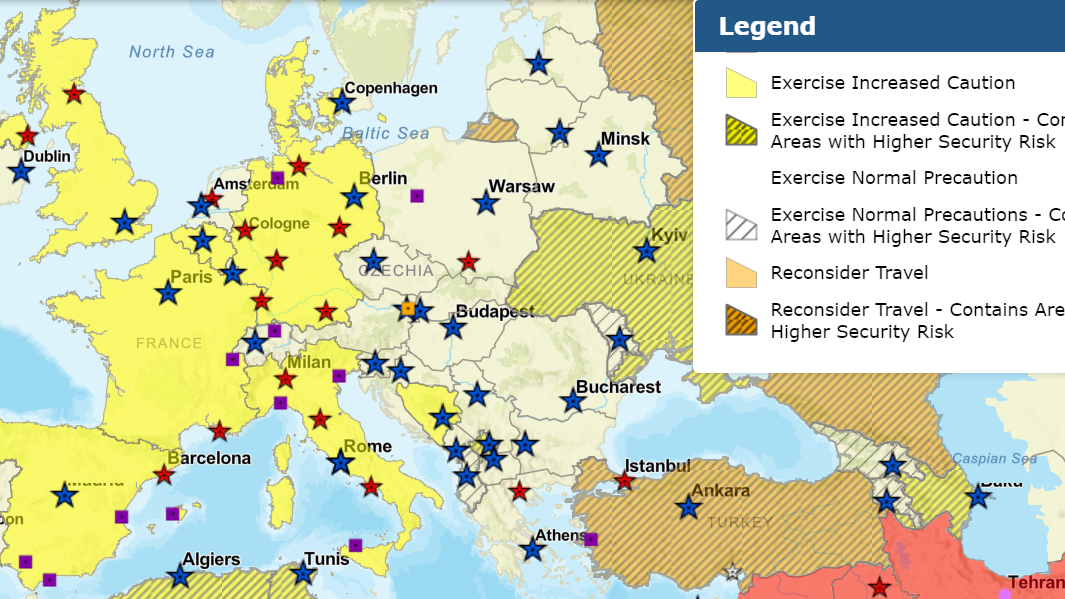
The U.S. Department of State maintains a public system for evaluating travel safety conditions around the world. Each country is assigned a travel advisory level that reflects the overall security environment and potential risks.
The four advisory levels are:
Level 1 – Exercise Normal Precautions:
Travelers should follow standard safety practices typical for international travel.
Level 2 – Exercise Increased Caution:
Visitors are advised to remain aware of potential risks such as crime or civil unrest.
Level 3 – Reconsider Travel:
Travel may present serious risks, and citizens are encouraged to evaluate whether the trip is necessary.
Level 4 – Do Not Travel:
Conditions may include significant security threats, limited government assistance, or active conflict situations.
These advisory levels are supported by additional security alerts issued by U.S. embassies and consulates when circumstances change quickly. Embassy alerts often provide location-specific guidance and may include recommendations related to travel routes, public gatherings, or temporary restrictions.
Countries Referenced in Recent Regional Travel Guidance

In recent travel messaging related to evolving security conditions in the Middle East, U.S. citizens have been advised to monitor safety updates in the following areas:
-
Bahrain
-
Egypt
-
Iran
-
Iraq
-
Israel
-
West Bank and Gaza
-
Jordan
-
Kuwait
-
Lebanon
-
Oman
-
Qatar
-
Saudi Arabia
-
Syria
-
United Arab Emirates
-
Yemen
The inclusion of these locations reflects the interconnected nature of regional security dynamics. Several of these countries host international transportation hubs, diplomatic missions, or multinational organizations, which means changes in security conditions can affect travel and operations across multiple borders.
Officials emphasize that travel guidance does not necessarily mean immediate danger in every location. Instead, advisories encourage travelers to stay informed and take precautions appropriate to the local environment.
Temporary Departure of Government Personnel
In some situations, the U.S. government may adjust staffing at embassies and diplomatic facilities in response to security developments. This may involve the departure of non-essential personnel or family members of government employees.
Such measures are precautionary steps designed to reduce potential risks while ensuring that core diplomatic services remain available. Essential embassy functions, including assistance for U.S. citizens, usually continue during these periods.
Changes in embassy staffing levels do not automatically affect private travelers, but they may signal that officials are closely monitoring local conditions.
The Role of Embassies and Consulates
U.S. embassies and consulates serve as key resources for Americans living or traveling abroad. These offices provide a range of services including emergency assistance, passport support, and guidance during crises.
When security conditions change, embassies may issue alerts through official channels such as websites, email notifications, and social media accounts. These alerts can include practical information such as:
-
Updates on transportation availability
-
Recommendations for avoiding certain areas
-
Guidance about public demonstrations or disruptions
-
Emergency contact information
Travelers are encouraged to monitor embassy updates regularly, especially when staying in regions experiencing rapid developments.
Monitoring Transportation and Airspace Conditions
One important aspect of travel planning during periods of geopolitical tension is the availability of transportation routes. Changes in security conditions can affect airport operations, airline schedules, and regional airspace management.
Airlines sometimes adjust flight routes or temporarily suspend service depending on safety considerations. These decisions are typically coordinated with aviation authorities and international regulatory agencies.
Travelers planning to depart from affected areas should remain in contact with their airlines and monitor airport announcements for the latest updates. Flexibility in travel plans can be helpful when conditions evolve quickly.
Communication and Travel Preparedness
Government travel guidance often emphasizes preparation as a key safety measure. Individuals traveling abroad are encouraged to maintain awareness of local developments and ensure that important documents remain accessible.
Recommended steps include:
-
Keeping passports and travel documents readily available
-
Maintaining updated contact information for family members
-
Identifying local embassy or consulate contact details
-
Monitoring official government travel websites
These preparations help travelers respond quickly if conditions require changes to travel plans.
The Smart Traveler Enrollment Program (STEP)
The U.S. Department of State offers a free service known as the Smart Traveler Enrollment Program, often called STEP. This program allows U.S. citizens traveling abroad to register their trip with the nearest embassy or consulate.
Enrollment provides several benefits, including:
-
Receiving real-time security updates from local embassies
-
Allowing embassies to contact travelers during emergencies
-
Providing a communication link between travelers and diplomatic officials
Participation in STEP is voluntary but widely recommended for individuals traveling internationally, especially in regions experiencing evolving security conditions.
The Importance of Reliable Information
During periods of geopolitical tension, information spreads quickly through social media and online platforms. Not all circulating reports are verified, and some may contain outdated or inaccurate details.
Government agencies encourage travelers to rely on official sources for accurate information. These sources include:
-
The U.S. Department of State website
-
Official embassy and consulate communications
-
Statements from recognized international organizations
Relying on verified sources helps travelers make informed decisions and reduces confusion caused by rumors or speculation.
Regional Security Context

The Middle East is an area of global strategic importance due to its energy resources, transportation routes, and international diplomatic relationships. Developments in the region can affect multiple countries simultaneously.
Governments and international organizations often engage in diplomatic efforts aimed at reducing tensions and maintaining stability. Travel advisories are part of a broader framework used to protect citizens while diplomatic and security discussions continue.
It is common for governments to issue temporary travel guidance during periods of heightened uncertainty. Such advisories are typically reviewed and updated as conditions change.
Practical Tips for Travelers
Travelers planning trips to the Middle East or currently staying in the region may consider several practical steps:
Stay informed:
Check official travel advisory pages regularly and follow updates from local embassies.
Plan transportation options:
Keep track of airline schedules and identify alternative travel routes when possible.
Maintain communication:
Ensure mobile phones are charged and emergency contacts are accessible.
Respect local regulations:
Follow guidance issued by local authorities and avoid restricted areas.
Prepare essential documents:
Keep identification, travel documents, and important contact information in a secure but accessible location.
These precautions help travelers adapt quickly if conditions change.
The Role of International Cooperation
Travel advisories are not unique to the United States. Many countries maintain similar systems to inform their citizens about potential risks abroad. International organizations also share information about aviation safety, public health, and regional security developments.
Coordination among governments helps ensure that travel guidance is based on verified information and shared assessments of security conditions.
Airlines, airports, and tourism authorities also work closely with government agencies to ensure passenger safety during periods of uncertainty.
Why Travel Advisories Change Frequently
Travel advisories are designed to be flexible tools that reflect real-time conditions. Governments update them when new information becomes available or when security situations improve.
Changes may occur due to factors such as:
-
Diplomatic developments
-
Changes in local security conditions
-
Infrastructure disruptions
-
Natural events or public health concerns
Travelers should therefore review advisory updates frequently rather than relying on older information.
Conclusion
The U.S. Department of State’s travel guidance for several Middle Eastern countries reflects a precautionary approach to traveler safety during a period of regional uncertainty. Advisories encourage Americans abroad to stay informed, maintain communication with local embassies, and consider travel plans carefully when conditions evolve.
While such advisories can attract significant attention, they are a routine part of international travel safety systems used by governments worldwide. Their purpose is to ensure that citizens have access to reliable information and practical guidance.
For travelers, the most important steps are to monitor official sources, maintain flexibility in travel plans, and remain aware of local conditions. By staying informed and prepared, individuals can navigate changing circumstances while prioritizing their safety and well-being.