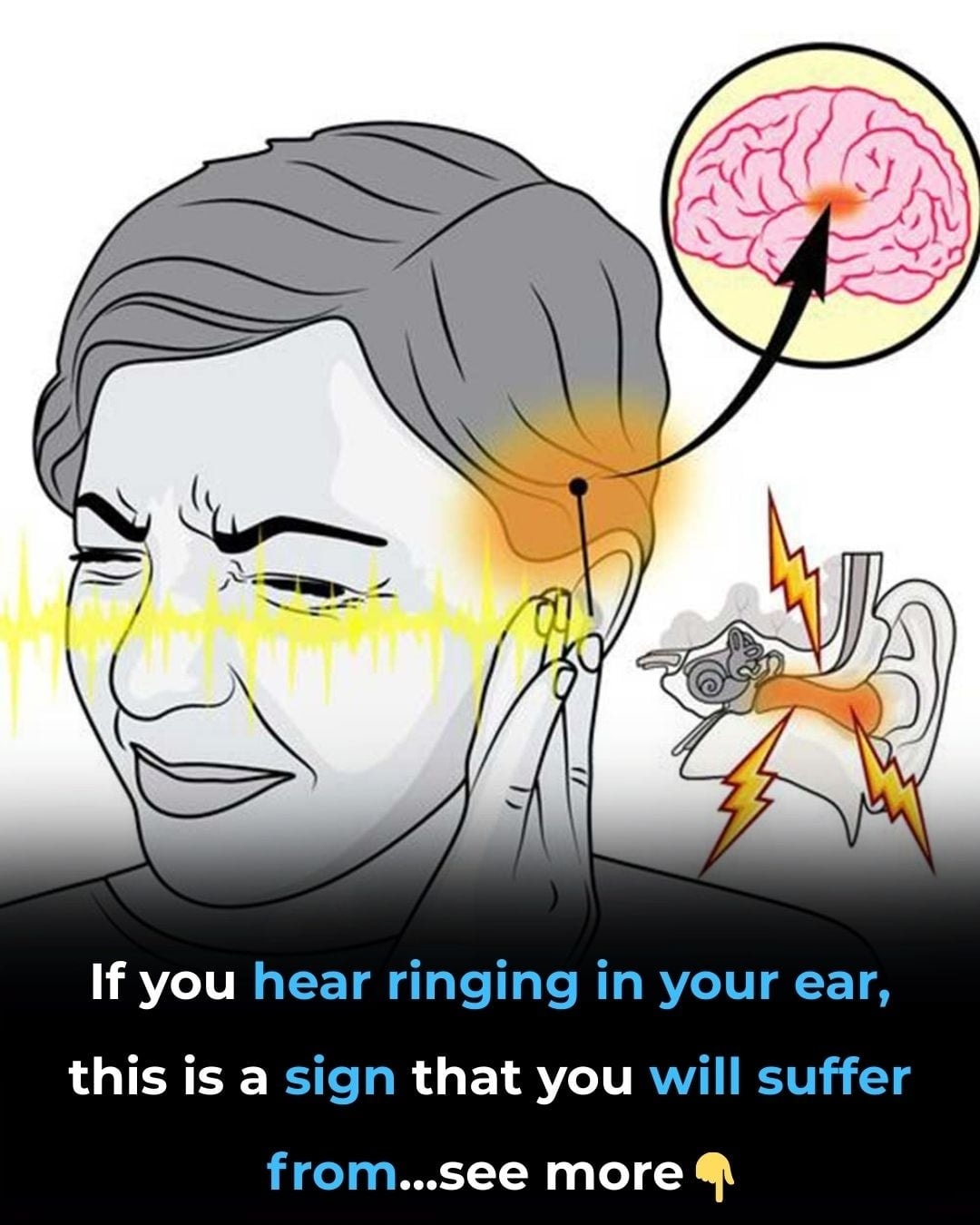
Have you ever noticed a faint ringing, buzzing, or humming sound in your ear—especially late at night, when everything else is quiet?
It can be subtle at first. Easy to ignore.
But once you notice it, it’s hard not to notice it again.
Many people immediately worry:
Is something wrong with my brain? Is this permanent? Is my hearing failing?
The good news is this:
In most cases, tinnitus is not dangerous, not a disease on its own, and not a sign of something catastrophic.
But it is a signal—and understanding that signal is the key to peace of mind.
This article explains what tinnitus really is, why it happens, what it can (and cannot) mean, when you should see a doctor, and how people successfully live with it every day.
What Exactly Is Tinnitus?
Tinnitus is the perception of sound when there is no external sound source.
People describe it in many ways:
-
Ringing
-
Buzzing
-
Hissing
-
Whistling
-
Clicking
-
Humming
-
A pulsing or “whooshing” sound
It can occur:
-
In one ear or both ears
-
Inside the head rather than the ears
-
Constantly or intermittently
-
Loud or barely noticeable
Tinnitus itself is not a disease.
It is a symptom, similar to pain or dizziness—something that tells you the auditory system is reacting to a change.
Why Tinnitus Feels Louder at Night
One of the most confusing aspects of tinnitus is this:
Why does it seem worse when everything is quiet?
The reason lies in how the brain processes sound.
During the day, your brain receives constant input—traffic, voices, movement, background noise. These external sounds compete with internal signals.
At night, when silence takes over, the brain has fewer signals to focus on. The auditory system may “turn up the volume” internally, making tinnitus feel stronger.
This does not mean tinnitus is getting worse.
It means your brain has fewer distractions.
That’s why many people notice tinnitus most clearly:
-
Before sleep
-
In very quiet rooms
-
During periods of stress or fatigue
The Most Common Causes of Tinnitus
1. Noise Exposure (Most Common Cause)
Repeated exposure to loud sounds is the leading cause of tinnitus.
Examples include:
-
Loud music or concerts
-
Headphones at high volume
-
Power tools or machinery
-
Motorcycles or heavy traffic noise
Even if hearing damage is mild or gradual, the inner ear can become irritated, triggering tinnitus.
Important note:
You don’t need extreme noise exposure for tinnitus to develop. Long-term moderate exposure is enough.
2. Hearing Changes or Hearing Loss
Tinnitus and hearing changes often appear together.
As hearing sensitivity decreases, the brain receives less information from certain sound frequencies. To compensate, the brain increases internal neural activity—sometimes perceived as tinnitus.
This is why tinnitus is more common:
-
With aging
-
After years of noise exposure
-
In people with mild hearing loss they may not yet notice
3. Earwax Blockage
This is one of the simplest and most treatable causes.
When earwax builds up, it can:
-
Block sound waves
-
Irritate the ear canal
-
Alter pressure inside the ear
Removing excessive earwax often reduces or eliminates tinnitus.
Important:
Do not use cotton swabs deep in the ear—they often push wax further in.
4. Ear or Sinus Conditions
Temporary tinnitus may occur with:
-
Middle ear infections
-
Fluid behind the eardrum
-
Sinus congestion
-
Pressure changes (such as during flights or colds)
In these cases, tinnitus often improves once the underlying issue resolves.
5. Stress, Anxiety, and Fatigue
Stress does not always cause tinnitus, but it can:
-
Increase awareness of it
-
Make it feel louder
-
Reduce your ability to ignore it
Tinnitus often becomes more noticeable during:
-
High emotional stress
-
Poor sleep
-
Anxiety or burnout
This creates a loop: tinnitus causes stress, stress amplifies tinnitus.
Breaking that loop is a key part of management.
6. Jaw and Neck Issues (TMJ or Muscle Tension)
The jaw joint and neck muscles share nerve pathways with the ear.
Problems such as:
-
Teeth grinding
-
Jaw clenching
-
Poor posture
-
Neck strain
can contribute to or worsen tinnitus.
Some people notice their tinnitus changes when they move their jaw or neck—this is an important clue.
7. Medication Effects
Certain medications can worsen tinnitus in some people, including:
-
Some high-dose pain relievers
-
Certain antibiotics
-
Specific medications affecting the nervous system
Never stop medication on your own.
If tinnitus begins shortly after starting a new drug, talk to a healthcare professional.
8. Pulsatile Tinnitus (Heartbeat-Like Sound)
This type of tinnitus:
-
Sounds rhythmic
-
Matches your heartbeat
-
Often described as “whooshing”
It can be related to blood flow near the ear.
Pulsatile tinnitus is less common and should be evaluated by a doctor—especially if it appears suddenly.
When Tinnitus Is Usually Not Serious
In many cases, tinnitus is considered low-risk when:
-
It started after noise exposure
-
It comes and goes
-
It affects both ears equally
-
Hearing is otherwise stable
-
There are no other symptoms
Millions of people live with mild tinnitus without long-term harm.
When You Should See a Doctor
Schedule a medical check if:
-
Tinnitus lasts more than 1–2 weeks
-
It is getting progressively worse
-
It interferes with sleep or concentration
-
It affects only one ear
-
You notice hearing loss or ear fullness
Seek urgent care if:
-
Sudden hearing loss
-
Severe dizziness or balance problems
-
Neurological symptoms (weakness, confusion, speech issues)
-
Sudden pulsatile tinnitus
These do not mean disaster—they mean timely evaluation matters.
What a Medical Evaluation Usually Involves
A typical assessment may include:
-
Visual examination of the ear
-
Hearing tests
-
Medical history review
-
Questions about stress, sleep, noise exposure, and medications
Most tinnitus evaluations aim to:
-
Identify treatable causes
-
Rule out serious conditions
-
Create a management plan
How Tinnitus Is Commonly Managed
There is no single “cure” for tinnitus—but there are effective strategies.
1. Sound Therapy
Adding gentle background noise reduces contrast with silence:
-
White noise
-
Fans
-
Nature sounds
-
Soft music
This is especially helpful at night.
2. Hearing Support
If hearing loss is present, hearing aids often:
-
Improve sound input
-
Reduce tinnitus perception
Many users report tinnitus becoming far less noticeable.
3. Stress and Sleep Management
Improving sleep and lowering stress can significantly reduce tinnitus impact.
Helpful habits include:
-
Regular sleep schedule
-
Limiting caffeine late in the day
-
Relaxation breathing
-
Reducing nighttime screen use
4. Cognitive and Behavioral Approaches
These methods help change how the brain responds to tinnitus—not the sound itself.
Over time, many people reach a point where tinnitus fades into the background of awareness.
5. Treating Contributing Conditions
Addressing:
-
Earwax buildup
-
Jaw issues
-
Neck tension
-
Medication side effects
can reduce tinnitus intensity.
A Crucial Truth About Tinnitus
Here is something many people don’t hear often enough:
The brain can adapt.
Even when tinnitus does not disappear completely, the brain often learns to filter it out—just like it filters out the feeling of clothes on your skin or background traffic noise.
This process takes time, reassurance, and reduced fear.
Tinnitus becomes most distressing when it is interpreted as a threat.
When that fear fades, the sound often fades with it.
Final Thoughts
Tinnitus can feel unsettling—but it is rarely a sign of something dangerous.
In most cases, it reflects:
-
Changes in hearing
-
Temporary ear issues
-
Stress or fatigue
-
The brain’s response to reduced sound input
Understanding tinnitus transforms it from a source of fear into a manageable signal.
If you’re experiencing ringing or buzzing, don’t panic—and don’t ignore it either.
Observe it. Get it checked if needed. Support your ears, your sleep, and your stress levels.
Peace of mind doesn’t come from silence.
It comes from knowing what the sound means—and what to do next.