Found a Tick on Your Skin or Pet? Here’s How to Remove It Safely, Dispose of It Properly, and Protect Your Health
Finding a tick attached to your skin or your pet can be alarming, especially if you’re unsure how long it has been there. Ticks are small, quiet, and often painless when they bite, which is why many people only notice them hours or even days later. While most tick bites do not cause serious problems, improper removal can increase the risk of irritation, infection, or disease transmission.
Knowing what to do—and what not to do—can make a significant difference. This guide explains, step by step, how to remove a tick safely, how to get rid of it properly, what to watch for afterward, and how to reduce the chances of future tick encounters.
Why Proper Tick Removal Matters
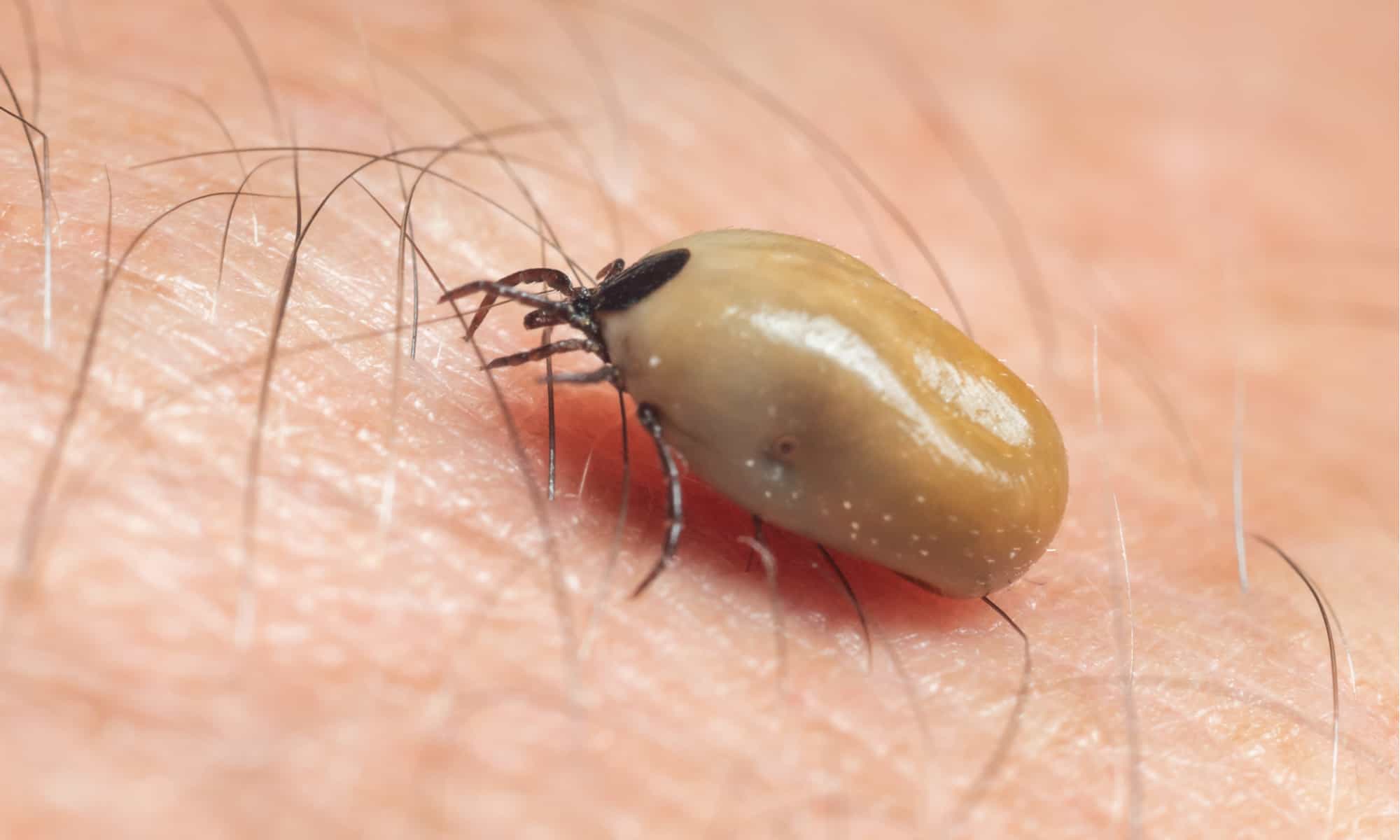
Ticks feed by attaching themselves firmly to the skin and slowly drawing blood. During this process, bacteria or other germs can potentially enter the body. Removing a tick incorrectly—by squeezing, twisting, or crushing it—may cause fluids from the tick to flow back into the bite area, increasing irritation and risk.
For pets, improper removal can also lead to skin infections or discomfort. Calm, careful removal is the safest approach for both people and animals.
Step 1: Stay Calm and Gather the Right Tools
The most important first step is to stay calm. Panic often leads to rushed removal, which is when mistakes happen.
You will need:
-
Fine-tipped tweezers or tick-removal forceps
-
Gloves, if available
-
Soap and water or alcohol-based sanitizer
-
Rubbing alcohol or a sealed container for disposal
Avoid using household remedies such as petroleum jelly, nail polish, heat, or oils. These methods do not make removal safer and may increase the chance of irritation.
Step 2: Remove the Tick Safely

Never grab a tick with your fingers. Do not twist, squeeze, or pull suddenly.
Using fine-tipped tweezers, position the tips as close to the skin as possible, right where the tick’s mouth is attached. The goal is to grasp the tick at the point of attachment, not the swollen body.
Pull upward slowly and steadily with gentle, even pressure. Do not jerk or twist. A slow, straight pull helps remove the tick intact.
Once removed, examine the tick briefly to ensure it came out whole. If a small dark fragment appears to remain in the skin, do not dig or scrape aggressively. In many cases, the body will naturally expel it as healing occurs. If the area becomes irritated or painful, a healthcare professional can remove it safely.
Step 3: Clean the Bite Area Thoroughly
After removing the tick, wash your hands and the bite site with soap and water. If soap and water are not available, use an alcohol-based sanitizer.
Cleaning the area reduces the chance of infection and helps soothe the skin. Avoid applying harsh chemicals or home remedies directly to the bite.
Step 4: Dispose of the Tick Properly
Never crush a tick with your fingers. Crushing can expose you to germs the tick may carry.
Safe disposal options include:
-
Placing the tick in a small container filled with rubbing alcohol
-
Sealing it tightly in a plastic bag
-
Wrapping it securely in tissue before throwing it away
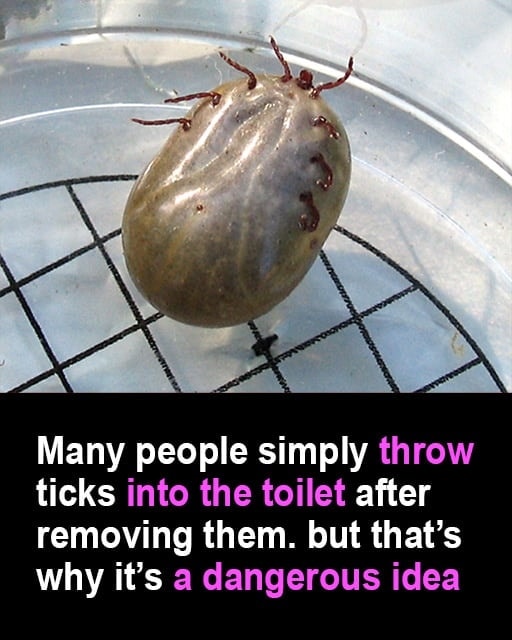
Some people flush ticks down the toilet, but sealing or submerging them in alcohol is generally more reliable.
If you are concerned about illness, you may choose to keep the tick in a sealed container for a short time in case a healthcare provider asks to see it.
Step 5: Monitor the Bite Area
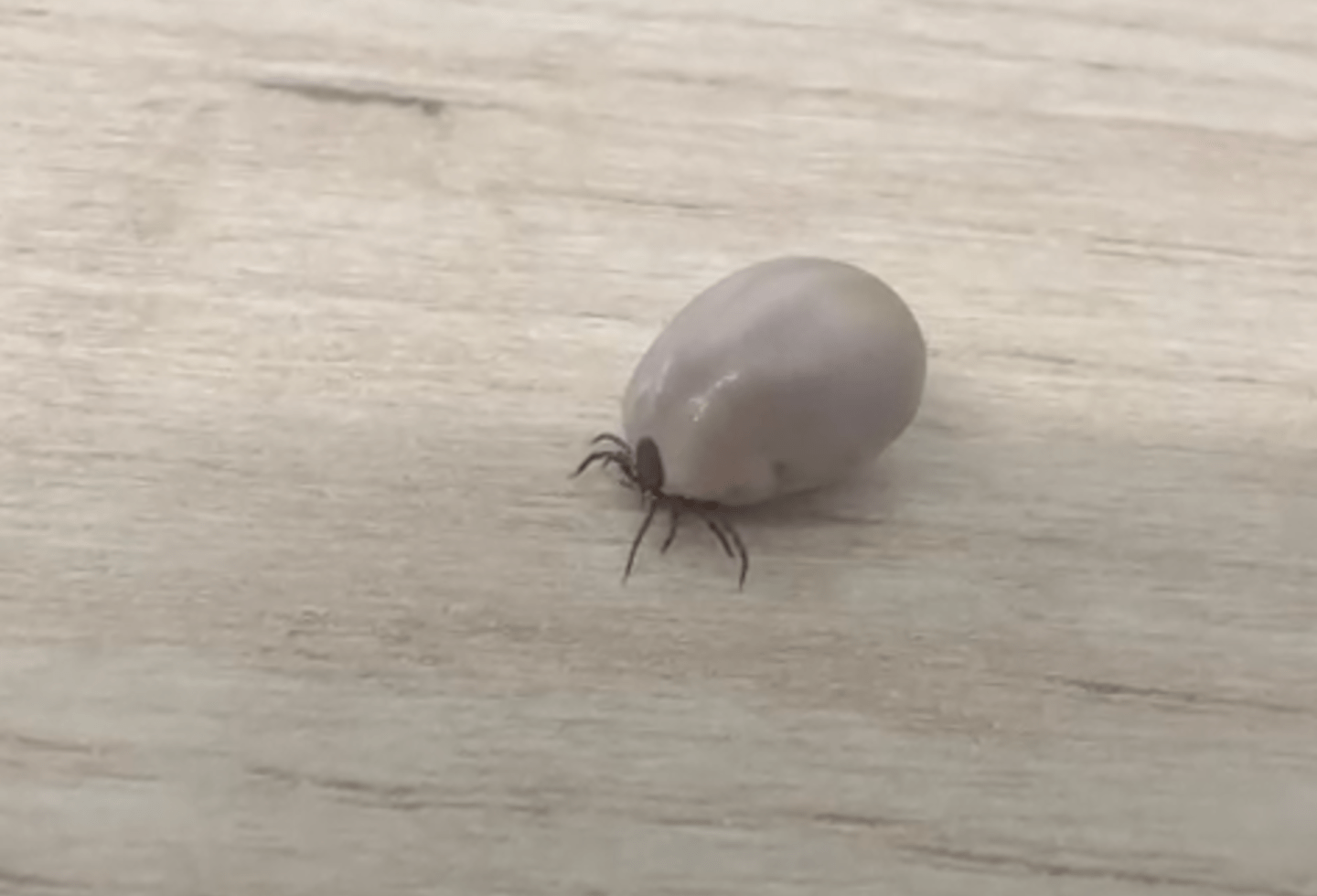
After removal, keep an eye on the bite site for the next several days or weeks. Mild redness, itching, or slight swelling is common and usually fades on its own.
You should consider seeking medical advice if you notice:
-
Redness that continues to spread
-
Swelling that worsens instead of improving
-
Signs of infection such as warmth, discharge, or persistent pain
-
Fever, fatigue, or other unusual symptoms
Early attention to changes can help address problems before they become more serious.
Special Considerations for Pets
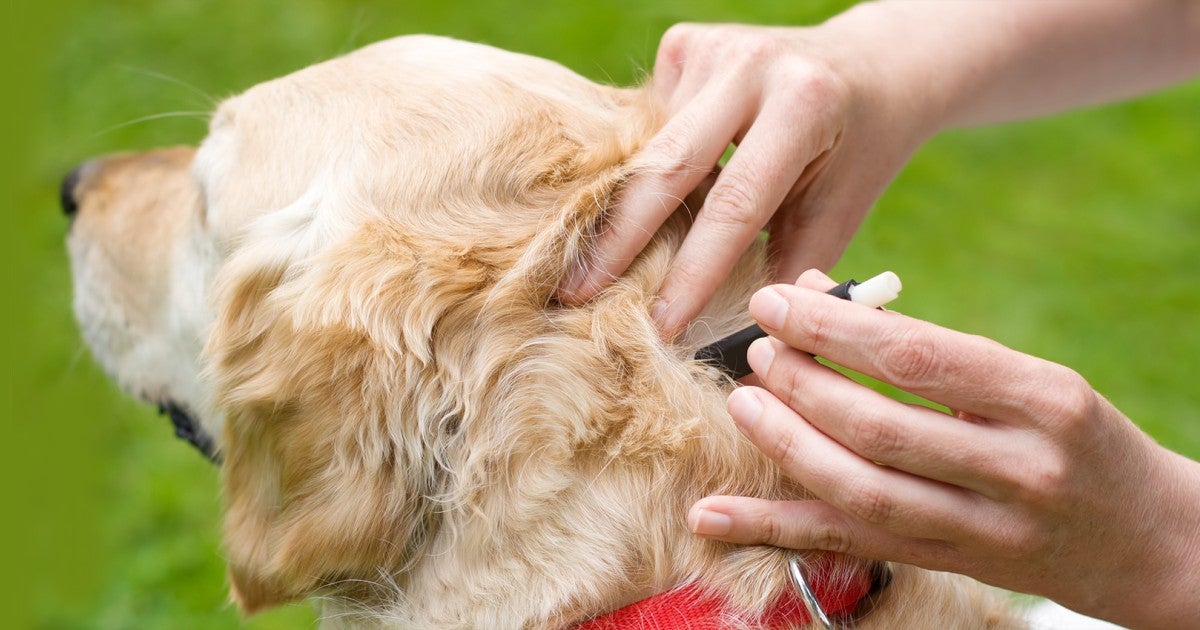
Ticks are common on dogs and outdoor cats, especially around the ears, neck, paws, and under collars. The removal process for pets is similar to that for humans, but extra care is needed to keep them calm.
If your pet is restless or aggressive, consider asking another person to help gently restrain them. Use tweezers or a pet-safe tick-removal tool and follow the same slow, steady pulling method.
After removal, clean the area and monitor your pet for signs of irritation, changes in behavior, or appetite loss. If you notice anything unusual, contact a veterinarian.
Common Tick Removal Mistakes to Avoid
Many tick-related issues come from outdated or incorrect advice. Avoid these common mistakes:
-
Burning the tick with a match or lighter
-
Applying petroleum jelly, oils, or chemicals
-
Twisting the tick while pulling
-
Squeezing the tick’s body
-
Digging into the skin to remove fragments
These methods increase the chance of irritation or infection rather than reducing risk.
How to Reduce the Risk of Future Tick Bites
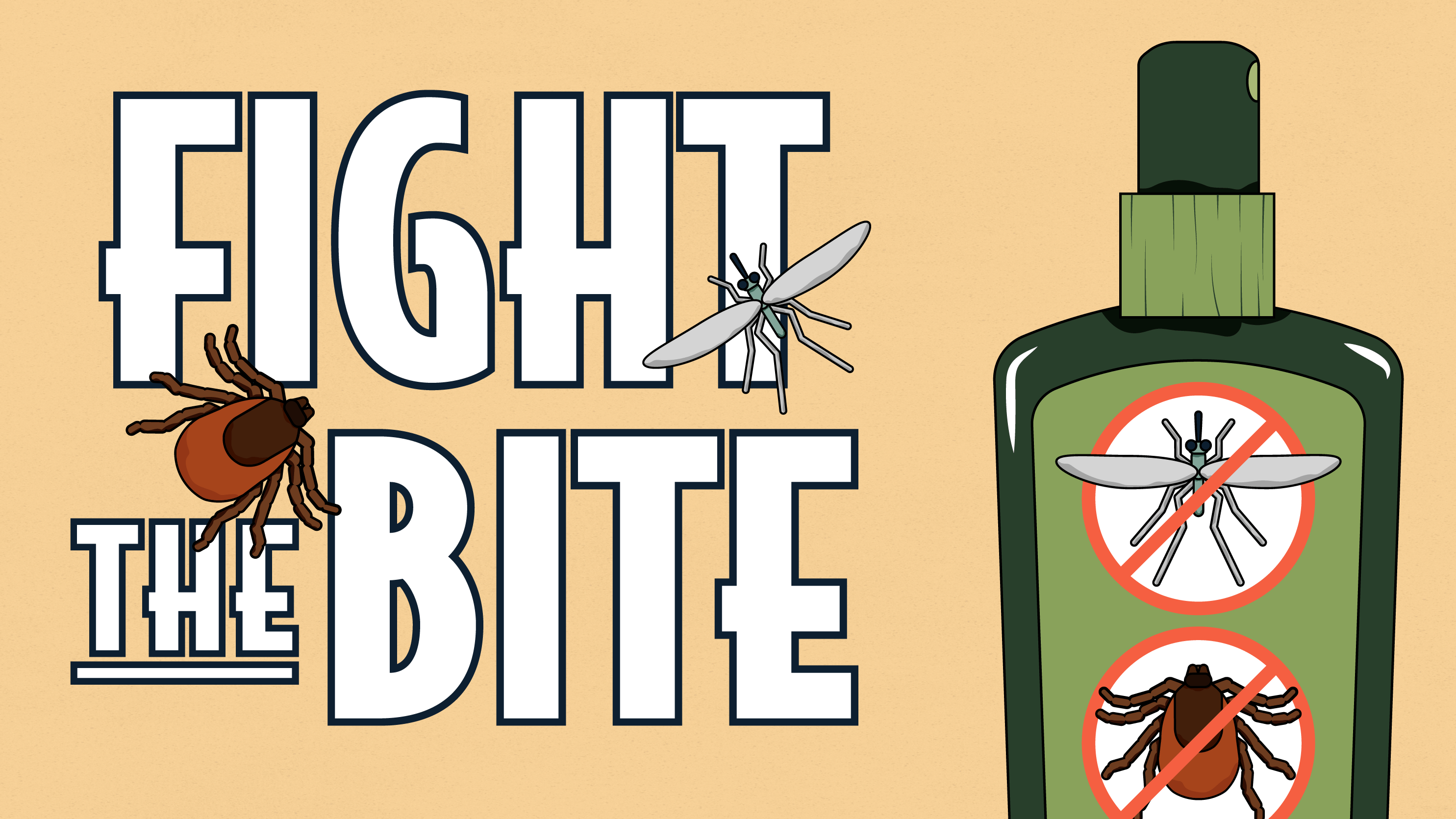
Prevention is just as important as proper removal. Whether you spend time hiking, gardening, or walking pets, taking precautions can lower your risk.
Helpful prevention tips include:
-
Wearing long sleeves and pants in grassy or wooded areas
-
Tucking pants into socks when hiking
-
Using tick-repellent products as directed
-
Showering soon after outdoor activities
-
Checking your body, clothing, and pets thoroughly after being outside
Ticks often attach in hard-to-see areas, so careful inspection is key.
When to Seek Professional Help
Most tick bites can be handled at home with proper removal and monitoring. However, seek medical or veterinary advice if:
-
You cannot remove the tick completely
-
The bite becomes increasingly painful or infected
-
You develop symptoms that concern you
-
Your pet shows signs of illness after a tick bite
Healthcare professionals can assess the situation and provide guidance tailored to your specific needs.
A Calm, Careful Approach Makes All the Difference
Finding a tick can be unpleasant, but it does not have to turn into a crisis. With the right tools, a steady hand, and proper aftercare, you can remove a tick safely and reduce potential risks.
Understanding how ticks attach, how to remove them correctly, and how to monitor afterward empowers you to protect both yourself and your pets. A few careful steps now can prevent unnecessary worry later and help ensure a smooth recovery after a tick encounter.