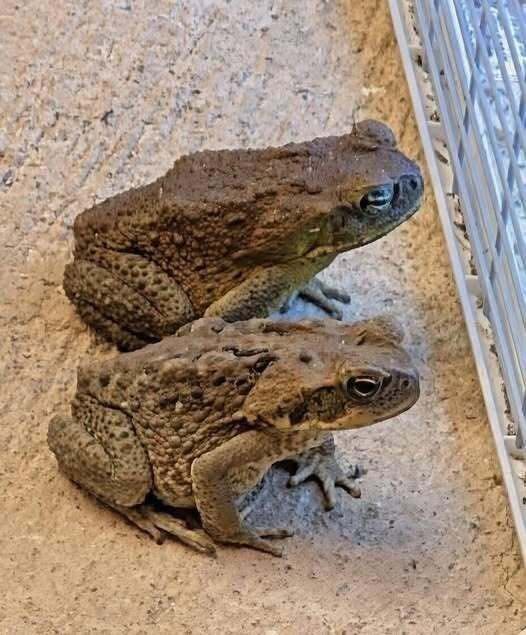
It was a quiet evening after a refreshing rainstorm. The air felt cooler, the scent of wet earth lingered in the garden, and everything seemed calm. As Emma stepped onto her back porch to check her plants, she noticed something unexpected near a flowerpot.
A small toad sat perfectly still in the corner.
At first, she was surprised. It wasn’t every day that she encountered a toad so close to her home. Questions immediately came to mind. Why was it there? Had it wandered in by accident? Was it looking for food or shelter?
As she watched, the little visitor remained motionless, blending almost perfectly with its surroundings. The encounter lasted only a few minutes, but it sparked a sense of curiosity.
Like many people throughout history, Emma began wondering whether the appearance of a toad carried a deeper meaning. Was it simply a natural occurrence, or was there something symbolic about the experience?
The answer, as it turns out, involves both science and culture. While biology explains why toads often appear near homes and gardens, folklore and tradition have long viewed these creatures as symbols of transformation, resilience, and prosperity.
Understanding both perspectives allows us to appreciate these fascinating amphibians in a richer and more meaningful way.
Why Toads Appear Around Homes
The most practical explanation for a toad’s presence is surprisingly simple.
Toads are attracted to environments that provide three essential things: moisture, shelter, and food.
Moisture Matters
Unlike reptiles, amphibians rely heavily on moist environments.
Their skin plays an important role in maintaining hydration, making damp conditions especially attractive.
After rainfall or during humid weather, toads often become more active and visible.
This is one reason homeowners frequently notice them after storms or during warm evenings.
Searching for Shelter
Toads spend much of the day hidden from direct sunlight.
They naturally seek cool, shaded locations where they can conserve moisture and remain protected.
Common hiding places include:
Potted plants
Garden beds
Wood piles
Shaded corners
Under outdoor furniture
Basements and garages
A home with these features may provide an ideal temporary refuge.
An Abundance of Food
Perhaps the greatest attraction is food.
Toads feed on a variety of insects and small invertebrates.
Mosquitoes, flies, beetles, ants, and other garden pests often make up a significant portion of their diet.
Where insects thrive, toads frequently follow.
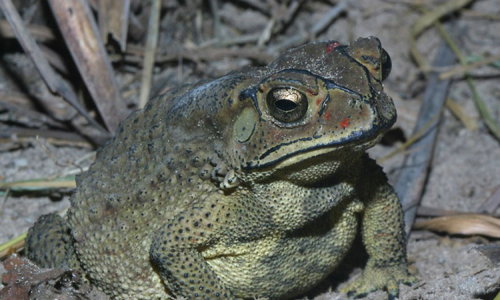
Nature’s Free Pest Control Experts
Many gardeners consider toads valuable allies.
A Healthy Appetite
A single toad can consume a remarkable number of insects over time.
By feeding naturally on common pests, they help reduce populations without requiring chemical treatments.
Supporting Sustainable Gardening
Modern gardening increasingly emphasizes environmentally friendly practices.
Toads contribute to this goal by providing natural pest management.
Their presence can reduce reliance on pesticides while helping maintain ecological balance.
Benefiting the Entire Ecosystem
Toads occupy an important position within local food webs.
They help regulate insect populations while also serving as food sources for birds and other wildlife.
This interconnected role strengthens biodiversity and contributes to ecosystem health.
What a Toad Reveals About Your Environment
Seeing a toad is often considered a positive ecological sign.
Indicators of Environmental Health
Because amphibians are sensitive to environmental changes, they are frequently used as indicators of ecosystem quality.
Healthy amphibian populations often suggest:
Clean water sources
Balanced habitats
Diverse insect populations
Limited pollution
Suitable vegetation
While a single toad does not provide a complete environmental assessment, its presence can indicate favorable conditions.
Living Alongside Wildlife
Modern life sometimes creates the illusion that humans exist separately from nature.
Toads remind us that wildlife continues to thrive around us, even in suburban neighborhoods and urban gardens.
Their appearance highlights the remarkable adaptability of many species.

The Fascinating Life Cycle of a Toad
One reason toads hold such strong symbolic meaning is their extraordinary life cycle.
From Tadpole to Adult
Toads begin life in water as tiny eggs.
After hatching, they develop into tadpoles, aquatic creatures that look entirely different from adult toads.
Over time, they undergo a dramatic transformation.
Legs develop.
Tails disappear.
Lungs replace gills.
Eventually, they emerge onto land as fully developed amphibians.
A Symbol of Change
This remarkable biological process naturally inspired human imagination.
Many cultures came to associate toads with transformation, growth, and adaptation because their life cycle visibly demonstrates these concepts.
Toads in Mythology and Folklore
Across centuries and civilizations, toads have appeared in stories, legends, and traditions.
Ancient Symbolism
Many ancient cultures viewed amphibians as creatures connected to both water and land.
This dual existence often symbolized balance and transition.
Because they moved between different environments, toads were frequently associated with adaptability and resilience.
Symbols of Fertility and Renewal
In agricultural societies, rainfall was essential for successful harvests.
Since toads often appeared after rain, they became linked to fertility, abundance, and renewal.
Their seasonal appearances reinforced these associations.
Wisdom in Traditional Stories
Folklore often portrayed toads as quiet observers of nature.
Their patient behavior and hidden lifestyles inspired stories emphasizing wisdom, patience, and reflection.

The Feng Shui Perspective
One of the most widely known symbolic interpretations comes from Feng Shui.
The Three-Legged Money Toad
In Feng Shui traditions, a mythical money toad is associated with prosperity and opportunity.
This symbolic figure is often placed near entrances or business areas.
The money toad is believed to represent abundance, positive energy, and financial growth.
Opportunity and Flow
More broadly, toads are often viewed as reminders of favorable opportunities.
Their appearance may be interpreted as encouragement to remain open to growth and positive change.
It is important to remember that these interpretations belong to cultural traditions rather than scientific evidence.
However, they continue to hold meaning for many people around the world.
The Psychological Meaning of Animal Encounters
Beyond folklore, encounters with animals can have genuine psychological value.
Encouraging Mindfulness
Unexpected wildlife sightings often interrupt routine thinking.
For a moment, people pause and become fully present.
This shift in attention encourages mindfulness and appreciation of the natural world.
Finding Personal Meaning
Humans naturally seek meaning in experiences.
When a toad appears unexpectedly, some people view it as a reminder to reflect on personal growth, adaptability, or resilience.
Whether symbolic or practical, such reflections can inspire positive perspectives.
Why Small Creatures Inspire Big Questions
It is remarkable how a tiny amphibian can spark such curiosity.
The Power of Observation
Many meaningful discoveries begin with simple observation.
A toad sitting quietly beside a flowerpot may seem insignificant at first glance.
Yet closer examination reveals fascinating insights into biology, ecology, and culture.
Reconnecting with Nature
Modern technology often dominates daily attention.
Encounters with wildlife provide opportunities to reconnect with natural processes that continue all around us.
These moments help foster appreciation for the complexity and beauty of living systems.
Living Harmoniously with Toads
If a toad appears near your home, experts generally recommend allowing it to continue its natural activities.
Creating a Wildlife-Friendly Garden
Homeowners interested in supporting local biodiversity can:
Provide native plants
Reduce pesticide use
Maintain shaded areas
Offer shallow water sources
Preserve natural shelter locations
These practices benefit not only toads but also birds, pollinators, and other wildlife.
Respecting Natural Visitors
Toads are generally shy and non-aggressive.
Observing them from a distance allows both humans and wildlife to coexist comfortably.
Simple respect for their space is usually all that is required.

Lessons from an Unexpected Visitor
The appearance of a toad can teach several valuable lessons.
Adaptability
Toads thrive by adjusting to changing conditions.
Their survival strategies remind us of the importance of flexibility in our own lives.
Balance
Their ecological role demonstrates how interconnected natural systems function.
Even small creatures contribute meaningfully to larger environmental processes.
Appreciation
A brief encounter encourages awareness of details often overlooked during busy routines.
These moments help cultivate curiosity and gratitude.
Conclusion
A toad appearing in your home or garden is usually the result of simple ecological factors. Moisture, shelter, and abundant insects create an environment that naturally attracts these helpful amphibians. Far from being unwelcome visitors, toads contribute to healthy ecosystems by controlling pests and supporting biodiversity.
Beyond their practical role, toads have inspired cultural symbolism for centuries. Their remarkable transformation from tadpole to adult has made them enduring symbols of growth, renewal, adaptability, and opportunity. Traditions ranging from folklore to Feng Shui continue to associate them with positive change and prosperity.
Whether viewed through the lens of science or symbolism, a toad’s presence offers a valuable reminder. Nature is constantly at work around us, often in quiet and unnoticed ways. Small creatures contribute to complex ecological systems, while unexpected encounters encourage reflection and curiosity.
Perhaps that is the greatest lesson a toad can offer. In a fast-moving world, even a brief meeting with a humble amphibian can inspire us to slow down, observe more carefully, and appreciate the intricate connections that surround us every day.
Sources
National Geographic
Smithsonian National Museum of Natural History
Encyclopaedia Britannica
National Wildlife Federation
Amphibian Survival Alliance
Cornell University Department of Ecology and Evolutionary Biology
Royal Horticultural Society (RHS)
World Wildlife Fund (WWF)