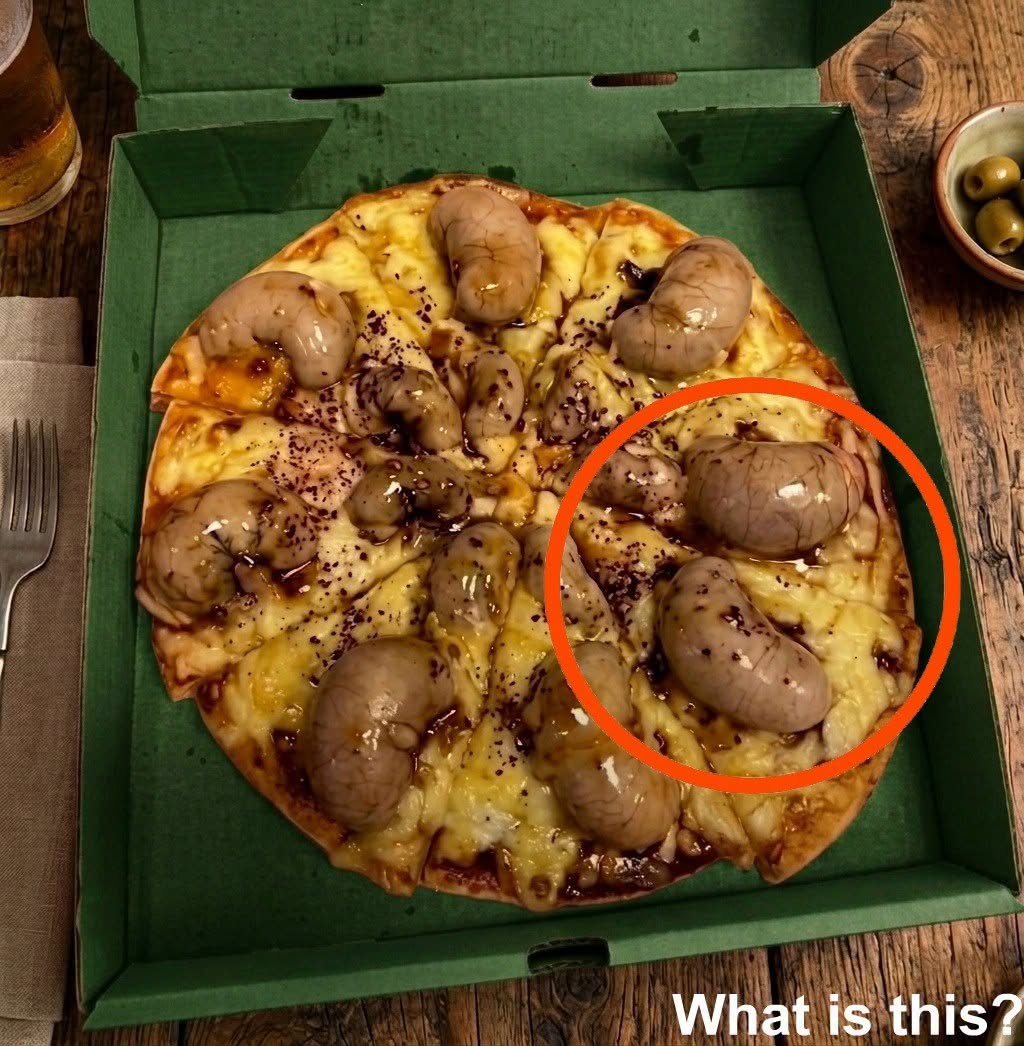
The smell of freshly baked pizza has a way of bringing people together. A warm crust, melted cheese, and flavorful toppings create one of the world’s most loved comfort foods. But sometimes, before the first bite, our eyes make a quick judgment.
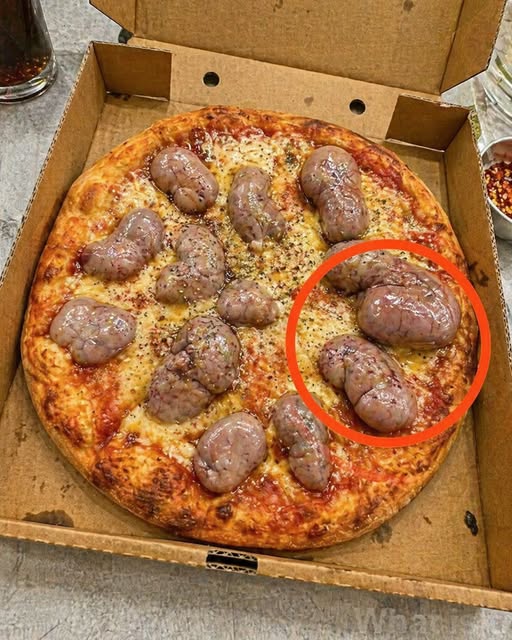
Imagine opening a pizza box expecting a perfectly even crust, a smooth surface, and a familiar appearance. Instead, you find a pizza with raised bubbles, uneven edges, and an unusual shape. At first glance, it might seem like something went wrong in the kitchen.
However, what looks strange is not always a mistake.
In many cases, those unexpected shapes are actually signs of natural baking processes happening inside the oven. Dough, heat, moisture, and air work together to create the final appearance of a pizza. Every bubble and curve tells a small story about the science behind cooking.
The journey from simple dough to a delicious pizza is a fascinating combination of tradition, chemistry, and craftsmanship. Understanding this process can change the way we see food and help us appreciate the beauty of imperfections.
Understanding the Basics of Pizza Dough
A great pizza begins with a simple mixture of ingredients: flour, water, yeast, salt, and sometimes oil or other additions depending on the recipe.
Although the ingredients appear basic, the process behind pizza dough is surprisingly complex.
Flour contains proteins that form gluten when mixed with water. Gluten creates an elastic network that gives dough its structure and allows it to stretch without breaking.
Yeast also plays an important role. During fermentation, yeast produces gases that become trapped inside the dough. These tiny pockets of air later expand during baking, creating the texture we associate with a good crust.
The dough is not just a flat base for toppings. It is a living structure that changes over time.
Why Pizza Crust Forms Bubbles
One of the most noticeable features of some pizzas is the appearance of bubbles or raised areas on the crust.
This happens because of the relationship between heat and trapped air.
As pizza enters a hot oven, several things happen at once.
The moisture inside the dough begins turning into steam. At the same time, the air pockets created during fermentation expand.
The heat causes the gases inside the dough to push outward. When the dough structure is strong enough to hold the pressure, bubbles form.
These bubbles are not signs of poor preparation. In many styles of pizza, they are considered desirable because they create a lighter, more interesting texture.
A crust with air pockets can become crisp on the outside while remaining soft inside.
The Role of Heat in Baking
The oven is where the transformation happens.
Before baking, pizza dough is soft and flexible. Inside the oven, heat causes physical and chemical changes.
Several processes happen together:
Water evaporates from the surface.
The dough expands.
The outer layer becomes firmer.
Natural sugars and proteins react, creating color and flavor.
This process is known as the Maillard reaction, a chemical reaction responsible for many of the appealing flavors and aromas found in cooked foods.
The golden surface of a pizza crust is not random. It is the result of carefully balanced temperature and timing.

Cheese, Toppings, and Texture
The toppings on a pizza also influence how it looks after baking.
Cheese contains moisture and fat, and as it heats, it melts and spreads across the surface.
Sometimes melted cheese traps steam underneath, causing parts of the pizza surface to lift slightly.
Different toppings also affect baking.
Fresh vegetables may release moisture.
Thicker toppings can slow down heat transfer.
A heavier layer of ingredients may create a different texture compared with a simple pizza.
This is why no two homemade pizzas are exactly the same. Small differences in preparation create unique results.
Why Handmade Pizza Looks Different
Many people are used to pizzas made with highly controlled production methods. Commercial pizzas often aim for a consistent shape and appearance.
Handmade pizza is different.
When a person stretches dough by hand, small variations naturally appear. One area may become slightly thinner, while another may hold more air.
These differences are part of the character of handcrafted food.
In many traditional pizza cultures, a slightly irregular shape is not considered a flaw. Instead, it shows that the pizza was made through a human process rather than a machine.
The Cultural Story Behind Pizza
Pizza has traveled far beyond its original roots and become a global symbol of creativity and sharing.
Although modern pizza is strongly associated with Italian culinary traditions, different regions around the world have developed their own styles.
Some prefer thin and crisp crusts.
Others enjoy thicker, softer edges.
Some focus on simple ingredients, while others experiment with new combinations.
The diversity of pizza reflects how food evolves as cultures interact.
A pizza that looks unusual may simply represent a different style or technique.
Myth vs Science: Common Pizza Misunderstandings
Food often creates myths because people rely on appearance to judge quality.
One common misunderstanding is that an uneven pizza must have been made incorrectly.
Science shows that irregularity can be a natural result of fermentation and baking.
Another misconception is that perfect appearance always means better taste.
In reality, flavor depends on many factors:
Ingredient quality
Preparation methods
Cooking temperature
Timing
Balance of textures
A perfectly shaped pizza can still disappoint, while a less visually perfect one can become memorable.

The Psychology of First Impressions
The pizza story reveals something interesting about human perception.
People naturally use their senses to make quick decisions. Appearance often influences expectations before taste, smell, or texture are experienced.
When something looks different from what we expect, the brain may interpret it as a problem.
But taking a closer look often reveals a different explanation.
This happens not only with food but with many everyday experiences. Something unfamiliar is not automatically something negative.
Learning more about the process behind things can change our perspective.
Appreciating the Art of Cooking
Cooking is both a science and an art.
The science explains how ingredients react.
The art comes from the choices people make during preparation.
A baker or pizza maker considers:
How long dough rests
How ingredients are combined
How heat is applied
How texture and flavor develop
Small adjustments create different results.
This is why experienced cooks often pay attention to details that are invisible before the food reaches the table.
How to Recognize a Well-Baked Pizza
A good pizza does not need to look identical every time.
Instead, consider several qualities:
The crust should have a pleasant texture.
The toppings should be properly cooked.
The aroma should be inviting.
The flavors should work together.
Visual appearance is only one part of the experience.
A pizza with natural bubbles and uneven areas can still be an excellent meal.
Conclusion: When Food Teaches Us to Look Deeper
The unusual pizza that first appeared imperfect turned out to be a simple example of baking science at work.
What looked unexpected was actually the result of heat, air, moisture, and careful preparation interacting together.
Pizza reminds us that appearances can sometimes create assumptions before we understand the full story.
Whether it is a handmade crust, a unique recipe, or a surprising texture, food often carries evidence of the process that created it.
The next time a meal looks different than expected, it may be worth looking closer. Behind every unusual detail could be a fascinating explanation waiting to be discovered.
Our curiosity about everyday things is what helps us learn, appreciate creativity, and see the hidden science in the world around us.
Sources
Serious Eats. Research on pizza dough techniques and baking methods.
Encyclopaedia Britannica. Information about food science and cooking processes.
Harvard University. Educational resources on chemistry and food reactions.
The American Chemical Society. Studies and explanations of cooking chemistry.