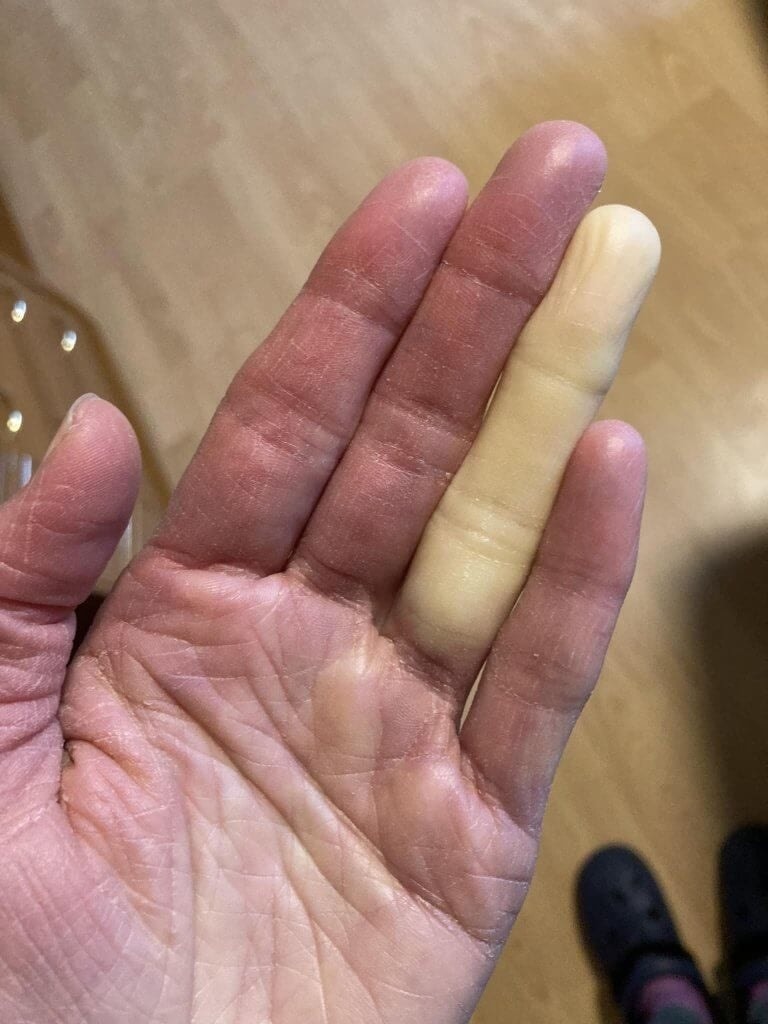
Most people enjoy a cool bedroom at night. Sleep researchers often recommend slightly lower temperatures to improve rest quality. But there is a point where “cool” becomes “too cold,” and what happens to the body beyond that point is not simply discomfort—it’s a physiological stress response.
Sleeping in an excessively cold environment can cause the body to tighten, stiffen, and redirect blood away from your hands and feet. Waking up with pale, cold, or stiff hands is not merely an annoyance; it’s an indication that your body struggled to maintain warmth throughout the night.
This article explains the mechanisms behind this reaction, why it happens, when it becomes risky, and how to adjust your environment to stay safe and comfortable.
Why Your Body Reacts Strongly to Cold While You Sleep

The human body is constantly regulating its internal temperature, a process called thermoregulation. During sleep, core temperature naturally drops about 1–2°C, which helps trigger deeper rest. However, when the room temperature falls too far, the body must work harder to prevent heat loss.
Sleep reduces muscle activity, breathing rate, and circulation speed—all factors that already make heat conservation more challenging. When combined with environmental cold, this can push the body into a protective mode.
The result: stiff muscles, tightened vessels, and a sensation that your body is “frozen” or slow to move when you wake up.
Why Your Hands Become Cold, Pale, or Even Stiff
:max_bytes(150000):strip_icc()/VWH-GettyImages-1846975930-3b9e4910e4914ca38961c8d9bd7ca9bf.jpg)
Hands and feet are among the first body parts to show signs of excessive cold exposure. This is not random; it’s a survival mechanism.
Reduced Blood Flow to the Extremities
When the environment becomes too cold, the body narrows blood vessels in the skin and limbs to preserve heat for vital organs such as the heart, lungs, and brain. This process, known as vasoconstriction, reduces warmth and oxygen flow to your hands.
That’s why your hands may:
-
Feel stiff or difficult to move
-
Become cold to the touch
-
Appear pale or slightly white
-
Lose sensitivity or feel “numb”
This does not mean permanent damage, but it does show your body had to compensate for the surrounding cold more aggressively than usual.
Muscular Stiffness
Cold temperatures can slow the chemical reactions that allow muscles to contract and relax efficiently. Overnight, as your body remains still and colder than normal, your hand and finger muscles may stiffen.
Many people describe waking up with:
-
A “frozen” feeling
-
Slower grip strength
-
Difficulty bending fingers immediately upon waking
This stiffness usually resolves quickly once you warm up, but it signals that your sleep environment may be too cold for comfort.
When Your Whole Body Feels “Frozen” Upon Waking
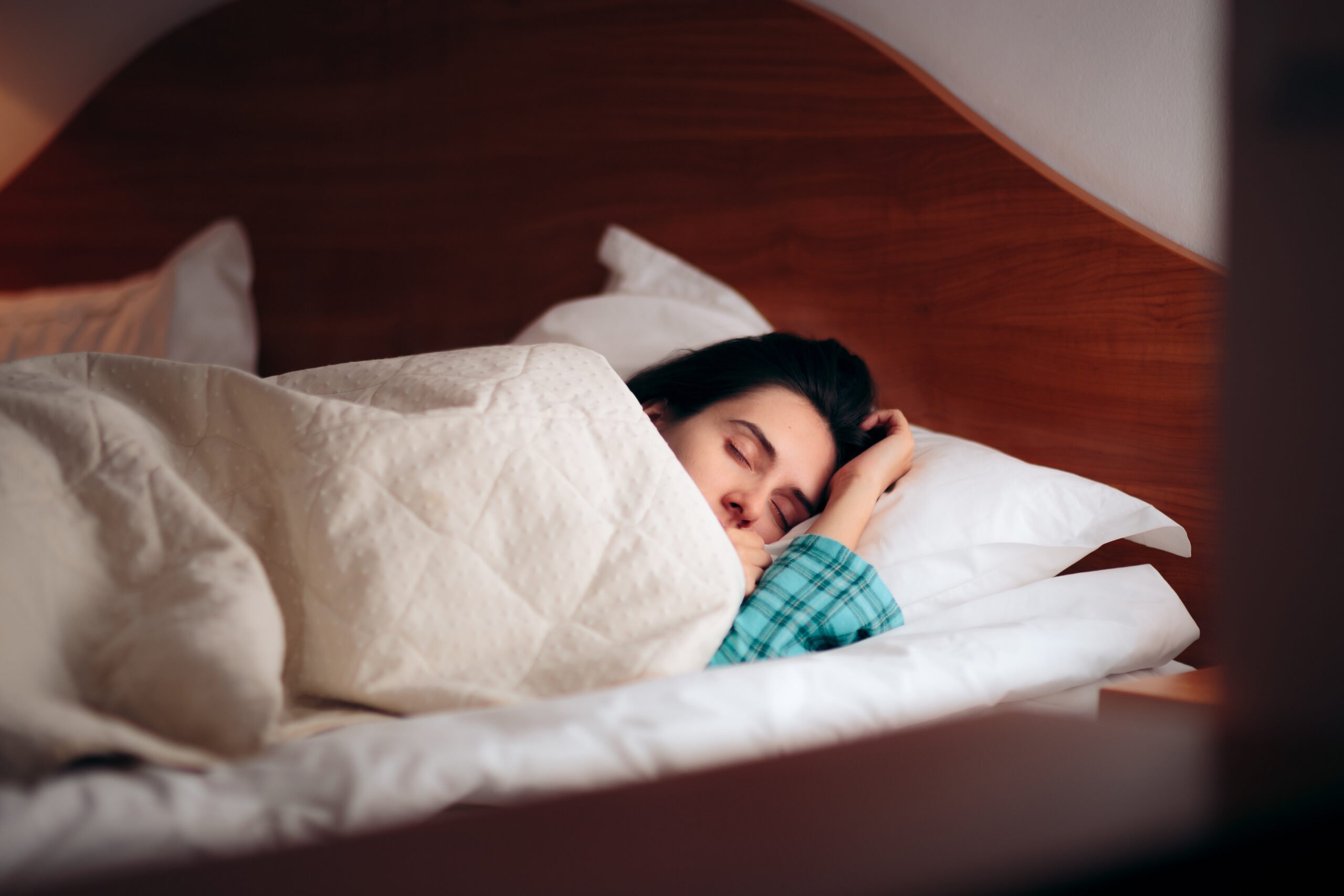
People often report waking up feeling as if their body is “locked,” heavy, or unusually rigid after a night in a cold room. This sensation has several causes.
Muscle Tightening During Cold Exposure
Cold makes muscles contract involuntarily. While shivering is the most obvious reaction, subtle muscle tightening can also occur throughout the night even if you are not fully awake. These micro-contractions keep you warm but also exhaust your muscles.
Waking up stiff, sore, or slow-moving is a common result.
Joint Stiffness
Cold affects synovial fluid—the lubricating substance inside joints. When the fluid thickens, movement becomes harder.
People with arthritis or chronic inflammation feel this more strongly, but even healthy individuals may notice:
-
Reduced flexibility
-
Mild discomfort in the shoulders, knees, or back
-
A temporary “locked” sensation upon waking
Lower Sleep Quality
Deep sleep requires stable body temperature. If you’re too cold, your body may remain half-alert, preventing you from entering restorative stages. Poor sleep alone can cause morning heaviness and sluggish movement.
How Cold Is “Too Cold” for Sleep?
Sleep experts generally recommend 16–19°C (60–67°F) for optimal rest. However, what feels comfortable varies by individual.
Temperatures below 12–13°C (53–55°F) can begin triggering strong thermoregulatory responses in many people, especially if:
-
The blanket is thin
-
You aren’t wearing warm sleepwear
-
Airflow (like fans or AC) is directed at you
-
Your hands or feet are exposed
Children, older adults, and people with circulation or thyroid issues may react even at higher temperatures.
If you regularly wake up with stiff, pale, or cold hands, the temperature is likely too low for your body.
Health Risks of Sleeping in a Room That’s Too Cold

While mild cold exposure at night is generally safe, consistent overexposure can escalate from discomfort to health concerns.
1. Increased Stress Hormone Production
The body must work harder to maintain warmth, raising levels of cortisol and adrenaline. This can lead to:
-
Fragmented sleep
-
Difficulty waking refreshed
-
Increased morning fatigue
2. Worsening Circulatory Issues
People with conditions like Raynaud’s phenomenon, anemia, or diabetes may experience more intense symptoms:
-
Whitening of fingertips
-
Tingling or numbness
-
Longer recovery time for warmth
3. Reduced Immune Function
Chronic sleep disruption caused by extreme cold can weaken your immune system over time, making you more prone to seasonal illnesses.
4. Respiratory Irritation
Very cold air can dry out nasal passages and throat tissue, contributing to:
-
Morning dryness
-
Low-level inflammation
-
Increased sensitivity to allergens
These effects accumulate and may compromise long-term sleep quality and well-being.
Signs You Should Raise Your Sleeping Temperature
You should reconsider your nighttime environment if you wake up with:
-
Pale or almost white fingertips
-
Heavy stiffness in your hands or body
-
A sensation of being “frozen” when you first move
-
Tingling or numbness in fingers
-
Morning fatigue despite sleeping long hours
-
Cold that persists even after getting out of bed
These are indicators that your body struggled to maintain heat balance overnight.
How to Adjust Your Environment for Safer, Healthier Sleep

You don’t have to turn your bedroom into a warm zone—just maintain a temperature that doesn’t challenge your body.
Increase Temperature Slightly
Raise your AC or heater settings by 1–2 degrees until you find a comfortable balance. You may not need a dramatic change.
Use Proper Bedding
A thicker duvet or layered blankets help trap heat more efficiently without overheating.
Keep Your Hands Warm
Wear thin cotton gloves or keep your hands under the blanket. This simple adjustment significantly reduces morning stiffness.
Avoid Direct Cold Airflow
If your AC or fan points at your bed, redirect it. Constant cold airflow can drop your skin temperature rapidly.
Warm Up Before Bed
Simple stretches or a warm shower boost circulation and help maintain body temperature through the night.
The Bottom Line
Sleeping in a room that’s too cold may seem harmless, but your body doesn’t simply “get used” to extreme temperatures during rest. Instead, it redirects heat toward vital organs, tightens muscles, slows blood circulation to your hands, and reduces sleep quality.
Waking up with pale, cold, or stiff hands is your body signaling that the nighttime environment is beyond what it can comfortably and safely manage.
A slightly warmer temperature, better bedding, and minor habits can make an immediate difference in comfort and health—ensuring your body feels restored rather than “frozen” when you wake up.