
Cloves: A Small Spice With Big Potential, and How to Use It Wisely
Cloves are the dried flower buds of a tropical evergreen tree. They’re known for a warm, slightly sweet aroma and a bold flavor that shows up in both sweet and savory dishes. Beyond cooking, cloves have a long history in traditional wellness practices. Modern research has also studied clove compounds for antioxidant and anti-inflammatory activity, which is why cloves often appear in “natural health” articles.
But there’s a key point that gets lost online: using cloves as a culinary spice is very different from using concentrated clove supplements or essential oil. The potential benefits, safety profile, and risks are not the same. This article focuses on what science suggests, what remains uncertain, and how to approach cloves responsibly as part of a balanced lifestyle.
What Makes Cloves Special?
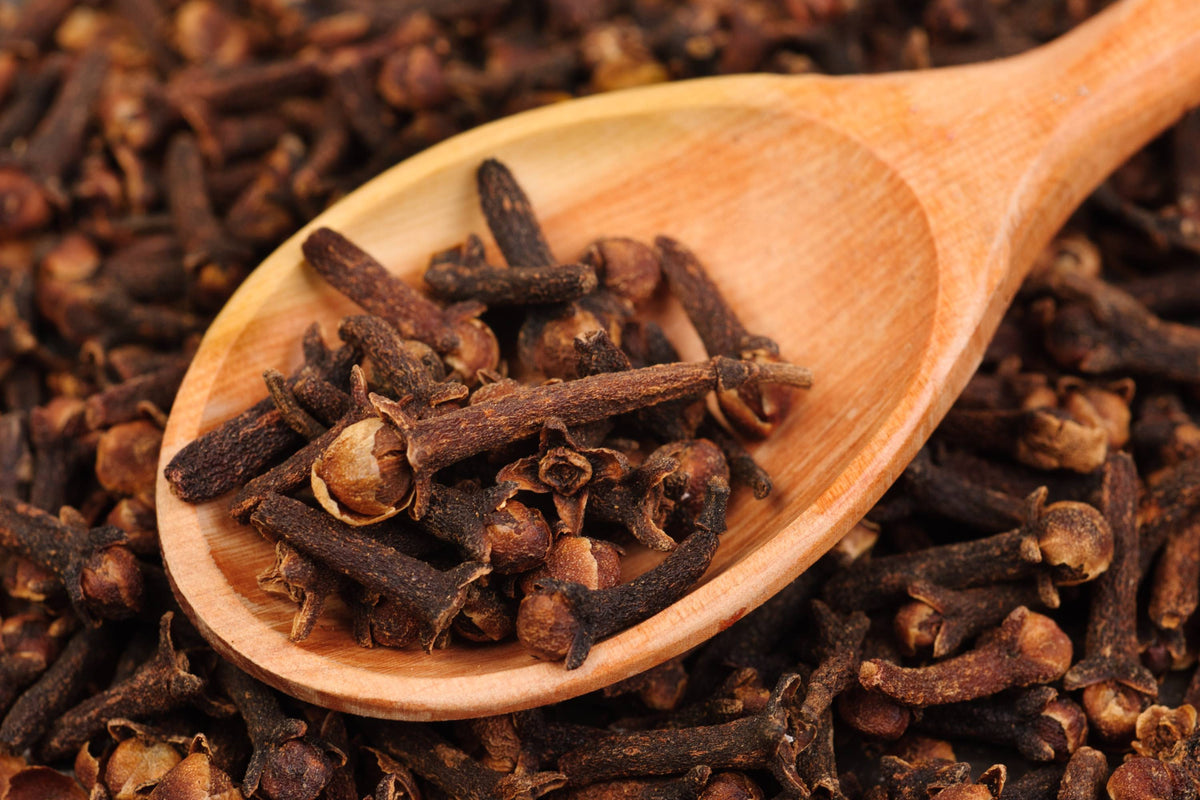
Cloves contain plant compounds that give them their characteristic smell and taste. The best-known of these is eugenol, which contributes to the familiar “warm” clove scent and is widely studied for its biological activity.
In everyday life, most people consume cloves in small amounts through food. At culinary levels, cloves can be a useful way to add flavor without extra sugar or salt, and they can help make healthier meals taste more satisfying.
Cloves also provide small amounts of fiber and micronutrients. One mineral that often gets mentioned is manganese, a trace mineral involved in normal metabolism and bone formation. While cloves can be a concentrated source of manganese by weight, it’s still important to view them as a supportive ingredient—not a single solution for bone health.
Nutritional Support: What Cloves Can and Can’t Do

Cloves are not a “superfood” that replaces a nutritious diet. Their biggest nutritional role is that they can add small amounts of helpful compounds and minerals while improving flavor. If you enjoy cloves, they can make it easier to stick to healthful eating patterns.
That said, bone health, energy levels, and immune resilience depend on multiple factors:
-
Adequate protein
-
Vitamin D and calcium status
-
Strength and impact exercise
-
Sleep and recovery
-
Overall dietary quality
-
Long-term stress management
Cloves can complement those fundamentals, but they don’t override them.
Antioxidant Properties: A Useful Concept, Often Overstated
Cloves are frequently described as “antioxidant-rich.” In laboratory testing, clove extracts show strong antioxidant activity, meaning they can neutralize certain reactive molecules associated with oxidative stress.
In real-world terms, the safest takeaway is simple: adding a variety of plant foods, herbs, and spices can help improve overall diet quality. Spices can contribute to the “plant diversity” that many nutrition experts encourage.
However, antioxidant activity in a lab does not guarantee a specific outcome in humans. It doesn’t mean cloves will prevent disease by themselves. The strongest health benefits still come from the overall pattern: consistent movement, adequate sleep, and a diet centered on whole foods.
Anti-Inflammatory Potential: Promising, but Not a Substitute for Treatment

Inflammation is a normal immune process. It helps the body respond to injury and infection. Problems arise when inflammation becomes persistent, which is linked to many chronic health concerns.
Clove compounds, particularly eugenol, have been studied for anti-inflammatory effects in experimental settings. This is part of why cloves are associated with “natural pain support” in traditional use.
But it’s important to stay grounded: cloves can be a supportive food ingredient, not a replacement for medical evaluation. If pain is persistent, severe, or affecting daily functioning, it deserves proper assessment.
Cloves and Oral Comfort: Why People Mention Them
Cloves have a long association with oral comfort. Many cultures have used cloves in various ways when dealing with mild mouth discomfort. Modern discussions often point to clove compounds having properties that may influence bacteria in the mouth and provide a short-term soothing effect.
Still, oral health issues such as tooth decay, gum disease, or infection won’t be solved by a spice. If someone has ongoing tooth pain, swelling, fever, or worsening symptoms, the safest approach is professional dental care.
Digestive Comfort: Traditional Use and Practical Reality
Cloves are sometimes used in cooking or warm beverages to support digestive comfort. People may report feeling less bloated or more settled after meals that include certain spices, including cloves.
If cloves help you enjoy meals and feel comfortable, that can be a valid personal benefit. But digestive symptoms can have many causes. If you experience ongoing nausea, unexplained weight loss, persistent abdominal pain, blood in stool, or symptoms that disrupt daily life, it’s important to seek professional evaluation rather than relying on home remedies.
Immune and Respiratory Support: Where the Claims Need Caution
You’ll often see claims that cloves “boost immunity” or “fight infections.” Some clove components show antimicrobial activity in research settings, which means they can inhibit certain microbes under controlled conditions.
But antimicrobial activity in the lab is not the same as treating infections in real life. In everyday wellness terms, cloves can be part of a nourishing diet, and warm spiced foods or drinks may feel comforting during seasonal illness. Still, they are not a substitute for evidence-based medical care.
For immune health, the most reliable strategies remain:
-
Sleep consistency
-
Balanced nutrition with enough protein and fiber
-
Regular physical activity
-
Vaccination where appropriate
-
Stress management
-
Addressing chronic conditions with proper care
Skin and Aromatherapy: Keep It Gentle and Safe
Cloves appear in some skincare and aromatherapy contexts, mainly because they have a strong scent and active compounds. But this is also where people can run into problems—especially with essential oils.
Concentrated oils can irritate skin, trigger allergic reactions, or cause discomfort if used incorrectly. If you’re interested in skin care benefits, the safest approach is to use properly formulated products and discontinue anything that causes burning, redness, or irritation. Avoid applying strong substances to sensitive or broken skin.
For aromatherapy, the effects are subjective. Some people find warm, spicy scents relaxing, while others find them overwhelming. If fragrance triggers headaches or irritation, it’s best to avoid it.
The Safest Way to Use Cloves: Food First
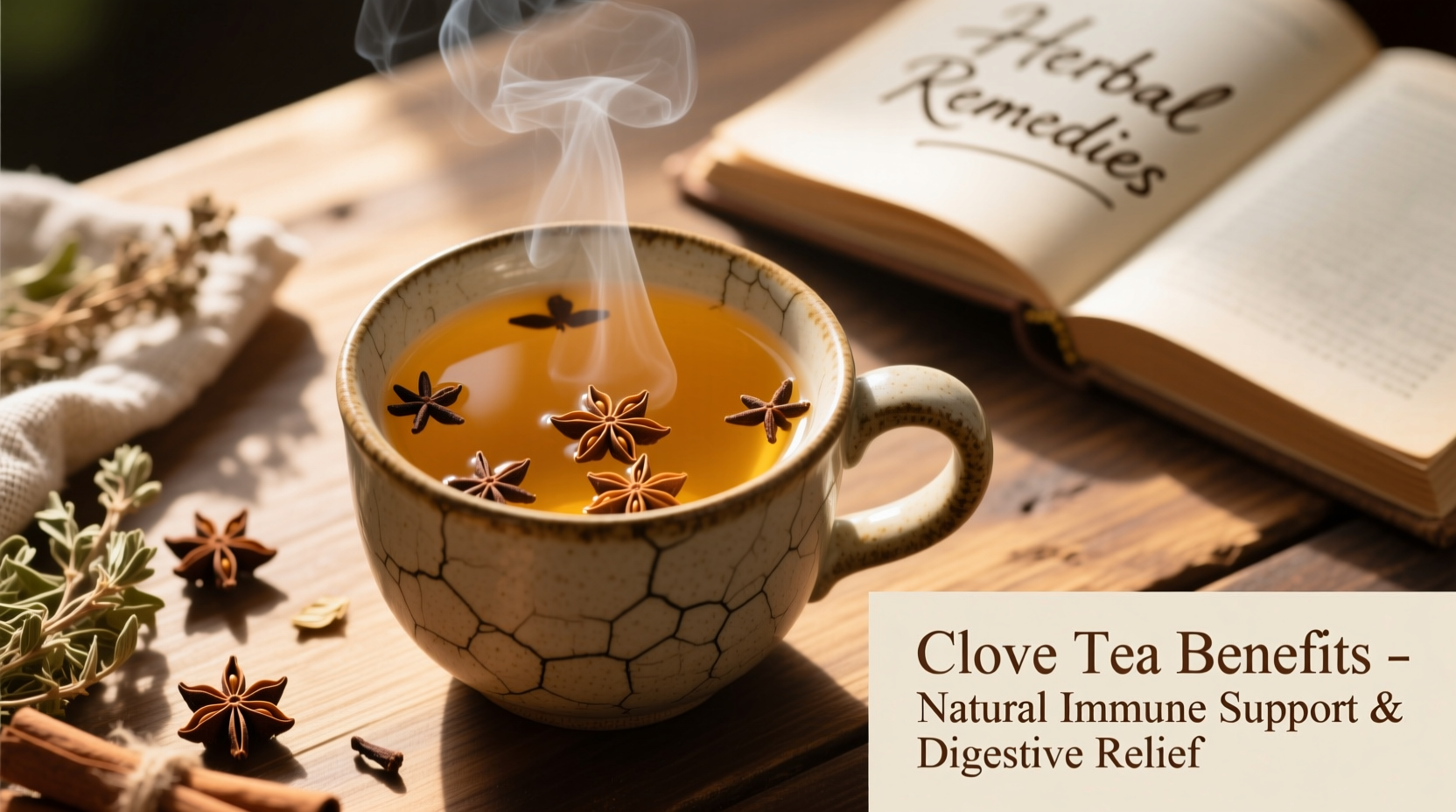
For most people, the safest and most practical way to benefit from cloves is to use them as a culinary spice:
-
Add a small pinch of ground cloves to oatmeal, yogurt, or baked fruit
-
Use whole cloves in soups, stews, or rice for aroma, then remove them before eating
-
Pair cloves with cinnamon or ginger for flavor in warm foods
This keeps your intake at food-level amounts, which is generally much safer than concentrated products.
Important Safety Notes
This section is essential because many internet posts blur the difference between cloves as food and clove essential oil.
Culinary cloves vs. concentrated products
-
Culinary cloves used in normal cooking are generally low-risk for healthy adults.
-
Concentrated products (supplements, extracts, essential oil) are much stronger and can create safety concerns if misused.
Who should be cautious
If you have a medical condition, are pregnant, are breastfeeding, or take prescription medications—especially medicines that affect blood clotting or blood sugar—check with a qualified healthcare professional before using clove supplements or concentrated extracts.
“More” is not always better
Spices are powerful because they’re concentrated plant material. Using reasonable amounts in food is one thing. Trying to treat health issues with large doses is another, and it can increase the chance of side effects.
Bottom Line
Cloves are a flavorful spice with interesting compounds and a long history of traditional use. Research suggests clove components may have antioxidant and anti-inflammatory activity, which helps explain why cloves are associated with wellness discussions.
But the most responsible approach is simple:
-
Use cloves in food for flavor and gentle support
-
Avoid turning cloves into a “treatment plan”
-
Be cautious with concentrated products
-
Get professional care when symptoms are persistent or severe