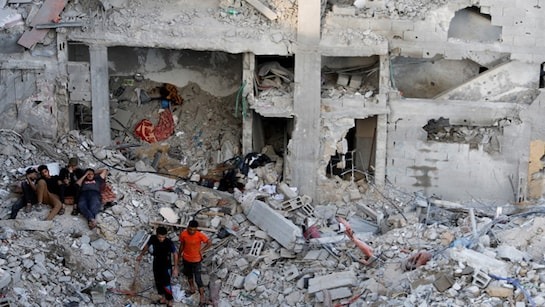
Incidents involving hospitals during armed conflicts often generate immediate global concern, especially when early reports تشير إلى large-scale casualties. However, in rapidly evolving situations, initial claims may not always reflect verified facts. One of the most widely analyzed cases is the explosion at Al-Ahli Arab Hospital in October 2023, which highlighted the challenges of reporting accurately in conflict environments.

What Happened at Al-Ahli Arab Hospital?
On October 17, 2023, an explosion occurred at Al-Ahli Arab Hospital, a medical facility serving civilians in a densely populated area. Initial reports from local authorities suggested a high number of casualties and described the event as a large-scale strike.
These early claims quickly spread across global media and social platforms. However, as more data became available, multiple independent investigations began to reassess both the cause of the explosion and the scale of the damage.
Verified Findings from Official Sources
Subsequent analyses referenced by the United Nations and intelligence assessments from the United States Department of Defense indicated that the explosion was likely caused by a misfired projectile rather than a direct airstrike.
These findings were supported by:
- Satellite imagery analysis
- Open-source video verification
- Trajectory assessments of the projectile
- Intelligence data reviewed by multiple governments
While not all parties involved in the conflict agreed on the conclusion, several international evaluations aligned with the misfire assessment.
Casualty Figures: Why Numbers Differ
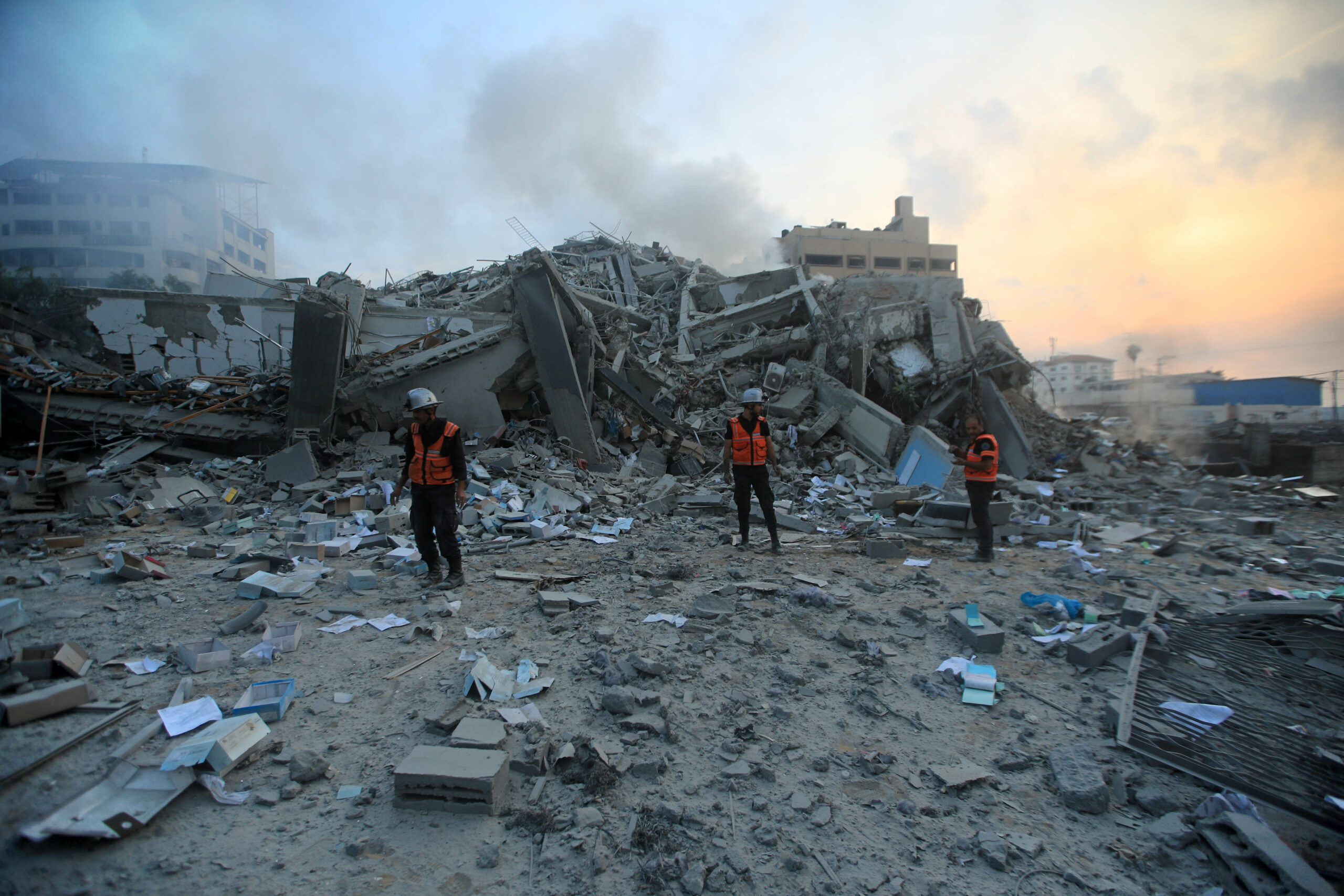
Early reports suggested that more than 400 people had died. However, later estimates from independent assessments indicated that the number of casualties may have been significantly lower.
The World Health Organization explains that casualty verification in conflict zones is often difficult due to:
- Limited access to affected areas
- Ongoing security risks
- Damaged infrastructure
- Challenges in identifying victims
Because of these factors, initial figures should be considered preliminary until confirmed by multiple reliable sources.

Legal Protection of Hospitals in War
Under international humanitarian law, hospitals are protected sites. The Geneva Conventions clearly prohibit attacks on medical facilities, healthcare workers, and patients.
When a hospital is damaged, investigations typically focus on:
- The origin of the strike or explosion
- Whether the facility was intentionally targeted
- Whether the site was being used for non-medical purposes
- Compliance with international law
Such investigations are critical for ensuring accountability and protecting civilian infrastructure.
The Role of International Organizations
Organizations such as the International Committee of the Red Cross play a key role in monitoring the impact of conflict on civilians. They have repeatedly warned that hospitals are increasingly at risk due to urban warfare and the proximity of military operations to civilian areas.
Similarly, Médecins Sans Frontières has documented how damage to healthcare facilities can disrupt essential services, including emergency treatment and long-term care.
Impact on Healthcare Systems
When hospitals are damaged or destroyed, the consequences extend far beyond the immediate incident. Communities may lose access to:
- Emergency medical services
- Surgical care
- Maternal and child health services
- Treatment for chronic diseases
This can lead to increased mortality rates over time, even among individuals not directly affected by the initial event.
The Challenge of Misinformation
One of the most significant issues during such incidents is the rapid spread of unverified information. Social media platforms often amplify early reports before investigations are complete.
Experts note that emotionally charged narratives—especially those involving hospitals—tend to spread quickly, sometimes outpacing factual corrections. This highlights the importance of relying on verified sources and official statements.
Global Response and Accountability
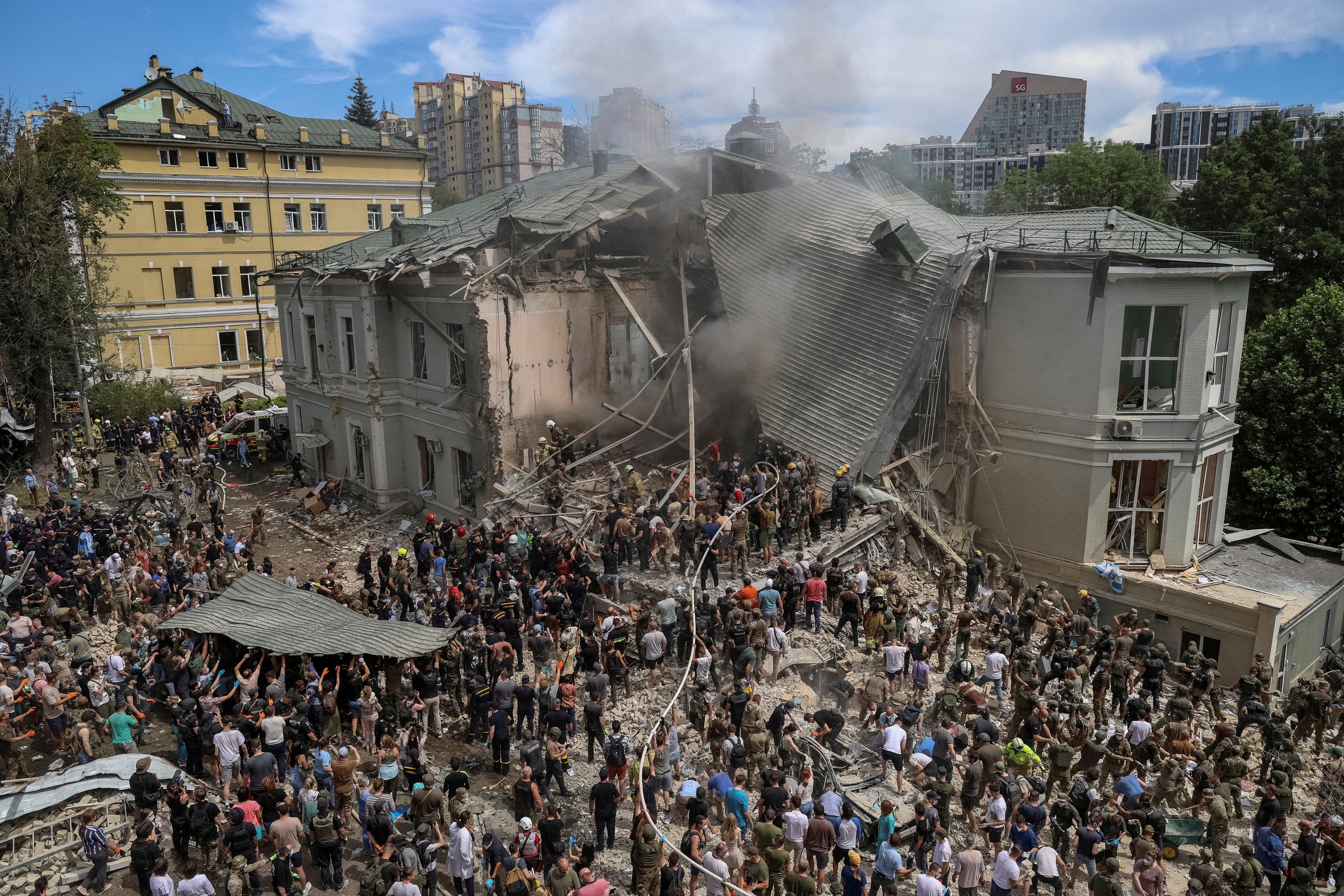
Following incidents involving hospitals, international bodies often call for investigations and accountability. The United Nations Security Council has emphasized the need to protect civilians and uphold international humanitarian law.
However, reaching definitive conclusions can take time due to:
- Limited access to evidence
- Political complexities
- Ongoing conflict conditions
Despite these challenges, continued investigation is essential for transparency and justice.
Why Verified Information Matters
The case of Al-Ahli Arab Hospital demonstrates how quickly narratives can form during a crisis—and how they can evolve as new evidence emerges.
Relying on substantiated information helps:
- Prevent the spread of misinformation
- Support informed public understanding
- Encourage responsible reporting
- Promote accountability
Conclusion
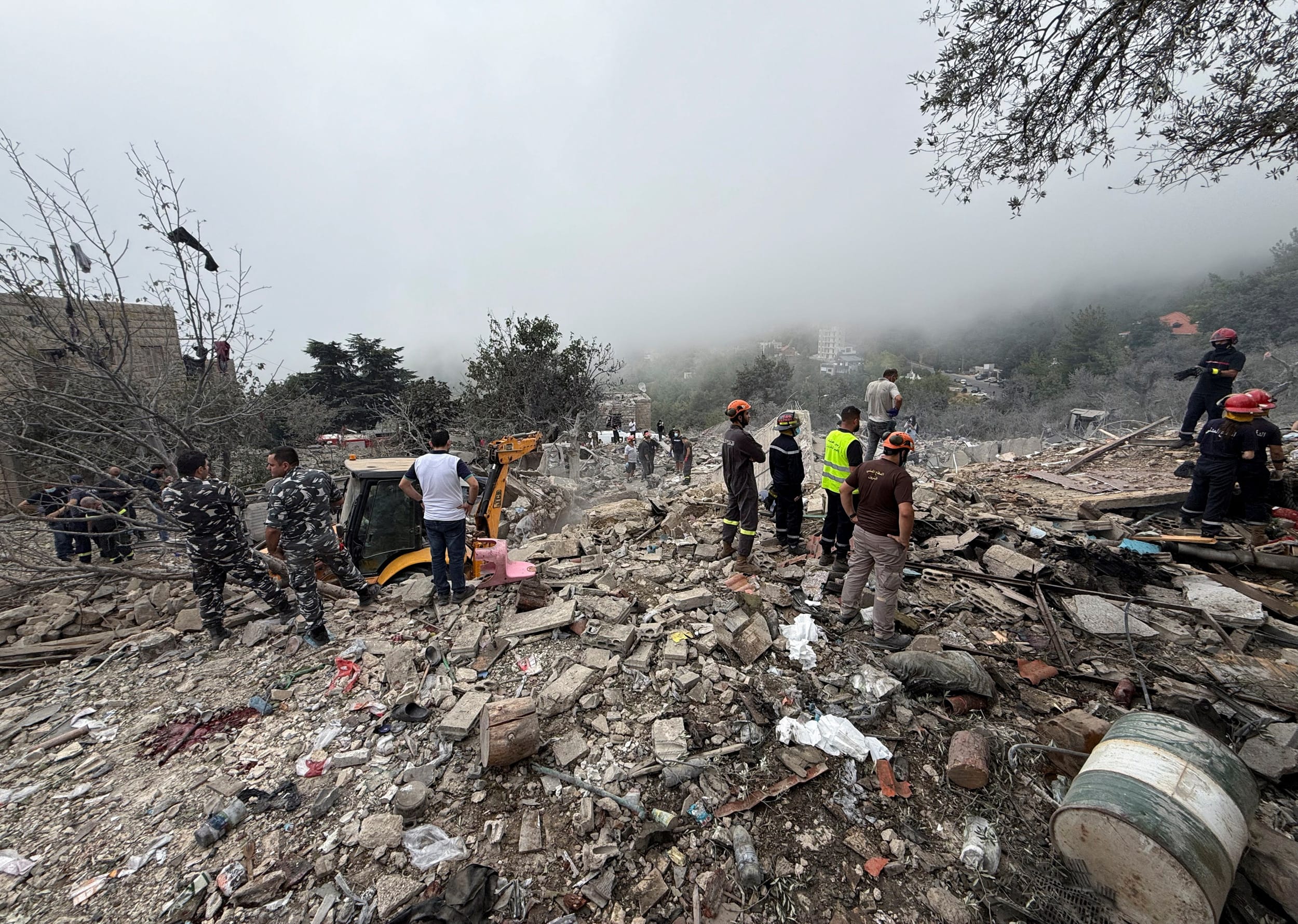
Hospital-related incidents in conflict zones are among the most serious humanitarian concerns. While early reports may be dramatic, verified findings from reputable organizations provide a more accurate understanding of what occurred.
The explosion at Al-Ahli Arab Hospital underscores the importance of careful investigation, reliable data, and adherence to international law.
As conflicts continue to impact civilian infrastructure, the need for transparency, protection, and evidence-based reporting remains more critical than ever.