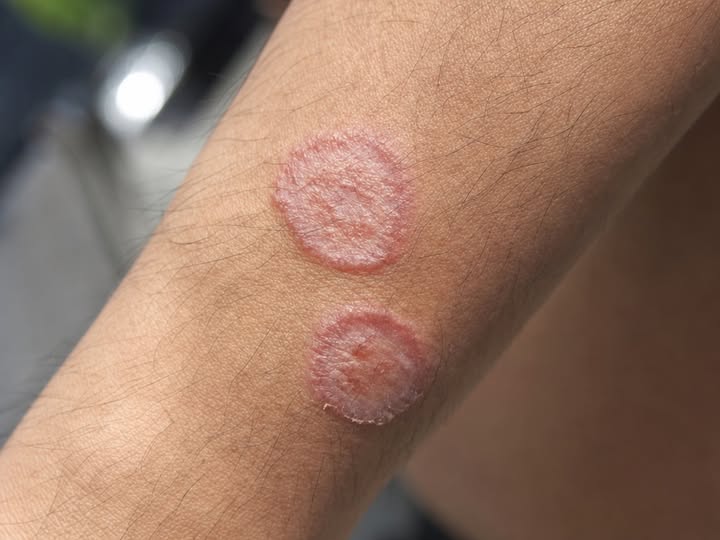
It started with what seemed like a harmless itch.
After enjoying a family picnic on a warm afternoon, Sarah noticed a few red patches appearing on her arms. At first, she assumed it was nothing more than a reaction to grass or a mosquito bite. She applied some lotion and continued with her day.
But within an hour, the rash had spread. She began feeling unusually uncomfortable and noticed that her lips felt slightly swollen. Concerned, she contacted a healthcare professional, who advised her to seek immediate medical attention.
Fortunately, Sarah received prompt care and recovered fully. The experience taught her an important lesson: while many skin irritations are minor and temporary, some can be signs that the body is responding to something more serious.
Our skin often acts as a visible messenger, providing clues about what may be happening inside the body. Understanding those signals can help people make informed decisions about their health without unnecessary panic.
Why Skin Reactions Matter
The skin is the largest organ in the human body. Beyond protecting us from the outside world, it also plays an important role in communicating changes occurring within the body.
Many common skin reactions are harmless and may result from:
- Dry weather
- New skincare products
- Certain fabrics
- Insect bites
- Mild allergies
- Environmental irritants
In most cases, these reactions improve on their own or with simple treatment. However, some skin changes can indicate that the immune system is responding to an allergen or other trigger.
Recognizing the difference between a routine irritation and a potentially serious reaction is an important part of personal health awareness.

The Science Behind Allergic Reactions
An allergic reaction occurs when the immune system mistakenly identifies a harmless substance as a threat.
When this happens, the body releases chemicals such as histamine. These chemicals help the immune system respond, but they can also produce symptoms including:
- Itching
- Redness
- Swelling
- Sneezing
- Watery eyes
- Skin rashes
The severity of these symptoms varies greatly from person to person. Some individuals experience only mild discomfort, while others may develop more significant reactions that require medical attention.
Scientists continue to study why certain people develop allergies while others do not, but genetics and environmental factors both appear to play important roles.
Understanding Hives
One of the most common allergy-related skin reactions is urticaria, more commonly known as hives.
Hives typically appear as raised, itchy welts that can vary in size and shape. They may emerge suddenly and sometimes move from one area of the body to another.
Common triggers include:
- Foods
- Medications
- Insect stings
- Viral infections
- Environmental allergens
Although hives can be uncomfortable, they are often temporary and resolve without long-term complications.
However, healthcare experts emphasize that hives should be monitored carefully when accompanied by additional symptoms affecting breathing or circulation.
When Skin Symptoms Require Immediate Attention
Most rashes are not emergencies. Nevertheless, there are situations where skin symptoms may occur alongside signs of a severe allergic reaction.
Potential warning signs include:
- Difficulty breathing
- Wheezing
- Swelling of the lips or tongue
- Tightness in the throat
- Dizziness
- Faintness
- Rapid onset of symptoms affecting multiple body systems
When these symptoms occur together, they may indicate a severe allergic reaction that requires immediate medical care.
Medical professionals stress that early intervention can significantly improve outcomes.
Anaphylaxis: A Rare but Serious Allergic Emergency
Among allergic reactions, anaphylaxis is one of the most serious.
Anaphylaxis is a severe immune response that can affect multiple systems in the body simultaneously. While relatively uncommon, it requires urgent medical attention.
Potential triggers include:
- Certain foods
- Medications
- Insect stings
- Latex
- Other allergens
One important fact about allergies is that previous exposure does not always predict future reactions. A person may tolerate a substance many times before developing an unexpected allergic response.
This unpredictability is one reason why allergy awareness remains an important public health topic.
Myths and Misconceptions About Skin Reactions
Throughout history, unusual skin conditions have inspired myths, folklore, and misunderstandings.
In some cultures, unexplained rashes were once attributed to supernatural influences or bad luck. Modern medicine has largely replaced these beliefs with scientific explanations based on immunology and dermatology.
Still, misconceptions persist today.
Myth 1: Every Rash Is Serious
Most rashes are minor and temporary. Many result from irritation rather than severe illness.
Myth 2: Allergies Always Stay the Same
Allergic responses can change over time. New allergies can develop, and existing allergies may evolve.
Myth 3: Skin Symptoms Only Affect the Skin
Because the immune system operates throughout the body, skin reactions can sometimes reflect broader physiological responses.
Understanding these facts helps people respond appropriately without unnecessary fear.
Why Early Recognition Matters
Healthcare professionals consistently emphasize the value of early recognition.
When people understand common warning signs, they are more likely to seek guidance when needed and less likely to ignore potentially significant symptoms.
Awareness does not mean assuming the worst. Instead, it means recognizing when a symptom deserves attention.
A balanced approach includes:
- Monitoring new or unusual symptoms
- Consulting healthcare professionals when concerns arise
- Following prescribed treatment plans
- Learning about personal allergy triggers
Knowledge empowers individuals to make informed decisions about their health.
Protecting Yourself From Allergic Reactions
While it is impossible to prevent every allergic reaction, several practical steps may help reduce risk.
Know Your Triggers
If you have known allergies, understanding and avoiding triggers can help minimize future reactions.
Read Labels Carefully
Food products, medications, and skincare items may contain ingredients that trigger allergies.
Follow Medical Advice
Individuals with diagnosed severe allergies should follow guidance from healthcare providers regarding treatment and emergency preparedness.
Stay Informed
Learning about allergy symptoms and response strategies can improve confidence and preparedness.
The Connection Between Skin and Overall Health
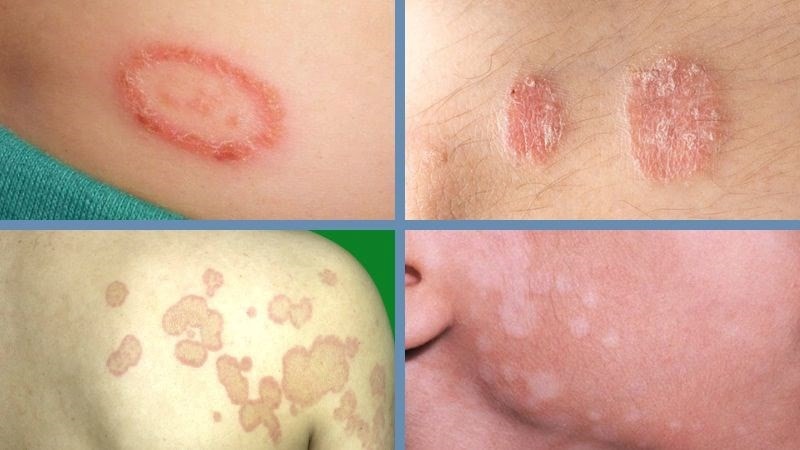
The skin is often described as a window into overall health.
Changes in skin appearance can reflect:
- Allergic responses
- Environmental exposure
- Nutritional factors
- Autoimmune conditions
- Infections
- Hormonal changes
While most skin changes are not dangerous, paying attention to persistent or unusual symptoms can provide valuable insight into general well-being.
The goal is not to become alarmed by every itch or bump, but rather to develop an informed understanding of how the body communicates.
A Reflection on Human Curiosity and Health
Throughout history, people have searched for meaning in the signs their bodies provide. Long before modern medicine, visible changes in the skin sparked questions, stories, and theories about health and illness.
Today, scientific research offers far more reliable answers, helping us understand the remarkable connection between the immune system, the skin, and overall health.
Most skin irritations are minor and temporary. Yet occasionally, they remind us that the body is constantly communicating with us.
The key is neither panic nor dismissal, but awareness. By paying attention to our body’s signals and seeking professional guidance when appropriate, we can make informed choices that support our well-being.
Human curiosity has always driven us to ask questions about the world around us. Perhaps one of the most important places to direct that curiosity is toward understanding the messages our own bodies send every day.
