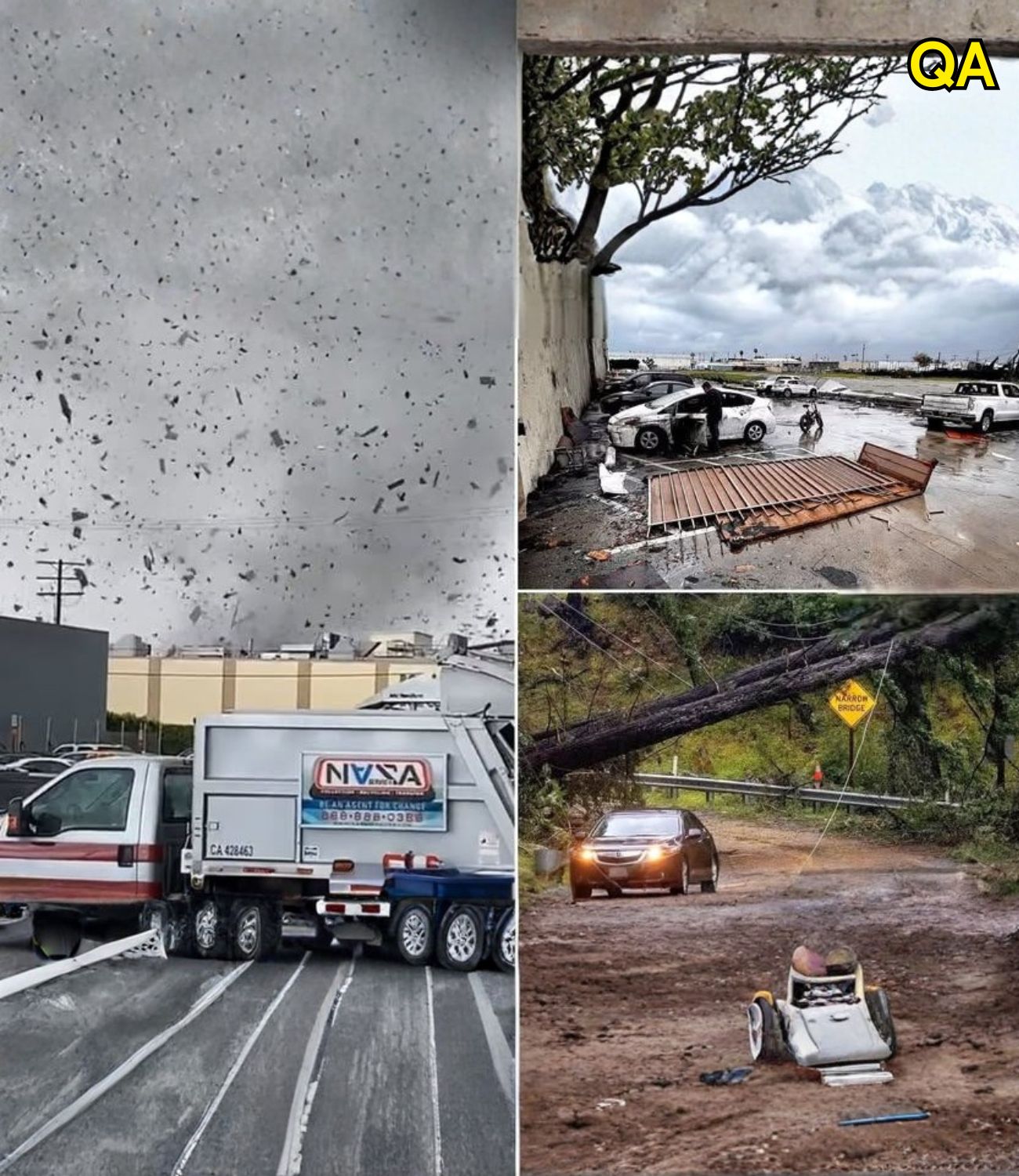
Enhance Your Storm Safety with These Essential Steps
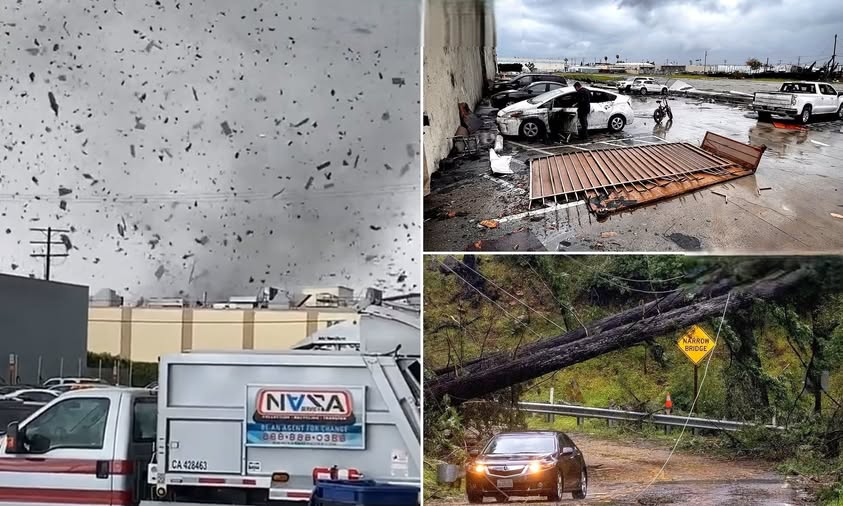
When it comes to storm safety, having a foundational understanding of the basics is crucial. However, enhancing your preparedness by taking additional steps can significantly increase your readiness and confidence as severe weather events approach. This article delves into several additional considerations that not only focus on effective planning but also emphasize the importance of adaptability and stress reduction during uncertain weather conditions.
Understanding the Basics of Storm Safety
At the core of storm safety are key prevention strategies that everyone should be familiar with. These include understanding weather alerts, having an emergency kit ready, and knowing the safest locations in your home. Basic storm safety involves staying informed about weather conditions through local news channels or weather apps that can provide real-time alerts.
Planning Ahead: The Key to Preparedness
A proactive approach is fundamental when it comes to storm preparedness. Families should create comprehensive emergency plans that account for all household members, including pets. Communication is essential, as everyone should know the plan of action in case of a storm. Establishing a designated meeting point outside of the home or neighborhood in case of evacuation can foster a sense of security.
Building an Emergency Kit
One of the most critical elements of storm readiness is having an emergency supply kit. This kit should include non-perishable food, water, first aid supplies, flashlights, batteries, and necessary medications. Regularly reviewing and updating the kit ensures that supplies are not expired and that it meets the family’s changing needs.

Staying Adaptable During Crises
Weather events can be unpredictable; hence, it is vital to stay adaptable. Monitor updates and be prepared to adjust your plans as new information emerges. Flexibility in your response can lead to better outcomes, both for personal safety and community resilience.
Reducing Stress in Uncertain Conditions
Severe weather can induce anxiety; thus, managing stress during such times is essential. Engaging in relaxation techniques, such as deep breathing or mindfulness practices, can be beneficial. Additionally, having conversations about concerns and ways to cope with fear can be incredibly supportive for families and communities.
Community Engagement and Support
Communities play a vital role in storm safety. Engaging with local organizations and participating in community preparedness training can provide valuable knowledge and resources. Strong community ties can ensure that people look out for one another during crises and that those who need assistance receive it.
Emergency Services and Local Resources
Knowing the local emergency response services and resources available can enhance safety during storms. These resources often include shelters or evacuation centers, which can be critical during severe weather. Maintaining a list of emergency contacts can also be a lifeline in times of need.
The Role of Technology in Storm Preparedness
In the modern age, technology offers unprecedented tools for storm preparedness and response. Smartphone apps that provide weather alerts, emergency contact management, and real-time tracking of storms can enhance individual preparedness. It is also wise to familiarize oneself with social media channels of local emergency management for timely updates.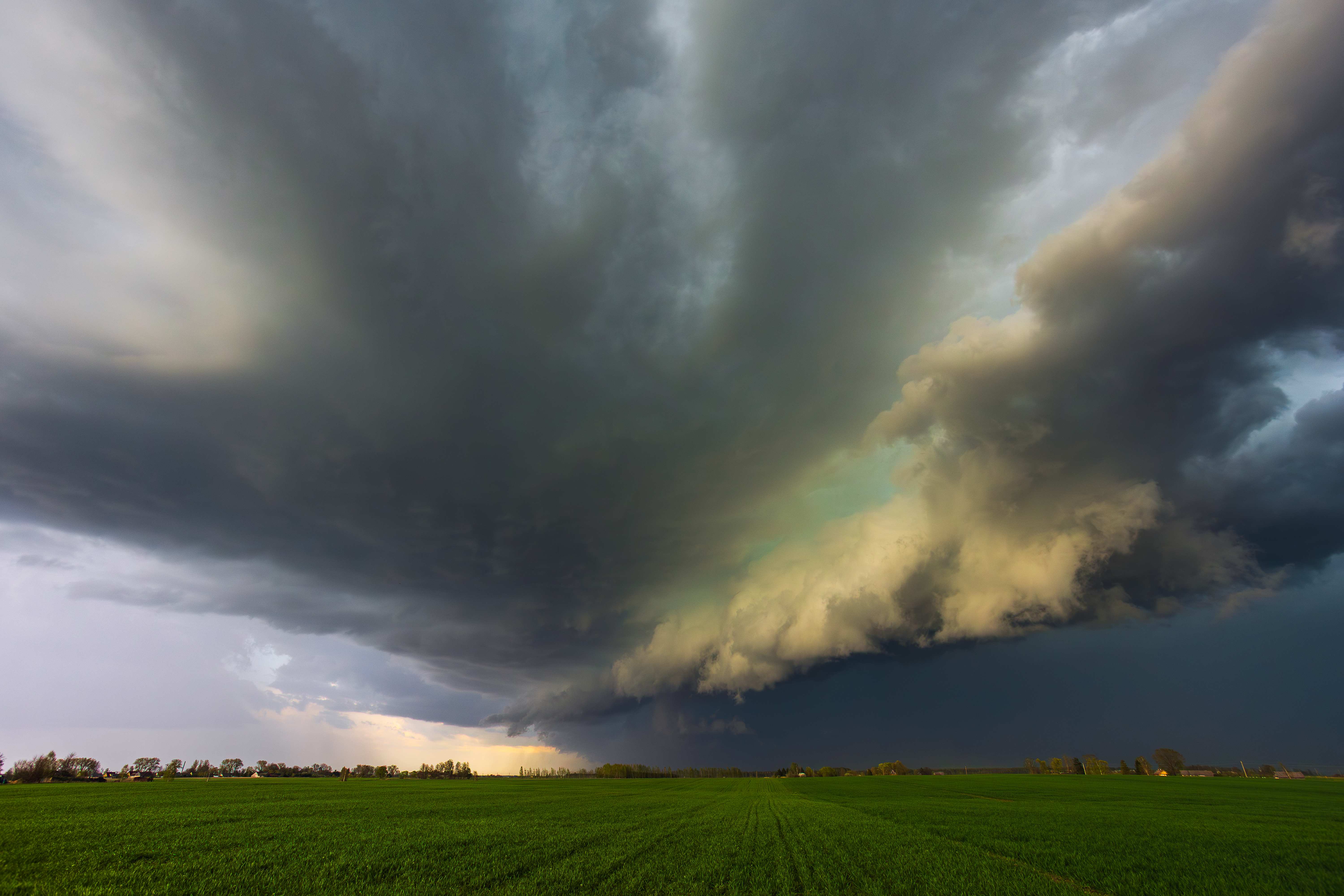
Educational Resources and Training
Educating yourself and your family about weather patterns and the specific dangers of storms can empower individuals to make informed decisions. Online courses, workshops, or local classes on disaster preparedness can provide invaluable information that may save lives.
International Perspectives on Storm Preparedness
Countries around the globe approach storm preparedness in various ways, often influenced by their geographical circumstances and available resources. For instance, nations frequently afflicted by hurricanes have developed extensive evacuation networks and public education systems, contrasting with areas that may have fewer resources or experience different types of storms.
The Importance of Post-Storm Recovery
While preparedness is crucial, recovery from storms is an equally important phase that communities often overlook. Having a post-storm recovery plan can facilitate faster renovations and support mental health. After severe weather events, it is essential to assess the damages, prioritize safety, and reach out for assistance when necessary.
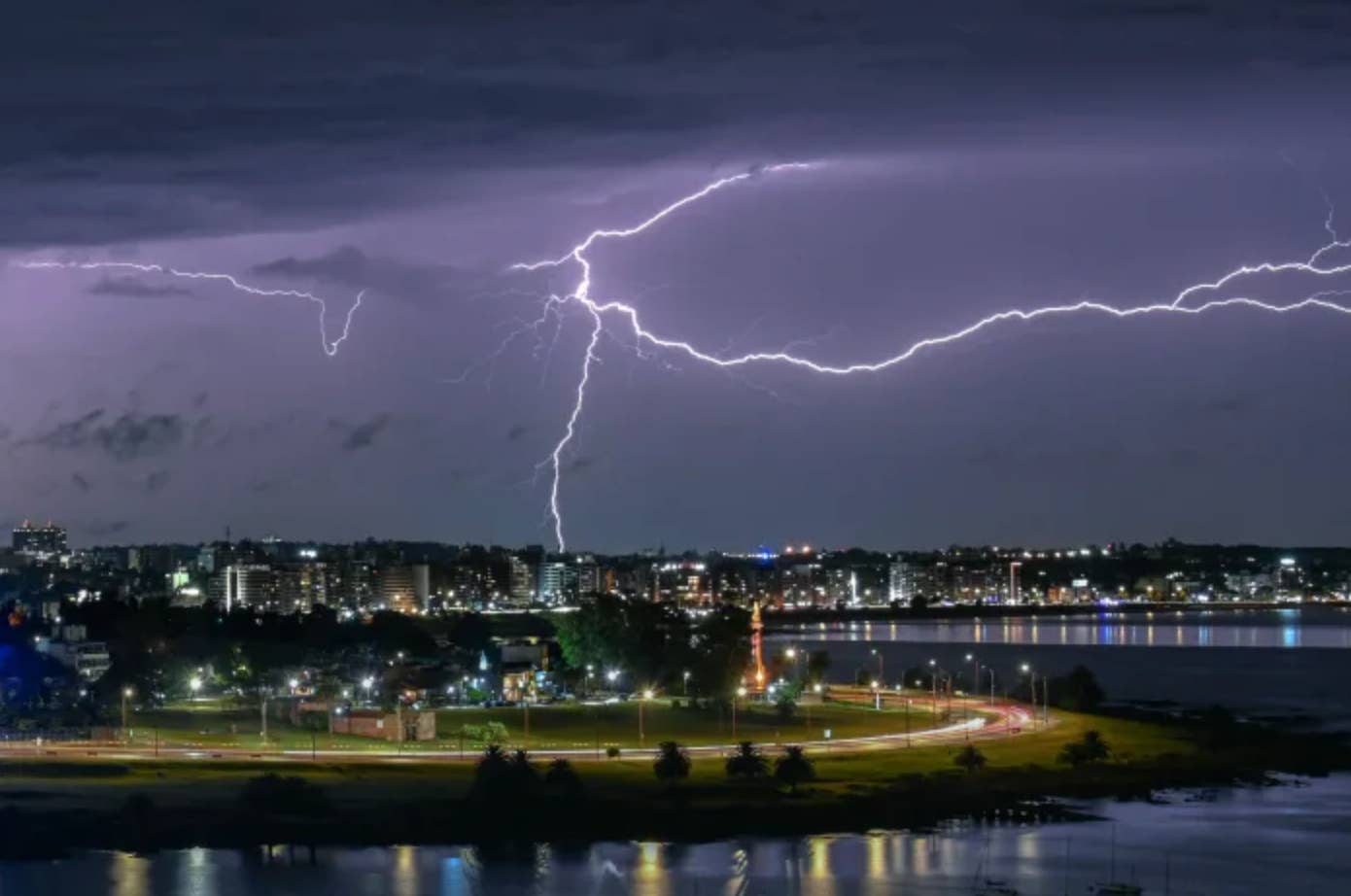
Conclusion: Being Prepared Saves Lives
In conclusion, while knowing the basics of storm safety is essential, these additional steps can enhance your confidence and resilience against severe weather. By planning ahead, staying adaptable, and reducing stress, you and your community can be better prepared to face storm challenges. Being well-prepared not only safeguards your life but also strengthens your community’s response and recovery efforts.
Sources
- Reuters
- BBC
- Al Jazeera
- The Guardian
- World Health Organization
- Centers for Disease Control and Prevention
- Mayo Clinic