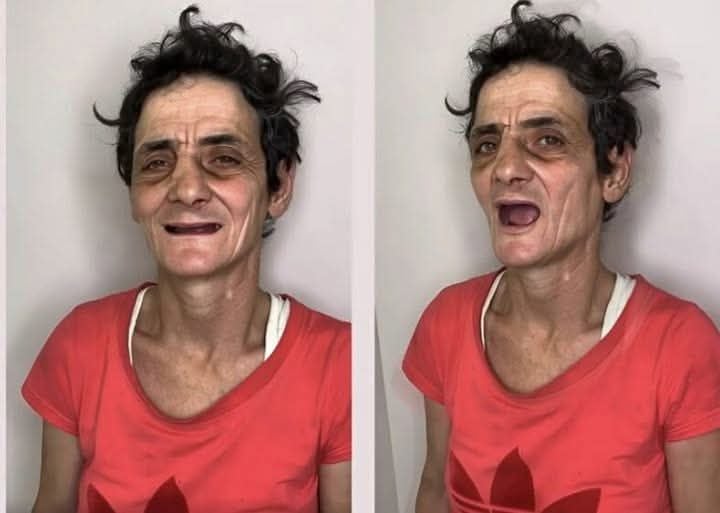
Before anyone else noticed her fading, Rita had already accepted it. She walked through the city wrapped in an invisible cloak — not the kind that hides you, but the kind that convinces you you’re not worth noticing in the first place. Years of exhaustion had carved themselves into her features: cheeks thinning from skipped meals, lips cracked from a winter spent outdoors, eyes holding a fog of both fatigue and something deeper she struggled to name.
Crowds flowed around her with the efficiency of water navigating a rock. No one meant harm; they were simply busy, distracted, absorbed in their own momentum. Rita had long stopped blaming them. In a world that moved so quickly, she understood how easy it was to overlook what wasn’t polished, bright, or whole.
Yet each passing face, each step taken around her, pressed the same message deeper into her bones: You don’t belong here anymore.
It was a thought she carried like a weight, one so familiar she barely noticed it pressing against her chest. Until one cold morning when she crossed paths with someone who didn’t step around her — someone who stopped.
The Unexpected Pause
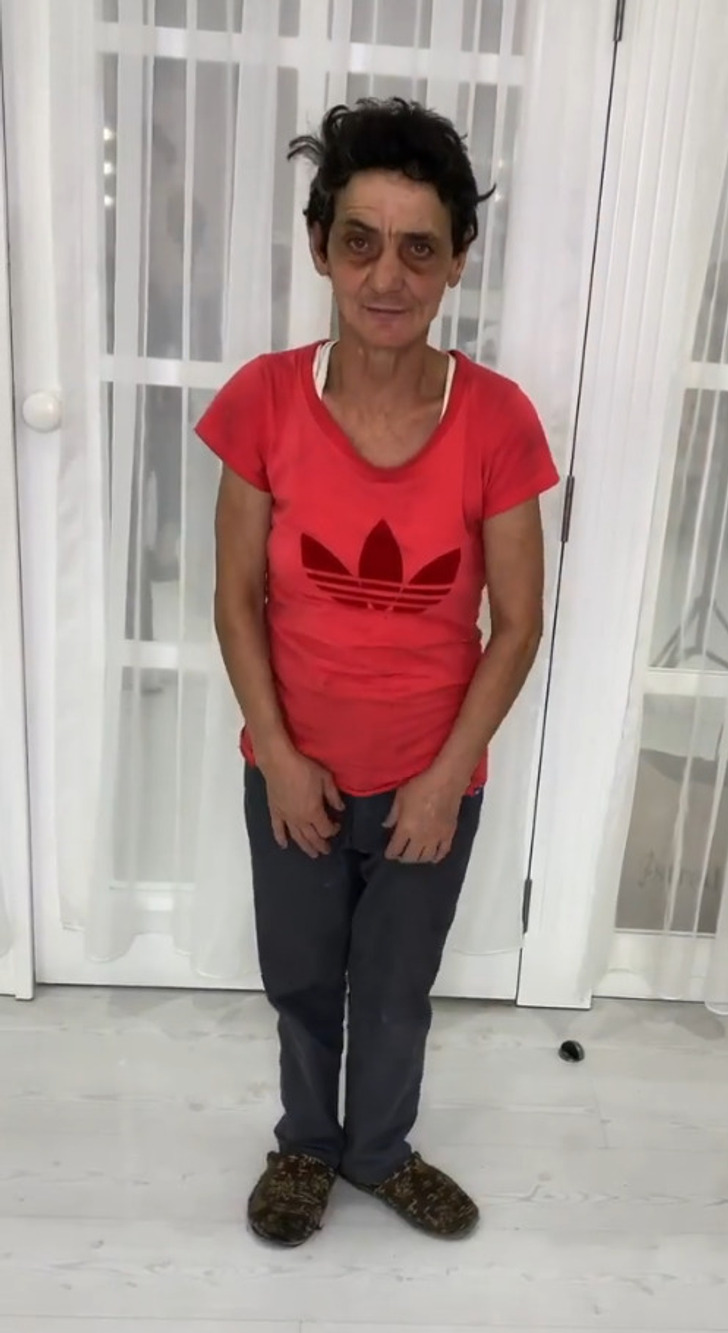
The salon had always been there, tucked neatly between a pharmacy and a café, its windows steamed from hot tea and warm conversations. Rita often passed it, watching people walk out with glossy hair, fresh confidence, and laughter that reached their eyes. She never imagined herself stepping inside.
But that morning, something small broke. Maybe it was the ache in her feet. Maybe it was the way her reflection in the pharmacy window startled her — a flash of a stranger she didn’t recognize. Or maybe it was simply the need to rest her shaking hands for a moment.
Whatever it was, she found herself pushing the salon door open.
The bell chimed, and the warmth inside hit her like a memory of another life. She almost turned around. She expected the attendant to look her up and down, to hesitate, to gently suggest a price she could never afford. Instead, the woman behind the counter — Shafag — looked at her with a softness that made Rita feel exposed in a way she hadn’t expected.
“Come in,” she said, as if inviting an old friend, not a stranger carrying years of exhaustion.
Rita stepped closer, unsure whether to stay or apologize for intruding.
“Just sit,” Shafag said, pulling out a chair. “You look like you need a moment.”
And for the first time in a long time, Rita didn’t argue.
A Kindness Without Conditions
When Shafag draped the cape over Rita’s shoulders, the simple act felt like a gesture of dignity. Rita had grown used to shrinking — folding herself into corners, hunching her shoulders, avoiding eye contact. The salon chair felt foreign. Too open. Too exposed.
She braced for questions — the kind of curious probing that made her guard herself even tighter.
But the questions never came.
Instead, Shafag asked, “What makes you feel most like yourself?”
Not What happened to you?
Not Why do you look so tired?
Not Are you okay?
Just one gentle question that pointed not toward her past, but toward the smallest ember of who she still might be.
Rita didn’t know how to answer. She hadn’t felt like herself in years. But something inside her eased. Maybe it was the steam from the warm towel pressed against her temples. Maybe it was the scent of lavender shampoo filling the air. Or maybe it was the unspoken message behind the question: You matter enough to ask.
As the scissors began tracing away damaged strands, she felt years of neglect — both self-inflicted and circumstantial — slowly lift from her shoulders.
“This doesn’t have to be a rescue,” Shafag murmured. “Just a beginning.”
Rita closed her eyes. For the first time in a while, she believed that might be true.
More Than a Makeover
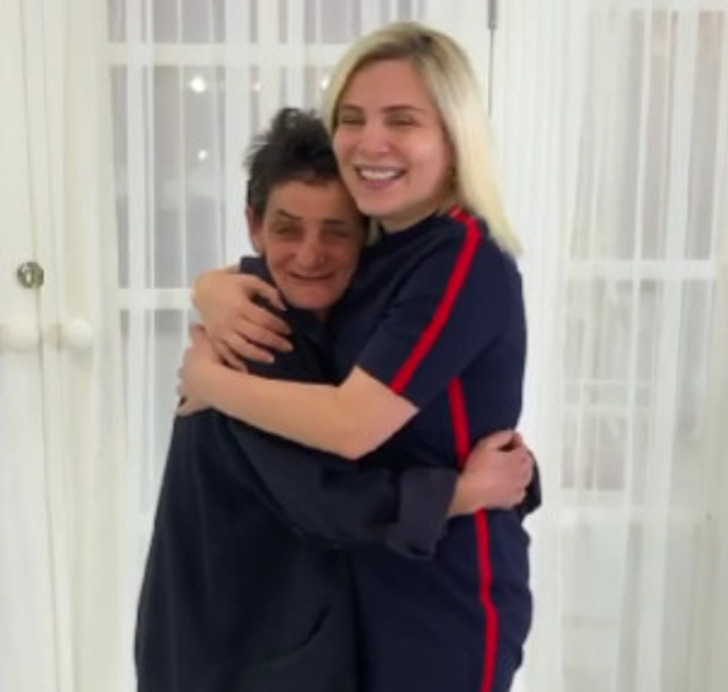
Hour by hour, the room softened around her. She didn’t feel rushed or out of place. Shafag moved with the careful precision of someone who understood that transformation begins far beneath the surface.
The cracked skin around Rita’s hands was massaged with warm oil. Her tangled hair was gently detangled, not tugged. When she flinched from the unfamiliar kindness, Shafag stayed steady.
“You don’t have to earn being cared for,” she said quietly, smoothing a strand of hair away from Rita’s face.
Rita’s breath hitched. Care without conditions felt like a language she had forgotten.
She remembered earlier years — the version of herself who once laughed easily, who made plans, who trusted the future. That girl felt distant, like a silhouette behind fogged glass, but for the first time, Rita felt the faint sense that she hadn’t disappeared entirely.
Maybe she had simply been waiting for a moment like this.
The Mirror That Held a New Story
When Shafag finally turned the chair toward the mirror, Rita almost didn’t look. Mirrors had become sharp objects in her life — reflections of all the ways she believed she had disappeared.
But she lifted her eyes.
The face staring back wasn’t flawless. It wasn’t made-up or polished to perfection. It was something better: human, alive, beginning.
Her cheeks had regained color. Her hair framed her face instead of hiding it. The exhaustion wasn’t gone, but it no longer swallowed her whole. She looked like a person standing on the threshold of returning to her own life.
“It’s… me,” she whispered.
“It always was,” Shafag replied. “You just needed to see it again.”
Rita blinked, and for the first time in months, the reflection didn’t feel like a stranger.
A New Way of Moving Through the World
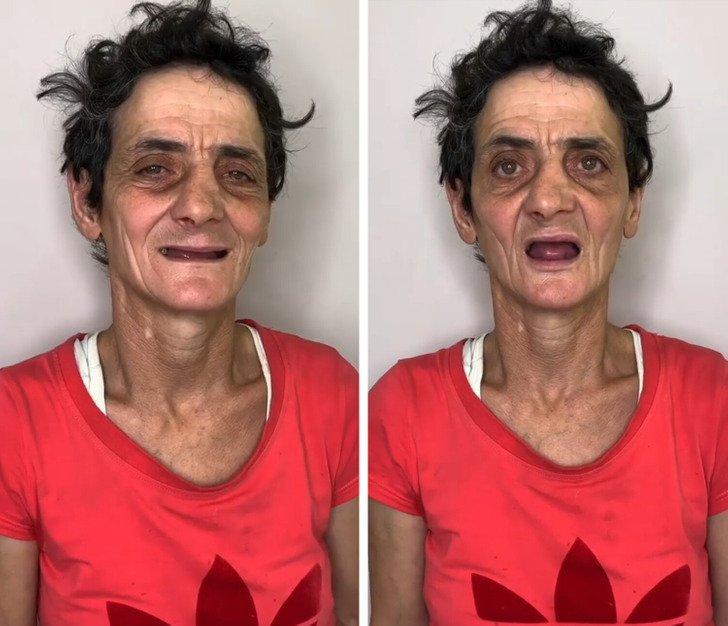
When Rita stepped back onto the street, she noticed something astonishing: her shoulders were no longer hunched. Her steps were steadier. She didn’t look for shadows to slip into or corners to disappear behind. She stood taller, aware not of how people saw her, but of the fact that she deserved to take up space like anyone else.
She noticed details she had forgotten — the crisp bite of morning air, the distant hum of traffic, the scent of fresh bread from the café next door. Life didn’t feel like something happening without her. It felt like something she might be allowed to reenter.
As she walked forward, she no longer wondered whether people were watching her or avoiding her. Instead, she held onto the quiet truth revealed in that salon chair: she had worth that wasn’t determined by her past, her reflection, or the circumstances that had worn her down.
For the first time in years, the road ahead didn’t look like a place she had to escape. It looked like a place she was allowed to arrive.
The Power of Being Seen
Rita didn’t transform in a single afternoon. Life isn’t that simple. But something had shifted — a hinge, a doorway, a small internal click that sounded like possibility. She realized that healing often begins in the smallest, most ordinary moments: a chair, a question, a pair of hands working gently, a stranger choosing to stop instead of walking past.
The world hadn’t changed overnight. But Rita had changed in the way she stood, the way she breathed, the way she looked at her own reflection.
Sometimes the greatest turning points come not from grand gestures, but from simple acknowledgments:
You deserve to be here.
Your life still has room to grow.
You haven’t been forgotten — not even by yourself.
That day, one person’s patience became the spark that helped Rita step back into her own life — not as someone rescued, but as someone who finally remembered she had always been worth saving.