Most of the time, your kidneys perform their work quietly in the background. These two small organs filter waste, regulate fluid levels, help balance minerals, and support healthy blood pressure. Because they operate so consistently and with such little fanfare, it is easy to forget how essential they are. Yet when the kidneys begin to struggle, the earliest signs can be surprisingly subtle. Many people overlook them or assume the symptoms are caused by stress, aging, or everyday habits.
While only a medical professional can evaluate kidney function, being aware of certain patterns in the body can help you know when it may be time to seek guidance. None of these signs on their own confirm a kidney problem — many have a wide range of possible explanations — but noticing changes and discussing them with a clinician is a proactive way to protect your overall health.
Below are 23 subtle or unusual signs that may appear when the kidneys are under increased strain.
1. Persistent Puffiness Around the Eyes
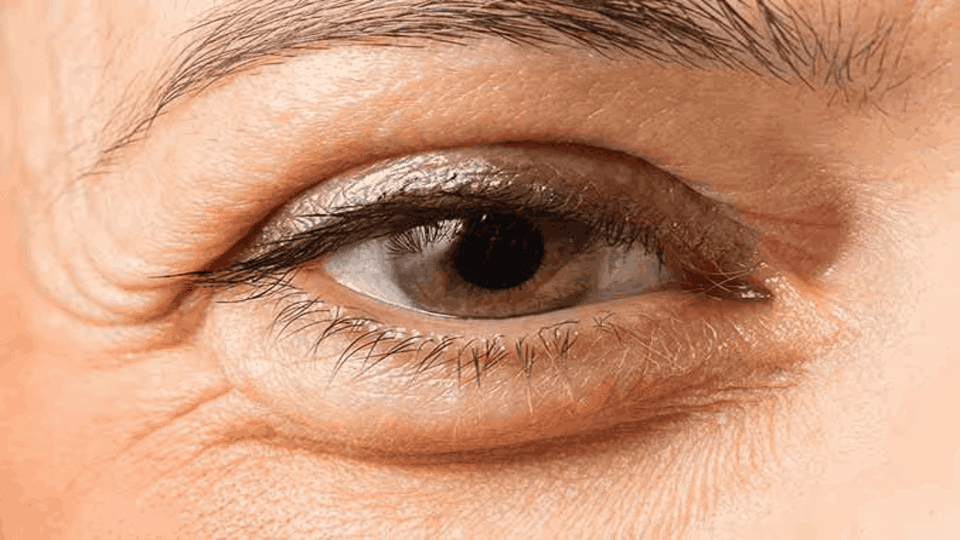
When the delicate tissue around the eyes appears swollen, especially in the morning, some people mistake it for lack of sleep or allergies. Occasionally, persistent puffiness is a sign that the body is retaining more fluid or protein than usual, something healthcare providers may evaluate when checking kidney function.
2. Changes in Urine Appearance

Foamier or more bubbly urine can happen for many reasons, including faster urination or concentrated fluids. But persistent changes sometimes prompt clinicians to explore whether the kidneys are filtering efficiently.
3. Swelling in the Ankles or Feet

Fluid buildup around the lower legs is one of the more noticeable signs that the body may not be managing fluids as effectively. This can occur in many conditions, so it should always be evaluated in the proper medical context.
4. Decreased Appetite

Some people experience a gradual reduction in appetite when their body’s internal chemistry shifts. This is not specific to kidney health, but it is commonly reported by individuals who later discover they have imbalances that require medical attention.
5. Metallic Taste or Changes in Flavor
One of the stranger signs people mention is a metallic taste in the mouth or food suddenly tasting different. Because the kidneys help filter waste from the blood, some individuals notice changes in taste when these processes shift.
6. Breath That Smells Different

Occasionally, people describe breath that smells like ammonia or has an unusually strong odor. Hydration, diet, and oral health all play major roles in breath changes, but clinicians sometimes explore kidney-related causes in persistent cases.
7. Unexplained Fatigue
Feeling tired is universal, but in some cases, fatigue persists despite good sleep, balanced nutrition, and healthy habits. When the body is not filtering waste as efficiently, individuals may feel more worn down than usual.
8. Difficulty Concentrating
Trouble focusing, slower thinking, or mental “fog” can be associated with many lifestyle factors, from stress to lack of sleep. Occasionally, people with kidney strain report a similar foggy feeling because their body is not regulating certain compounds as consistently.
9. Muscle Cramps, Especially at Night
Muscle tightness or cramping — particularly in the legs — may relate to shifts in minerals, hydration, and electrolyte balance. Since the kidneys help regulate minerals, this symptom is sometimes noted in kidney evaluations.
10. Itchy Skin Without a Rash
Dry or itchy skin can result from soap, allergies, climate, or hydration. In some cases, healthcare providers check kidney function when skin symptoms persist without a clear cause.
11. Sensitivity to Cold
Feeling colder than usual or needing more layers than those around you can reflect changes in metabolism, circulation, or hormone function. Some individuals with kidney stress report a similar pattern.
12. Dizziness or Lightheadedness
Feeling dizzy when standing up too quickly can be related to blood pressure changes or hydration — two areas closely tied to kidney function. This sign alone is nonspecific, but it becomes more meaningful when combined with other symptoms.
13. Shortness of Breath
Breathlessness can occur for countless reasons, from fitness level to respiratory conditions. Occasionally, medical teams look at fluid balance or kidney function when shortness of breath becomes persistent and unexplained.
14. Restless Sleep
Many people dealing with kidney strain mention difficulty sleeping, either due to discomfort, anxiety, or waking frequently to urinate. Sleep disturbances can affect overall health, so they often become part of a broader evaluation.
15. More Frequent Nighttime Urination

Needing to urinate several times during the night can sometimes reflect shifts in how the kidneys manage fluid. Increased nighttime urination has many causes, including aging, hydration habits, or bladder issues, so a clinician’s evaluation is essential.
16. Flank or Lower Back Discomfort
Discomfort near the sides of the lower back — where the kidneys sit — can come from muscle tension, exercise, or posture. Still, persistent flank discomfort sometimes prompts doctors to examine kidney health.
17. Swelling in the Hands or Abdomen
Fluid retention does not always appear in the legs. Some individuals notice puffiness in the hands or a feeling of fullness around the abdomen. Again, this symptom has many potential explanations.
18. Changes in Skin Tone
Some people with kidney strain describe their skin appearing dull or slightly discolored. Because the kidneys help maintain chemical balance, shifts in filtering efficiency can occasionally show up in the complexion.
19. Strong Cravings for Ice
Craving ice is more commonly associated with certain nutritional imbalances, but a few individuals with long-term kidney concerns report similar cravings. When cravings become persistent, clinicians usually explore diet and bloodwork.
20. Nausea or Queasiness
Feeling unsettled or mildly nauseated, especially in the morning, can result from numerous conditions. Healthcare professionals sometimes look at kidney function when nausea persists without a gastrointestinal explanation.
21. Mood Changes
Irritability, anxiety, or low mood may arise when the body is under stress. Some individuals report changes in mood when their kidneys are not regulating certain compounds as effectively.
22. Dark Circles or Tired-Looking Eyes
While often caused by fatigue or dehydration, darker circles under the eyes sometimes appear when the body is retaining fluid or not balancing minerals as usual.
23. Increased Sensitivity to Medication
People with kidney strain occasionally find that medications affect them more strongly, because the body processes certain substances differently when filtration rates change.
Why Recognizing These Signs Matters
Noticing changes in your body is not the same as diagnosing yourself. Many of these signs overlap with common issues like dehydration, stress, lack of sleep, or diet. But paying attention can help you communicate more clearly with a healthcare provider.
Kidney conditions often develop gradually, and early detection allows for earlier intervention. A clinician may order simple blood or urine tests to evaluate kidney function and rule out other causes.
When To Seek Medical Guidance

Any persistent combination of these signs — especially when accompanied by swelling, changes in urination, unusual tiredness, or discomfort — is worth discussing with a medical professional. They can assess your symptoms, look at your health history, and determine whether additional testing is appropriate.
Final Thoughts
Your kidneys work quietly, but they are constantly communicating through subtle shifts in your body. Recognizing these 23 signs does not mean assuming the worst; it simply means being attentive. The best approach is awareness paired with professional guidance. When something feels different and stays different, paying attention and seeking advice can make a meaningful difference in maintaining long-term health.