Why Are There Weird White Bumps on My Eggshells—and Should You Worry?
Introduction: Decoding Eggshell Imperfections
Cracking open a fresh egg is typically a reassuring experience, marked by the smooth, clean shell that signifies both freshness and quality. However, for many backyard chicken keepers and consumers alike, finding tiny rough white bumps—chalky and uneven—can spark concern about the egg’s safety and the health of the hen. These seemingly mysterious imperfections are more common than many realize and often hold clues about the hen’s internal well-being, environmental conditions, and nutritional balance.
Understanding why these bumps appear and what they mean is essential for anyone invested in poultry care, food safety, or nutrition. In this comprehensive guide, we’ll explore the science behind eggshell formation, the most frequent causes of rough eggshell textures, expert advice on what to look for, and practical steps to ensure your flock—and your breakfast—remain healthy and safe.
The Anatomy of an Eggshell: Formation and Function
The eggshell is a complex biological structure designed to protect the developing embryo or, in the case of table eggs, the contents we eat. Formed mainly of calcium carbonate, the shell is deposited in the hen’s oviduct during the last stages of egg formation. This process is tightly regulated by the hen’s physiology and is influenced by her age, diet, and environmental stressors.
A healthy eggshell is normally smooth and uniform, but minor variations can occur even in optimal conditions. These variations—such as small bumps—often reflect fleeting changes in the hen’s body or environment.
Identifying Those Rough White Bumps
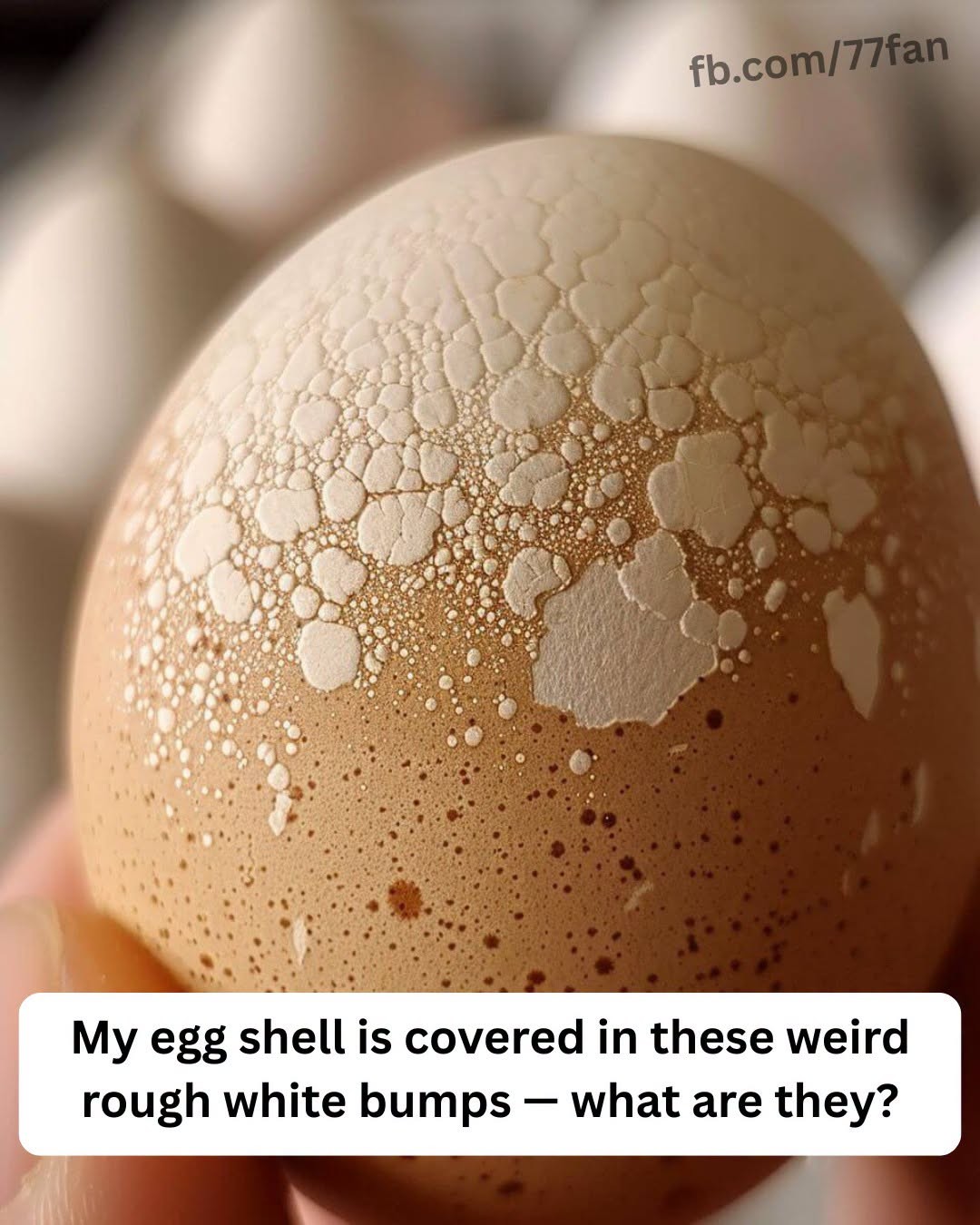
The appearance of rough white bumps or pimples on the eggshell typically indicates extra calcium deposits. These deposits can form for several reasons: the hen’s body may have had trouble regulating calcium during shell formation, or she may have consumed too much supplemental calcium before laying.
These bumps can manifest in several ways:
- Small, scattered pimples across the surface
- Thick patches or clusters concentrated in one area
- A gritty, sandpaper-like texture
In most cases, these anomalies are harmless and do not compromise the egg’s safety or quality for consumption.
Calcium: The Essential Mineral and Its Challenges
Calcium is vital for strong, protective eggshells. Each laying hen requires roughly 4 grams of calcium daily, a need typically met by balanced layer feeds. Supplemental calcium sources—oyster shells, limestone, or calcium-rich kitchen scraps—are commonly provided by backyard keepers to ensure shell quality.
However, too much calcium can lead to problems. When hens ingest excess calcium, their bodies may not distribute it evenly, resulting in those characteristic white bumps as the surplus is deposited on the shell’s exterior. This does not usually pose a risk, but consistently rough, over-calcified shells may indicate a need to adjust supplementation.
When Are Eggshell Imperfections Normal?
Nature’s processes are rarely perfect, and shell irregularities are a natural part of egg laying. Occasional rough patches are especially common under certain circumstances:
- Hens just beginning to lay (“pullets”) as their bodies adjust to new reproductive cycles
- During times of adaptation, such as after a dietary change
- Following minor environmental stress, such as heatwaves, loud noises, or the introduction of new birds
- In older hens whose systems are not as finely tuned as in their prime
If your hens are active, eat well, and don’t exhibit symptoms of illness, the occasional bumpy shell does not usually warrant concern.
The Role of Nutritional Balance in Eggshell Formation
Calcium supplementation is only part of the equation. For hens to properly absorb and utilize calcium, their nutrition must also include adequate amounts of vitamin D3, phosphorus, and protein. Deficiencies or imbalances in these nutrients can affect shell quality as much as excess calcium.
Common nutritional mistakes include:
- Over-supplementing calcium without providing enough vitamin D3
- Feeding too many treats that dilute the nutritional balance of regular layer feed
- Using feed formulated for other poultry or incorrect stages of development
Ensuring hens have access to a nutritionally complete feed, fresh water, and supplemental sources only as needed is key to avoiding shell problems.
Environmental and Physiological Factors
Beyond nutrition, several external and internal factors influence shell surface quality. Stress—whether from heat, overcrowding, predators, or frequent handling—can temporarily disrupt the shell-forming process. Illness or underlying physiological issues may also manifest as shell roughness.
Additionally, older hens tend to lay eggs with more irregular shells. Age-related changes in calcium metabolism and reproductive function are well-documented and considered normal in backyard and commercial flocks.
Expert Views and Veterinary Insights
Poultry veterinarians and agricultural experts emphasize the importance of monitoring overall flock health, not just individual eggs. Occasional imperfections are expected, but a persistent pattern of rough shells, accompanied by other symptoms (such as lethargy, reduced appetite, or abnormal droppings), may signal underlying health issues that require intervention.
According to the CDC and the Merck Veterinary Manual, owners should regularly review complete diets, check for signs of stress or illness, and maintain proper coop hygiene. If concerns persist, consult an avian veterinarian for diagnostic advice.
International Perspectives on Eggshell Quality
Eggshell quality is a focus not only for backyard keepers but for commercial producers globally. Variation in shell appearance is influenced by breed, feed, and local environmental conditions. In countries with robust food safety regulations, eggs are graded and inspected for quality, with rough-shelled eggs typically not considered a danger to human health unless accompanied by cracks or contamination.
Consumers worldwide are advised to check eggs for cleanliness and intact shells before use, regardless of minor surface deviations.
Ensuring Safe, High-Quality Eggs
If you encounter eggs with rough white bumps:
- Inspect the rest of the shell for cracks or major defects
- Clean the egg with a dry cloth or gentle brush (avoid washing unless necessary, as water can facilitate contamination)
- Check your hen’s diet and environment for potential stressors
- Monitor overall flock health over time
Most bumpy eggs are safe to eat unless there is visible contamination or foul odor. Shell imperfections alone do not indicate spoilage or structural weakness.
When to Worry: Warning Signs to Watch For
While most bumps are benign, certain patterns warrant closer attention:
- Persistent shell roughness affecting many eggs
- Accompanying symptoms such as feather loss, decreased egg production, or behavioral changes
- Other abnormalities like very thin shells or misshapen eggs
These may be indicators of underlying health, nutritional deficiencies, or environmental stress. Consult poultry experts or veterinarians to address ongoing issues.
Practical Tips for Backyard Flock Owners
Maintaining healthy hens and consistent egg quality involves:
- Providing a nutritionally balanced layer feed suitable for the flock’s stage and breed
- Offering clean water at all times
- Supplying calcium supplements only as needed and monitoring intake
- Reducing stress by maintaining proper housing, minimizing noise, and limiting sudden environmental changes
- Observing your hens daily for signs of illness or distress
Educate yourself on best practices for poultry nutrition and exercise proactive care. Most eggshell imperfections resolve naturally with improved management.
Conclusion: Eggshells as Health Indicators
Eggshells serve as a report card for the laying hen’s internal and external environment. Tiny rough white bumps are usually harmless, reflecting brief shifts in calcium balance, stress, or dietary changes. By monitoring the overall health and welfare of your flock, understanding nutritional needs, and practicing thorough care, you can enjoy safe, high-quality eggs with confidence.
Occasional shell imperfection is normal and should not cause alarm unless associated with broader health concerns. If in doubt, seek advice from professionals and adhere to recommended poultry care standards.
Sources
- CDC: Poultry and Egg Safety
- Reuters: Food Safety & Agriculture
- BBC: Egg Production and Industry Insights
- Al Jazeera: Food Safety Regulations
- The Guardian: Egg Nutrition and Safety
- Merck Veterinary Manual: Poultry Health
- Mayo Clinic: Nutrition and Food Safety
Disclaimer: This content is intended for entertainment purposes only and is not based on real events.