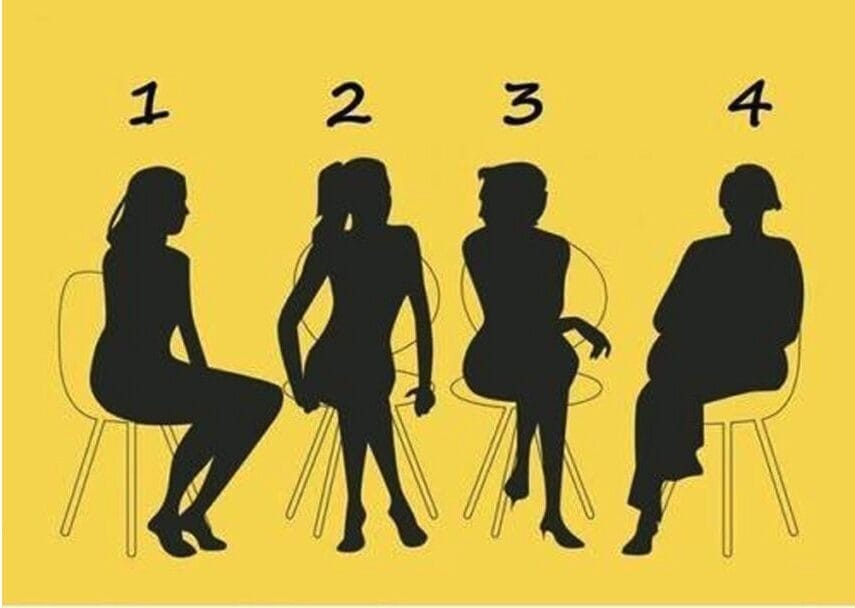
Which Woman Looks the Oldest? The Intriguing Science Behind Viral Visual Personality Tests
Personality quizzes have captivated social media users for years, repeatedly appearing on Facebook feeds and in group chats. The widespread appeal of these quizzes derives from a fundamental human desire: the urge to learn new things about ourselves, even in playful, unexpected ways. In particular, visual personality tests—those that ask us to make snap judgments based on an image—have become especially popular, sparking millions of shares and conversations online.
Understanding Visual Personality Tests
At first glance, visual personality tests seem simple and lighthearted. Yet, much of their allure lies within the fascinating split-second reactions they trigger. Before logical reasoning takes over, the human brain automatically notices details, forms impressions, and judges what’s presented. This process is deeply influenced by subconscious experience, emotional habits, and cultural context—making these tests a fun and revealing window into our instinctive personalities.
It’s crucial to note that while entertaining, these quizzes lack scientific rigor or psychological validation. There is no evidence that a single image can determine one’s character or destiny. Nevertheless, by inviting participants to trust their immediate reactions, such tests encourage playful introspection and offer fleeting insights into how we perceive ourselves and others.
The Latest Viral Quiz: Which Woman Looks the Oldest?
One recent viral visual personality test poses a deceptively simple question: Which woman looks the oldest to you? The image features four women. Participants are instructed to pick the one who instinctively feels oldest, without analyzing every detail or overthinking. According to the theory behind the quiz, your answer provides clues about your personality and interpretation of people.
Of course, the outcomes are not definitive, and human identity cannot be boxed into a single category. Still, the fascination comes from seeing how two people can view the same image and arrive at different conclusions, reflecting the diversity of perception and experience. Let’s examine what your choice might suggest about your personality—while remembering to take these interpretations with a grain of salt.
If You Picked Woman #1
This choice suggests you may value calmness, grace, and emotional stability. People who select Woman #1 reportedly notice energy and presence before physical appearance. Loud personalities and drama may be draining, while those displaying quiet confidence and maturity earn your respect.
You likely serve as the “steady” anchor for your friends and family, the person others seek in times of emotional distress. Your thoughtfulness extends to noticing subtle cues, including body language and tone shifts—traits that foster trust and reliability.
Nonetheless, you may carry hidden burdens. Despite projecting external calm, inner stress can build up, and you seldom reveal it. Experts in psychology highlight that such self-containment may protect you during crises but also underscores the importance of emotional self-care.
If You Picked Woman #2
Respondents choosing Woman #2 often display ambition, independence, and resilience. You are usually forward-thinking, preferring challenge over complacency. Driven by goal-setting, you gravitate toward others who are similarly confident.
Your ability to quickly read people is notable—sometimes accurate, sometimes premature. This skill correlates with an assertive communication style; you express yourself honestly, even if it’s unpopular. While some admire your forthrightness, others may misinterpret candor as harshness.
Beneath the surface, a desire for understanding and connection motivates you. Experts in emotional intelligence note that highly driven individuals frequently balance ambition with empathy, striving to overcome adversity and emerge stronger.
If You Picked Woman #3
Choosing Woman #3 indicates heightened intuition and emotional awareness. You don’t simply observe emotions; you feel and absorb them, often detecting moods or tension before others. Your decision-making relies more on gut instinct than pure logic, a trait associated with creativity and imaginative thinking.
Shallow conversation rarely satisfies you; you value authenticity and depth in relationships. Psychology research suggests that highly intuitive people often form strong, trusting connections but may also carry emotional burdens—including those belonging to others.

While your empathy makes you a compassionate listener, it can become overwhelming. Replay of conversations and sensitivity to personal dynamics may create stress, yet your unique strengths foster comfort and openness among friends and colleagues.
If You Picked Woman #4
If Woman #4 is your instinctive choice, practicality, logic, and independence may define you. You make decisions based on facts and common sense rather than emotion or appearances. Initial impressions don’t sway you; trust must be earned.
Reserved in sharing personal details, you protect your feelings and loyalty. Experts in behavioral psychology observe that such individuals possess heightened self-control and resilience. You prefer problem-solving and self-sufficiency, responding to challenges calmly rather than panicking.
Though sometimes seen as emotionally distant, your careful approach ensures meaningful relationships with those you trust, and you reveal your vulnerable side only to a selected few.
The Science of First Impressions and Instincts
Why do these quizzes captivate so many? The answer lies in the science of first impressions and automatic judgments. Research in cognitive psychology indicates that our brains are wired to make rapid assessments of people and situations based on limited information. This evolved trait helped humans survive, allowing early detection of friend or foe.
In visual personality tests, participants are encouraged to rely on these instant judgments. Such gut reactions are shaped by individual experiences, emotional states, and even cultural influences. While the results are not diagnostic, they provide an engaging opportunity for reflection and discussion.
Expert Views on Personality Quizzes
Psychologists and social scientists agree that personality quizzes online do not accurately measure who we are. Renowned clinical psychologist Dr. John Grohol notes, “While these tests can be fun, they remain entertainment, not science.” Still, many experts acknowledge their value in fostering self-awareness and social interaction, prompting users to examine their preferences and how they relate to others.
Dr. Robert Sternberg, an authority on human intelligence, suggests that the popularity of such quizzes lies in their role as social touchstones—they start conversations, offer a sense of belonging, and provide shared experiences that make people feel connected.
Additionally, cultural anthropologist Dr. Amber Case observes that viral quizzes tap into our desire for introspection and connection, especially in the digital age where social media shapes identity and interaction. While the scientific merit is limited, the quizzes’ capacity to spark curiosity and discussion can be beneficial.
International and Societal Reactions
Societal fascination with personality quizzes extends worldwide. In the United States, Europe, Asia, and beyond, such quizzes often go viral, reflecting both universal and culture-specific values. Some societies place more emphasis on self-discovery and personality analysis, while others use them mainly for playful entertainment.
For example, in Japan, online personality quizzes are frequently incorporated into wellness apps. In the United States, media outlets and influencers regularly share such quizzes to drive engagement and spark debates about results. Across cultures, the core appeal remains rooted in curiosity, introspection, and social interaction.
The Impact of Viral Personality Quizzes
Data from social media platforms show that personality quizzes have become one of the most engaging content genres. According to Pew Research, more than 60% of internet users have participated in at least one online personality quiz. This widespread engagement is driven by the quizzes’ easy accessibility, immediate feedback, and shareability.
Online quizzes also have an influence on mental health and self-perception. A recent BBC special report highlighted how quiz-based introspection can sometimes encourage positive self-reflection, but also warned against overreliance on quiz results for identity formation.
Most importantly, experts consistently recommend approaching these tests with an open mind and a healthy dose of skepticism. They are fun tools for conversation and insight, but should not be substituted for professional guidance or scientific personality assessment.
How to Make the Most of Personality Quizzes
If you choose to participate in visual personality tests or similar online quizzes, experts suggest using them as starting points for self-reflection rather than definitive answers. Discussing your results with friends or family can reveal interesting perspectives and strengthen relationships. Consider your feelings and thoughts, but avoid labels that do not resonate with your actual experiences.
Ultimately, these quizzes are designed for entertainment, and their greatest benefit is arguably the way they spark meaningful conversation, introspection, and connection in a lighthearted context.
Conclusion
Personality quizzes—especially visual tests like “Which woman looks oldest?”—continue to fascinate people across generations and cultures. Driven by curiosity, instant reactions, and social interaction, their popularity shows no sign of fading. At the heart of this phenomenon is our desire to understand ourselves, even if just for a moment, in new and playful ways.
While such quizzes offer only a brief glimpse into personal traits and instincts, they remain a compelling tool for self-discovery and engaging interaction. The best advice? Enjoy them for what they are, reflect on your answers, and remember that human identity is much richer and more nuanced than any single test can reveal.
Sources
Disclaimer: This content is intended for entertainment purposes only and is not based on real events.