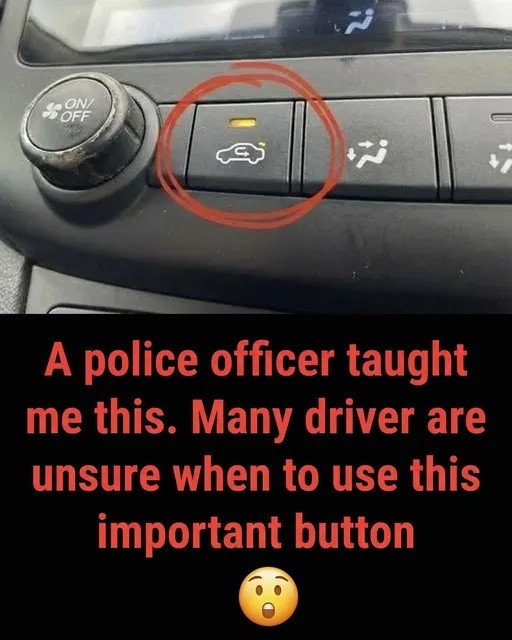
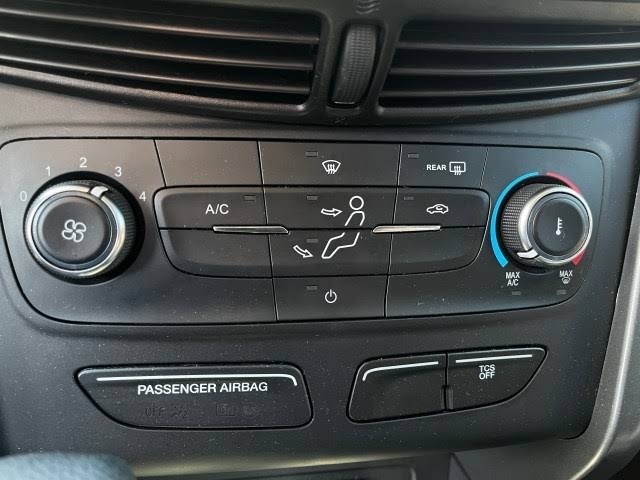
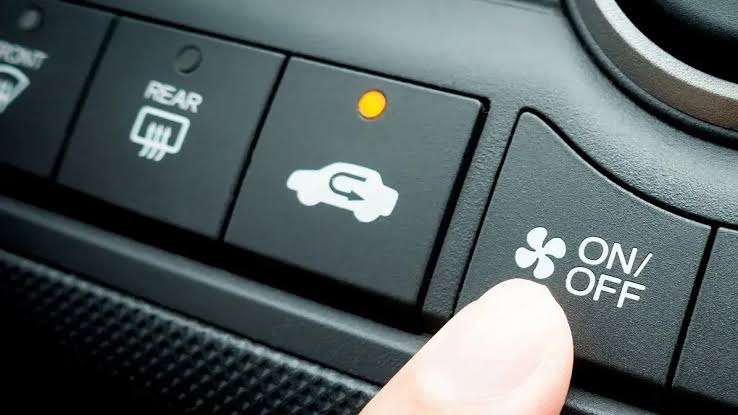
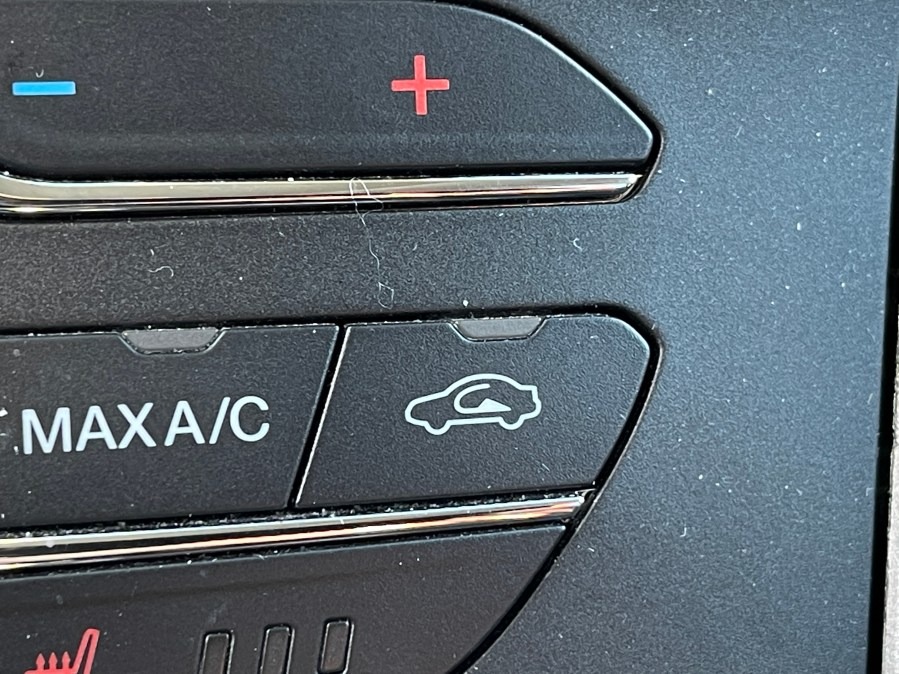
The air recirculation button is a frequently overlooked feature on many vehicle dashboards. The symbol, typically showing a car with a looping arrow inside, represents an important control over your cabin’s air quality and climate. Although many drivers notice and use it, few fully understand its impact or optimal usage. Learning how this system works—when to use it, and when not to—is key to maintaining a comfortable, healthy cabin atmosphere and optimizing your car’s air conditioning performance.
How Your Car’s Ventilation System Works
Modern vehicles are equipped with advanced climate control systems designed to filter and condition the air within the cabin. Generally, there are two modes:
- Fresh Air Mode (Recirculation Off): The system draws air from outside the vehicle, passes it through filters and either heats or cools it before distributing it inside.
- Recirculation Mode (Recirculation On): An internal flap closes to prevent outside air from entering. Instead, the system reuses and conditions the air already inside the vehicle, creating a closed-loop environment.
The recirculation button allows you to easily switch between these two modes, adapting the car’s air management to different environmental and interior conditions.
Benefits of Using Air Recirculation: Efficiency, Comfort, and Health
When used strategically, the air recirculation feature offers several significant advantages for drivers and passengers:
- Improved Cooling Efficiency: In hot climates or during summer months, enabling recirculation allows your air conditioner to rapidly cool the cabin. Since the system works only with the air already inside (which becomes progressively cooler), it does not need to exert as much effort as it would cooling hot outside air. This can result in faster comfort and may slightly reduce fuel or electricity consumption, particularly in electric vehicles.
- Protection from Pollutants and Irritants: When driving through areas with heavy traffic, smoke, industrial activity, wildfire smoke, dusty roads, or strong odors, recirculation effectively blocks much of the outside air—and, with it, exhaust fumes, unpleasant smells, and allergens like pollen. This can be especially helpful for individuals with respiratory sensitivities or allergies, as it reduces exposure to irritating particles.
- Allergy Relief: During peak allergy seasons, pollen counts can be high even in urban environments. Recirculating interior air minimizes the influx of outdoor allergens, providing a degree of relief for drivers and passengers who suffer from hay fever or other environmental allergies.
When to Use Air Recirculation
Certain driving or environmental scenarios are ideal for activating air recirculation:
- Entering a tunnel or parking garage where air quality may be poor.
- Driving behind vehicles emitting strong exhaust fumes, such as large trucks or diesel buses.
- Traveling in areas with strong, unpleasant odors (such as landfills, wastewater treatment plants, or sections of road undergoing heavy construction).
- Crossing regions affected by dust, smoke, or urban pollution.
- To accelerate cooling of a hot cabin after a car has been parked in the sun.
- During allergy season to limit outdoor pollen and irritants inside the vehicle.
When Not to Use Air Recirculation
While air recirculation provides clear benefits under certain conditions, continuous use can counteract these advantages and even create new issues:
- Fogged Windows and Visibility: In cold, wet, or humid weather, using recirculation for extended periods prevents moisture from escaping. This leads to window fogging, which can obscure your view and compromise safety. Switching to fresh air mode helps clear fog more quickly by introducing drier outside air.
- Oxygen and Air Quality: Over long journeys with all windows closed, the oxygen level inside your vehicle may gradually decrease, while carbon dioxide from passengers’ breath increases. This can cause drowsiness and discomfort. Regularly allowing fresh air into the cabin helps sustain alertness and cognitive performance, especially on longer drives.
- Interior Odor Build-Up: Continuously recycling cabin air can concentrate interior odors, such as food smells or smoke, which can become unpleasant over time.
To maximize comfort and air quality, it is best to:
- Use recirculation mode intermittently in accordance with conditions.
- Switch back to fresh air mode regularly, especially during extended drives.
- Rely on fresh air to quickly clear humidity from inside the cabin on rainy or cold days.
Maintenance: Keeping Your Air Quality High
The effectiveness of your vehicle’s climate system and air recirculation feature depends on proper maintenance:
- Cabin Air Filter: This filter removes dust, debris, and allergens from air entering the system. Most manufacturers recommend replacing the cabin filter every 12,000 to 15,000 miles, or as specified in your owner’s manual. A clogged filter reduces airflow, can produce musty odors, and limits your system’s efficiency—so regular checks and timely replacements are essential.
- Climate Control System: If you notice diminished airflow, odd smells, or hear unusual noises, have your air conditioning checked by a qualified technician. Malfunctions can undermine the benefits of proper air recirculation.
Expert Opinions on Best Practices
Automotive engineers and health professionals agree that informed use of the recirculation button enhances safety and wellness. The U.S. Environmental Protection Agency (EPA) suggests minimizing intake of outdoor air pollutants during high-traffic or smoggy periods by briefly using recirculation. Meanwhile, the American Lung Association notes the importance of good ventilation and fresh air, particularly for sensitive groups. Automotive associations worldwide recommend a balanced approach—never using recirculation exclusively, but toggling modes according to changing driving and environmental needs.
Common Misconceptions About Air Recirculation
Some drivers believe that using recirculation will always save energy or that it is only for winter use. In reality:
- Recirculation increases cooling efficiency mainly in hot weather, but can reduce defogging in cooler, damp conditions.
- Continuous use does not save energy in all cases; stale air, increasing carbon dioxide, and possible moisture build-up present tradeoffs.
- The button should not be left on permanently; attention should be paid to changing external and internal conditions.
Understanding these subtleties helps drivers get the best out of their vehicle’s climate system while protecting health and comfort.
International Approaches to Automotive Climate Control
Around the world, awareness of in-car air quality is growing, particularly in regions affected by high levels of urban pollution or seasonal dust storms. In countries such as China and India, where outside air quality can sometimes be hazardous, recirculation is commonly used in conjunction with high-efficiency particulate air (HEPA) filters in premium vehicle models. Meanwhile, European automakers often enhance air filtration systems to meet stricter air quality standards, providing additional pollen and activated carbon filters for maximum protection.
Environmental changes and technological advances continue to influence design improvements in ventilation and air quality management across all vehicle classes. Electric vehicles, for instance, often offer advanced air recirculation and filtration technologies to increase both efficiency and passenger well-being.
Conclusion: Smarter Use of the Air Recirculation Button
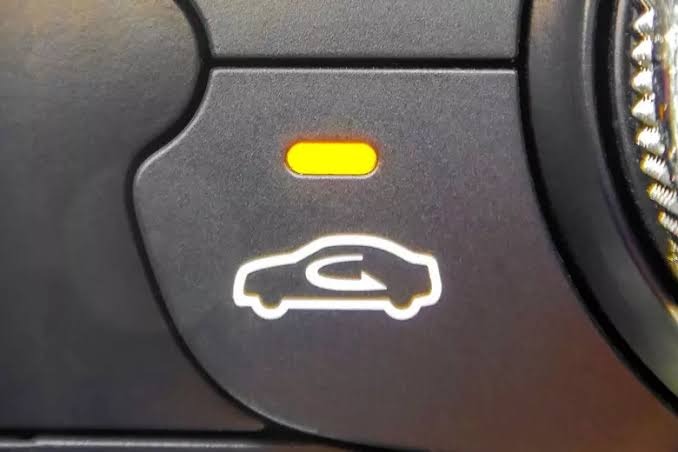
The air recirculation button is more than a simple feature—it is a tool that, when used thoughtfully, improves comfort, enhances efficiency, and safeguards the health of everyone inside your vehicle. By understanding how and when to use air recirculation in response to changing driving, weather, and air quality conditions, drivers can ensure a more enjoyable and safer experience on the road. Regular maintenance, awareness of environmental factors, and a flexible approach to switching modes are key to unlocking the system’s full benefits.
Sources
- BBC News – Car features explained
- Reuters – Automotive News
- U.S. Environmental Protection Agency – Inside Vehicles
- American Lung Association – In-Car Air Quality
- CDC – Air Quality in Vehicles
- Autoblog – What Does the Air Recirculation Button Do?
Disclaimer: This content is intended for entertainment purposes only and is not based on real events.