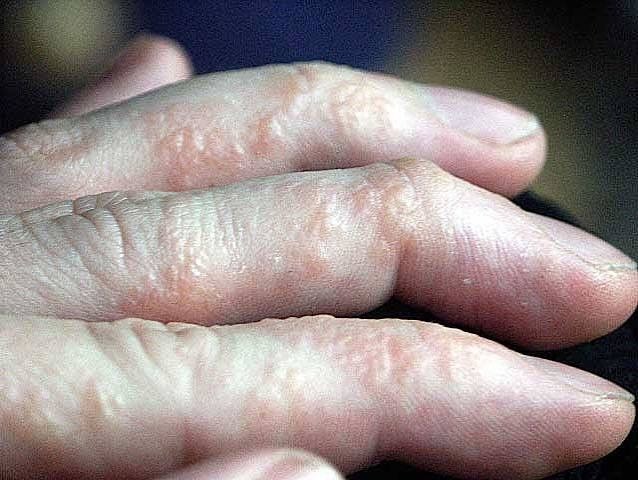
Tiny spots, bumps, or blisters on the fingers can have several causes. One possible explanation is dyshidrotic eczema, also known as pompholyx or dyshidrosis. This inflammatory skin condition can cause small, very itchy fluid-filled blisters on the fingers, palms, and sometimes the soles of the feet.
While dyshidrotic eczema is common and usually manageable, not every finger rash is eczema. Contact dermatitis, fungal infections, psoriasis, scabies, and other skin conditions can sometimes look similar. An accurate diagnosis matters because the most effective treatment depends on the cause.
This guide explains the typical symptoms of dyshidrotic eczema, the factors that may contribute to flare-ups, evidence-based treatment approaches, practical skin-care strategies, and the signs that should prompt medical advice.

What Is Dyshidrotic Eczema?
Dyshidrotic eczema is a type of eczema that mainly affects the hands and feet. It is characterized by small, deep-seated blisters that may develop suddenly. The blisters are often extremely itchy and may be accompanied by burning, tingling, or a feeling of tightness in the skin.
The name can be misleading. Earlier theories linked the condition to problems with sweating, but current medical understanding does not suggest that blocked sweat glands are the direct cause. Instead, dyshidrotic eczema is considered an inflammatory condition influenced by a combination of skin-barrier vulnerability, immune activity, environmental exposures, and individual sensitivities.
Flare-ups may last for several weeks. As the blisters resolve, the skin may peel, become dry, or develop painful cracks. Some people have a single episode, while others experience recurrent symptoms over months or years.
Importantly, dyshidrotic eczema is not contagious. It cannot be passed to another person through touch, shared towels, household contact, or everyday interaction.
What Do Tiny Blisters on Fingers Look and Feel Like?
Dyshidrotic eczema often produces tiny blisters that can resemble small beads of water beneath the skin. They are generally found on the sides of the fingers, palms, fingertips, toes, or soles of the feet. The blisters may occur alone, but they commonly form groups.
Symptoms differ from person to person, but common features include:
- Small fluid-filled blisters on the fingers, palms, feet, or toes
- Intense itching, sometimes beginning before blisters are visible
- Burning, tingling, or tenderness
- Redness and irritation around affected areas
- Dry, flaky, or peeling skin as blisters heal
- Cracks or fissures that can be painful, especially on the hands
- Thickened skin in people with frequent or long-lasting flare-ups
Hand symptoms can be particularly disruptive. Everyday tasks such as washing dishes, typing, preparing food, gripping objects, or using hand sanitizer may become uncomfortable. When the feet are affected, walking, exercise, and wearing closed shoes can be more difficult.

Where Does Dyshidrotic Eczema Usually Appear?
Dyshidrotic eczema is most closely associated with the hands and feet. On the hands, blisters frequently develop along the sides of the fingers and on the palms. On the feet, they may appear on the soles and sides of the feet or around the toes.
The condition does not usually cause widespread blisters across the entire body. If a rash is extensive, rapidly changing, associated with fever, or affecting areas beyond the hands and feet, it is sensible to seek medical assessment rather than assuming it is dyshidrotic eczema.
What Causes Dyshidrotic Eczema?
The exact cause of dyshidrotic eczema is not fully known. Medical organizations describe it as a complex condition rather than one with a single, universal trigger. A person may be more likely to develop it if they have a history of eczema, allergic contact dermatitis, or other forms of sensitive skin.
Some people develop symptoms after repeated exposure to irritants or allergens. Others notice that flares coincide with warm weather, sweating, stress, or frequent wet work. These associations do not mean that a person has caused their own eczema. They simply provide useful clues for managing individual flare patterns.
Dyshidrotic eczema is not caused by poor hygiene. In fact, excessive washing and repeated contact with soaps or cleaning agents can weaken the skin barrier and make irritated skin harder to manage.
Common Triggers for Dyshidrotic Eczema Flare-Ups
Heat, Humidity, and Sweating
Some people report more hand and foot symptoms during warm, humid weather. Sweating and prolonged moisture inside gloves, socks, or shoes may aggravate already sensitive skin. Breathable footwear, moisture-wicking socks, and changing out of damp gloves or clothing can help reduce unnecessary irritation.
Frequent Water Exposure
People whose work or household routines involve frequent handwashing, dishwashing, food preparation, hairdressing, cleaning, or healthcare tasks may have repeated contact with water and cleansers. This type of “wet work” can strip oils from the skin and damage its protective barrier.
Hand hygiene remains important. The goal is not to avoid necessary washing, but to use a gentle cleanser when possible, dry hands carefully, and apply a fragrance-free moisturizer immediately afterward.
Soaps, Detergents, and Household Chemicals
Harsh soaps, solvents, detergents, disinfectants, fragrances, and some cosmetic products can irritate eczema-prone skin. The reaction may occur after one exposure or gradually after repeated contact. Products labelled fragrance-free and designed for sensitive skin are often preferable, although no product is suitable for every person.
Metal Allergies
Nickel and cobalt sensitivity have been associated with dyshidrotic eczema in some individuals. Nickel is found in many everyday items, including some jewelry, watchbands, tools, coins, fasteners, and electronics. Cobalt may be present in certain metal objects, pigments, and industrial materials.
Not everyone with dyshidrotic eczema has a metal allergy. However, when flares are recurrent or difficult to control, a dermatologist may recommend patch testing to investigate allergic contact dermatitis. This test can help identify whether a specific allergen is contributing to symptoms.
Stress and Sleep Disruption
Stress is frequently reported by people with eczema as a factor that can worsen itching or trigger a flare. Stress does not explain every episode, and it should not be treated as the sole cause. Still, maintaining regular sleep, physical activity where comfortable, social support, and stress-management routines may benefit overall wellbeing and may complement medical skin care.
How Is Dyshidrotic Eczema Diagnosed?
A clinician or dermatologist can often diagnose dyshidrotic eczema by examining the skin and asking about symptoms, work exposures, allergies, and previous skin conditions. There is no single blood test that confirms the condition.
Because several conditions can mimic hand or foot eczema, a medical professional may consider other possibilities. These can include allergic or irritant contact dermatitis, fungal infection, psoriasis, or bacterial infection. In selected cases, testing for allergies, a skin scraping to check for fungus, or other investigations may be appropriate.
Getting the diagnosis right is especially important when an over-the-counter treatment has not helped, symptoms recur frequently, or the rash has an unusual pattern.
Treatment Options for Dyshidrotic Eczema
Treatment aims to calm inflammation, reduce itch, protect the skin barrier, and lower exposure to personal triggers. The best approach depends on the severity of symptoms, the location of the eczema, and whether infection or contact allergy is present.
Topical Corticosteroids
Topical corticosteroids are commonly used during active flares. These medicines can reduce inflammation and itching. A clinician may prescribe a stronger steroid for thicker skin on the palms or soles, while selecting treatment carefully for more delicate areas.
Use topical steroids exactly as directed. They are effective treatments when used appropriately, but unnecessarily prolonged or incorrect use can cause side effects. A healthcare professional can explain how much to apply, how often to use it, and when to step down treatment.
Moisturizers and Barrier Repair
Regular moisturizing is one of the most important parts of eczema care. Thick creams and ointments are generally more protective than thin lotions, especially for cracked or very dry skin. Look for fragrance-free products formulated for sensitive skin.
For practical daily care, apply moisturizer after handwashing, bathing, or showering and whenever the skin feels dry. Keeping a small tube near the sink, desk, or bedside can make this routine easier to maintain.
Cool Compresses and Itch Relief
Cool, clean compresses may provide temporary comfort during an itchy flare. Avoid scratching where possible, since scratching can break the skin and increase irritation. Keeping fingernails short can reduce accidental damage, particularly during sleep.
If itching is severe, disrupts sleep, or affects work and daily life, speak with a pharmacist or clinician. They can advise on appropriate symptom relief and whether a prescription treatment is needed.
Specialist Treatments for Persistent Cases
For severe, recurrent, or treatment-resistant dyshidrotic eczema, a dermatologist may consider additional options. Depending on the individual case, these can include phototherapy, topical calcineurin inhibitors for selected areas, oral medicines, or other advanced therapies. These treatments require professional assessment because suitability and risks vary.
How to Protect Hands and Feet During a Flare-Up
Reducing contact with irritants can support treatment and help prevent further damage to the skin barrier. Practical measures include:
- Use lukewarm rather than very hot water for handwashing and bathing.
- Choose mild, fragrance-free cleansers when available.
- Pat hands dry instead of rubbing them vigorously.
- Apply a thick moisturizer immediately after washing.
- Wear suitable protective gloves for cleaning or chemical exposure.
- Consider cotton liners under protective gloves if sweating is a problem.
- Remove gloves promptly after the task is finished so moisture does not remain trapped.
- Wear breathable shoes and change damp socks promptly.
Gloves can be useful, but they are not always comfortable for eczema-prone skin. Latex, rubber additives, or prolonged sweating may cause problems for some people. If symptoms consistently worsen with a certain type of glove, discuss alternatives with a healthcare professional.
Should You Pop Blisters on Your Fingers?
It is generally best not to deliberately pop or puncture dyshidrotic eczema blisters. The outer skin helps protect the area from bacteria and further irritation. Opening a blister can increase discomfort and may raise the chance of infection.
If a blister breaks naturally, gently wash the area with mild soap and water, pat it dry, apply moisturizer or prescribed treatment as directed, and cover it with a clean dressing if friction is likely. Seek medical advice if the area becomes increasingly painful, swollen, warm, or develops drainage.
Signs of Infection and When to See a Doctor
Cracked skin and repeated scratching can create openings through which bacteria may enter. Infection is not inevitable, but prompt medical advice is important if warning signs appear.
Contact a healthcare professional if you notice:
- Increasing redness, swelling, warmth, or pain
- Pus, unusual fluid, or yellowish crusting
- Rapid spreading of the rash or a sudden worsening of symptoms
- Fever or feeling generally unwell
- Blisters or cracks that make normal activities difficult
- Symptoms that do not improve with basic skin care
- Recurring finger or foot blisters without a clear diagnosis
Urgent assessment may be needed if skin changes progress quickly, severe pain develops, or a person feels unwell. It is also wise to obtain medical advice for new rashes in infants, people with weakened immune systems, or people with diabetes, as skin problems may need closer monitoring.
Can Dyshidrotic Eczema Be Prevented?
There is no guaranteed way to prevent every flare-up. However, many people can reduce the frequency or severity of episodes by identifying triggers and following a consistent skin-protection routine.
A symptom diary can be useful. Record when blisters appear, the products used that day, workplace exposures, weather conditions, stress levels, and whether gloves, shoes, or jewelry were involved. Over time, this may reveal patterns worth discussing with a dermatologist.
Long-term management usually focuses on three principles: protect the skin barrier, limit avoidable irritants, and seek professional care when symptoms are persistent or uncertain. With the right plan, many people can improve comfort and reduce the impact of hand and foot eczema on daily life.
Final Thoughts
Tiny itchy blisters on the fingers may be a sign of dyshidrotic eczema, particularly when they occur on the sides of the fingers or palms and are followed by peeling or cracked skin. The condition is not contagious, is not a reflection of poor hygiene, and can often be managed with moisturizers, trigger avoidance, and medical treatment when needed.
Because several skin conditions can resemble eczema, persistent, painful, or unexplained symptoms should be assessed by a qualified healthcare professional. An accurate diagnosis can help ensure that treatment is safe, targeted, and effective.
Sources
Disclaimer: This content is intended for entertainment purposes only and is not based on real events.