Medical Case Report Highlights Risks of Unverified Injections for Back Pain
A published medical case report from Ireland has drawn renewed attention to the risks of attempting unproven home treatments for chronic pain. The report described an adult patient who repeatedly injected his own semen into his arm over approximately 18 months after believing the practice could help relieve persistent lower back pain.
The case was published in the Irish Medical Journal in 2019 and has since been widely discussed online, often with misleading or exaggerated descriptions. The clinical report does not support the idea that the injections relieved pain or provided any health benefit. Instead, it documented complications affecting the patient’s arm and highlighted the importance of seeking evidence-based care for ongoing back problems.
Health professionals say the case is a reminder that chronic pain can leave people feeling frustrated, isolated, or willing to try treatments that have not been tested for safety. However, injecting any non-sterile substance into the body without medical supervision can create serious risks, including skin and soft-tissue infection, inflammation, tissue injury, and air becoming trapped beneath the skin.
What the Irish Medical Case Report Found
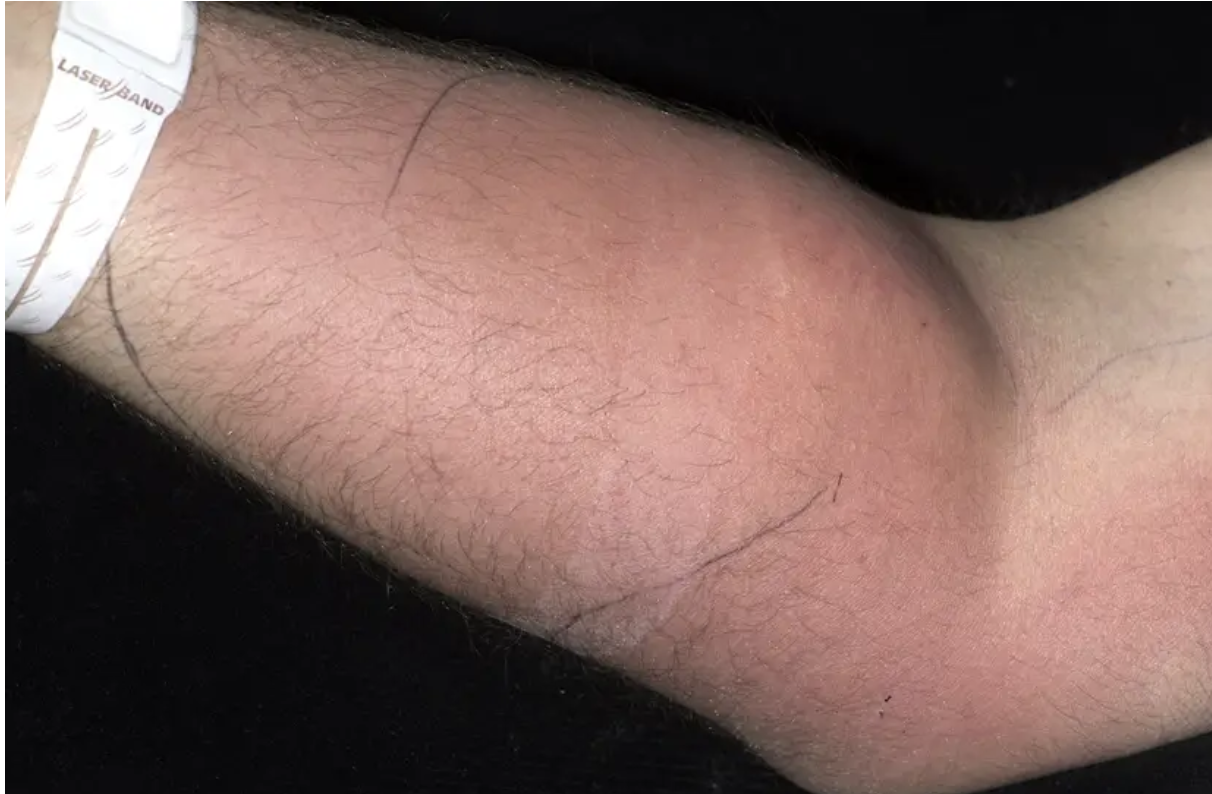
According to the case report, the patient was a 33-year-old man who attended hospital because of severe lower back pain following physical exertion. During the clinical assessment, doctors also identified redness and swelling in one forearm. The patient explained that he had been injecting his own semen into the area on a monthly basis for around a year and a half in an effort to treat chronic back discomfort.
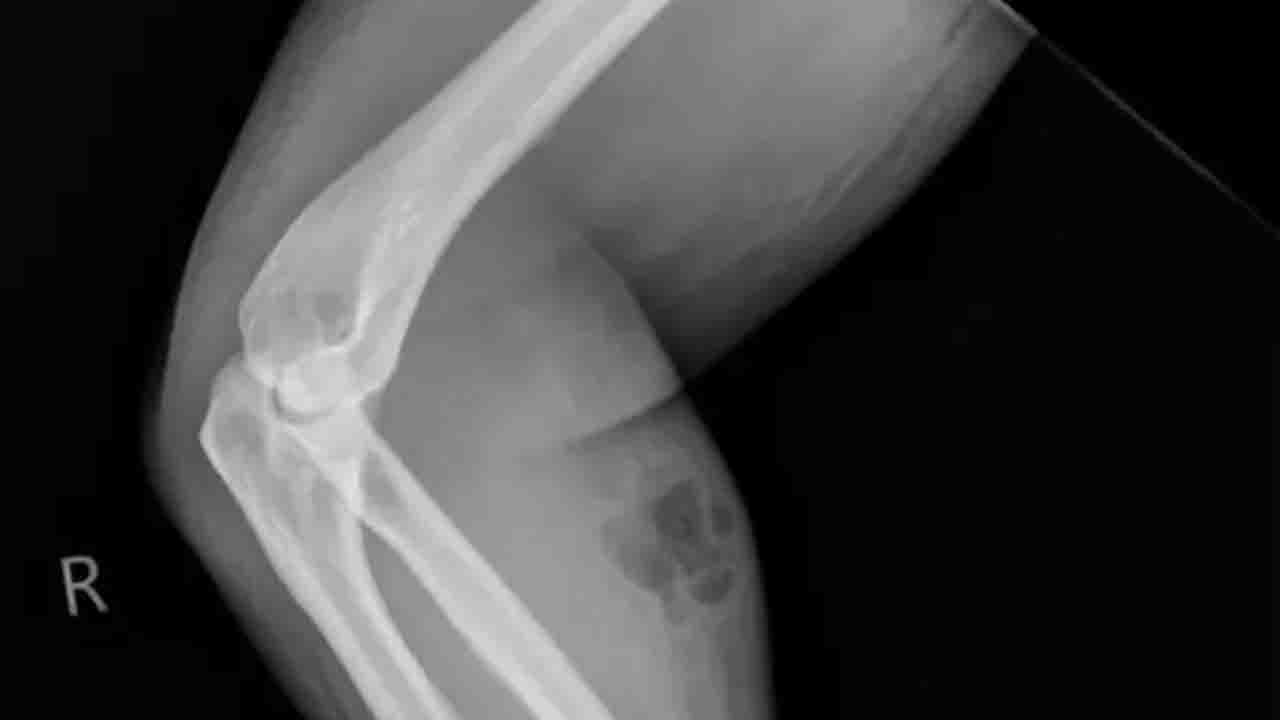
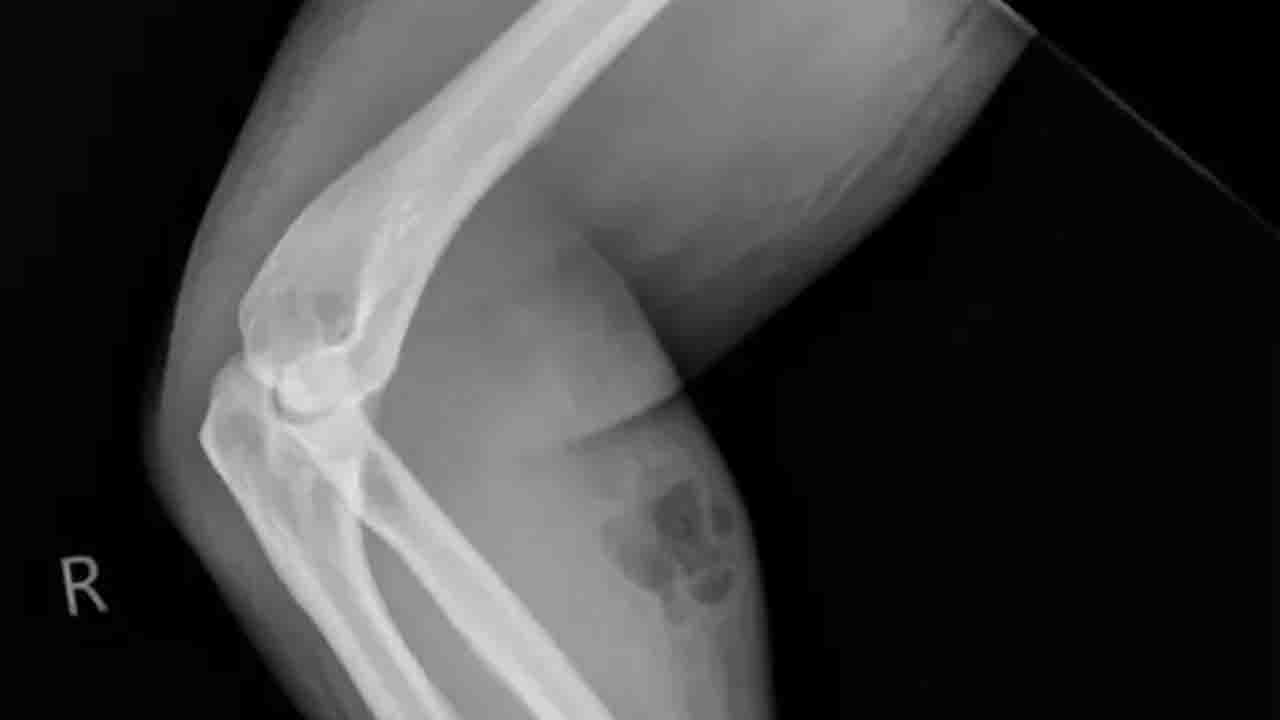
The clinicians found evidence of cellulitis, a potentially serious bacterial infection involving the deeper layers of skin and soft tissue. Imaging of the arm also identified areas of subcutaneous emphysema, meaning that air or gas was present in the tissues beneath the skin.
Some online retellings have inaccurately claimed that an X-ray showed a “buildup” of semen in the patient’s arm. The published report instead described the presence of gas in soft tissue. Subcutaneous emphysema can occur for several reasons, including trauma, certain infections, medical procedures, or the introduction of air during injections. It should be assessed by clinicians because the underlying cause can vary and some causes require urgent treatment.
The patient received treatment for his back pain and was offered intravenous antimicrobial treatment for the arm infection. However, the report stated that he discharged himself before completing the recommended course of treatment. Medical case reports generally describe one individual’s clinical experience and cannot determine why a person adopted a particular practice or predict outcomes for others.
Why Unverified Injections Can Be Dangerous
Medical injections are not simply a way of placing a substance beneath the skin. Safe injection requires appropriate training, sterile equipment, a medically suitable substance, accurate dosing, and an understanding of anatomy. These safeguards help reduce the chances of infection, injury to nerves or blood vessels, allergic reactions, and other complications.
Body fluids are not medications and are not prepared or tested for injection. Even when a fluid comes from the same person, it is not automatically safe to introduce it into tissue. Skin naturally carries bacteria, and needles or injection sites can become contaminated. Repeated punctures can also damage local tissue and raise the likelihood of swelling, bruising, inflammation, or infection.
In rare but serious circumstances, injecting substances into or near a blood vessel can lead to blockages or systemic illness. People should not attempt to self-inject substances that have not been prescribed and supplied for that purpose. Anyone who has injected an unapproved substance and develops pain, redness, warmth, swelling, fever, numbness, weakness, shortness of breath, or worsening symptoms should seek urgent medical advice.
Chronic Back Pain Can Lead People to Seek Unproven Remedies
Back pain is among the world’s leading causes of disability. The World Health Organization estimates that hundreds of millions of people live with low back pain globally. It can affect mobility, sleep, work, family life, and mental wellbeing, particularly when symptoms continue for weeks or months.
Most low back pain is not caused by a dangerous underlying condition, but it can still be difficult to manage. Common contributors include muscle or ligament strain, degenerative changes associated with ageing, prolonged inactivity, poor lifting technique, or physical demands at work. In some cases, pain may be linked to nerve irritation, inflammatory conditions, fractures, infection, or other medical issues that need targeted evaluation.
The uncertainty surrounding pain can make unsupported claims especially appealing. Social media platforms, forums, and websites may promote “miracle” remedies without reliable scientific evidence. A personal testimonial can sound convincing, but it cannot establish that a treatment is safe, effective, or appropriate for another person.
Experts generally advise patients to be cautious when a treatment promises a rapid cure, discourages consultation with qualified clinicians, relies only on anecdotal stories, or involves risky practices without peer-reviewed evidence. Reliable health guidance should explain both potential benefits and possible harms, rather than presenting a remedy as universally effective.
Evidence-Based Approaches to Managing Back Pain
The right approach to back pain depends on its severity, duration, suspected cause, and the person’s overall health. A doctor, physiotherapist, or other qualified healthcare professional can help identify whether conservative care is appropriate or whether further assessment is needed.
For many people with uncomplicated low back pain, clinical guidance supports staying as active as symptoms allow rather than remaining in bed for extended periods. Gentle movement and a gradual return to ordinary activities may help maintain strength and mobility. Exercise programmes tailored to an individual’s ability can also be useful, particularly for persistent pain.
Physical therapy may include education about movement, strengthening exercises, flexibility work, and strategies for safely returning to daily tasks. Some people may benefit from approaches that address the broader effects of chronic pain, such as sleep disruption, stress, low mood, fear of movement, or workplace challenges.
Medication may be considered in some circumstances, but it should be discussed with a clinician or pharmacist because potential benefits, side effects, and interactions differ from person to person. Imaging tests such as X-rays or MRI scans are not always needed for routine back pain. Healthcare professionals typically recommend them when symptoms or examination findings suggest a specific underlying problem.
For pain that does not improve, a clinician may review the diagnosis, discuss specialist referrals, or consider multidisciplinary care. Importantly, people do not need to manage persistent pain alone. Seeking help early can reduce the likelihood of turning to treatments that may cause additional harm.
When Back Pain Requires Urgent Medical Assessment
Most back pain improves over time, but certain warning signs need prompt medical attention. People should contact an urgent healthcare service or seek emergency care if back pain follows a significant accident, is accompanied by fever or feeling severely unwell, or becomes rapidly worse.
Urgent assessment is also important when back pain occurs with new difficulty controlling the bladder or bowel, numbness around the groin or buttocks, severe or worsening weakness in the legs, unexplained weight loss, or a history of cancer, serious infection, or immune-system suppression. These symptoms do not always indicate a serious condition, but they should not be ignored.
Similarly, redness, heat, swelling, increasing tenderness, drainage, fever, or red streaking around an injection site can indicate an infection requiring medical evaluation. It is important to be honest with healthcare professionals about any substances used or injected. Medical teams need accurate information to provide safe care, and their role is to assess and treat health concerns rather than judge a patient.
Addressing Health Misinformation With Compassion
The Irish case has been reported in attention-grabbing terms, but its wider lesson is about access to trustworthy health information and compassionate support for people living with pain. Stigma and embarrassment can stop patients from discussing unusual symptoms, self-treatment, or mental health concerns. That can delay care and allow manageable problems to become more serious.
Healthcare providers, public health organisations, and responsible media outlets have a role in explaining medical evidence clearly. People should be encouraged to ask questions, check claims with licensed professionals, and use reputable sources such as national health services, public health agencies, and peer-reviewed medical journals.
There is no credible evidence that injecting bodily fluids can treat lower back pain. The published case instead demonstrates that untested injections may lead to preventable complications. Persistent pain deserves professional assessment, practical support, and treatments grounded in the best available evidence.
This article is for general information only and is not a substitute for medical advice, diagnosis, or treatment. Speak with a qualified healthcare professional about persistent pain or any health concern.
Sources
Disclaimer: This content is intended for entertainment purposes only and is not based on real events.