How Hospice Care Can Support Meaning, Dignity, and Connection
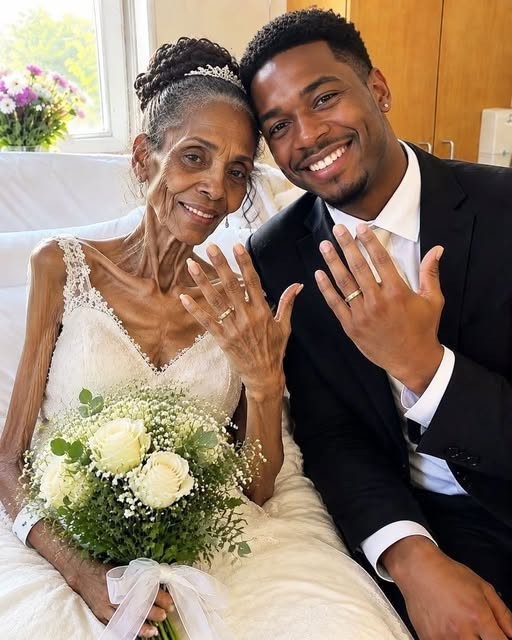
The story of Eleanor, a hospice patient whose friends helped create a small garden wedding experience during her final weeks, reflects a wider truth about end-of-life care: comfort is not limited to medical treatment. Hospice care can also make room for identity, relationships, memories, spiritual needs, and personal wishes that give a person a sense of meaning.
While the individual details of Eleanor’s story cannot be independently verified, its central themes are consistent with established principles of hospice and palliative care. These services focus on quality of life for people facing serious illness, while also supporting families and caregivers. A meaningful gathering, a favorite song, a visit from loved ones, or an opportunity to reconnect can matter deeply to a person receiving care.
For many people, the end of life is not only a medical experience. It is also a time when people reflect on relationships, unresolved emotions, important milestones, and the legacy they hope to leave behind. Hospice teams are designed to recognize these needs and to provide practical, emotional, and spiritual support alongside symptom management.
What Hospice Care Means for Patients and Families
Hospice care is a form of specialized care for people who are approaching the final stage of a life-limiting illness. In the United States, hospice is generally intended for people who have a prognosis of six months or less if an illness follows its usual course, although care can continue when a patient remains eligible. Eligibility and services may differ by country, health system, insurer, and individual circumstance.
The central goal of hospice is not to cure an underlying illness. Instead, it is to improve comfort and quality of life. This may include help with pain and other symptoms, emotional support, assistance with daily needs, medication management, counseling, spiritual care, and bereavement services for families after a death.
Hospice is commonly provided in a person’s home, but it may also be available in nursing facilities, hospitals, dedicated hospice centers, or other care settings. The model is typically interdisciplinary. Depending on the patient’s needs, the care team may include physicians, nurses, social workers, nursing assistants, chaplains, counselors, therapists, and trained volunteers.
This team approach recognizes that serious illness affects more than the body. It can affect a person’s emotional wellbeing, family relationships, financial concerns, beliefs, independence, and sense of purpose. Good end-of-life care seeks to address these connected challenges with respect for the patient’s choices and values.
The Importance of Personal Wishes at the End of Life
Eleanor’s fictionalized garden wedding wish illustrates why personal goals can remain important even when a person is seriously ill. A wish does not need to be large, expensive, or public to have value. It may involve reconnecting with a relative, hearing a favorite piece of music, revisiting a cherished hobby, celebrating a birthday, viewing old photographs, attending a family gathering, or taking part in a meaningful tradition.
Healthcare professionals often emphasize person-centered care, meaning that care plans should reflect what matters most to the individual. For one patient, this may mean being comfortable enough to spend time with grandchildren. For another, it may mean staying at home, speaking with a faith leader, completing a creative project, or having an honest conversation with family members.
These goals should be approached realistically and safely. A hospice team can help families consider what is possible based on a patient’s energy level, symptoms, mobility, medical needs, and preferences. A small event held at home may be more manageable than travel. A short video call may be preferable when an in-person visit is not possible. The purpose is not to create a perfect occasion, but to help the patient feel heard and supported.
Importantly, no patient should feel pressured to participate in activities or discussions they do not want. Respecting autonomy is essential. The patient’s own wishes, comfort, privacy, and consent should guide every decision.
Emotional Support and Life Review in Hospice Settings
Near the end of life, many people naturally look back on important experiences. This process is sometimes called life review. It can include sharing memories, reflecting on accomplishments, discussing regrets, identifying values, and telling stories that family members may not have heard before.
Life review can help preserve family history and create opportunities for connection. It may happen informally during a conversation with a relative, volunteer, nurse, social worker, or chaplain. Some people choose to record messages, organize photographs, write letters, create memory boxes, or share recipes and traditions with younger relatives.
In the story, the discovery of an old invitation, a photograph, and a family connection becomes a way of understanding a long-ago act of generosity. In real life, such discoveries can bring up many emotions, including gratitude, sadness, guilt, or relief. Hospice counselors, social workers, and spiritual-care providers can help patients and families navigate these feelings without judgment.
Families may also benefit from recognizing that not every relationship can be fully resolved. Reconciliation may be meaningful when it is wanted and safe, but it is not an obligation. Sometimes a person finds peace through a private letter, a conversation with a counselor, an act of forgiveness, or simply the chance to express what they feel.
How Hospice Volunteers Contribute to Compassionate Care
Trained volunteers are an important part of many hospice programs. Their role varies by organization and by the needs of each patient. A volunteer may offer companionship, read aloud, listen to music with a patient, help with light errands, provide a caregiver with a short break, or assist with administrative and community activities.
Volunteers do not replace medical professionals or family members. Instead, they can offer an additional human connection during a time when patients and caregivers may feel isolated. Hospice organizations generally train volunteers and establish boundaries around confidentiality, safety, and appropriate communication.
The friendship between Eleanor and Daniel in the original account highlights the value of attentive listening. Often, the most meaningful support is not a dramatic gesture. It may be taking time to hear someone’s story, asking what matters to them, or simply being present without trying to solve every problem.
For people interested in volunteering, it is important to contact established hospice organizations that provide formal orientation and supervision. Volunteers should understand the emotional demands of the role and follow the program’s policies regarding privacy, professional boundaries, and patient safety.
Supporting Caregivers During Serious Illness
Family caregivers often manage many responsibilities at once. They may coordinate appointments, prepare meals, administer medications, provide transportation, help with personal care, communicate with relatives, and make difficult decisions. Caregiving can be meaningful, but it can also be exhausting and emotionally demanding.
Hospice services can help relieve some of that pressure. Depending on local services and a patient’s plan of care, support may include nursing visits, access to a care team by phone, medical equipment, personal-care assistance, counseling, respite care, and education about what to expect as illness progresses.
Caregivers should not assume they must manage everything alone. Asking questions is appropriate and necessary. Families can ask the hospice team who to call after hours, how symptoms will be managed, what support is available for caregivers, and how the team will communicate changes in the patient’s condition.
It can also help to create a simple support network. Friends and relatives may be able to assist with meals, pet care, transportation, laundry, childcare, or regular check-in calls. Specific requests are often easier for others to respond to than general offers of help.
Advance Care Planning and Open Communication
One of the most practical ways to support dignity at the end of life is to discuss care preferences early. Advance care planning allows adults to consider what types of medical care they would want if they could not speak for themselves. These conversations can involve loved ones, clinicians, and legal professionals when appropriate.
Documents may include an advance directive, a living will, or the designation of a healthcare proxy or durable power of attorney for healthcare. The names and legal requirements vary by location. People should use forms recognized in their state or country and discuss their decisions with the person they choose to speak on their behalf.
Open communication can reduce uncertainty for families during a crisis. It can also help clinicians understand whether a patient values comfort-focused care, life-prolonging treatment, remaining at home, specific spiritual practices, or other personal priorities. Preferences can change over time, so advance care plans should be reviewed periodically.
Discussing these issues does not mean giving up hope. Rather, it gives people more control over the care they receive and helps families honor their choices. Hope can take many forms: comfort, time with loved ones, relief from symptoms, meaningful conversation, or a peaceful environment.
Why Small Acts of Kindness Can Have Lasting Meaning
The lasting message of Eleanor’s story is not about a wedding dress or a ring. It is about being recognized as a whole person. Serious illness can change routines and abilities, but it does not erase a person’s history, hopes, relationships, or need for belonging.
Acts of kindness can be simple: bringing a familiar meal, playing favorite music, arranging a call with an old friend, helping someone look through photographs, or making space for a difficult conversation. These gestures may not change a medical diagnosis, but they can improve a person’s sense of comfort and connection.
For families, memories created during hospice can become an important part of bereavement. A shared story, a final celebration, or a quiet afternoon together may be remembered long after a loved one has died. There is no single “right” way to create those moments. What matters is that they are authentic to the person receiving care.
Finding Reliable Hospice and Palliative Care Information
People considering hospice or palliative care should speak directly with a physician, nurse practitioner, hospital care coordinator, or local hospice provider. They can explain eligibility, available services, insurance coverage, and the differences between hospice and palliative care.
Palliative care may be available at any stage of a serious illness and can be provided alongside treatment intended to manage or cure disease. Hospice is generally focused on comfort when curative treatment is no longer the goal. The exact definitions and access pathways can vary, so professional guidance is important.
When evaluating a hospice provider, families may wish to ask about staff availability, emergency support, caregiver education, cultural and spiritual services, volunteer programs, inpatient options, and bereavement resources. Clear communication and a care plan shaped around the patient’s priorities are key signs of quality care.
Stories about compassion at the end of life can remind communities that care is both clinical and human. By listening closely, planning ahead, and seeking qualified support, families can help ensure that a loved one’s final stage of life is approached with dignity, comfort, and respect.
Sources
Disclaimer: This content is intended for entertainment purposes only and is not based on real events.